CurioShelf Guide

CurioShelf Guide

Collectibles & Art Reviews & Buying Guides

Compare collectibles & art by use case, features, trade-offs, price, returns, and seller terms before you buy.

Buying guides

Buying guide image
Art Prints & Posters

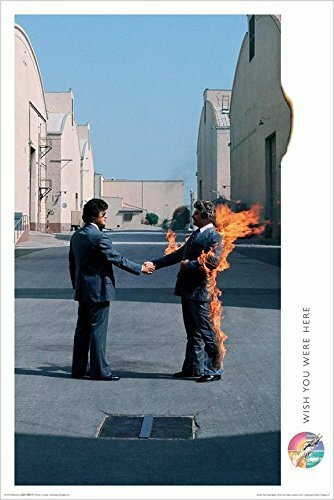
Music Poster

Music posters range from thin mass-printed repros to heavy archival giclée prints, and the paper weight plus print method decides whether a poster looks sharp for a decade or fades and wrinkles in a year. The core trade-off is basis weight and ink type versus cost: 200–250 gsm offset or giclée on matte/rag stock is the durable floor, while 100–150 gsm thin gloss is a short-life compromise. Buy archival-grade paper with pigment inks for collectible or framed display; buy standard offset only for casual, replaceable wall decor.
Buying guide image
Antiques, Pottery & Glass

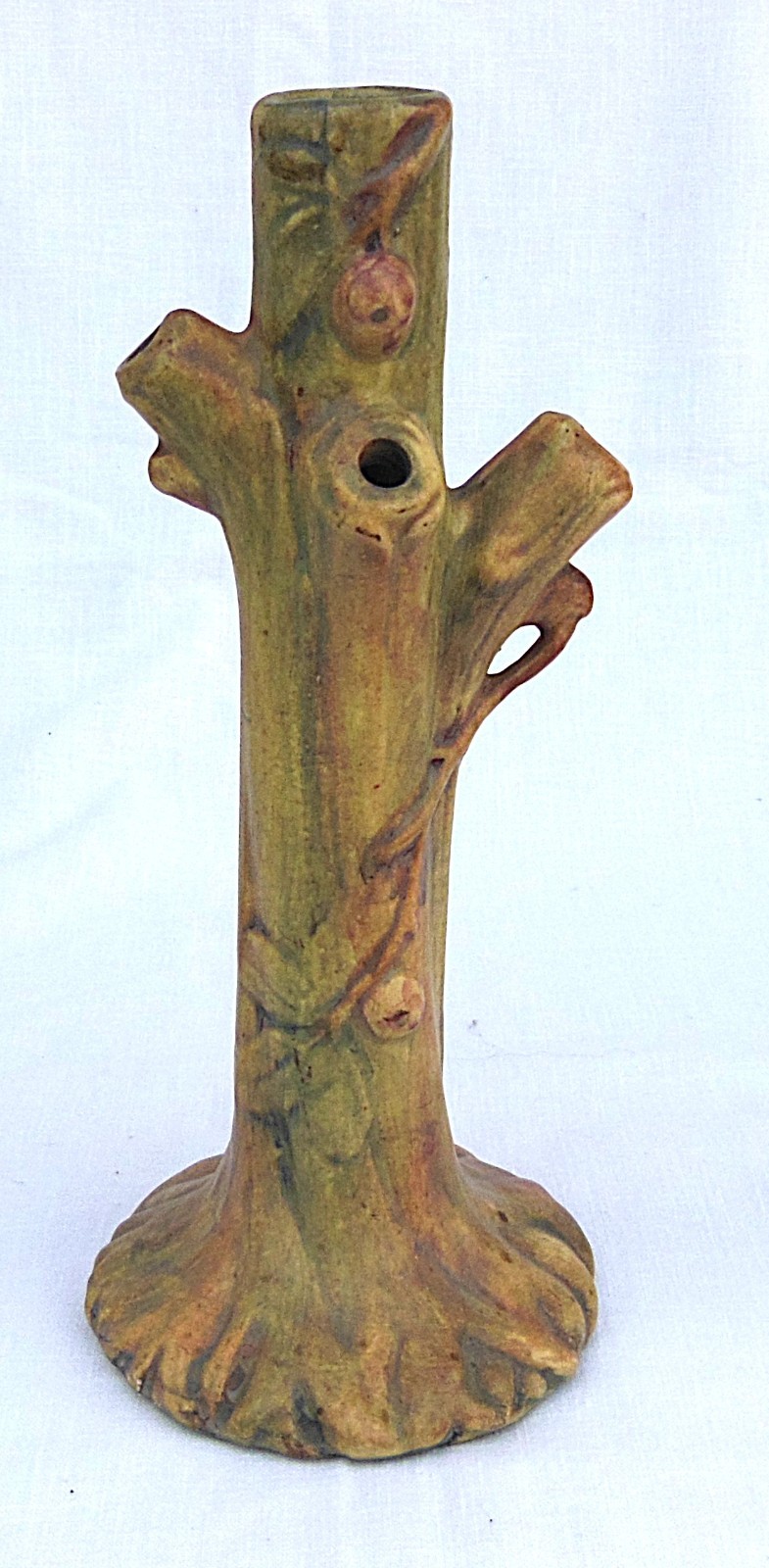
Weller Vase

Weller vases are American art pottery vessels produced by the Weller Pottery Company (Lancaster and Zanesville, Ohio, 1872–1948), valued for their hand-decorated glazes, raised-relief carving, and Arts & Crafts forms. The primary trade-off is between early hand-thrown, hand-painted lines (Louwelsa, Sicard, Bonito) and later molded, production-line lines (Woodcraft, Apple Tree, Hudson), which differ sharply in mold seams, glaze depth, and collector demand. The decision rule: buy hand-decorated Weller with crisp relief, clean mold lines, and intact glaze for lasting value; skip heavily crazed, chipped, or cold-painted pieces where decoration is surface-applied rather than fired in.

Buying guide image
Comic Books & Issues

Amazing Spider Man 363

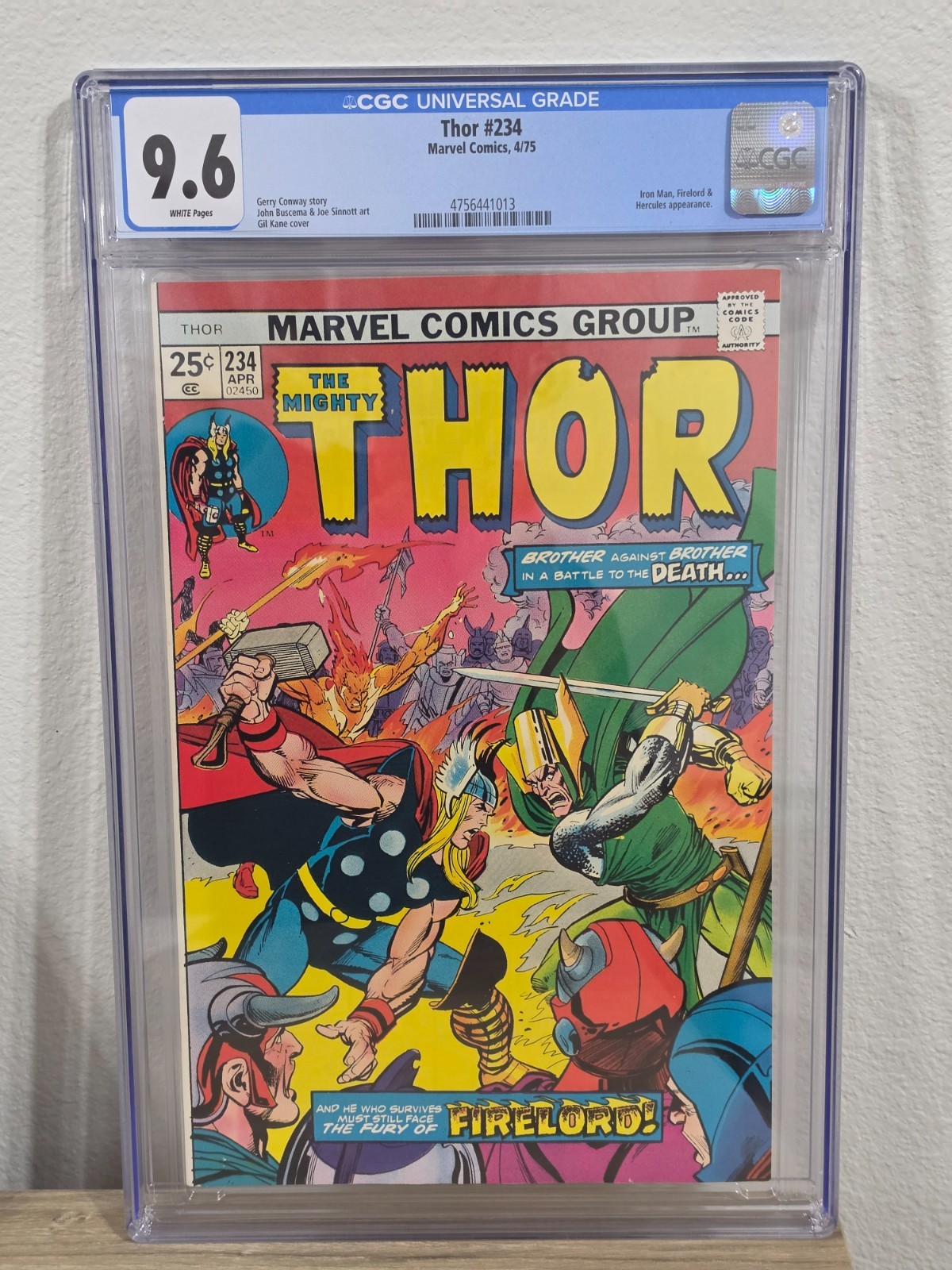
Amazing Spider-Man #363 is a key 1992 Marvel issue featuring the first full appearance of Carnage, making it one of the most sought-after modern Copper Age comics. The primary trade-off buyers face is raw versus professionally graded condition, where a single grade point can multiply value. The decision rule is simple: buy CGC/CBCS-graded copies for investment-grade certainty, or buy raw only from sellers with high-resolution scans and a stated grade range.

Buying guide image
Comic Books & Issues

Amazing Spider Man 37

Amazing Spider-Man #37 refers to a specific numbered issue that exists in two radically different eras: the 1966 Silver Age original (first appearance of the Molten Man) and the 2001 Marvel Knights volume 2 issue by J. Michael Straczynski. The primary trade-off is historical significance versus modern storytelling, with condition and grading determining long-term value far more than the cover date. Buy the Silver Age key only with third-party grading or verified raw-grade photos; buy the modern issue for reading or affordable collecting.

Buying guide image
Comic Books & Issues

Amazing Spider Man 18

Amazing Spider-Man #18 refers to a specific issue number that has been relaunched across multiple volumes (1964, 1999, 2014, 2018, 2022), each with distinct cover art, print runs, and collectible value. The primary trade-off is between raw reading copies (low-grade, reader-friendly) and high-grade graded slabs (CGC/CBCS) that command premiums but limit handling. The decision rule: buy raw for reading or budget collecting, and buy slabbed only when the specific volume, variant, and grade are independently verified via certification lookup.

Buying guide image
Comic Storage Boxes

Plastic Comic Book Box

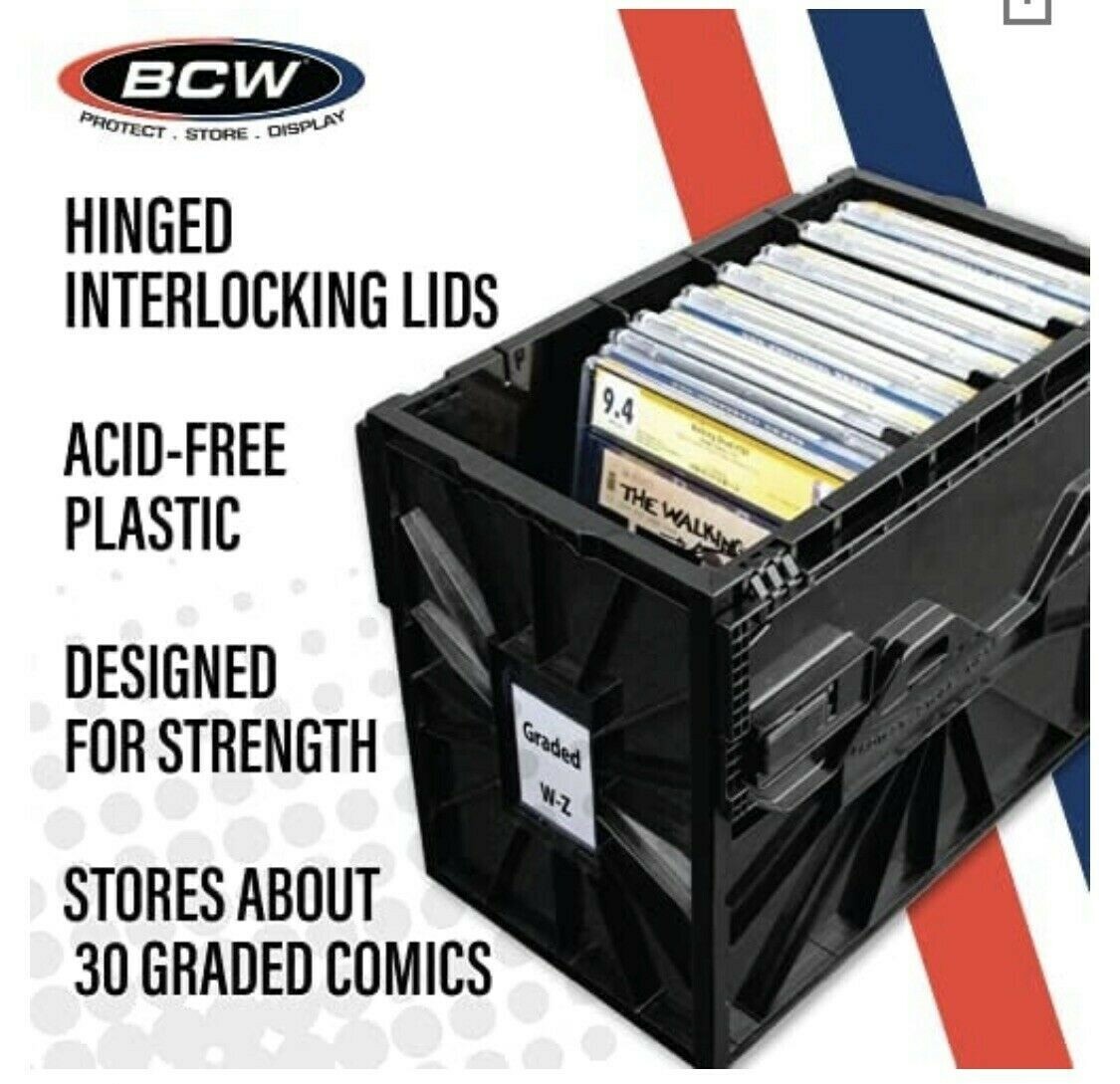
Plastic comic book boxes are rigid, stackable archival bins sized to hold bagged and boarded comics in short, long, or graded-slab formats. The core trade-off is between rigid stacking strength and archival safety: cheap polypropylene bins warp and off-gas, while acid-free, heavy-duty plastic with reinforced corners and interlocking lids protects from moisture, UV, and crushing. Choose acid-free, stackable bins with reinforced corners for long-term preservation; skip thin, non-archival totes or cardboard-equivalent plastic for permanent storage.

Buying guide image
Comic Bags & Backing Boards

Comic Book Backing Board

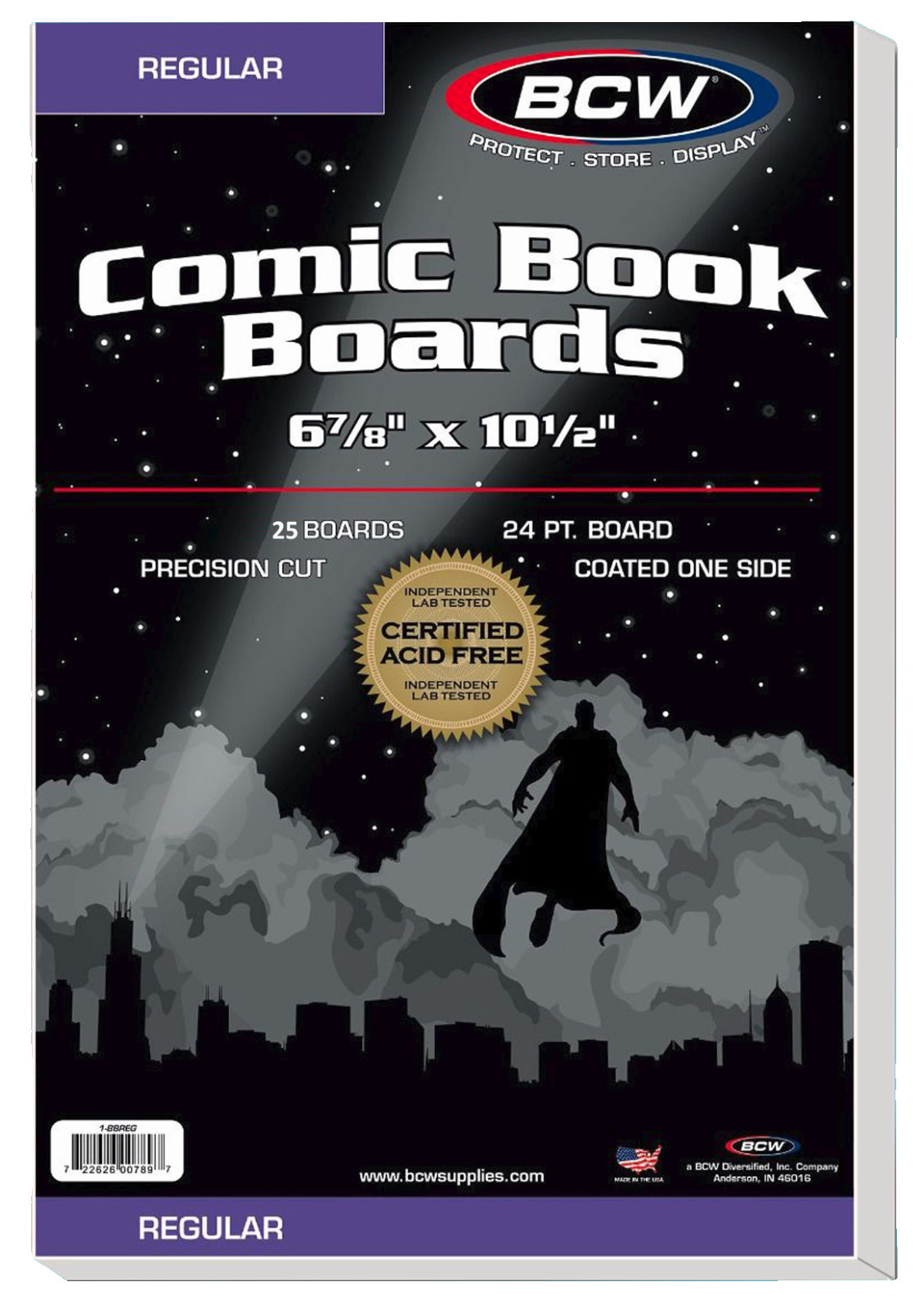
Comic book backing boards are rigid inserts that slip behind a bagged comic to prevent bending, spine roll, and corner dings during storage. The decisive trade-off is board thickness versus fit: thin boards (24-28pt) suit modern thin comics and tight bags, while thick boards (42-56pt) protect vintage or oversized issues but can stress seams. Choose by matching board dimensions to the comic's age format and bag size, and only buy acid-free, lignin-free buffered stock.

Buying guide image
Comic Books & Issues

Amazing Spider Man 11

Amazing Spider-Man #11 refers to a specific issue number that has been published multiple times across different volumes and eras, so the primary buyer challenge is identifying which series, printing, and grade you actually need. The key trade-off is between raw reading copies and professionally graded keys, where condition and variant cover directly determine value and collectibility. The clear decision rule: match the volume and year first, then choose a low-grade reader or a high-grade slab only after confirming the exact cover and printing.

Buying guide image
Comic Books & Issues

Amazing Spider Man 262

Amazing Spider-Man #262 is a key 1985 copper-age issue valued for its first full appearance of the Hobgoblin's identity reveal and its distinctive black-suit era cover. The primary buying trade-off is raw condition versus professional grading: high-grade raw copies with white pages are the collector norm, while CGC/CBCS slabs command premiums for verified grade and preservation. The decision rule: buy raw only from sellers who can show spine, corner, and page-quality photos, and buy slabbed only when the certification number matches the grading company's public census.

Buying guide image
Art Prints & Posters

Animal Print

Animal prints are decorative wall art featuring animal subjects or patterns, spanning fine-art giclée reproductions, open-edition posters, and multi-piece gallery sets. The core trade-off is substrate and framing quality: archival pigment inks on 200+ GSM cotton rag or heavy cardstock resist fading for decades, while thin glossy paper and plastic frames yellow, warp, or scratch within a season. The decision rule is simple: buy archival paper with pigment inks and solid wood or metal frames when the print must last; choose lightweight cardstock sets only for short-term, high-energy spaces like kids' rooms.

Buying guide image
Art Prints & Posters

Animal Print Wall Art

Animal print wall art spans two distinct product classes: decorative canvas or paper prints featuring animal motifs (zebra, leopard, wildlife) and sculptural metal wall pieces shaped like animals. The core trade-off is substrate and framing quality — cheap unframed paper curls and fades, while metal or properly framed prints hold shape and color for years. Buy framed or metal if the wall gets direct light or handling; buy unframed paper only for temporary or low-traffic displays.

Buying guide image
Comic Books & Issues

Amazing Spider Man 123

Amazing Spider-Man #123 is a Bronze Age key issue from 1973, notable as the first appearance of the Luke Cage-inspired villain Chemistro and a meaningful turning point in early 1970s Spider-Man continuity. The core trade-off for buyers is raw condition versus professional grading: a high-grade raw copy can outperform a lower-grade slabbed copy in both eye appeal and resale liquidity, but only if the book is genuinely unrestored. The decision rule is simple: buy the highest-grade copy you can afford that is either professionally graded by CGC/CBCS or raw with clear, well-lit photos of spine, corners, and centrefold, and skip any listing that hides flaws or lacks interior shots.

Buying guide image
Comic Bags & Backing Boards

Mylar Bag

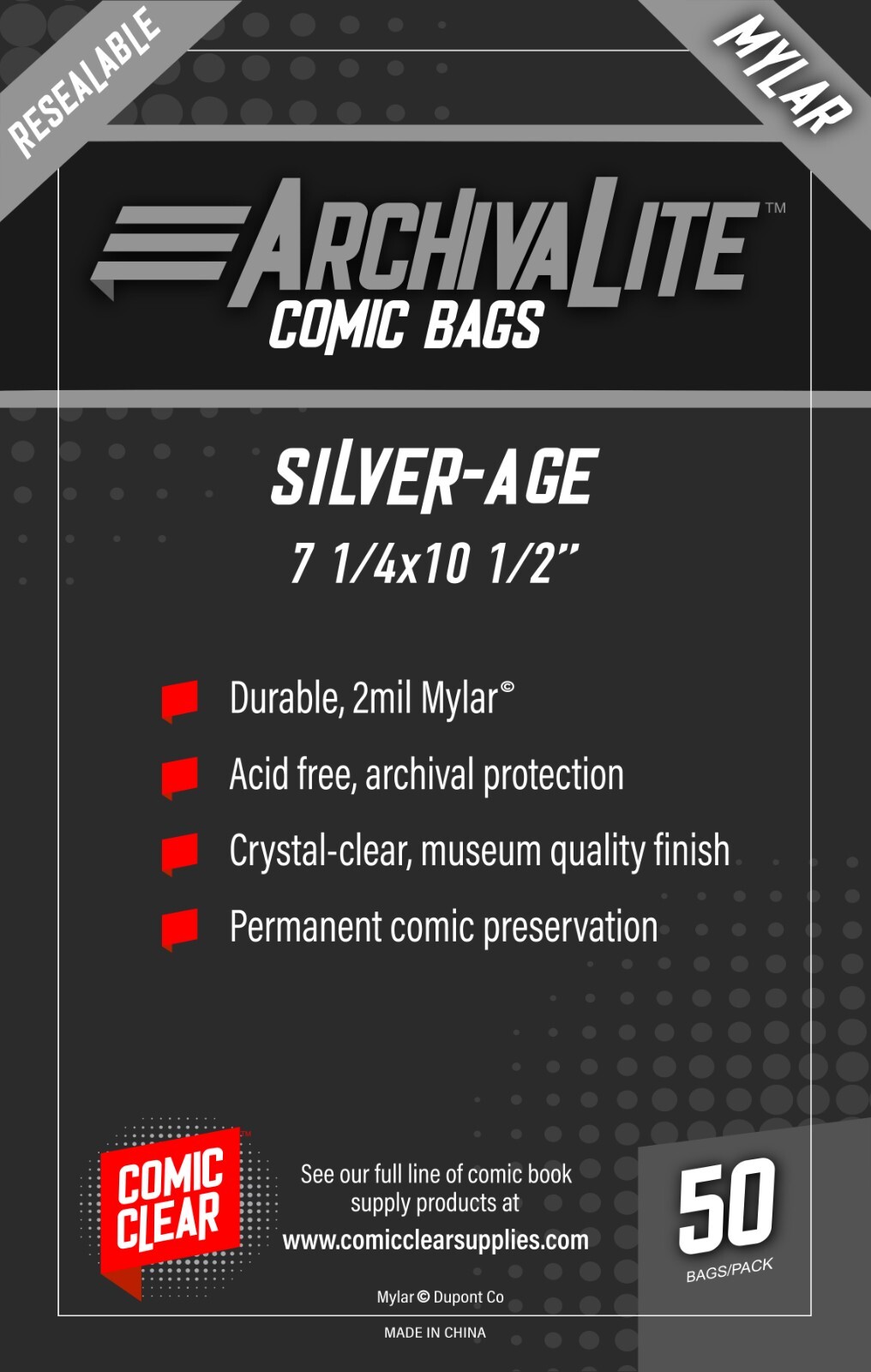
Mylar comic bags are polyester (PET) sleeves chosen for long-term archival protection, where the key trade-off is film purity and thickness versus cost and fit. A true archival Mylar bag uses uncoated, acid-free PET at 2 mil or thicker and is sized to the book's age format; polypropylene and polyethylene bags are cheaper but degrade faster and can off-gas. The decision rule: buy only bags labeled Mylar/PET with acid-free and inert claims, match the size class to the book, and skip any bag that does not state film type and thickness.

Buying guide image
Comic Bags & Backing Boards

Resealable Mylar Comic Bag

Resealable Mylar comic bags are archival polyester sleeves with a built-in adhesive strip, designed to protect comics from moisture, acids, and handling without tape. The core trade-off is film gauge versus resealability mechanics: 4-mil Mylar offers museum-grade rigidity and barrier protection, while thinner 2-mil films save space but flex and crease. Choose resealable Mylar when long-term preservation and re-access matter; skip it for short-term reading copies where standard poly bags suffice.

Buying guide image
Comic Books & Issues

Iron Man Comic

Iron Man comics are single-issue and collected-edition superhero publications whose value hinges on print era, key-issue status, and condition grade. The core trade-off is raw reading copies versus professionally graded investment copies, because grading locks in condition and liquidity at the cost of handling and price. Buy raw issues for story runs and reading, and buy only CGC/CBCS-graded keys when resale and preservation are the goal.

Buying guide image
Comic Books & Issues

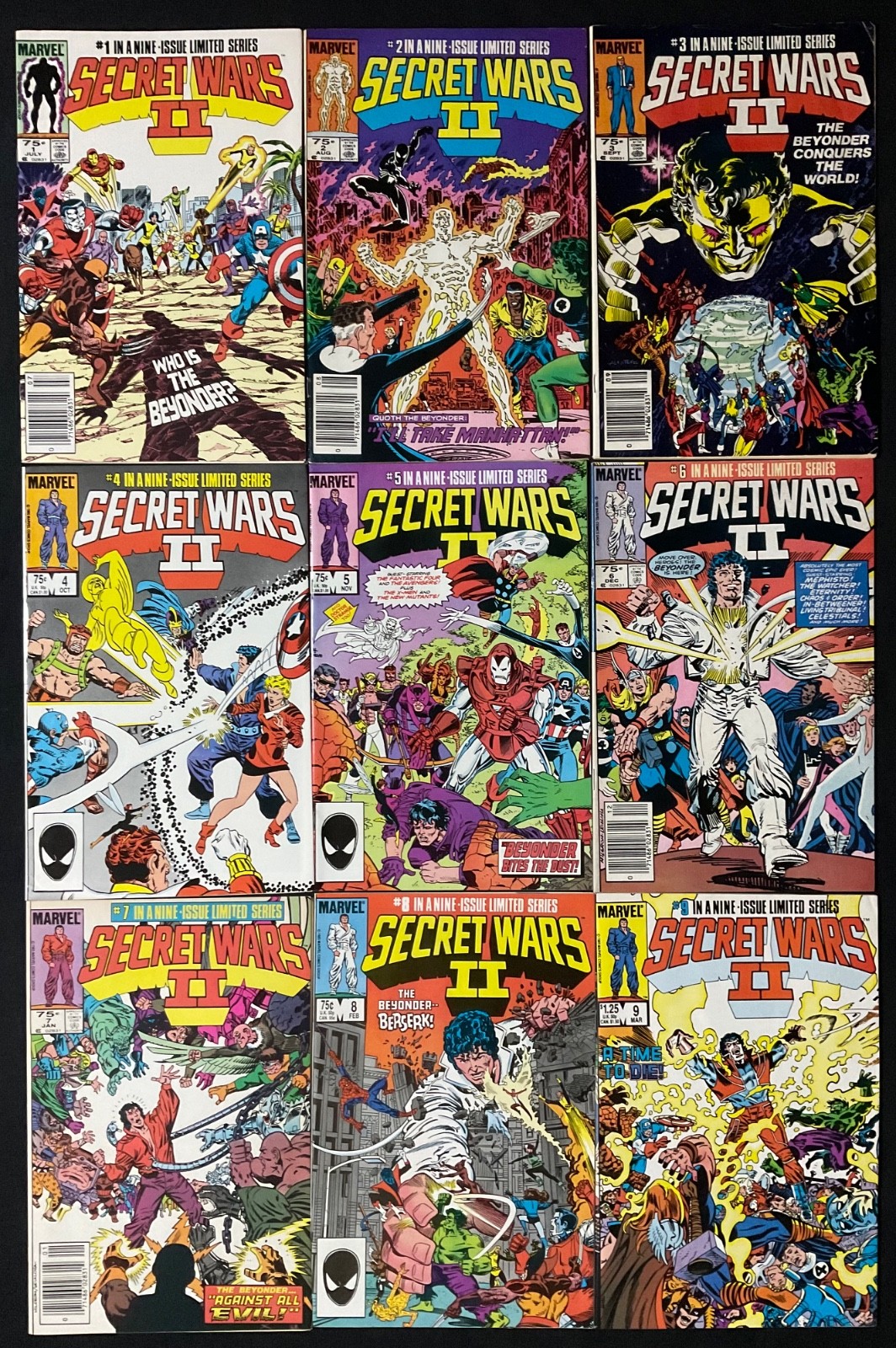
Marvel Secret War

Marvel Secret War refers to two distinct storylines: the 1984 crossover limited series (often confused with 2015's Secret Wars) and the 2004 Brian Bendis/Gabriele Dell'Otto espionage miniseries. The primary trade-off is between collecting the original single issues (flimsy newsprint, spine ticks, high-grade scarcity) and modern collected editions or digital access. The clear rule: buy the 2004 series as a complete TPB or hardcover for reading; chase high-grade 1984 singles only with full grader notes and return rights.

Buying guide image
Football Cards

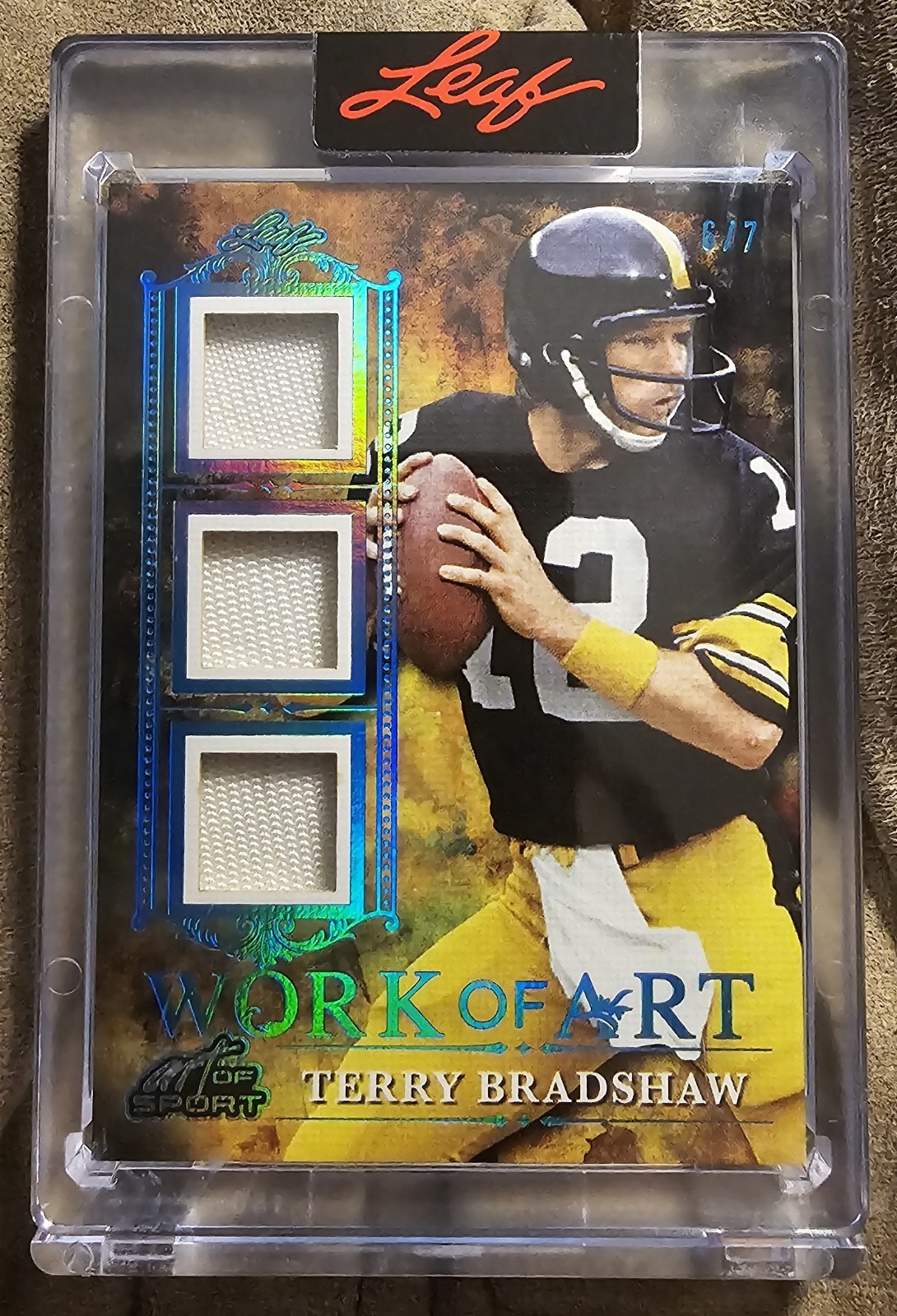
Sport Card Pro

Sport Card Pro covers the premium tier of football card collecting, where value is driven by serial-numbered scarcity, patch/memorabilia quality, and on-card autograph authenticity rather than base-card volume. The core trade-off is paying for low print runs and genuine game-used material versus accepting sticker autos and high-numbered parallels. The decision rule: buy SSP (print run under 10) patch or on-card auto cards from established brands like Leaf Art of Sport for investment-grade durability, and skip unnumbered relics or sticker-signed parallels if long-term value matters.

Buying guide image
Comic Books & Issues

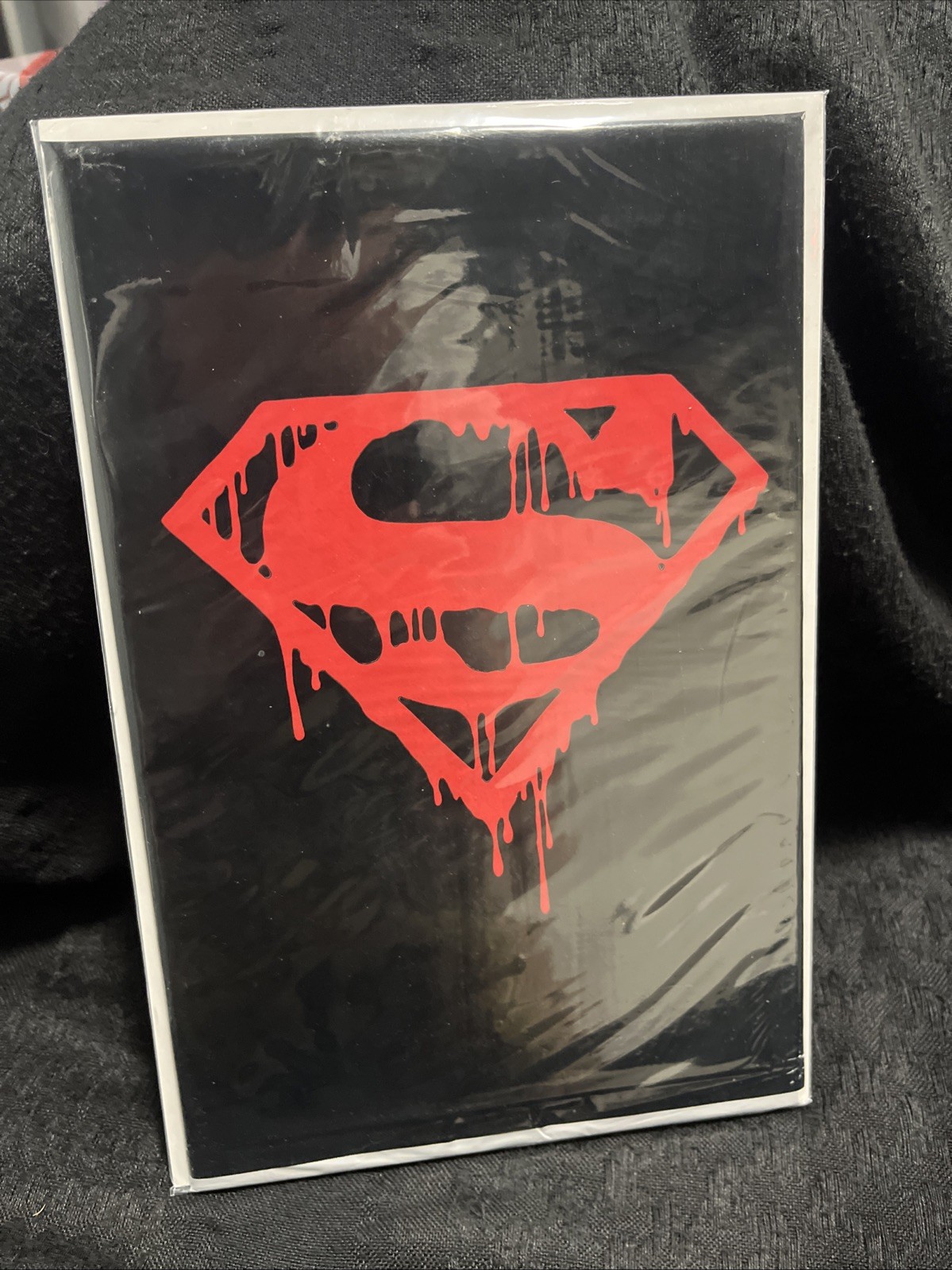
Death Superman Comic

The 'Death of Superman' comic refers to the 1992-1993 DC event storyline, most famously the sealed black-bagged Superman #75 (1993) that concluded the saga. The primary buying trade-off is between sealed, untouched collector copies with provenance and opened or later reprint editions, which differ sharply in preservation, authentication risk, and resale durability. The decision rule: buy only sealed, first-print Superman #75 with intact black bag and unbroken DC logo for investment-grade collecting; choose opened or collected editions for reading copies.

Buying guide image
Football Cards

Sport Card

Sports cards are collectible trading cards featuring athletes from football, baseball, basketball, and hockey, spanning base rookies to autograph memorabilia patches. The core trade-off is print scarcity versus condition: serial-numbered short prints and authenticated grades hold value, while mass-produced base cards and raw ungraded singles are commodity items. The decision rule is simple—buy slabbed or serial-numbered cards from recognized brands when investing, and raw base or low-end inserts only for personal player collections.

Buying guide image
Comic Books & Issues

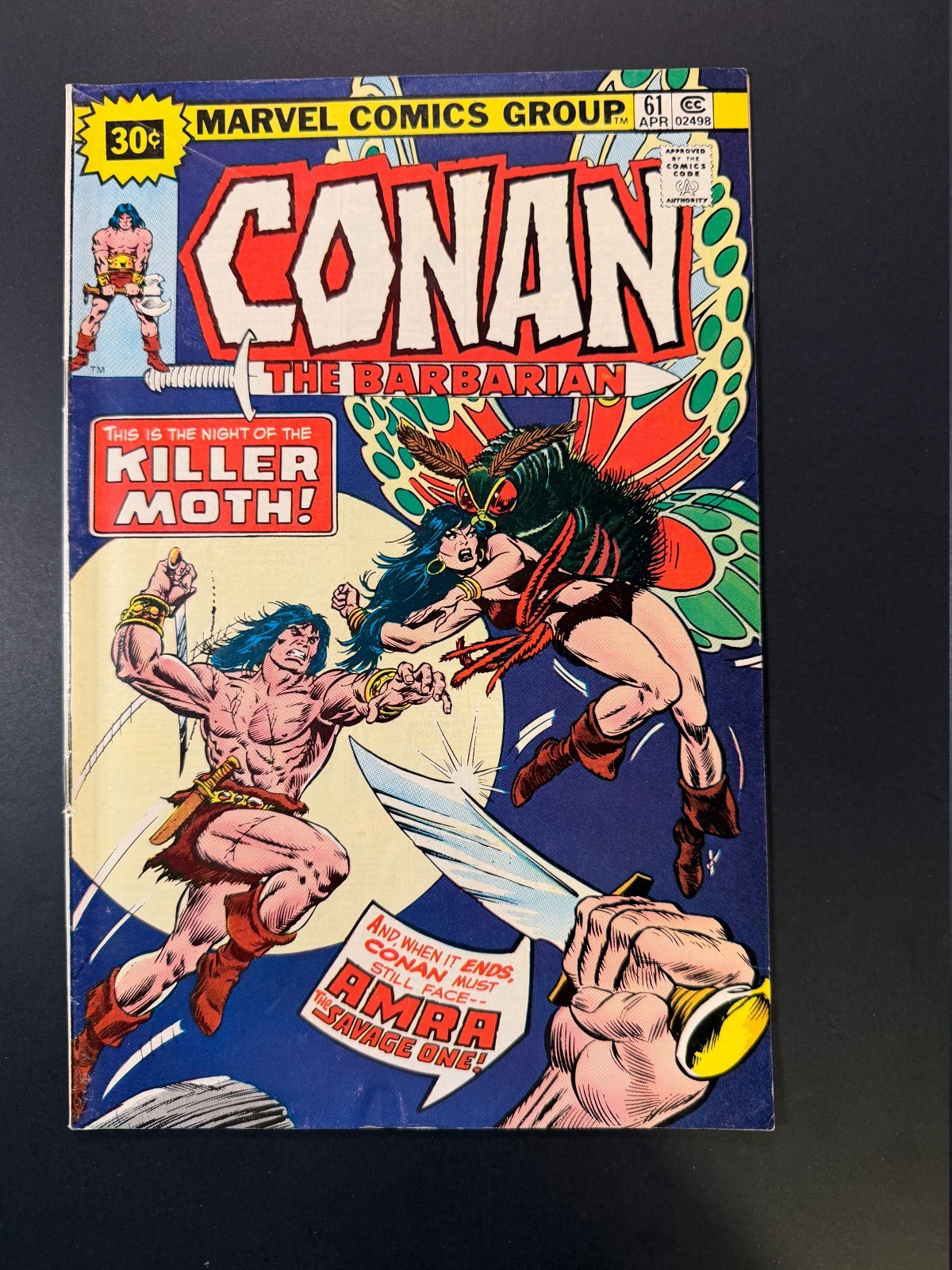
Conan Barbarian Comic

Conan the Barbarian comics span Marvel's original 1970–1993 run, Dark Horse's 2003–2018 licensed era, and Marvel's 2019–2021 reacquisition, so the core trade-off is licensed continuity versus print scarcity. Bronze-Age Marvel issues (especially #1–#24 by Barry Windsor-Smith) carry the strongest collector demand and highest paper/cover fragility, while modern Dark Horse and Marvel runs offer sturdier production and cheaper entry. The decision rule: buy key Bronze-Age runs slabbed or high-grade raw with verified spine/cover integrity, and buy modern runs raw or in omnibus for reading.

You may also like

Finding more guides for you…