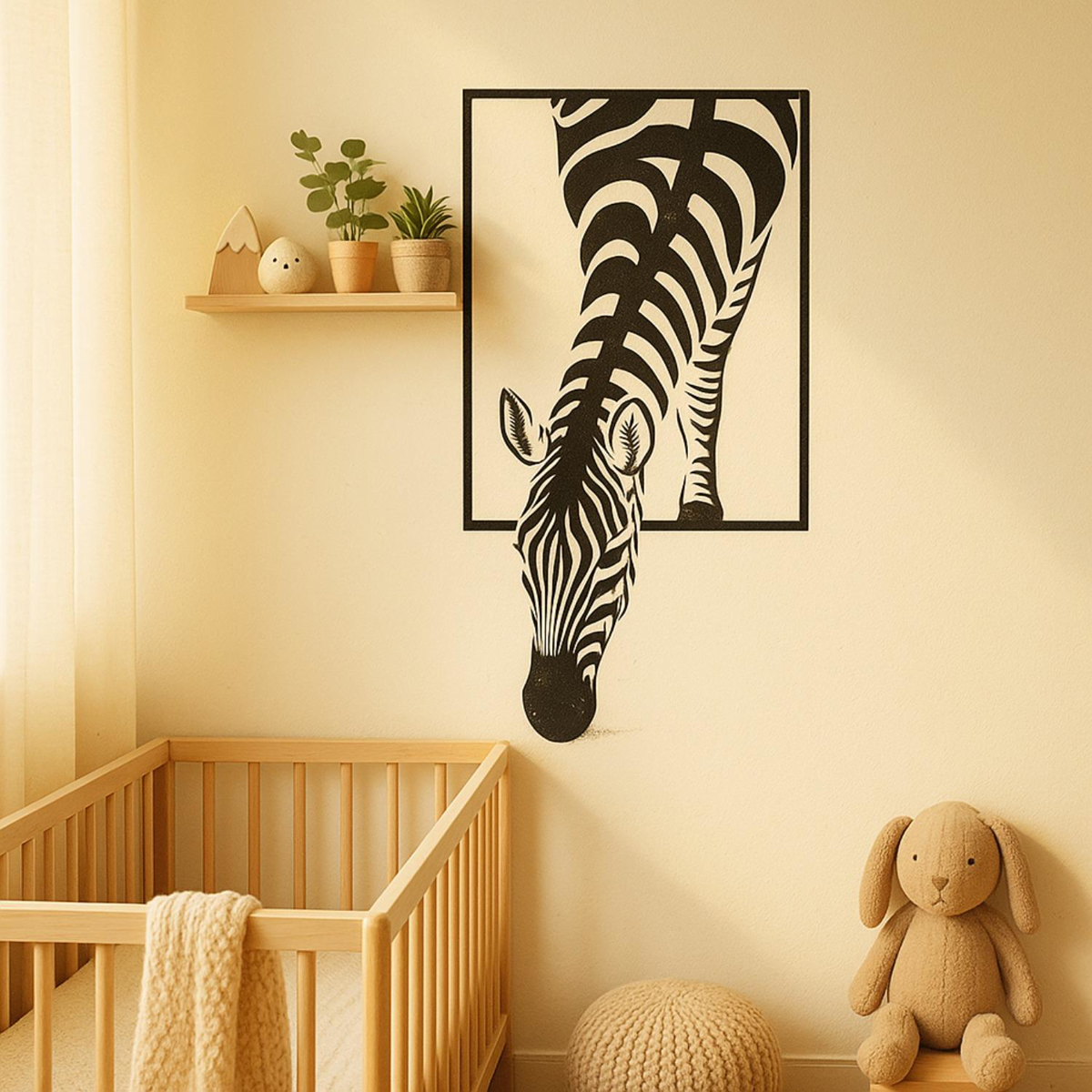

Photos from current listings. Actual item, color, and included accessories may vary.
Animal Print Wall Art Buying Guide
Animal print wall art spans two distinct product classes: decorative canvas or paper prints featuring animal motifs (zebra, leopard, wildlife) and sculptural metal wall pieces shaped like animals. The core trade-off is substrate and framing quality — cheap unframed paper curls and fades, while metal or properly framed prints hold shape and color for years. Buy framed or metal if the wall gets direct light or handling; buy unframed paper only for temporary or low-traffic displays.
At a glance
- Category
- Art Prints & Posters
- Last updated
- Nov 23, 2026
Current offers
Highlights
- Metal wall art is typically laser-cut 1–2 mm steel or aluminum with powder-coat finish; thicker gauge resists bending and holds shadow lines better than thin stamped sheet.
- Paper prints below 200 GSM wrinkle and yellow; 250–300 GSM archival matte paper with pigment inks is the durability threshold for long-term display.
- Framed gallery sets usually use MDF or polystyrene frames with acrylic glazing; glass glazing offers better clarity but ships heavier and chips at corners.
- Canvas prints are stretched over pine or MDF stretcher bars; 1.25–1.5 inch gallery-wrap depth reads as premium, while 0.75 inch looks flat on large walls.
Best use cases
- Best fit: a black-and-white zebra or wildlife print in a metal or framed format for a living room or office accent wall — skip unframed thin paper in bright sun.
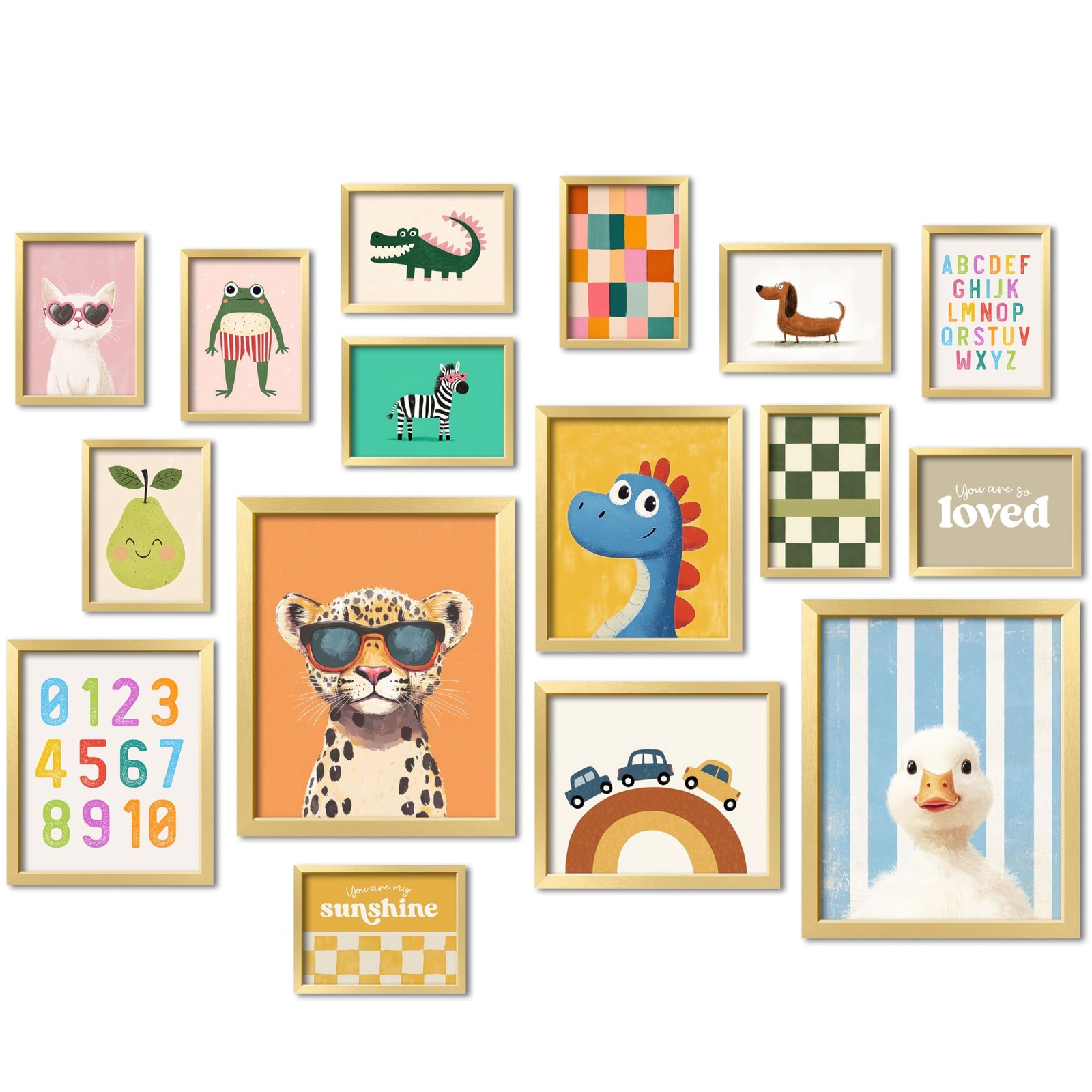
- Best fit: a multi-piece framed kids' animal gallery set for a nursery or playroom — pick matching frame finishes and consistent print sizes across the grid.
- Wrong fit: bare paper posters taped directly to painted drywall in humid bathrooms or kitchens — moisture buckles paper and loosens adhesive; choose sealed metal or acrylic instead.
- Wrong fit: oversized single metal animal silhouettes on a small accent wall — scale the piece to 60–75% of the wall's usable width to avoid a cramped look.
Buying tips
- Match print size to wall: a single statement piece should span 60–75% of the furniture or wall width beneath it; gallery sets should total that width across the grid.
- For metal art, confirm mounting hardware is included and rated for the piece's weight; hollow-wall anchors are mandatory on drywall, while stud mounting suits pieces over roughly 10 lbs.
- Choose archival pigment inks on 250+ GSM paper for fade resistance; dye-based inks on thin paper degrade within a few years in indirect sunlight.
- For gallery sets, verify all frames share the same outer dimensions and hanging template; mismatched sizes or missing templates create uneven gaps and extra drilling.
Specs
| Substrate Type | Paper, canvas, or metal cutout |
|---|---|
| Paper Weight | 200–300 GSM archival matte |
| Metal Gauge | 1–2 mm powder-coated steel/aluminum |
| Framing Format | Unframed, framed set, gallery wrap |
Related searches
What to check before buying
- Measure the wall's usable width and height, then subtract furniture height (sofa back, console top) to set the art's bottom edge 6–10 inches above it.
- Check wall substrate: drywall needs hollow-wall anchors for metal pieces; plaster or brick requires masonry bits and appropriate plugs.
- Confirm frame or canvas depth clearance behind doors, shelves, or curtains, and that the hanging wire or bracket sits within the frame's top rail.
- For kids' rooms, verify acrylic glazing rather than glass and rounded or covered frame corners to reduce injury risk.
FAQ
Data sources: eBay / Amazon listings and product attribute feeds. Updated Nov 23, 2026.
Some links on this page are affiliate links. If you buy after clicking one, we may earn a commission at no extra cost to you. This does not change which products appear here or their order. Affiliate disclosure.