CurioShelf Guide

CurioShelf Guide

Collectibles & Art Reviews & Buying Guides

Compare collectibles & art by use case, features, trade-offs, price, returns, and seller terms before you buy.

Buying guides

Buying guide image
Baseball Cards

Shohei Ohtani Card

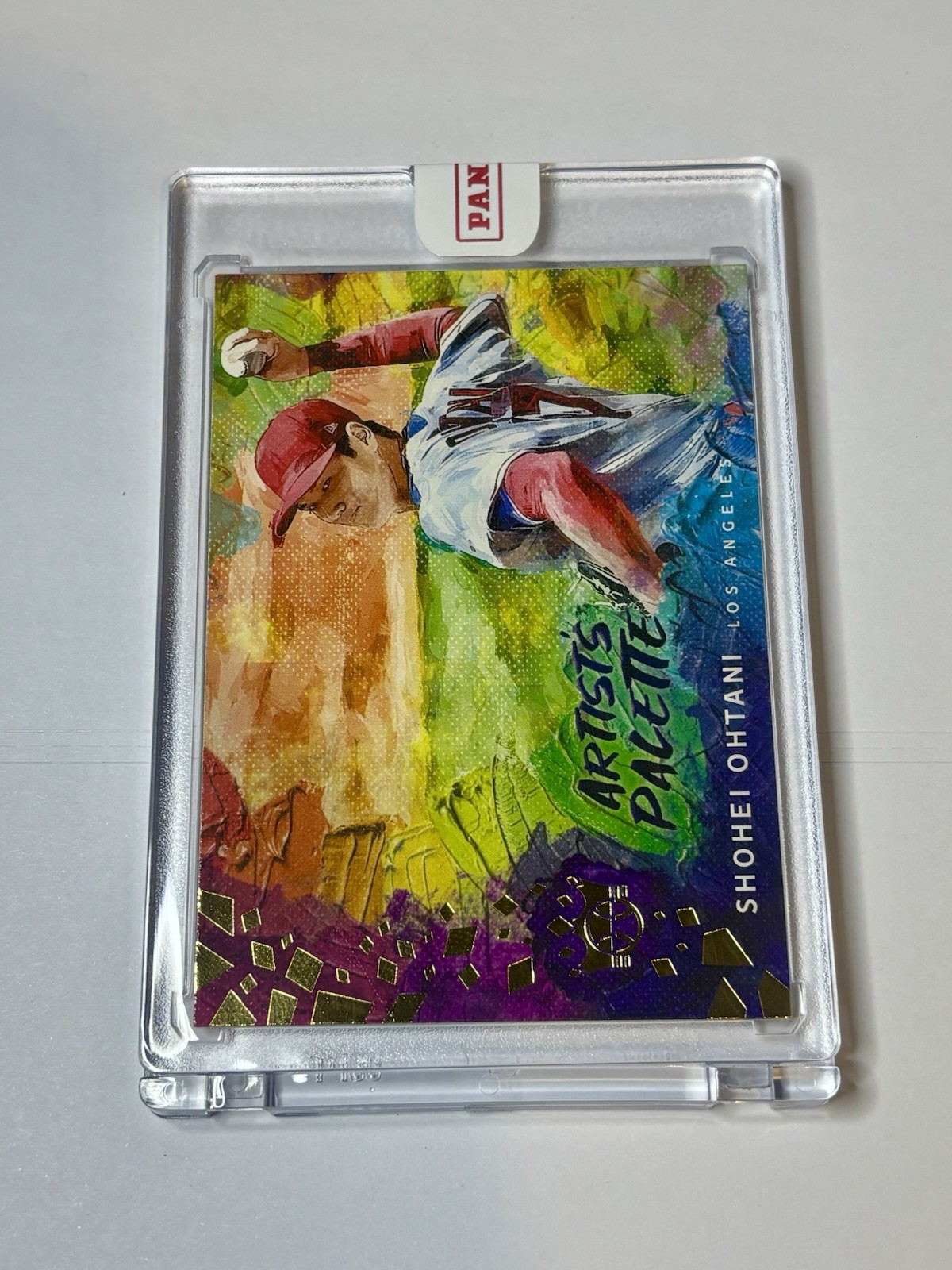
Shohei Ohtani cards span licensed rookie-year issues, modern flagship parallels, and unlicensed novelty/art displays with wildly different liquidity and long-term value. The core trade-off is licensed provenance and graded condition versus decorative art cards that carry no official MLB or MLBPA license; the decision rule is simple—buy licensed flagship/rookie cards for investment, and treat encased art prints strictly as display pieces.
Buying guide image
Coins & Paper Money

Challenge Coin

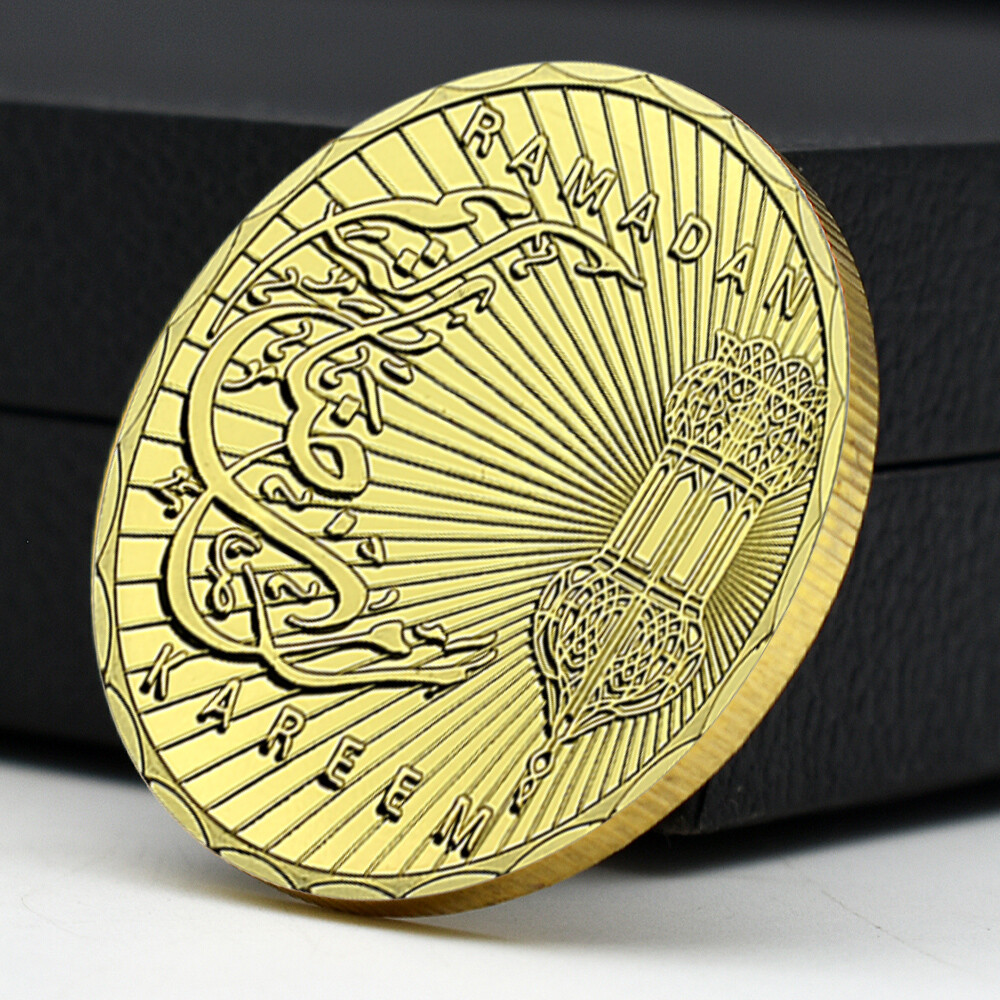
Challenge coins are collectible medallions with unit or event insignia, traded for morale and display rather than face value. The key trade-off is die-struck brass or zinc alloy with hard enamel versus soft enamel or printed blanks: struck metal holds crisp relief and heft, printed blanks look flat and wear fast. Choose die-struck 1.75-2 in coins from a mint for durability; treat thin printed novelties as ornaments, not keepsakes.

Buying guide image
Comic Books & Issues

Batman Comic Art

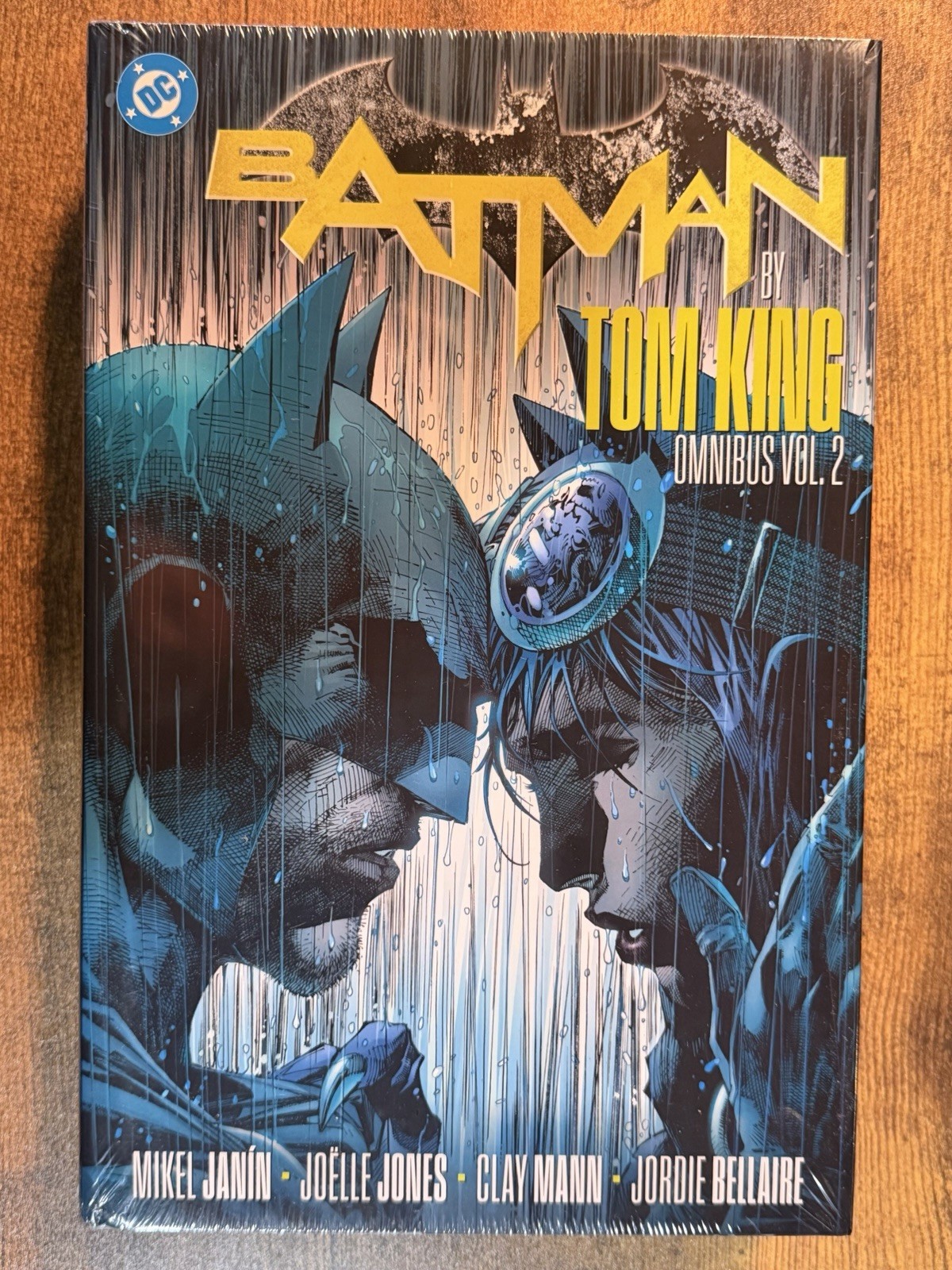
Batman comic art spans original interior pages, variant covers, and collected editions, with value driven by artist provenance, print rarity, and physical condition. The core trade-off is between raw single issues (high liquidity, condition-sensitive) and oversized hardcovers (durable, complete runs, lower per-page cost). Rule: buy slabbed or high-grade raw keys for investment, omnibus or artist editions for reading and display.

Buying guide image
Basketball Cards

Basketball Card Pack

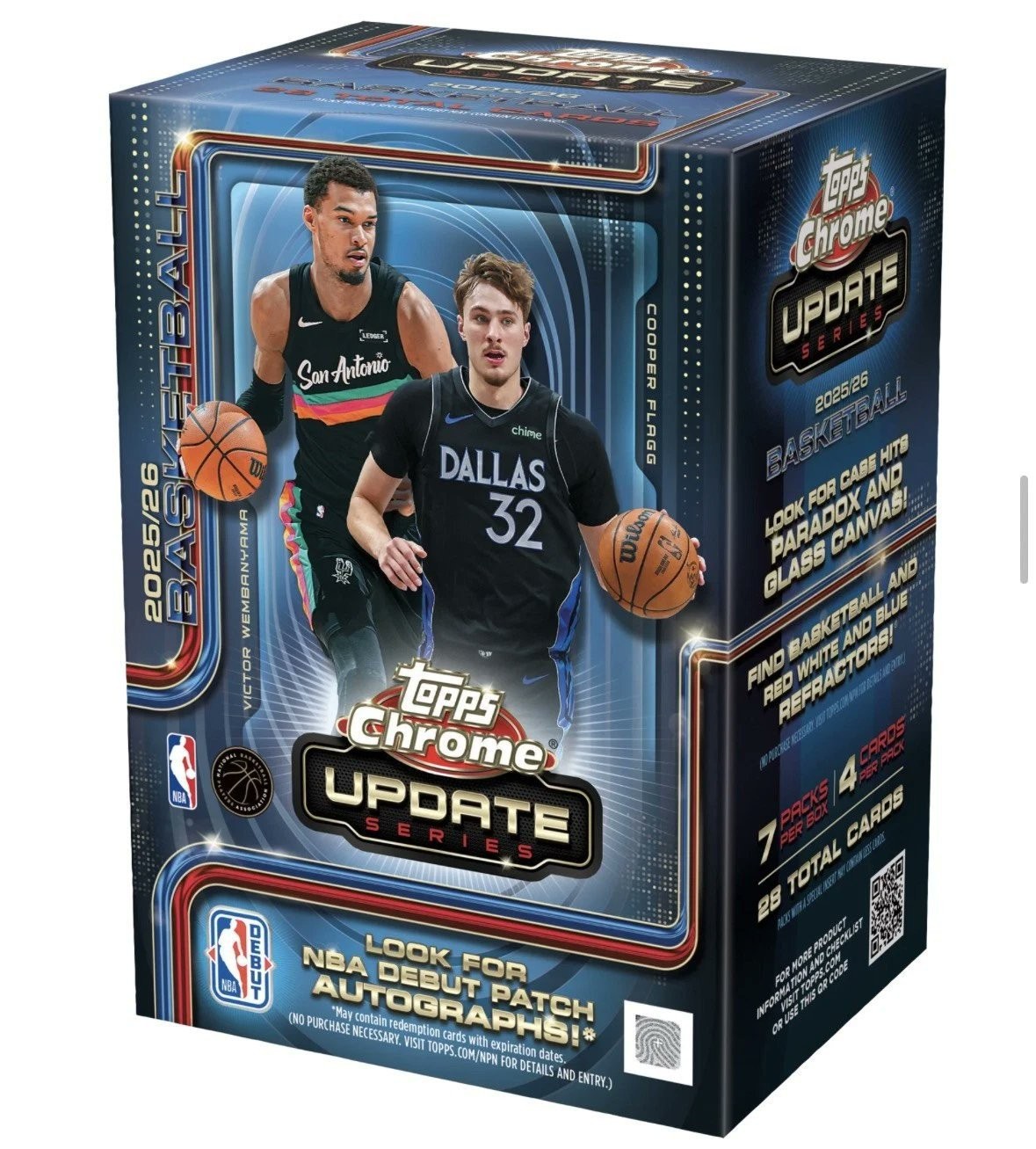
Basketball card packs range from factory-sealed retail packs with guaranteed hit ratios to repackaged 'hit packs' that mix base cards with inserted parallels or autos. The core trade-off is sealed factory provenance versus curated repack value: only manufacturer-sealed packs preserve official pack odds, rookie eligibility, and grading submission integrity, while repacks trade certainty for a chance at numbered or autographed cards. The decision rule is simple: buy factory-sealed retail/hobby product for collecting, grading, or resale; buy repacks only from established breakers with transparent hit guarantees and never treat them as investment-grade sealed product.

Buying guide image
Comic Books & Issues

Batman 89 Comic

The Batman '89 comic is a direct continuation of Tim Burton's 1989 film, published by DC Comics in 2021-2022 as a six-issue miniseries written by Sam Hamm with art by Joe Quinones. The core trade-off for buyers is physical format and cover variant: single issues offer original cover art and collectibility, while the collected trade paperback delivers the complete story in one durable, shelf-ready volume. The decision rule is simple: buy the collected edition for reading, buy first-print single issues only if you are a variant cover collector or completist.

Buying guide image
Comic Books & Issues

X Men 1 Comic

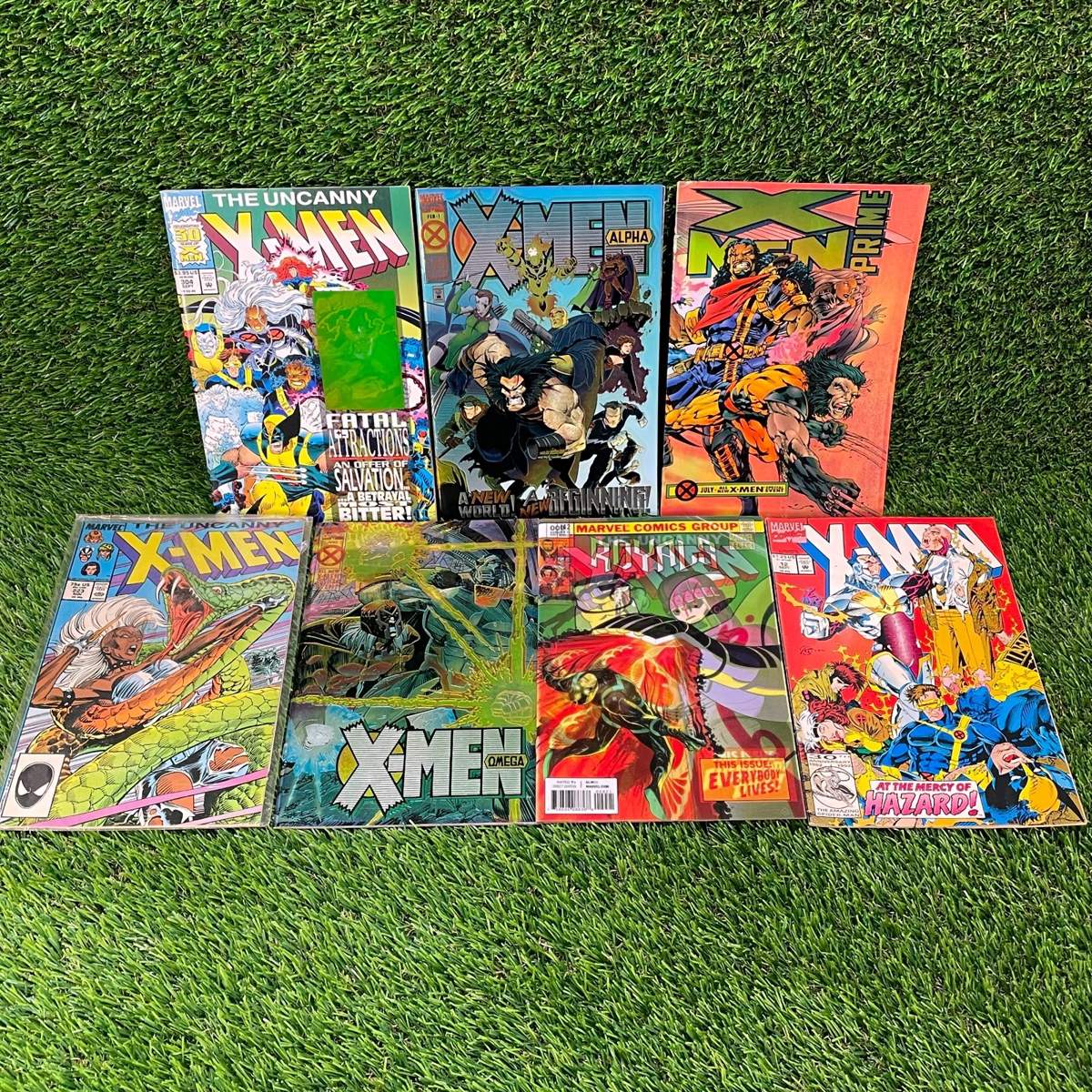
X-Men #1 refers to several landmark comic issues, most famously the 1991 Marvel series launch by Jim Lee and Chris Claremont, which set sales records with its five collectible covers. The core buying decision is not 'which story' but which exact printing, cover variant, and grade tier you are acquiring, because a raw reader copy, a high-grade newsstand edition, and a certified 9.8 signature series book are entirely different assets. The clear rule: buy the specific printing and cover variant you can identify by indicia and barcode, and skip any listing that cannot prove the printing or grade with interior and copyright-page photos.

Buying guide image
Pop Culture Collectibles

Stranger Thing Pop Figure

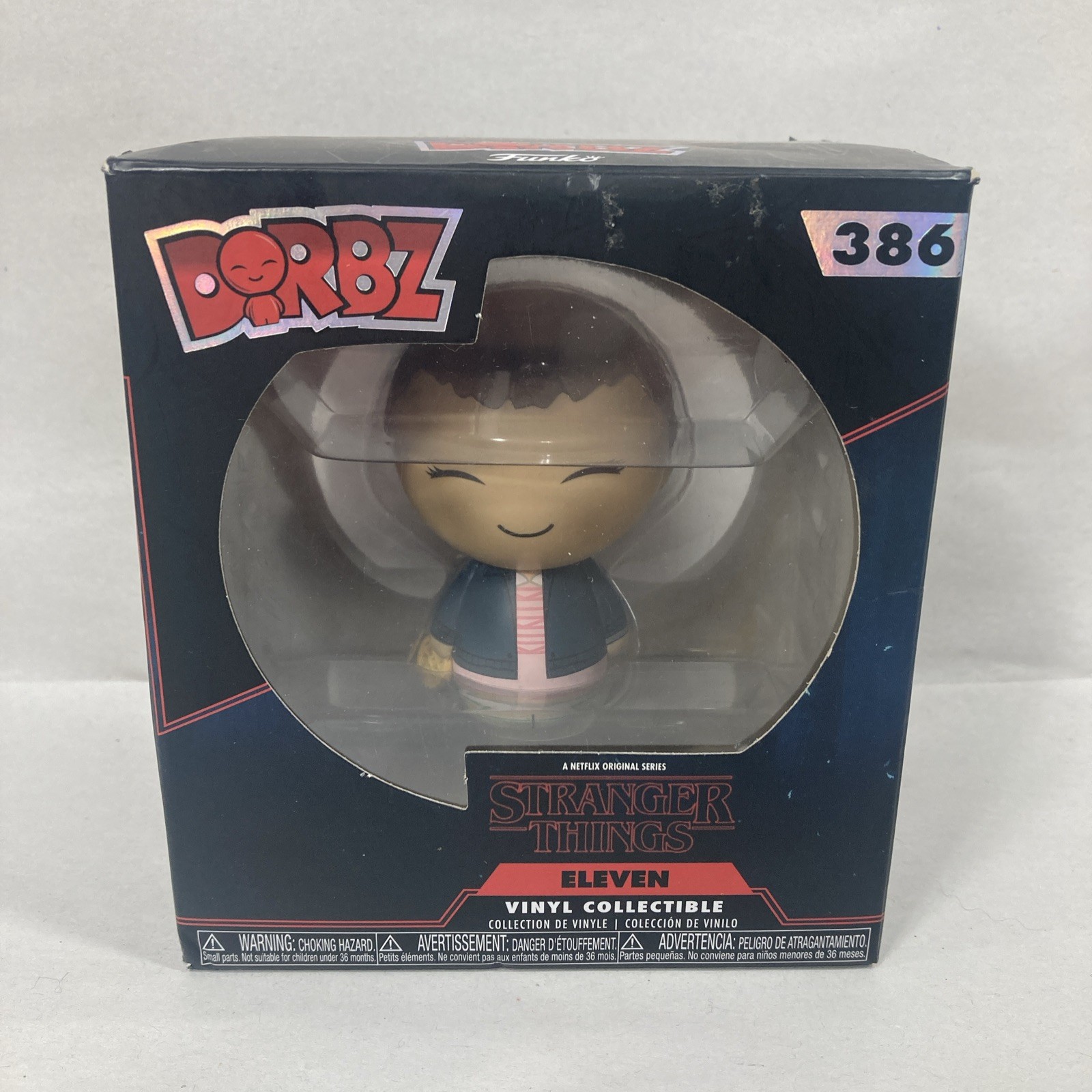
Stranger Things Pop figures are vinyl collectibles produced mainly by Funko, spanning standard 3.75-inch Pop! releases, larger 6-inch figures, and specialty lines like Dorbz and limited-run exclusives. The core buying trade-off is between mass-retail commons, retailer exclusives, and low-edition-number chase pieces, where box condition and edition size drive long-term collectible value more than the vinyl itself. The decision rule: buy commons for display, pay exclusives only for a specific character or mold, and treat numbered editions under 5,000 as collector-tier with protective storage.

Buying guide image
Comic Bags & Backing Boards

Comic Bag

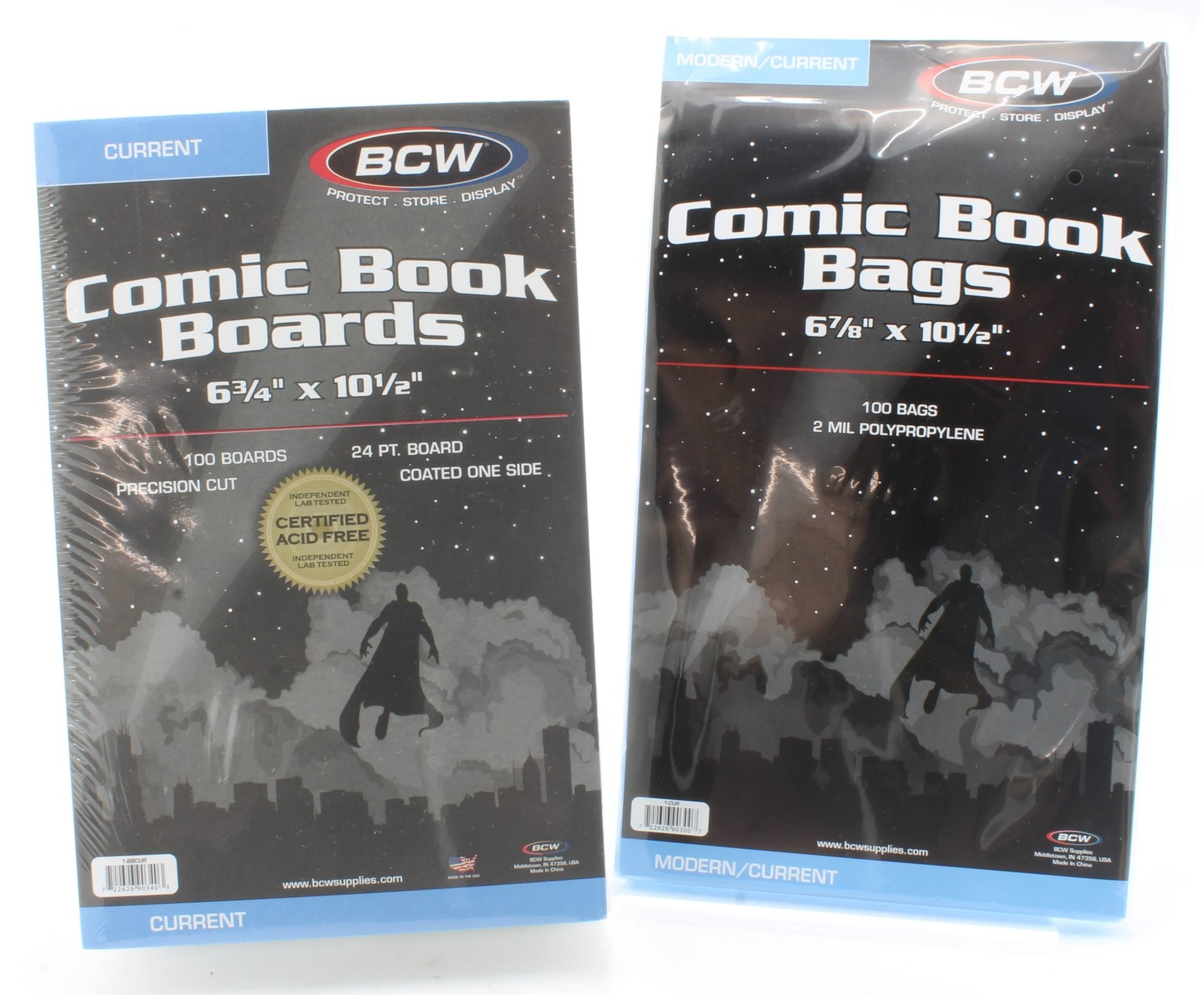
Comic bags are archival sleeves that protect comic books from handling, dust, and environmental degradation, with material choice (polypropylene vs. Mylar) being the primary trade-off between affordability and long-term preservation. Polypropylene bags are cost-effective for short- to mid-term storage, while Mylar (polyester) bags offer superior archival quality with inert, acid-free properties. The clear decision rule: choose polypropylene for budget-friendly, frequently accessed collections, and Mylar for valuable or long-term archived books where longevity and chemical stability are critical.

Buying guide image
Art Prints & Posters

Picasso Print

Picasso prints are reproduction wall art sold as giclée, lithograph, or open-edition posters, and the primary trade-off is between pigment-based archival giclée on cotton rag and cheap offset litho on thin paper that fades. The decision rule: buy giclée or seriolithograph reproduction with stated pigment inks and 200+ gsm paper for longevity; skip glossy 11x17 movie-poster offsets and unlisted-ink dropship prints if you want a decade-plus display.

Buying guide image
Comic Storage Boxes

Bcw Comic Book Bin

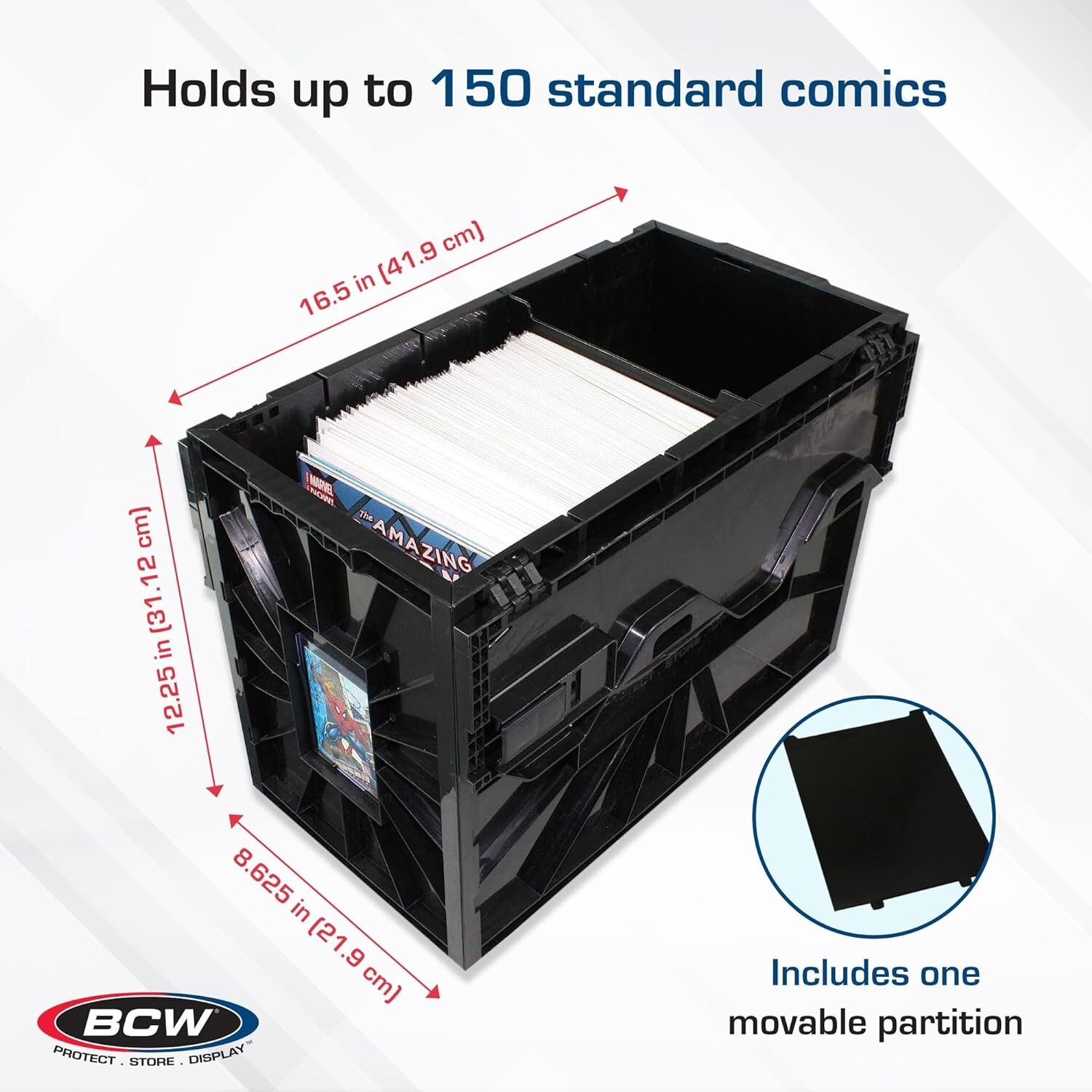
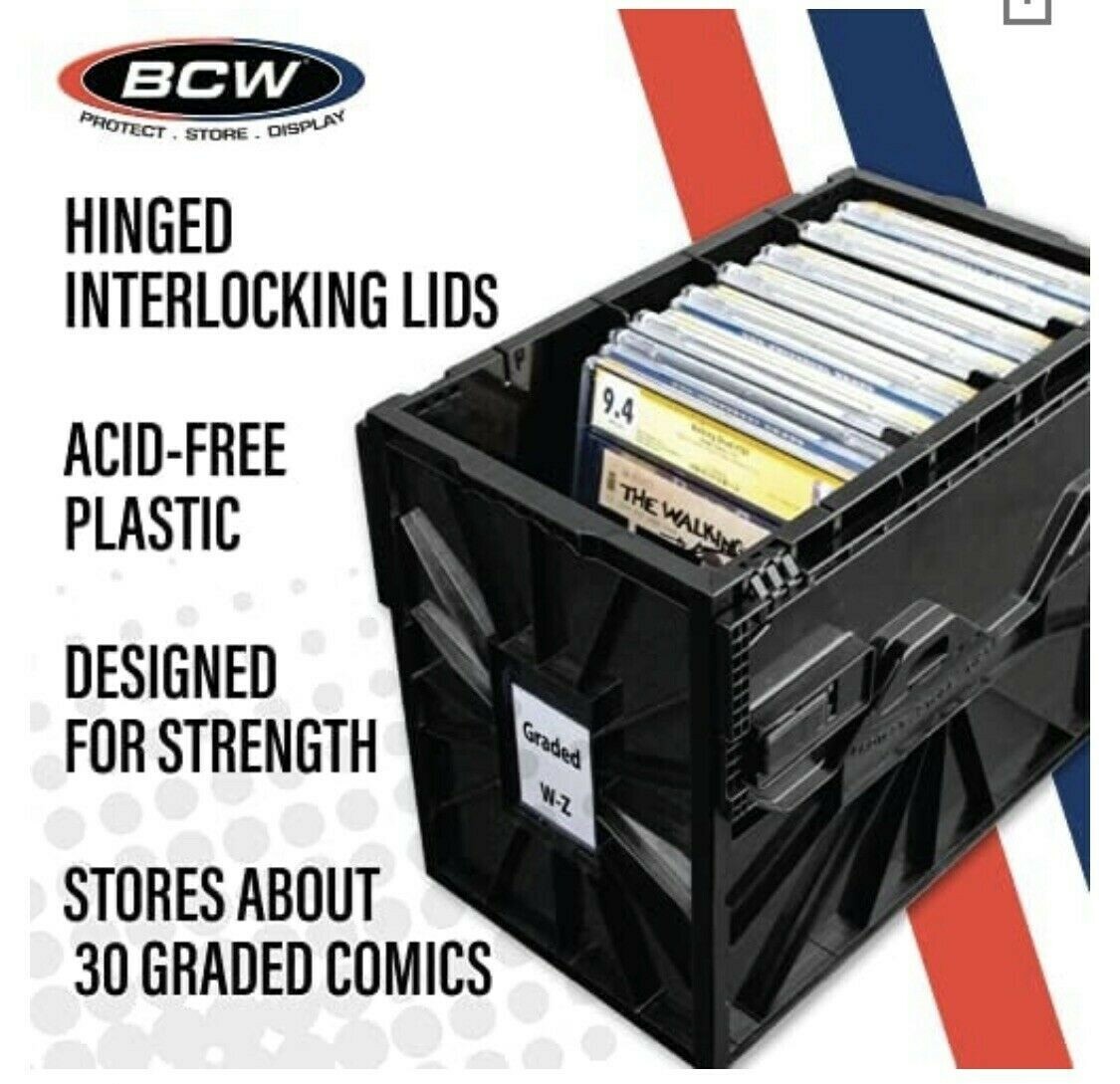
BCW comic book bins are rigid, acid-free plastic storage containers sold in Short, Long, and Graded/Certified formats, distinguished mainly by comic capacity and slab compatibility. The core trade-off is paying more for stackable, moisture-resistant polyethylene versus cheap corrugated cardboard that warps and off-gasses. Buy BCW plastic bins if you need long-term archival protection and stacking strength; skip them only for temporary or budget-only storage.

Buying guide image
Comic Storage Boxes

Comic Book Plastic Box

Comic book plastic boxes are rigid, stackable storage bins designed to protect bagged and boarded comics from moisture, pests, and handling damage. The core trade-off is molded-in acid-free, heavy-duty polymer with reinforced walls and interlocking lids versus thin, brittle, non-archival plastic that warps under load or off-gasses. Choose true archival-grade stackable bins with flat-reinforced bases and snug lids; skip flimsy totes or cardboard hybrids if the collection must survive decades and repeated stacking.

Buying guide image
Comic Storage Boxes

Bcw Comic Bin

BCW comic bins are rigid, stackable plastic storage containers offered in short (current-size) and long (silver-age/300-count) formats, plus a graded-slab variant for CGC/CBCS cases. The core trade-off is bin depth and interior geometry: short bins fit modern bagged boards tightly, while long bins hold roughly 300 bagged comics but sag under load if the plastic gauge is thin. Buy the format that matches your bag/board thickness and slab count, and reject any bin without acid-free, rigid-wall construction.

Buying guide image
Basketball Cards

Basketball Box

A basketball box is a sealed, factory-packaged quantity of trading cards from a single product release, and the core trade-off is configuration tier: retail/blaster boxes versus hobby boxes, which differ in guaranteed hits, parallels, and pack count. The decision rule is simple: buy hobby when guaranteed autographs or serial-numbered parallels matter, and buy retail/blaster only for base-set building or low-cost ripping.

Buying guide image
Comic Bags & Backing Boards

Silver Age Comic Bag Board

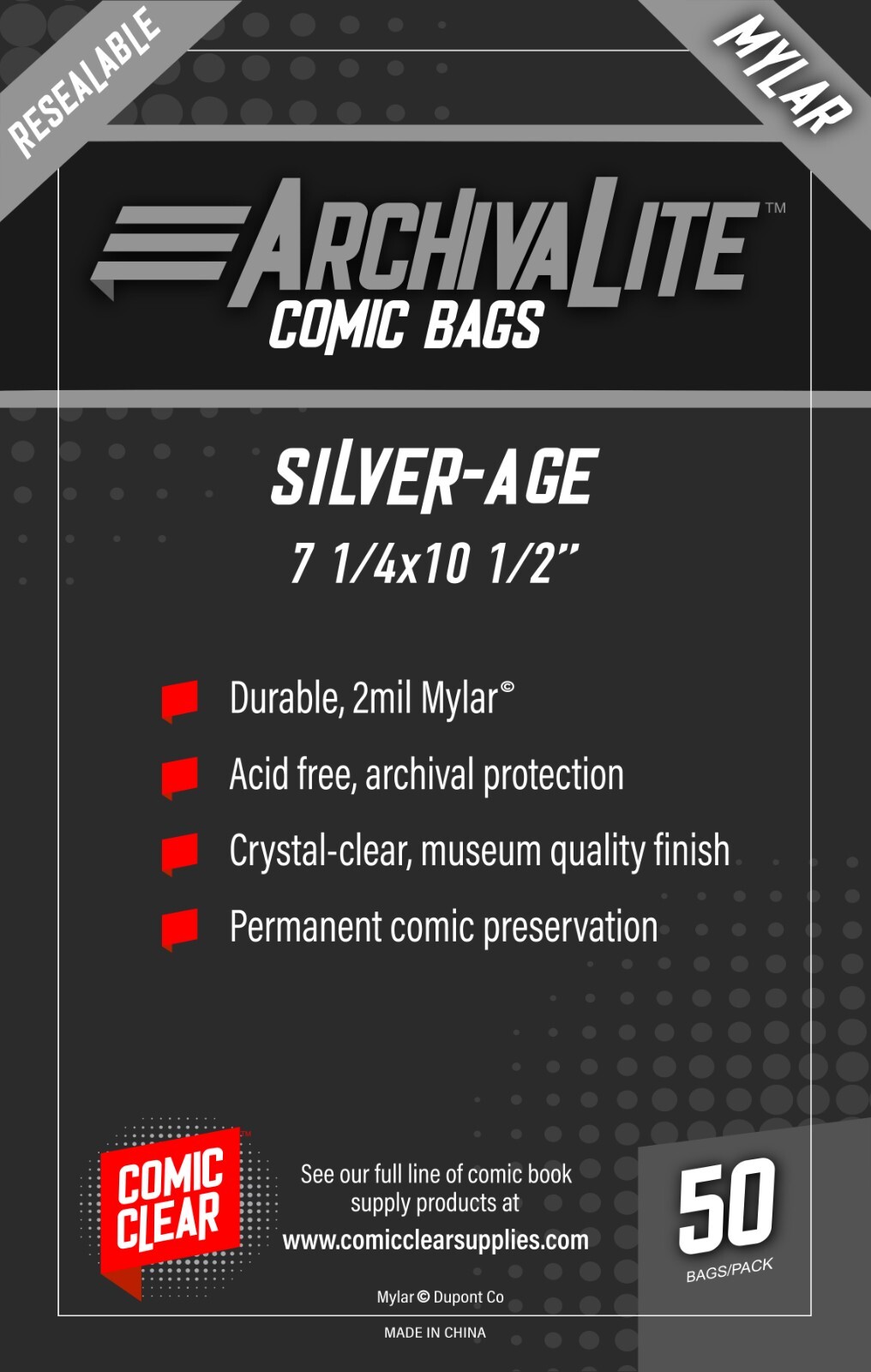
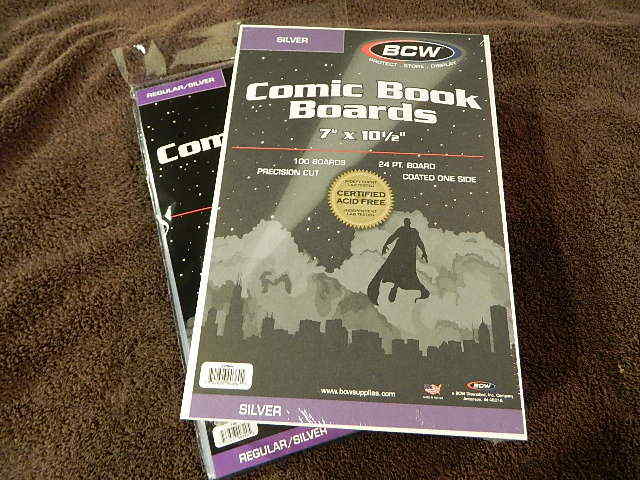
Silver Age comic bags and boards are archival storage sleeves paired with acid-free backing boards sized for comics published roughly 1956–1970, which are taller and wider than modern comics. The core trade-off is polymer clarity and archival purity versus board rigidity and thickness: polypropylene bags resist tearing but yellow less than polyethylene, while acid-free boards with buffering protect against migration but cost more than basic cardboard. The decision rule: buy bags explicitly labeled Silver Age with acid-free boards rated for long-term archival storage, and skip any bag/board combo that lists only 'comic size' without era-specific dimensions or acid-free certification.

Buying guide image
Comic Bags & Backing Boards

Bcw Bag And Board

BCW comic bags and boards are archival storage sleeves paired with acid-free backing boards, sold in 100-count packs across Modern, Silver Age, and Resealable formats. The core trade-off is bag material and closure type versus board thickness and era-specific sizing: polypropylene bags resist tears and moisture but are less crystal-clear than polyethylene, while resealable flaps eliminate tape but add bulk at the spine. Buy the era-matched size with a board thick enough to prevent curl; skip undersized or non-archival bags that crease covers and off-gas.

Buying guide image
Comic Bags & Backing Boards

Resealable Comic Bag

Resealable comic bags are archival sleeves with a fold-over adhesive strip, letting you reopen and reseal without tape. The key trade-off is material: polypropylene (PP) offers affordable, decent protection, while Mylar (polyester) provides superior long-term archival safety at a higher cost. Choose Mylar for permanent collections and PP for high-volume, frequently accessed runs.

Buying guide image
Comic Books & Issues

Graphic Novel

Graphic novels are long-form comics bound as trade paperbacks or hardcovers, and the primary trade-off is paper/ink quality and binding method versus page count and trim size. Durable sewn-and-glued hardcovers with acid-free paper outlast glued newsprint-adjacent softcovers, and the decision rule is simple: buy hardcover or quality softcover from established publishers for permanence, skip mass-market glued bindings if the book will be read repeatedly.

Buying guide image
Art Prints & Posters

Horror Movie Poster

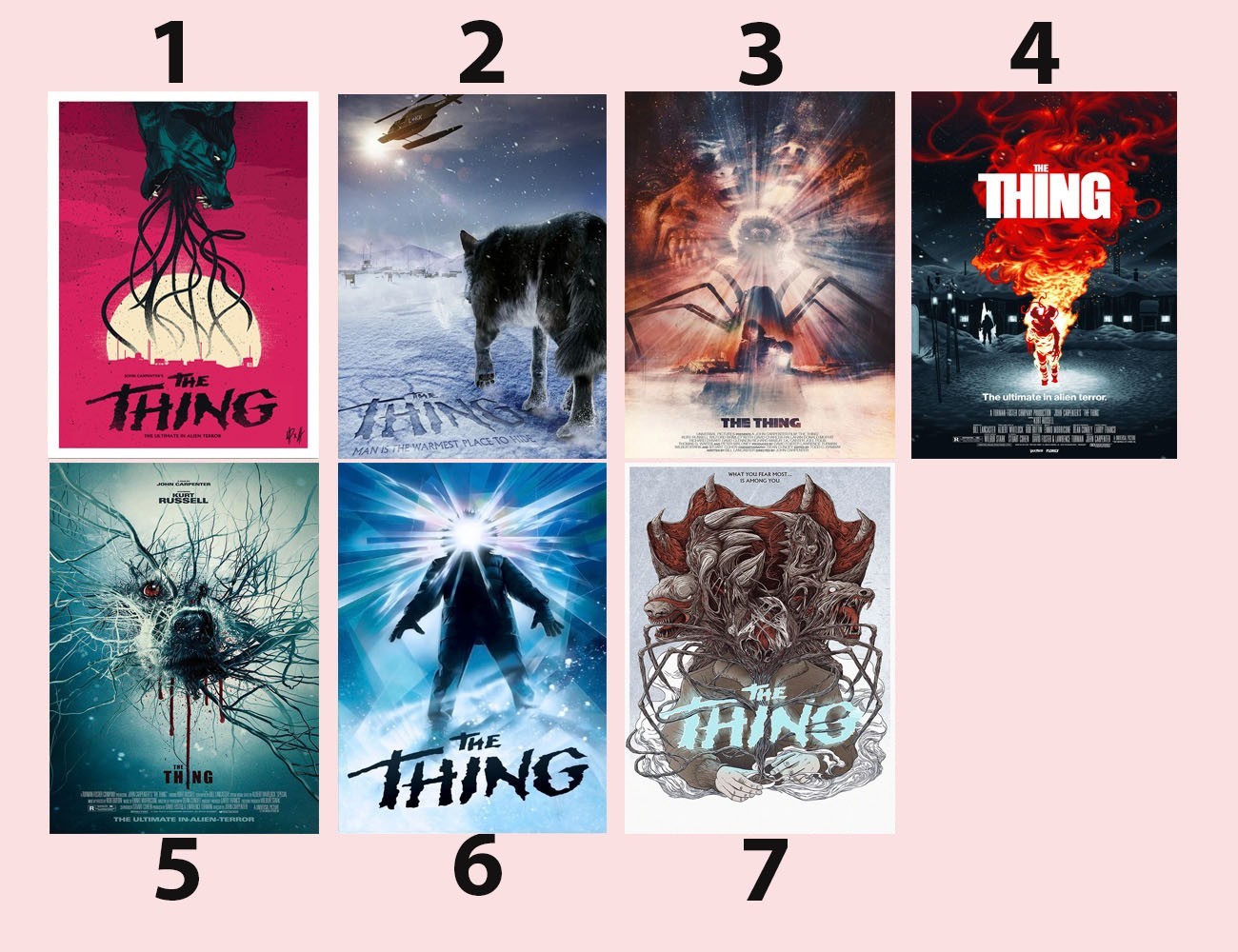
Horror movie posters are decorative art prints reproducing theatrical key art, vintage lobby cards, or original genre illustrations, and the primary trade-off is between cheap thin paper with faded ink and durable archival-grade materials or rigid metal signs. Choose acid-free heavyweight paper or coated metal for longevity, and skip lightweight poster paper if the print will face sunlight or handling.

Buying guide image
Football Cards

Football Hobby Box

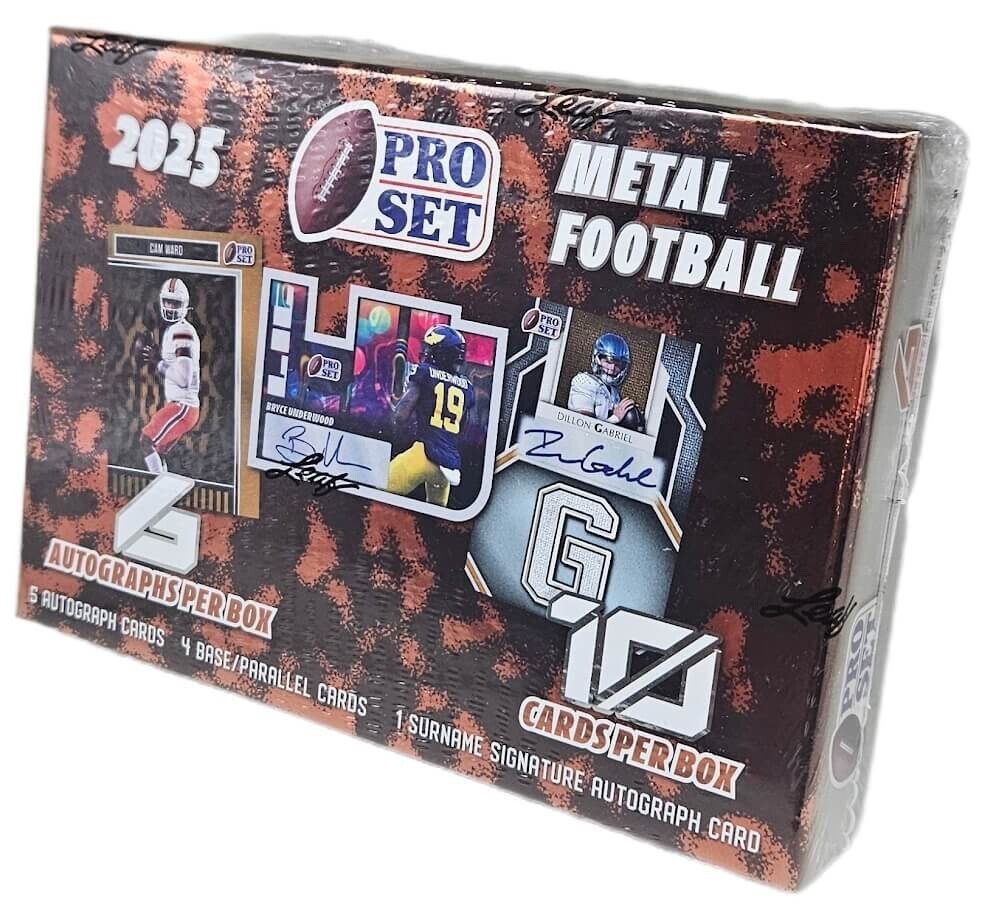
A football hobby box is a factory-sealed, guaranteed-hit product sold to collectors rather than retail blister packs, and the core trade-off is autograph/relic quantity and print run versus sticker price. The decisive rule: buy boxes that guarantee at least one on-card or low-print autograph and name the parallel tier structure, and avoid retail-style 'hobby' boxes that guarantee only base cards or sticker-only autos at inflated prices.

Buying guide image
Art Prints & Posters

Black Light Poster

Black light posters are fluorescent-ink or flocked prints designed to glow under UV (365–395 nm) light, not ordinary room lighting. The core trade-off is ink chemistry and substrate: true UV-reactive pigments on matte or flocked stock versus standard CMYK prints that merely look bright. Choose UV-reactive inks with a declared wavelength or flocked fiber density for genuine glow; skip any poster labeled only 'neon' or 'colorful' without UV specs.

You may also like

Finding more guides for you…