
Photos from current listings. Actual item, color, and included accessories may vary.
Weller Vase Buying Guide
Weller vases are American art pottery vessels produced by the Weller Pottery Company (Lancaster and Zanesville, Ohio, 1872–1948), valued for their hand-decorated glazes, raised-relief carving, and Arts & Crafts forms. The primary trade-off is between early hand-thrown, hand-painted lines (Louwelsa, Sicard, Bonito) and later molded, production-line lines (Woodcraft, Apple Tree, Hudson), which differ sharply in mold seams, glaze depth, and collector demand. The decision rule: buy hand-decorated Weller with crisp relief, clean mold lines, and intact glaze for lasting value; skip heavily crazed, chipped, or cold-painted pieces where decoration is surface-applied rather than fired in.
At a glance
- Category
- Antiques, Pottery & Glass
- Last updated
- Nov 23, 2026
Current offers
Highlights
- Louwelsa (1896–1920s) was Weller's first line and is hand-thrown and hand-decorated underglaze, making each piece unique but prone to crazing and glaze flakes.
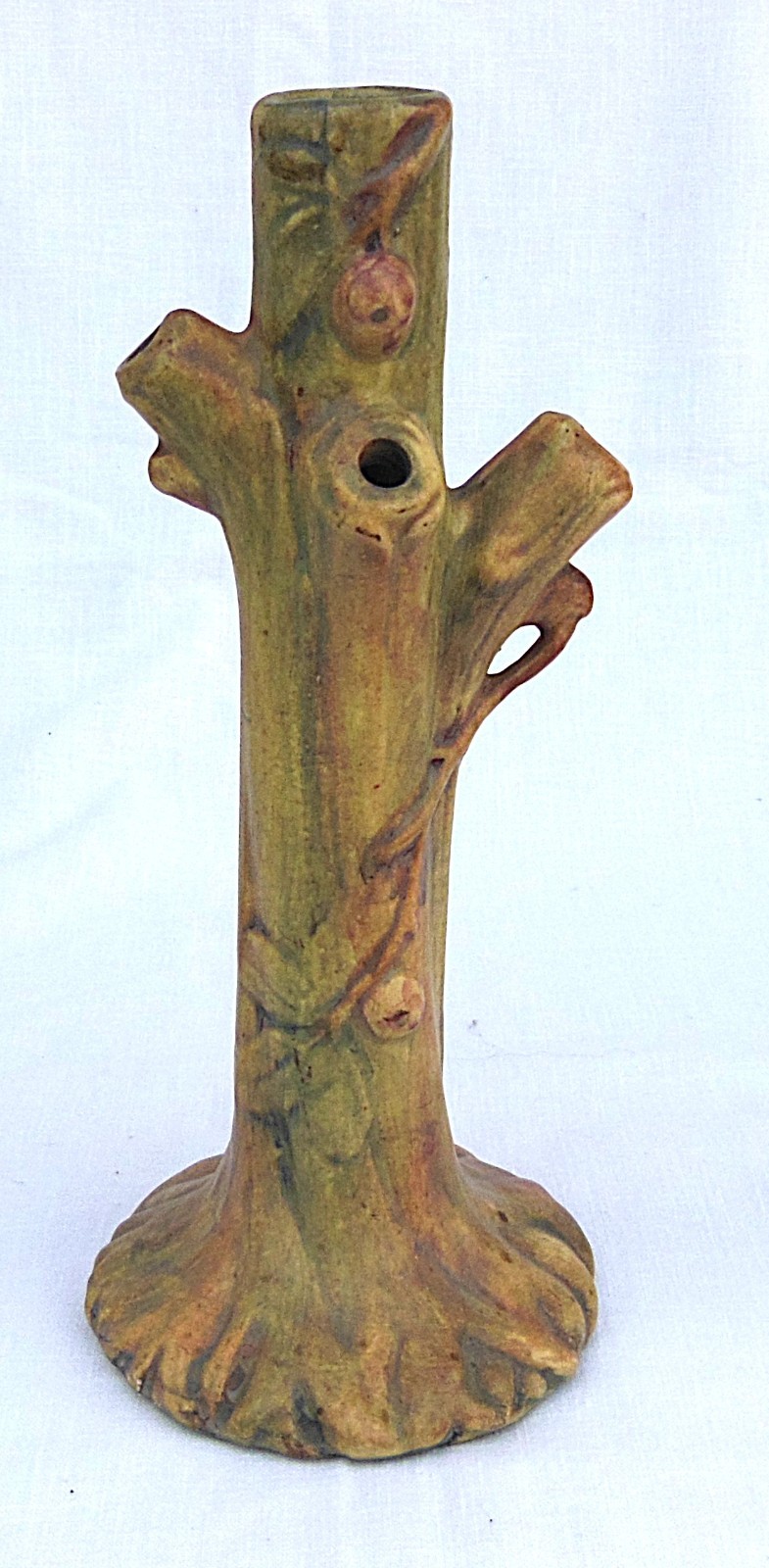
- Woodcraft and Apple Tree (1910s–1920s) use raised-relief molded decoration under a matte or semi-gloss glaze; crisp mold detail and unpolished seams indicate better casting quality.
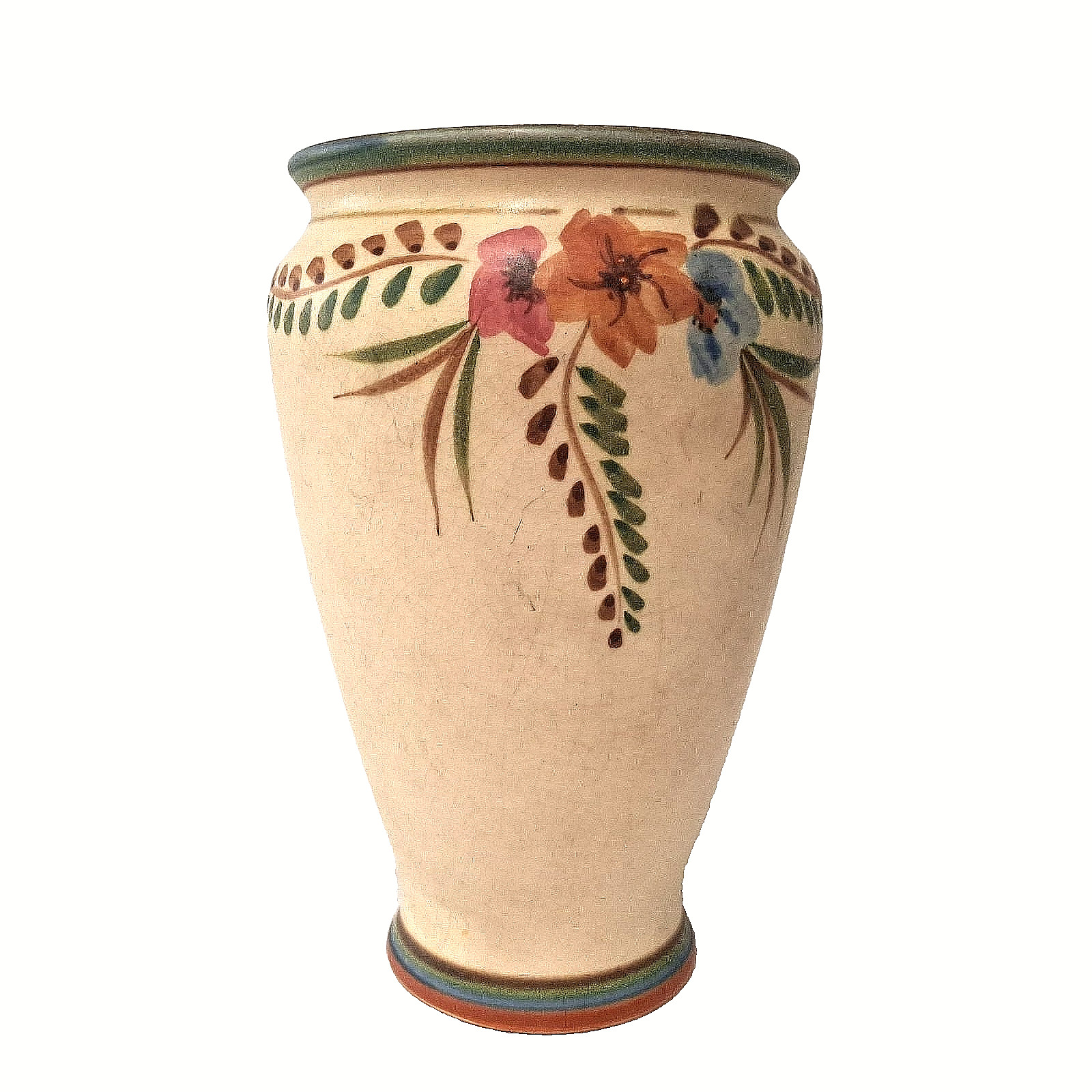
- Bonito (1910s–1920s) features hand-painted floral decoration over a matte glaze with incised lines, often with 'Weller' or 'Bonito' marks on the base.
- Base marks matter: early pieces may be incised or stamped 'Weller' or 'Weller Pottery', while later production uses paper labels or half-kiln stamps; unmarked pieces need form and glaze comparison.
Best use cases
- Best fit: a collector seeking a single display piece for an Arts & Crafts shelf should choose a Woodcraft or Apple Tree bud vase with sharp relief and no chips.
- Best fit: a buyer wanting a colorful, hand-painted accent for a traditional room should pick a Bonito vase with intact floral decoration and minimal crazing.
- Wrong fit: anyone needing a watertight, functional flower vessel should skip antique Weller unless the interior glaze is intact; many pieces are decorative only.
- Wrong fit: buyers expecting uniform, mass-produced perfection should avoid hand-decorated Louwelsa, where glaze pooling and throwing marks are inherent, not defects.
Buying tips
- Inspect mold seams: crisp, minimally sanded seams on Woodcraft/Apple Tree indicate early, higher-quality casts; heavy grinding signals later production.
- Check glaze crazing: fine crazing is common and acceptable, but dark-stained or flaking crazing means moisture penetration and reduced value.
- Verify the base mark: incised or stamped 'Weller' supports authenticity; paper labels are fragile and often lost, so unmarked pieces require form comparison.
- Measure height and rim: bud vases typically run 6–12 inches; confirm the rim is round and unchipped, since rim chips are the most common damage.
Specs
| Production Era | 1872–1948 (Ohio art pottery) |
|---|---|
| Decoration Type | Hand-decorated vs molded relief |
| Signature Lines | Louwelsa, Sicard, Bonito, Woodcraft |
| Base Mark | Incised/stamped/half-kiln/label |
Related searches
What to check before buying
- Measure your display shelf depth and height clearance; Weller bud vases often exceed 10 inches tall and need stable, deep shelving.
- Confirm the vase interior is glazed and watertight if you plan to hold fresh flowers; unglazed interiors can seep.
- Check for repaired cracks or filled chips under strong light; restoration dramatically lowers collector value.
- Match the piece's palette and style to your room: matte earth tones for Mission/Arts & Crafts, brighter florals for traditional decor.
FAQ
Data sources: eBay / Amazon listings and product attribute feeds. Updated Nov 23, 2026.
Some links on this page are affiliate links. If you buy after clicking one, we may earn a commission at no extra cost to you. This does not change which products appear here or their order. Affiliate disclosure.