
Photos from current listings. Actual item, color, and included accessories may vary.
Amazing Spider Man 11 Buying Guide
Amazing Spider-Man #11 refers to a specific issue number that has been published multiple times across different volumes and eras, so the primary buyer challenge is identifying which series, printing, and grade you actually need. The key trade-off is between raw reading copies and professionally graded keys, where condition and variant cover directly determine value and collectibility. The clear decision rule: match the volume and year first, then choose a low-grade reader or a high-grade slab only after confirming the exact cover and printing.
At a glance
- Category
- Comic Books & Issues
- Last updated
- Nov 23, 2026
Current offers
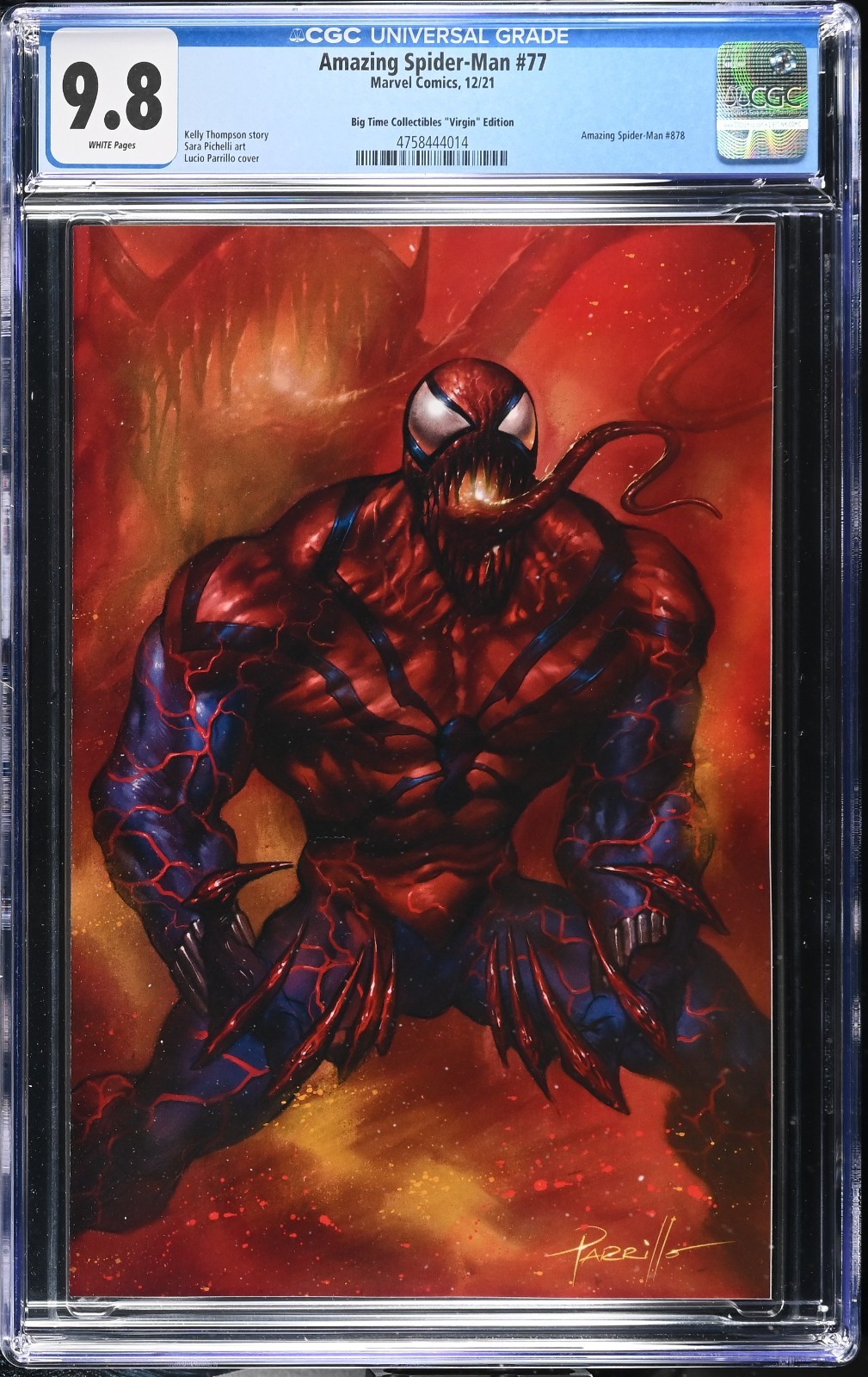
Highlights
- Volume matters more than issue number: Amazing Spider-Man #11 appears in Volume 1 (1964), Volume 2 (1999), and later relaunches, each with distinct covers and story arcs.
- Grade threshold: raw copies below Fine (6.0) are reader-only; graded 9.4+ or key issues (first appearances) command significant premiums regardless of volume.
- Printing identification: newsstand editions, direct editions, and variant covers change value; check the barcode box and cover artist credits before buying.
- Slabbed vs raw: CGC/CBCS slabs guarantee grade and authenticity but add cost and reduce handling; raw copies require your own condition assessment.
Best use cases
- Reading copy: choose a raw lower-grade (Good to Very Good) copy of any volume if you just want to read the story; skip slabbed copies to save money.
- Key issue investment: only pursue high-grade (9.2+) examples of Volume 1 #11 or confirmed first appearances; skip modern reprints unless they are variant covers you specifically collect.
- Complete run building: pick the exact volume and year you are collecting (e.g., 1999 Volume 2 #11) and buy mid-grade raw copies; skip other volumes that share the same issue number.
Buying tips
- Verify the volume and publication year in the listing title or copyright page: Volume 1 (1963-1998), Volume 2 (1999-2003), and subsequent relaunches all have an issue #11.
- Check the cover image against a comic database (Grand Comics Database or Marvel Wikia) to confirm the exact cover and variant before purchasing.
- For raw copies, request front and back cover photos plus interior page shots to assess spine ticks, creases, and page quality; avoid listings with only stock images.
- Graded slabs should show the certification number and label; verify the grade and label details on the grading company's lookup tool before buying.
Specs
| Volume/Era | Vol 1 (1964), Vol 2 (1999), modern relaunches |
|---|---|
| Key Issue Status | Vol 1 #11 minor key; later #11s common |
| Grade Range | Raw 2.0-9.8; slabbed 0.5-10.0 |
| Printing Variants | Newsstand, Direct, Variant covers |
Related searches
What to check before buying
- Confirm the exact volume and year (e.g., 1964 Volume 1 vs 1999 Volume 2) by cross-referencing the cover and copyright page.
- Measure your storage: standard comic bags and boards fit Silver/Bronze Age and modern sizes; slabbed copies require graded-size boxes.
- Check the seller's return policy and shipping method: comics should ship flat and rigid; avoid sellers who ship in envelopes.
- For international buyers, verify customs declarations and that the item is not restricted; slabs may incur higher shipping due to weight.
FAQ
Data sources: eBay / Amazon listings and product attribute feeds. Updated Nov 23, 2026.
Some links on this page are affiliate links. If you buy after clicking one, we may earn a commission at no extra cost to you. This does not change which products appear here or their order. Affiliate disclosure.