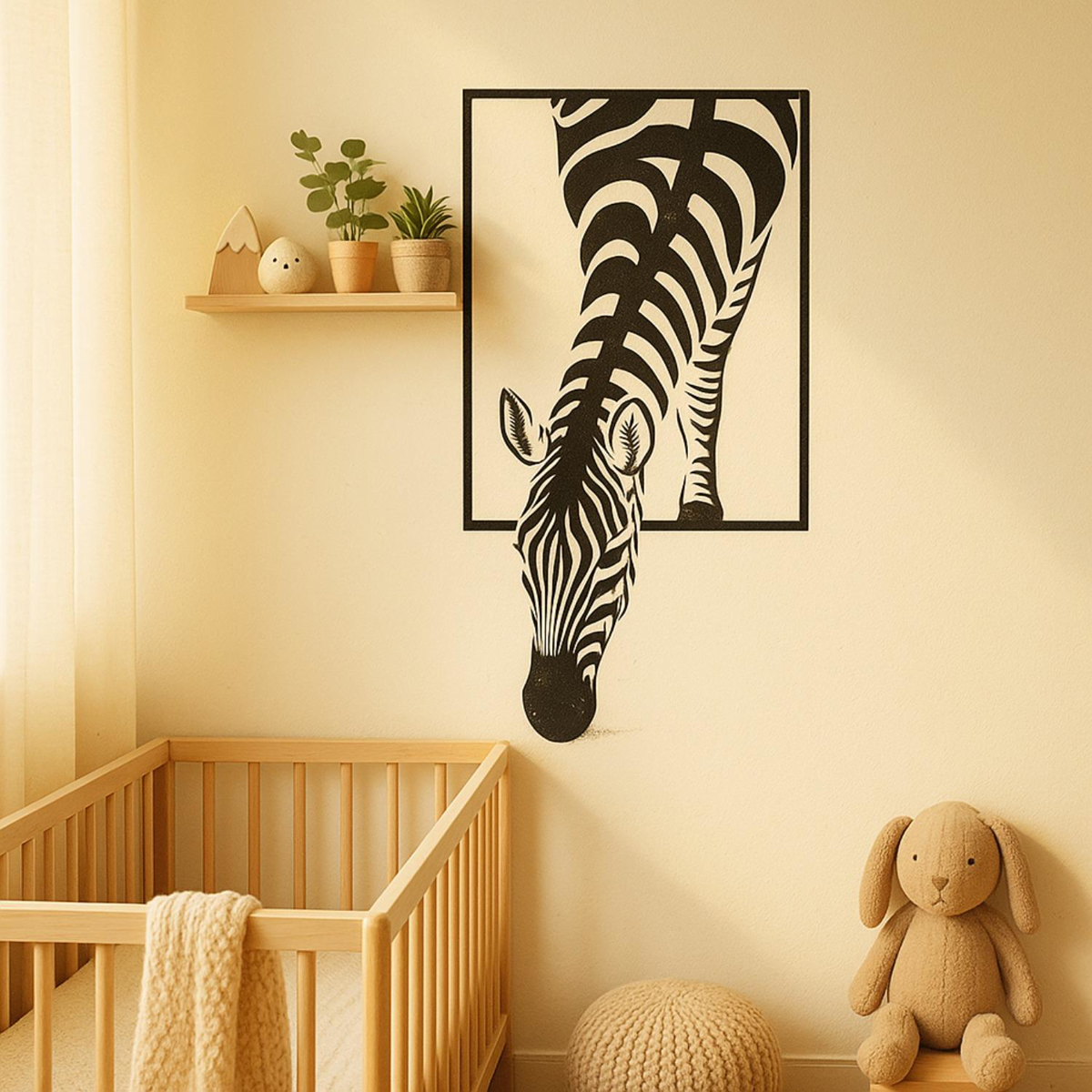

Photos from current listings. Actual item, color, and included accessories may vary.
Animal Print Buying Guide
Animal prints are decorative wall art featuring animal subjects or patterns, spanning fine-art giclée reproductions, open-edition posters, and multi-piece gallery sets. The core trade-off is substrate and framing quality: archival pigment inks on 200+ GSM cotton rag or heavy cardstock resist fading for decades, while thin glossy paper and plastic frames yellow, warp, or scratch within a season. The decision rule is simple: buy archival paper with pigment inks and solid wood or metal frames when the print must last; choose lightweight cardstock sets only for short-term, high-energy spaces like kids' rooms.
At a glance
- Category
- Art Prints & Posters
- Last updated
- Nov 23, 2026
Current offers
Highlights
- Archival giclée on 200–310 GSM cotton rag or alpha-cellulose paper with pigment inks lasts 75–100 years under glass; dye inks on thin paper fade in 1–3 years in direct sun.
- Framed multi-piece sets use 1.5–2 cm MDF or polystyrene mouldings with acrylic glazing; solid wood or aluminum frames with 2 mm+ glass resist warping and UV better.
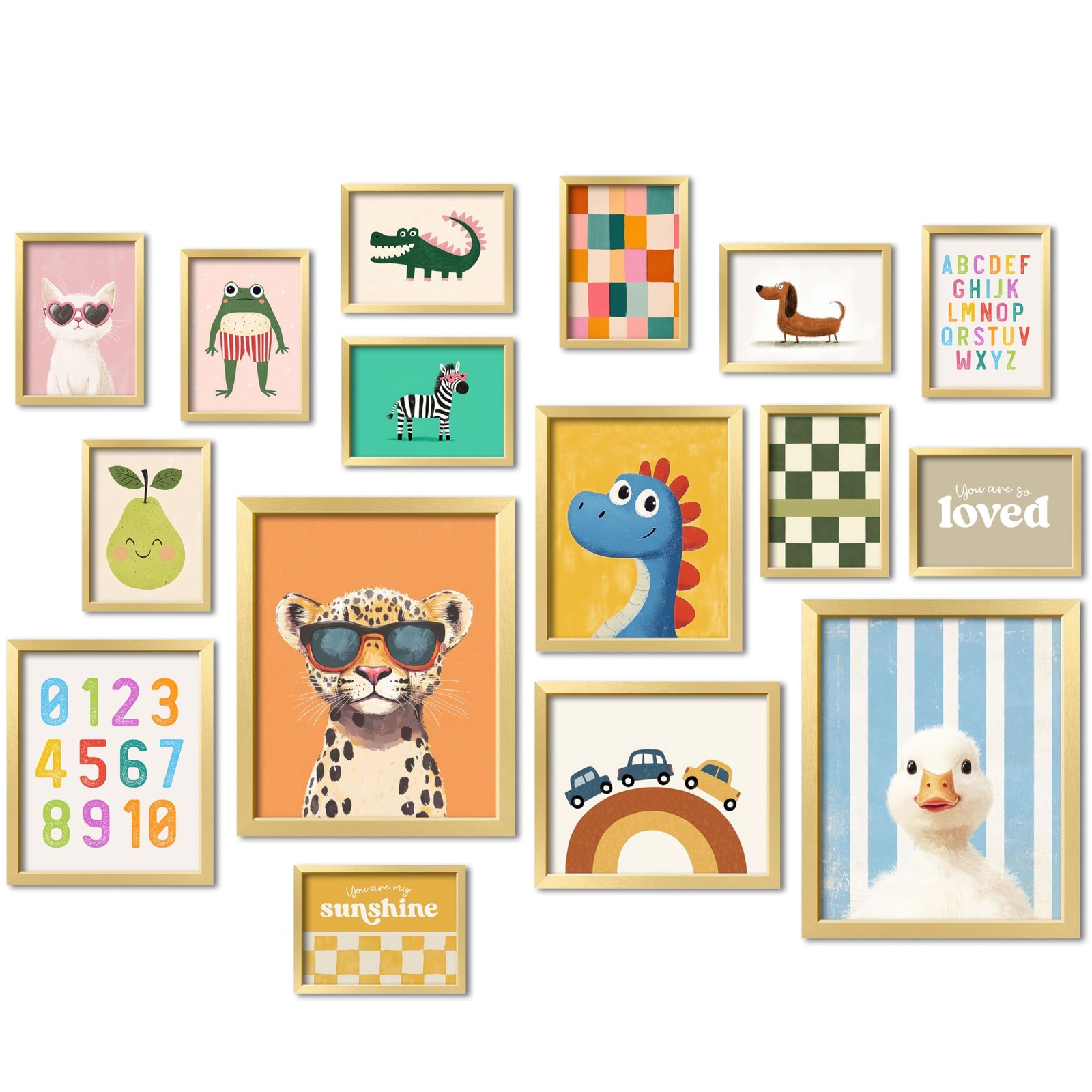
- Nursery animal prints typically come as 8×10 in or A4 open-edition sets of 6–16 pieces; fine-art wildlife prints are sold as numbered limited editions on heavier stock.
- Metal wall art is a separate durable tier: laser-cut steel or aluminum with powder-coated finish survives humidity and impacts that destroy paper prints, suited to bathrooms and kitchens.
Best use cases
- Nursery or kids' room: pick a 6–16 piece framed set on 200+ GSM cardstock with shatter-resistant acrylic glazing — skip individual glass-framed fine-art prints where a fall hazard exists.
- Living room or office statement wall: choose a large-format (24×36 in or bigger) archival giclée in a solid wood or metal frame with UV-filtering glazing — skip thin rolled posters that arrive creased.
- Bathroom, kitchen, or covered patio: use powder-coated metal or sealed canvas animal art — skip unframed paper prints, which cockle and mildew in high humidity.
- Rental or dorm room: select lightweight unframed posters or adhesive-backed prints — skip heavy glass frames that need wall anchors and leave holes.
Buying tips
- Check paper weight: 200 GSM and above resists rippling; below 150 GSM buckles in humidity and shows frame edges through the sheet.
- For fade resistance insist on pigment inks (often labeled giclée or archival); dye-based prints shift color noticeably within two summers of indirect sun.
- Match frame depth to matting: a 4 cm moulding accommodates a 2 cm mat plus backing; thin 1.5 cm frames squeeze mats and bow the print.
- Size the art to the wall: hung art should cover about 60–75% of the furniture width below it; a single 24×36 in print suits a sofa 80–100 cm wide beneath.
Specs
| Paper Weight | 150–310 GSM; 200+ archival |
|---|---|
| Ink Type | Pigment (giclée) vs dye-based |
| Frame Material | Solid wood / aluminum vs MDF |
| Set Size | 1 pc fine art to 16 pc gallery set |
Related searches
What to check before buying
- Measure the wall zone and the furniture below it; confirm the framed outer dimensions, not just the print size, since frames add 2–6 cm per side.
- For nursery sets, count pieces and plan the grid: a 16-piece set of 8×10 in frames needs roughly 120×80 cm of clear wall with 5 cm gaps.
- Confirm hanging hardware: glass and metal frames over 5 kg need wall anchors or a French cleat; lightweight cardstock sets hang on adhesive strips.
- Check glazing material: acrylic is shatter-safe for kids' rooms, while glass offers better clarity and scratch resistance for adult spaces.
FAQ
Data sources: eBay / Amazon listings and product attribute feeds. Updated Nov 23, 2026.
Some links on this page are affiliate links. If you buy after clicking one, we may earn a commission at no extra cost to you. This does not change which products appear here or their order. Affiliate disclosure.