CurioShelf Guide

CurioShelf Guide

Collectibles & Art Reviews & Buying Guides

Compare collectibles & art by use case, features, trade-offs, price, returns, and seller terms before you buy.

Buying guides

Buying guide image
Basketball Cards

Nba Card

NBA cards are collectible trading cards featuring active and retired National Basketball Association players, available as raw singles, factory-sealed packs/boxes, or third-party graded slabs. The core trade-off is between cheap, high-volume raw cards with uncertain condition versus authenticated, condition-graded cards that cost more but carry liquid resale value. Buy factory-sealed product for the rip, buy raw singles for player PC (personal collection) fills, and buy graded slabs when resale liquidity and condition certainty matter more than price per card.
Buying guide image
Baseball Cards

Baseball Hobby Box

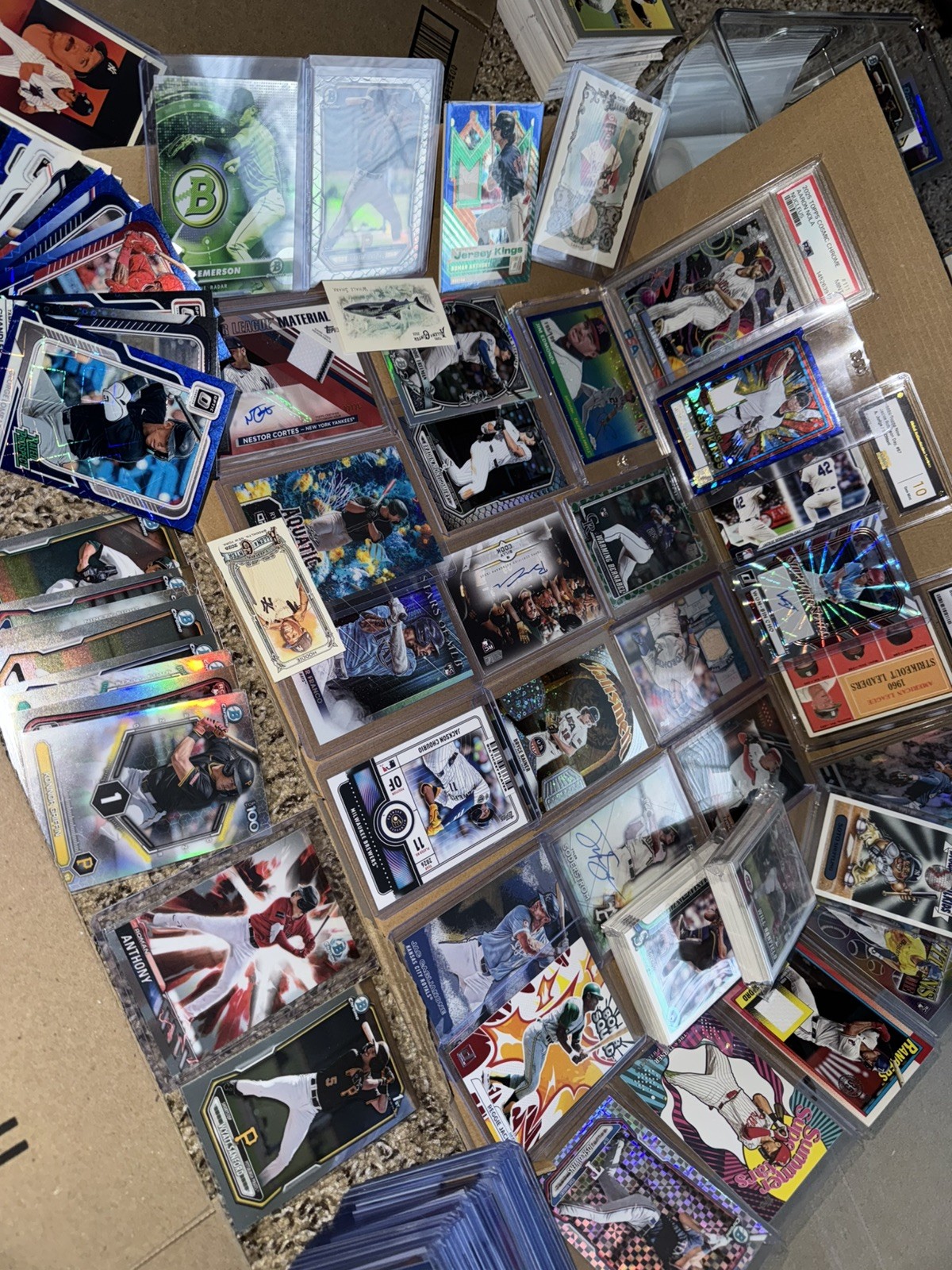
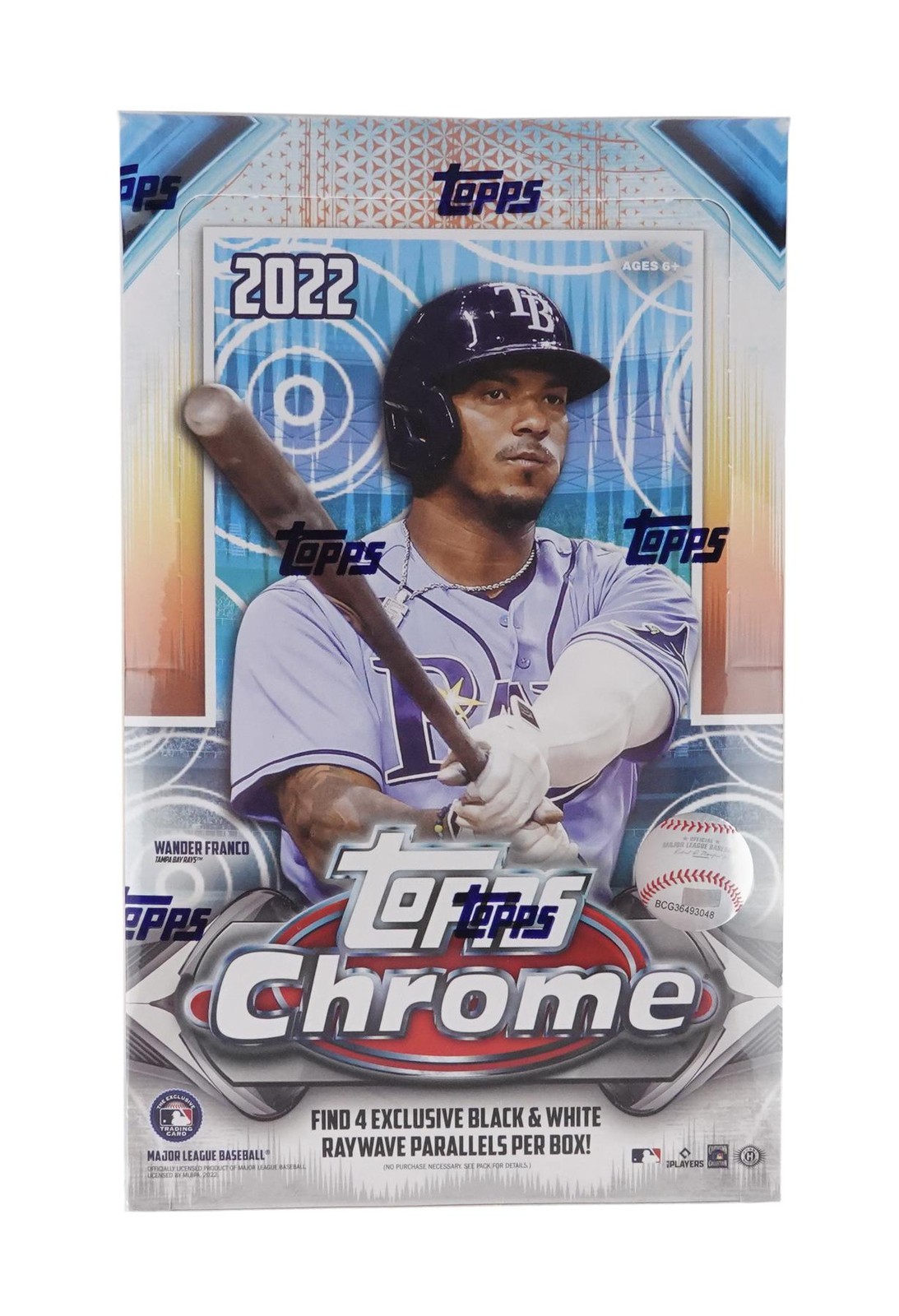
A baseball hobby box is a factory-sealed, guaranteed-configuration case of cards sold to collectors, distinguished from retail blasters by fixed hit ratios and parallel exclusives. The core trade-off is sealed investment versus rip value: modern boxes hinge on autograph/relic guarantees and print-run scarcity, while vintage or low-tier boxes trade hits for set-completion volume. Buy sealed hobby configurations with a documented hit guarantee and known year/product architecture; skip repacks, retail blasters, and 'hobby lite' tiers if you need guaranteed autographs.

Buying guide image
Comic Books & Issues

Amazing Spider Man 1

Amazing Spider-Man #1 refers to the landmark 1963 origin issue or the modern relaunch #1s (2014, 2018, 2022, 2025). The core trade-off is provenance and condition versus modern variant speculation: vintage originals demand authentication and grading, while modern #1s are print-run and ratio-chase items where cover rarity drives value. Buy the exact printing and grade tier that matches your goal—reader, investor, or completionist—and skip raw copies without verifiable grade or ratio confirmation.

Buying guide image
Basketball Cards

Lebron Jame Card

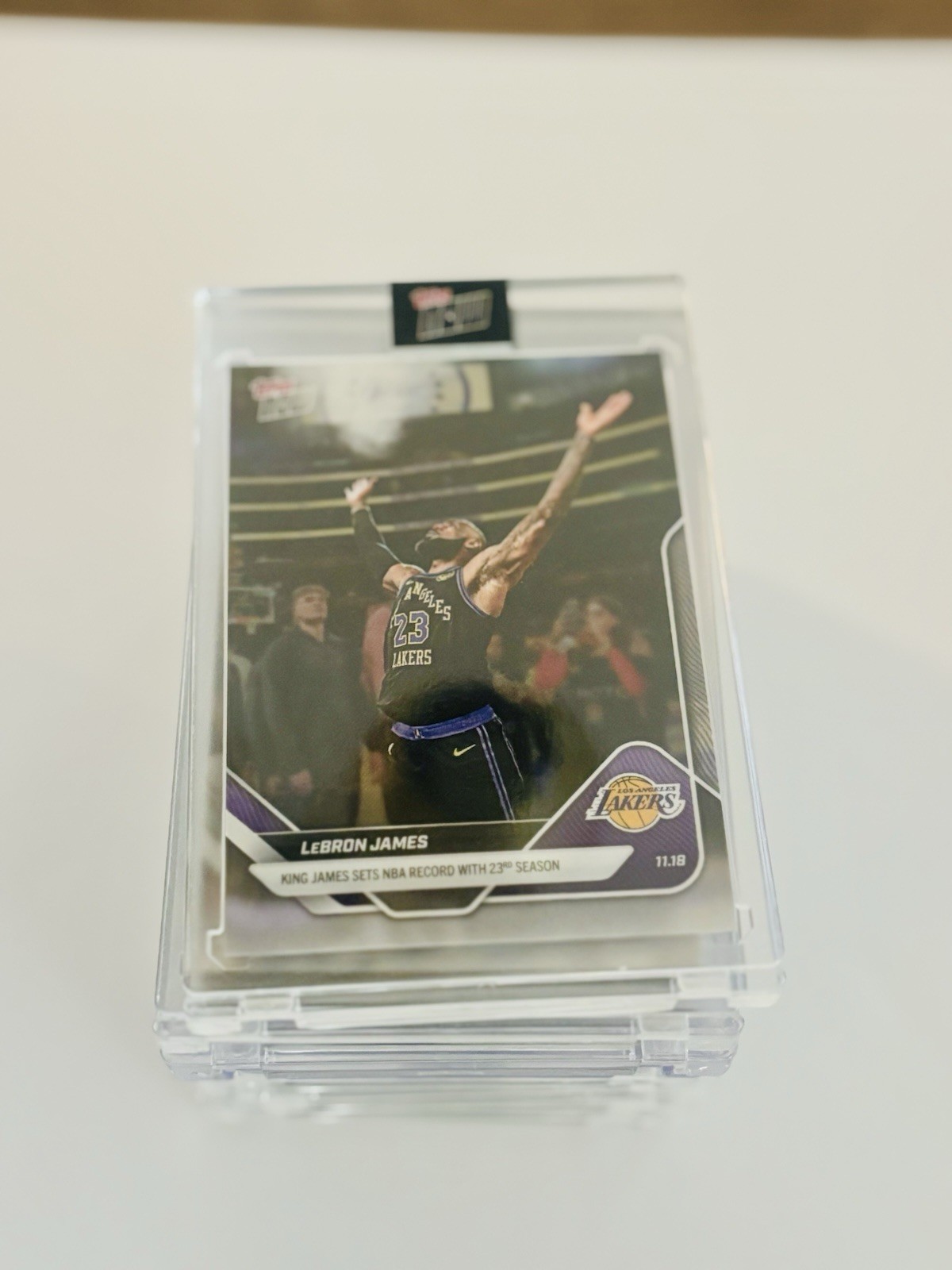
LeBron James cards are modern basketball collectibles spanning base rookies, serial-numbered parallels, autographs, and commemorative Topps Now prints. The core trade-off is print rarity versus authenticated provenance: base and low-tier inserts are mass-produced, while numbered parallels and on-card autographs carry true scarcity. The clear rule is to buy licensed NBA cards with visible serial numbering or grading, and skip unlicensed, reprint, or 'custom art' cards if resale durability matters.

Buying guide image
Comic Books & Issues

Golden Age Comic

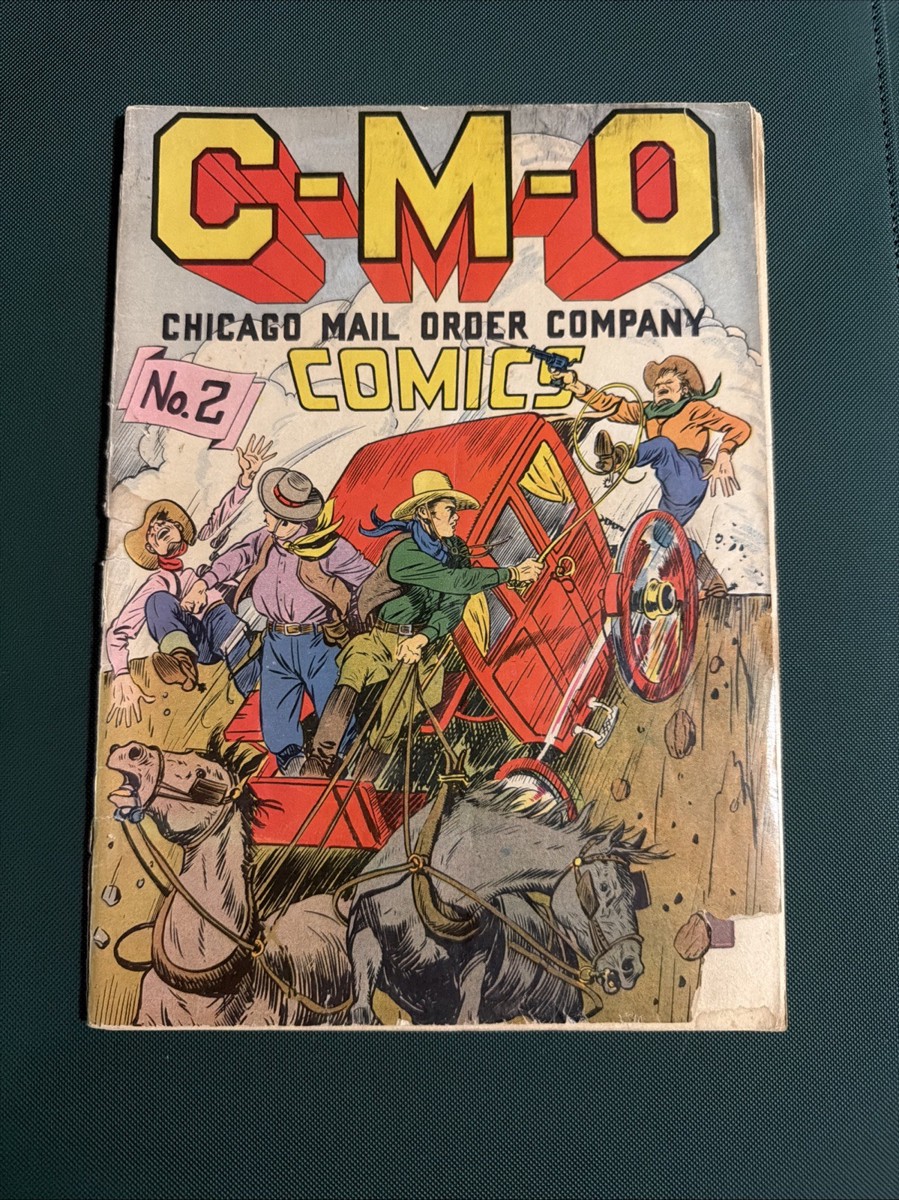
Golden Age comics are physical newsstand issues published roughly 1938–1956, the era that created Superman, Batman, and the modern superhero archetype. Buyers face a brutal trade-off: genuine Golden Age pages are brittle, acidic, and frequently restored, so condition grade and restoration status drive collectibility far more than the character on the cover. The decision rule is simple: buy a professionally graded or clearly described unrestored copy with strong page quality, and skip raw copies with trimmed edges, color touch, or heavy amateur repair.

Buying guide image
Comic Books & Issues

Superman 1 Comic

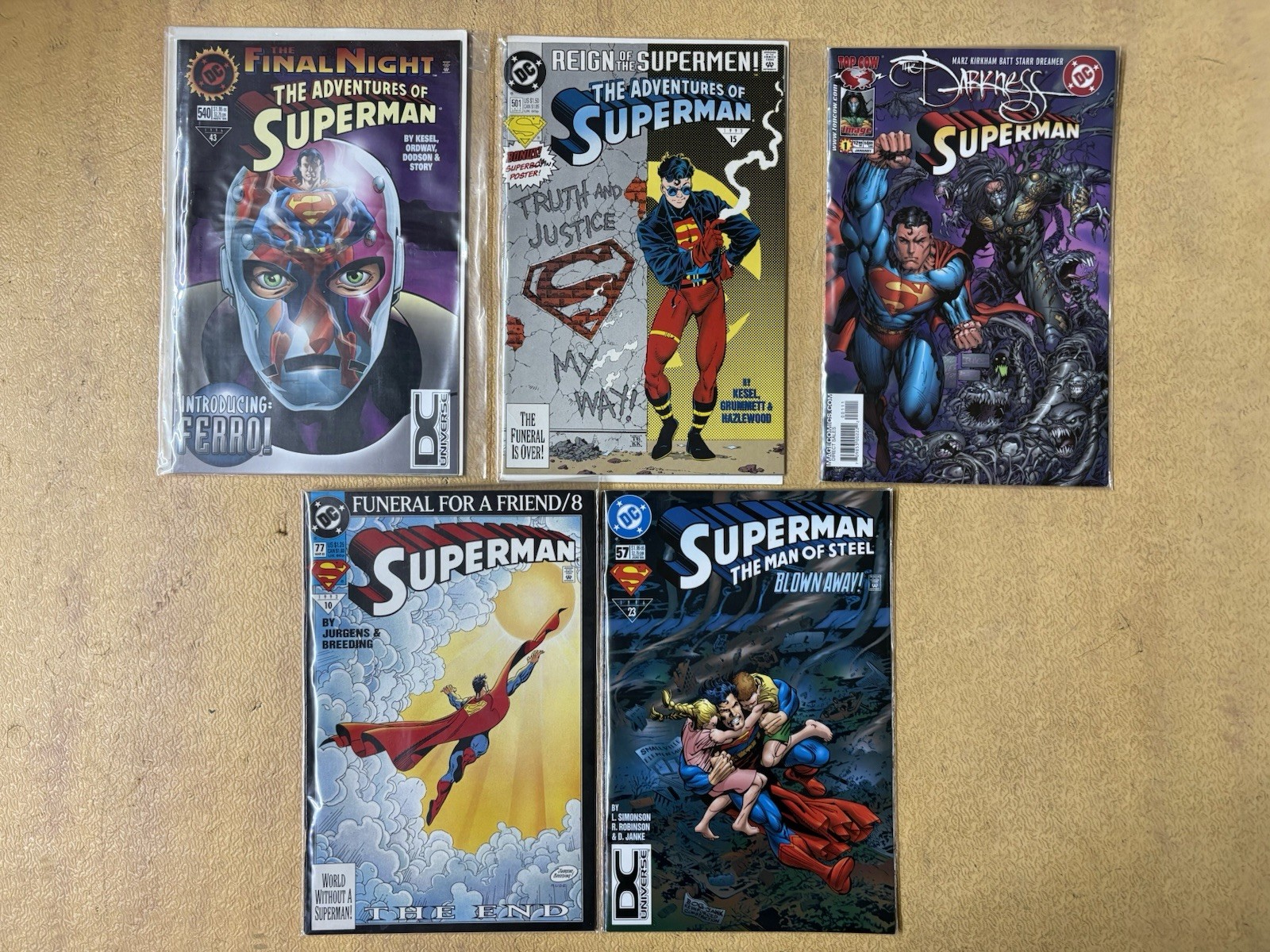
Superman #1 refers to either the 1939 Golden Age landmark or the 1987 John Byrne reboot issue, two distinct collectibles with radically different value drivers. The primary trade-off is authenticity and condition versus facsimile or reprint affordability, and the decision rule is simple: buy certified original copies for investment, facsimile editions for reading, and avoid unverified raw copies without provenance.

Buying guide image
Basketball Cards

Basketball Hobby Box

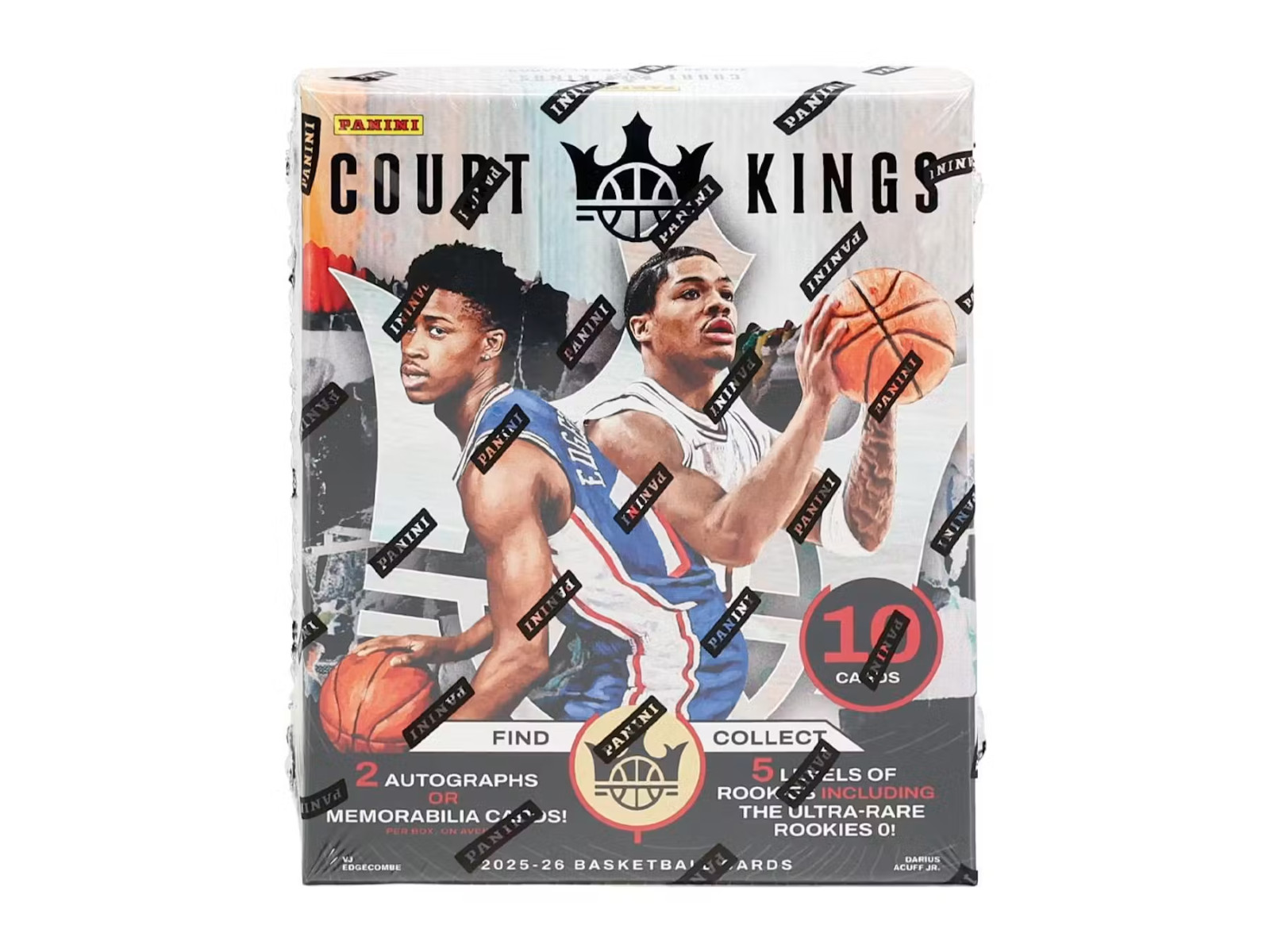
A basketball hobby box is a factory-sealed, guaranteed-hit product sold directly to collectors, typically promising a fixed number of autographs, memorabilia cards, or numbered parallels per box. The core trade-off is license and print-run transparency versus inflated autograph guarantees: true NBA-licensed products (Panini Prizm, Court Kings, Bowman) carry defined checklists and serial-numbered parallels, while unlicensed or repackaged boxes can promise 'hits' with no league trademarks or resale depth. The decision rule is simple: buy only sealed boxes from a licensed manufacturer's hobby tier with a printed autograph or parallel guarantee on the box, and skip any listing that cannot name the year, product, and configuration.

Buying guide image
Basketball Cards

Hobby Box Basketball

A hobby box is a factory-sealed, guaranteed-hit basketball card configuration sold in Hobby (not retail) tiers, where the core trade-off is autograph/memorabilia quantity and parallel scarcity versus box price. Durable buying decisions hinge on the brand tier (Prizm vs Court Kings vs Bowman), the stated autograph count, and pack-per-box architecture.

Buying guide image
Pop Culture Collectibles

Funko Pop Rock

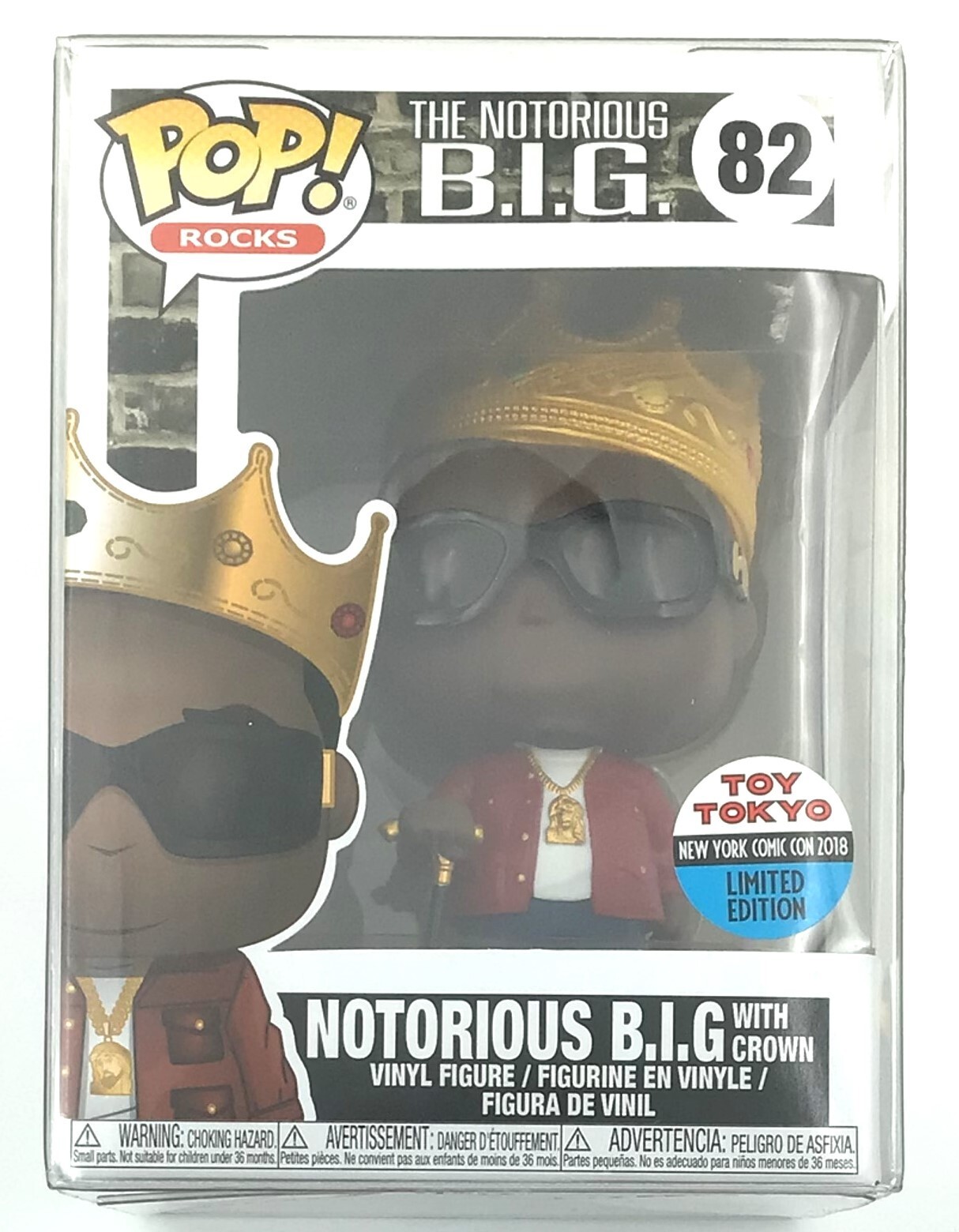
Funko Pop! Rocks covers music-legend vinyl figures across standard retail, retailer exclusives, and convention limited editions. The core trade-off is between common open-stock figures and chase/LE variants whose rarity drives long-term value, with authenticity and box condition separating collectible-grade pieces from loose toys. Buy standard releases for display, and only pay premiums for verified LE stickers, numbered runs, or convention exclusives with intact boxes.

Buying guide image
Comic Books & Issues

300 Graphic Novel

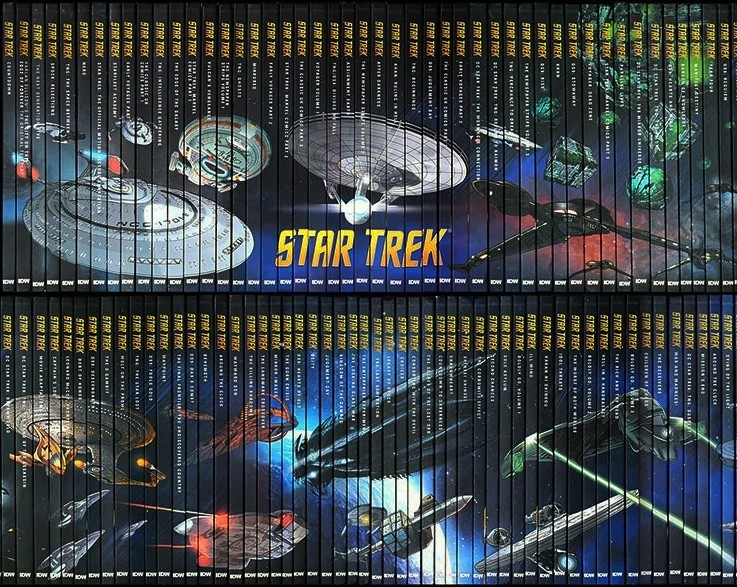
The "300" graphic novel is Frank Miller and Lynn Varley's 1998 Dark Horse hardcover/softcover chronicle of the Battle of Thermopylae, prized for its widescreen painted art and oversized Spartan action. Buyers face a format trade-off: standard softcover for budget reading, oversized hardcover or Absolute-style editions for art reproduction, and deluxe slipcase sets for collectors. The decision rule is simple: buy the format whose trim size and binding match your shelf and reading intent, and reject any listing that does not state trim size, printing, and ISBN.

Buying guide image
Pop Culture Collectibles

Pokemon Figure

Pokemon figures span tiny gashapon-style PVC miniatures to large resin-effect display statues, and the primary trade-off is scale and paint/assembly quality versus price and fragility. The decisive rule: buy scale-appropriate PVC with clean seam lines and stable bases for display, and skip oversized hollow vinyl or brittle resin unless you have a dedicated shelf with no knock-over risk.

Buying guide image
Art Prints & Posters

Funny Wall Art

Funny wall art covers printed humor pieces—paper posters, canvas wraps, framed prints, and metal signs—where the core trade-off is substrate durability and ink longevity versus low-cost disposable paper. Choose rigid substrates (canvas, metal, framed) for rooms with humidity or sunlight, and reserve thin unframed paper sets for dry, low-traffic walls.

Buying guide image
Art Prints & Posters

Vintage French Poster

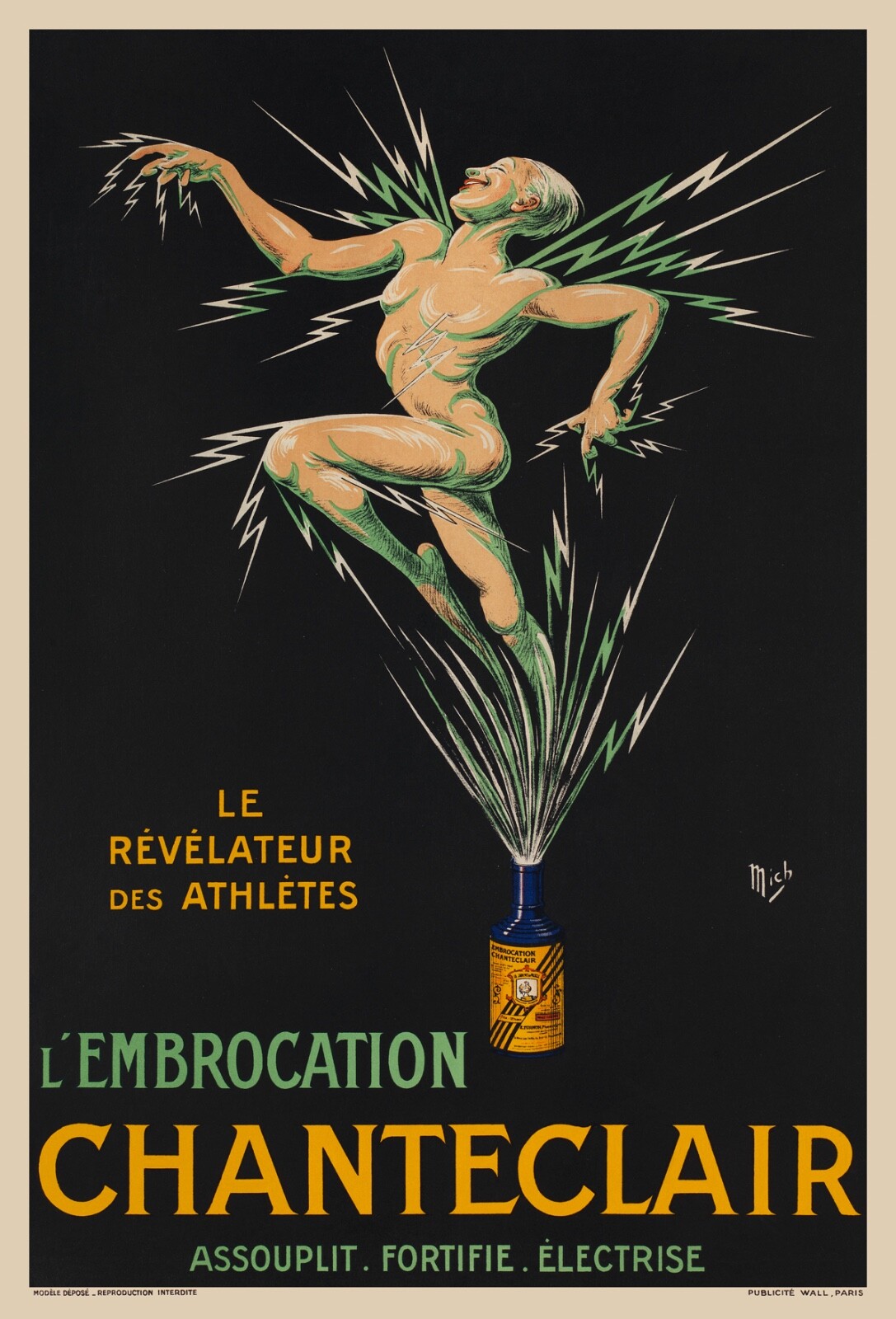
Vintage French posters encompass original lithographs and modern giclée reproductions, separated by a sharp trade-off: archival paper, ink, and press age versus low-cost digital prints. Original stone lithographs from the 1890s–1930s hold value through plate marks and period paper; reproductions only qualify as durable if they use pigment inks on 200+ gsm cotton rag. The decision rule: buy originals for investment and texture, buy giclée for decorative scale — and reject any glossy offset or canvas transfer marketed as 'vintage'.

Buying guide image
Basketball Cards

Nba Card Prizm

Panini Prizm is the flagship chromium-style basketball card set, defined by its reflective Opti-Chrome stock and deep parallel rainbow that drives collector demand. The core trade-off is raw pack/box gambling versus buying specific singles or slabs, with print-run tier and grading condition determining long-term value. Buy a factory-sealed Prizm box only for the rip experience; buy graded singles or numbered parallels when you want defined rarity and liquidity.

Buying guide image
Comic Bags & Backing Boards

Mylar Comic Bag

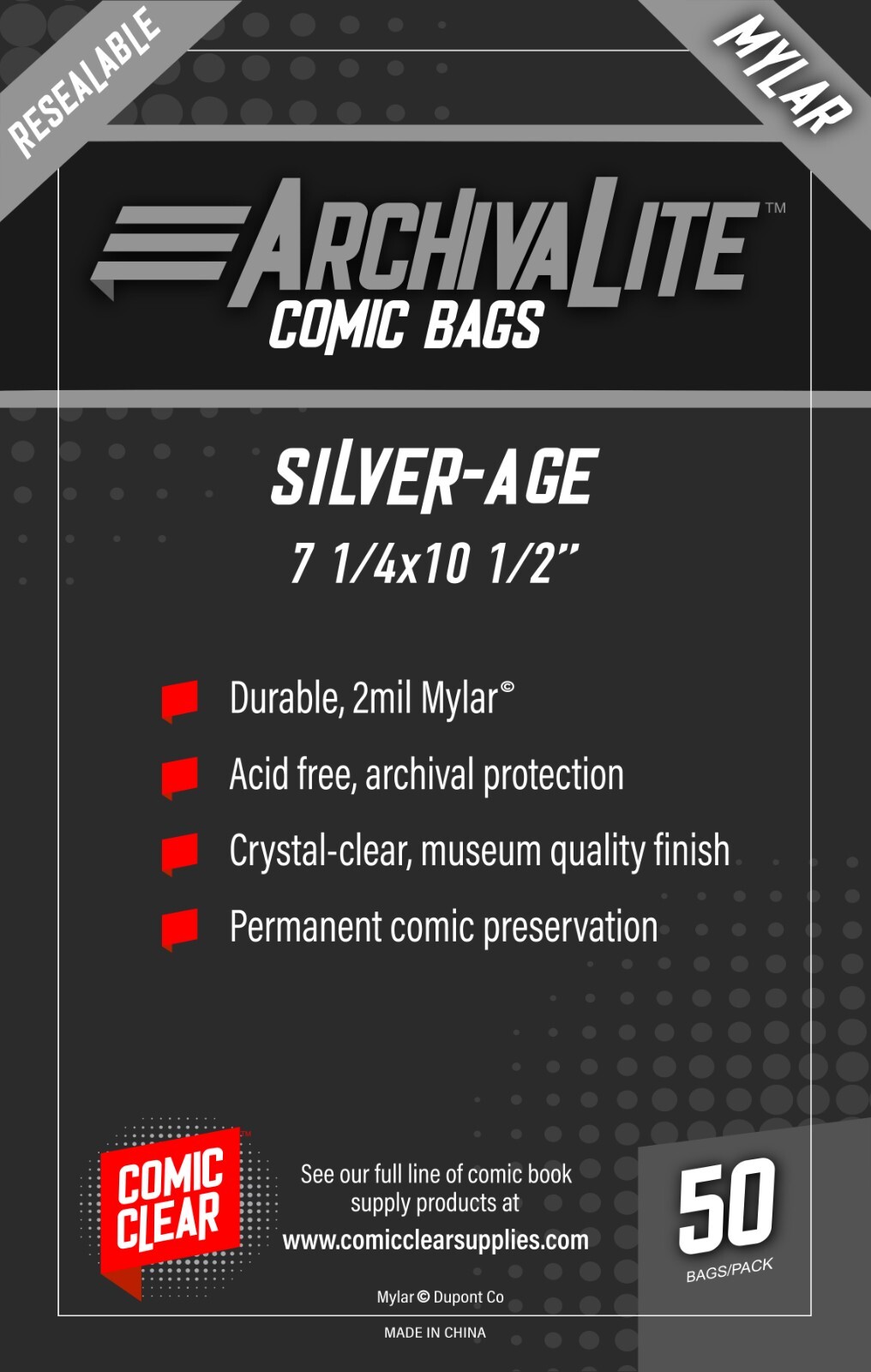
Mylar comic bags are archival-grade polyester sleeves that protect comics from moisture, acid migration, and UV exposure far better than standard polyethylene or polypropylene bags. The core trade-off is film type and thickness: true Mylar (boPET) at 2 mil or thicker resists yellowing and off-gassing, while cheaper 'mylar-style' bags are often polypropylene that degrades within years. The decision rule: buy only bags explicitly labeled Mylar or archival polyester with a stated mil thickness, and skip any listing that names only 'clear comic bags' without material and gauge.

Buying guide image
Pop Culture Collectibles

Pop Animation Figure

Pop animation figures are stylized vinyl collectibles (typically 3.75–4.5 inches) that adapt animated characters into a standardized, display-friendly format. The core trade-off is between mass-retail common releases and limited-run chase/vaulted variants, where scarcity—not build quality—drives secondary value. The decision rule is simple: buy commons for open display at retail, but pay a premium only for authenticated chase or vaulted pieces with intact box and protector.

Buying guide image
Comic Books & Issues

Amazing Spider Man 134

Amazing Spider-Man #134 (July 1974) is a Bronze Age key issue featuring the first appearance of the Punisher outside his debut arc, written by Gerry Conway with art by Ross Andru. The primary buyer trade-off is raw reader-grade copies versus CGC-certified slabs, and the decision rule is simple: buy raw only from sellers who provide spine, staple, and page-quality photos, and buy slabbed only when the CGC serial resolves to the correct issue and grade.

Buying guide image
Baseball Cards

Rookie Baseball Card

Rookie baseball cards are first-year or prospect-era cards of players before their sophomore season, spanning base paper, chrome/refractor parallels, and autographed issues. The core trade-off is print-run scarcity and condition-grade potential versus low-cost bulk lots that rarely contain gradable stars. The decision rule: buy singles or sealed prospect product for investment-grade rookies; buy bulk lots only for set-building or low-stakes ripping.

Buying guide image
Comic Books & Issues

Amazing Spider Man 345

Amazing Spider-Man #345 is a key 1991 Marvel issue written by David Michelinie with art by Erik Larsen, notable as the first full appearance of Cletus Kasady as Carnage (following a cameo in #344) and part of the 'Maximum Carnage' prelude era. The primary trade-off for buyers is raw vs. professionally graded condition and newsstand vs. direct-market variants, which drive both authenticity risk and long-term value. The decision rule: buy a CGC/CBCS-graded copy or a raw copy with documented spine/crease photos from a reputable dealer; skip unverified raw listings that lack interior page and cover-gloss evidence.

Buying guide image
Comic Books & Issues

Amazing Spider Man 362

Amazing Spider-Man #362 is a single-issue Marvel comic from the 1991 "Carnage" arc, written by David Michelinie with art by Mark Bagley. The buying decision hinges on printing generation and grade: newsstand versus direct edition, and raw versus professionally graded condition. Demand is driven by Carnage's first full story arc; only high-grade or key-issue copies hold durable collector value.

You may also like

Finding more guides for you…