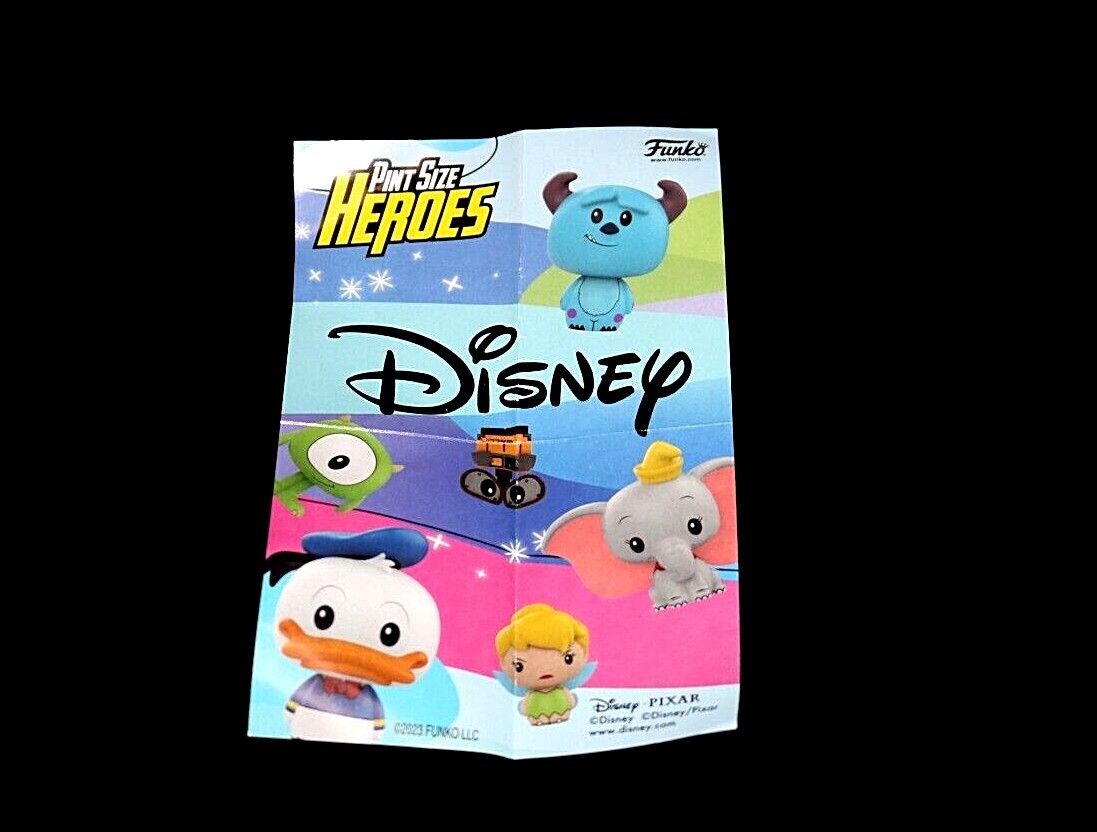
Pop Culture Collectibles
Pop Culture Collectibles
Compare pop culture collectibles models, specs, and current prices.
CurioShelf Guide
Compare collectibles & art by use case, features, trade-offs, price, returns, and seller terms before you buy.
 The Ultimate Wood Stove Buyer’s Guide (Don’t Make This $5,000 Mistake)
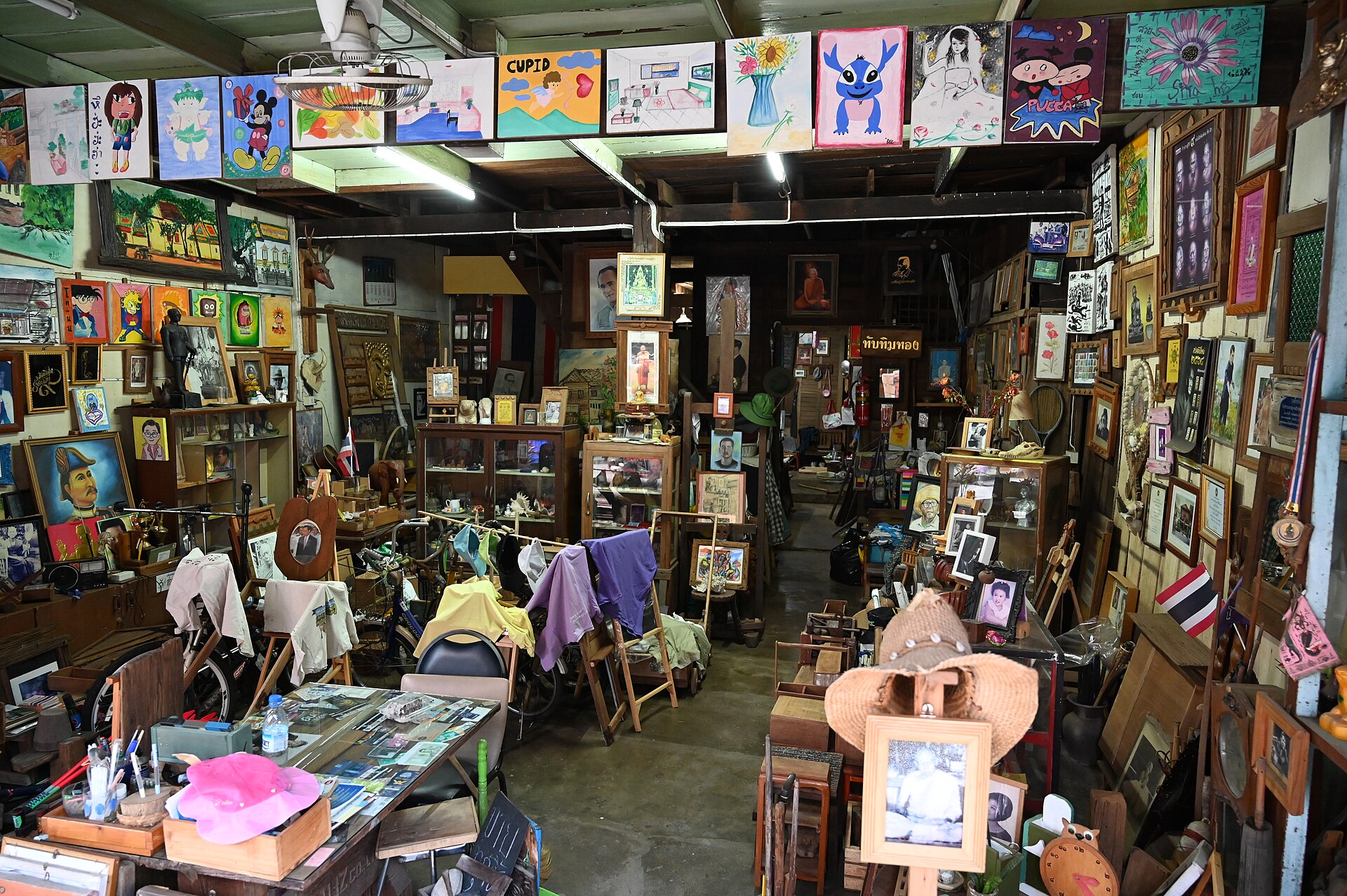 A Calm Corner for Collectibles
 How to Apply Stamps and Calculate the Correct Postage for Your USPS Letter
 A Calm Collectibles Corner at Home
 A Calm Corner for a Personal Collection
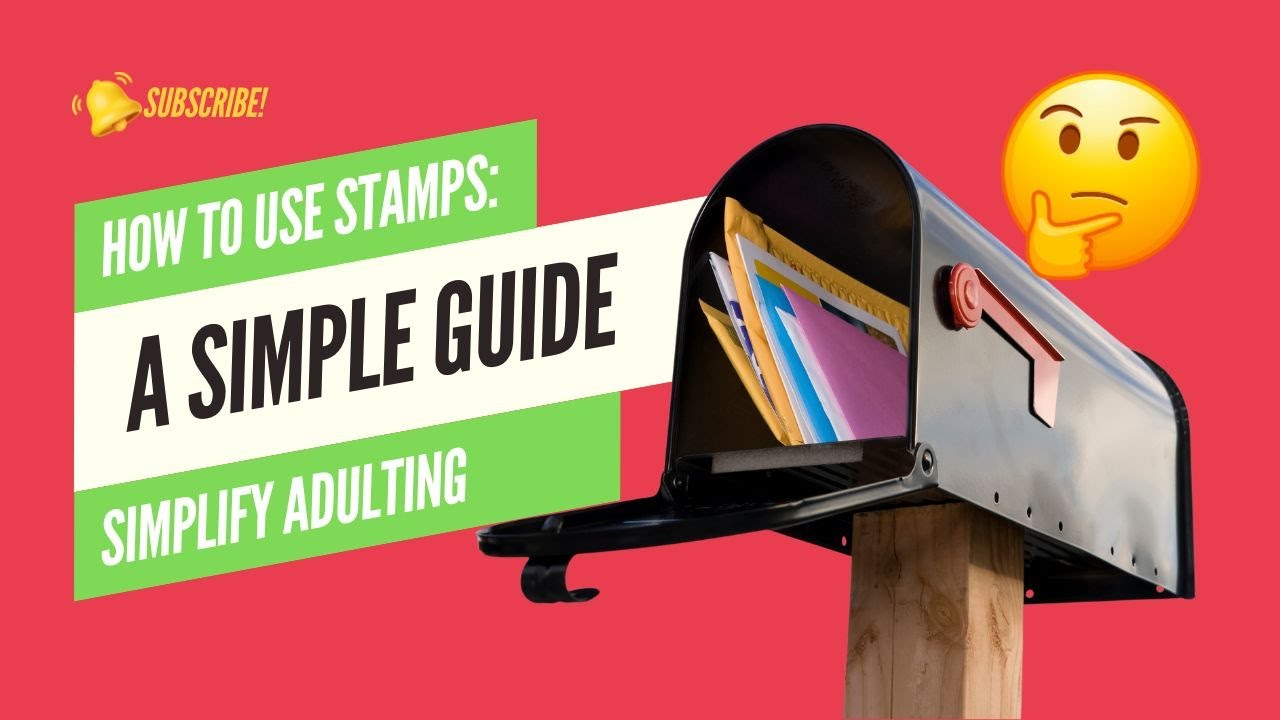 What Are Postage Stamps and How Do You Use Them?
 Getting Frames For My NEW Movie Posters! 🍿
 LEGO Batman 76355 Batman Returns Batmobile Speed Build
 Ancient Coins - A Beginner’s Guide at Harlan J Berk Coin Shop
 Are terracotta pots right for your plants? 🪴 #terracotta #plantcare #plants #shorts
Compare pop culture collectibles models, specs, and current prices.

Compare art prints & posters models, specs, and current prices.

Compare coins & paper money models, specs, and current prices.

Compare comic books & issues models, specs, and current prices.
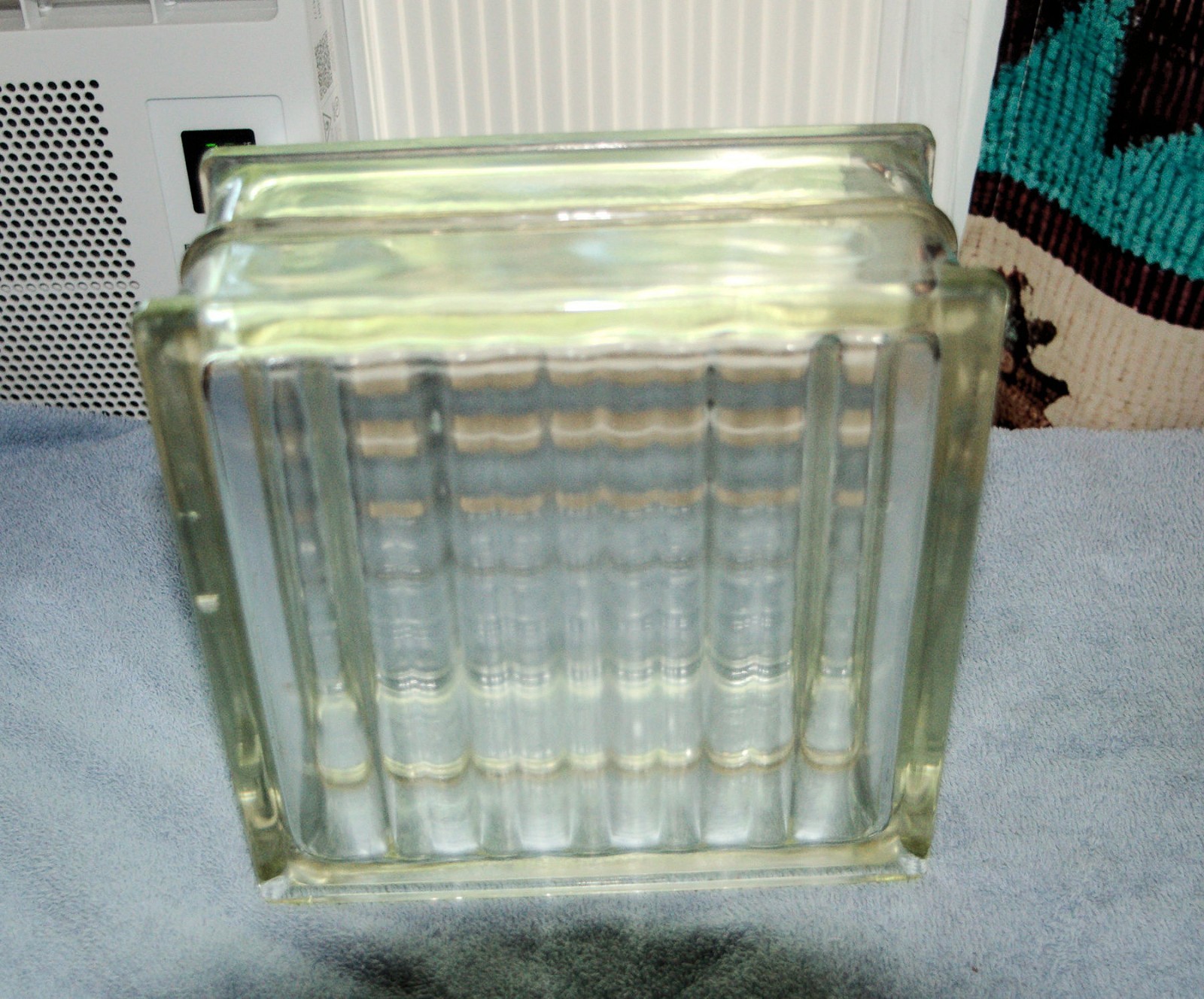
Compare antiques, pottery & glass models, specs, and current prices.
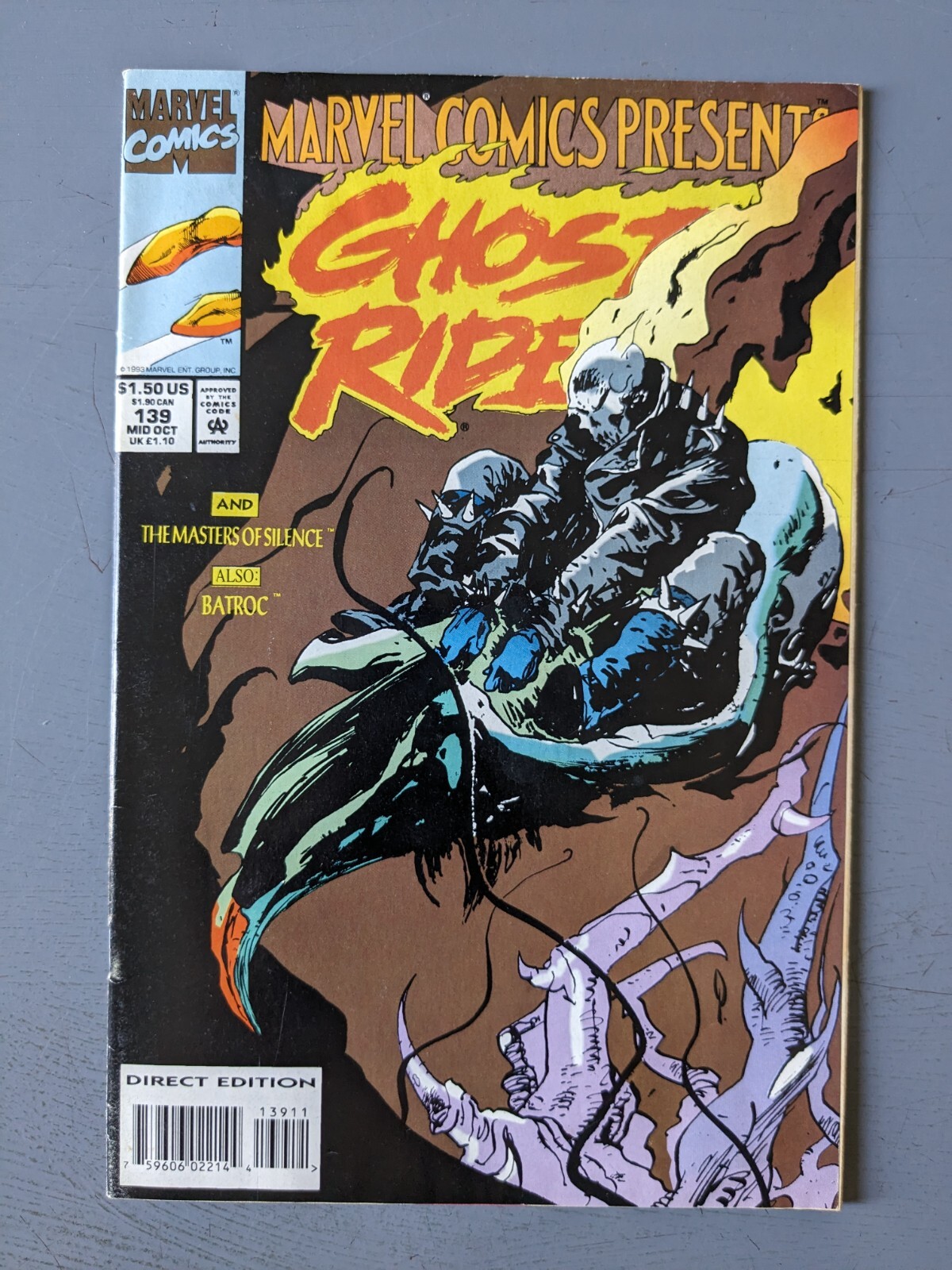
Compare comics & collectibles models, specs, and current prices.
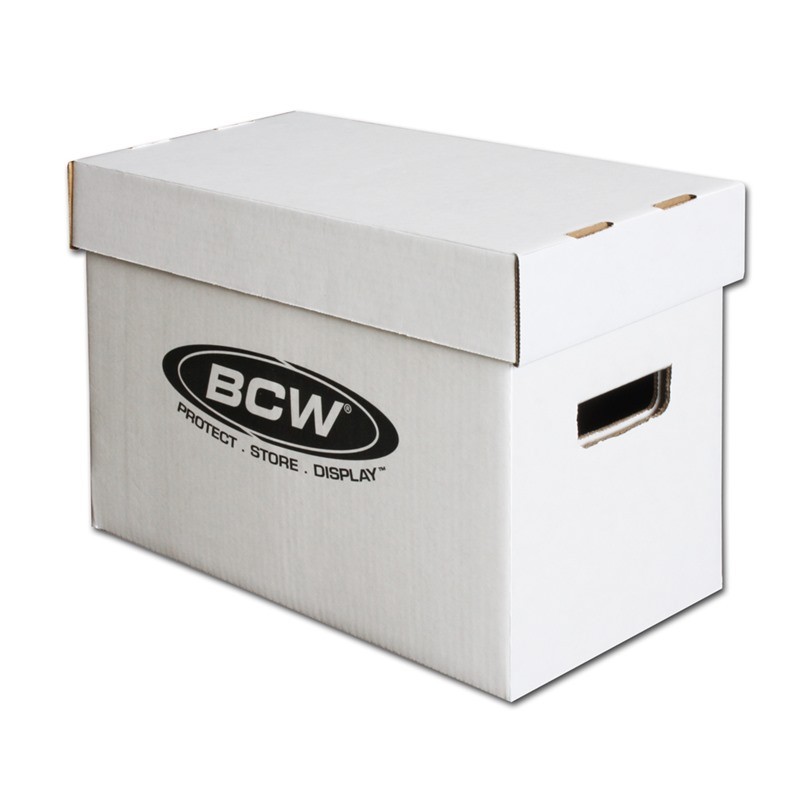
Compare comic storage boxes models, specs, and current prices.
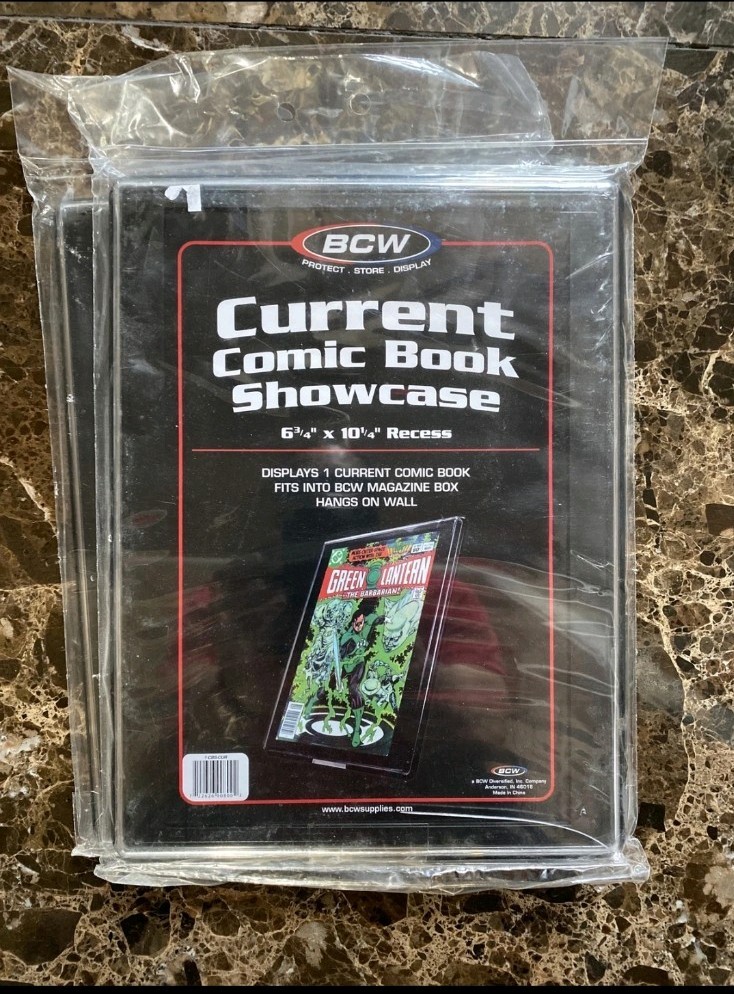
Compare comic bags & backing boards models, specs, and current prices.

Posters are printed or digital wall art available in paper, canvas, or gloss finishes and standard frame sizes. The core trade-off is between digital-download flexibility (you print at home or via a service) and physical-print durability (paper weight, ink type, and shipping protection). Choose physical prints with a stated paper GSM and shipping tube for long-term display; choose digital files only if you control print quality and sizing.
Art prints and posters are decorative wall pieces reproduced on paper, canvas, metal, or cardstock, with the primary trade-off between archival, fade-resistant materials and low-cost thin substrates. The decision rule is simple: choose pigment inks on acid-free heavyweight stock or canvas for long-term display, and accept standard dye-ink thin paper only for temporary or budget decor.
Art prints are reproduction or original wall images on paper, canvas, cardstock, or metal, where the decisive trade-off is ink/paper archival quality and print resolution versus low-cost mass decor. Durable, color-stable options use pigment inks on acid-free 200+ gsm stock or cotton rag and are sold unframed or with specified frame depth; compromise prints use dye inks on thin coated paper that fades and warps. The rule: match substrate and ink type to light exposure—archival pigment on acid-free stock for long-term display, standard offset or dye prints only in low-UV or short-term settings.
Art prints and posters are pigment-on-substrate reproductions, where the substrate and print technology—not the image—determine color accuracy, permanence, and suitability for a given room. Buyers trade off ink type (dye vs. pigment), paper grade (thin gloss vs. cotton rag), and mounting format (unframed sheet vs. ready-to-hang metal or canvas). The durable rule: choose pigment inks on acid-free paper or coated metal for longevity and color fidelity; skip thin dye-printed gloss sheets if you need fade resistance or a gallery-grade finish.

Poster art prints are decorative paper or canvas reproductions—ranging from vintage advertising and WPA-era graphics to modern photography and digital downloads—where the key trade-off is substrate quality and print method versus low-cost thin-paper posters. Durable options use 200+ gsm acid-free paper or canvas with pigment inks rated for decades; compromises use 100–150 gsm coated paper with dye inks that fade and cockle.
Wall art spans two distinct product classes: physical prints on paper, canvas, cardstock, or metal, and digital downloads you print yourself. The deciding trade-off is upfront cost versus long-term durability and color fidelity—physical pieces arrive ready to hang but cost more, while digital files are cheap but require separate printing and framing that often erodes the savings. A durable wall art purchase starts with a physical medium (canvas, metal, or archival paper) and known dimensions; treat digital-only listings as DIY projects, not finished decor.
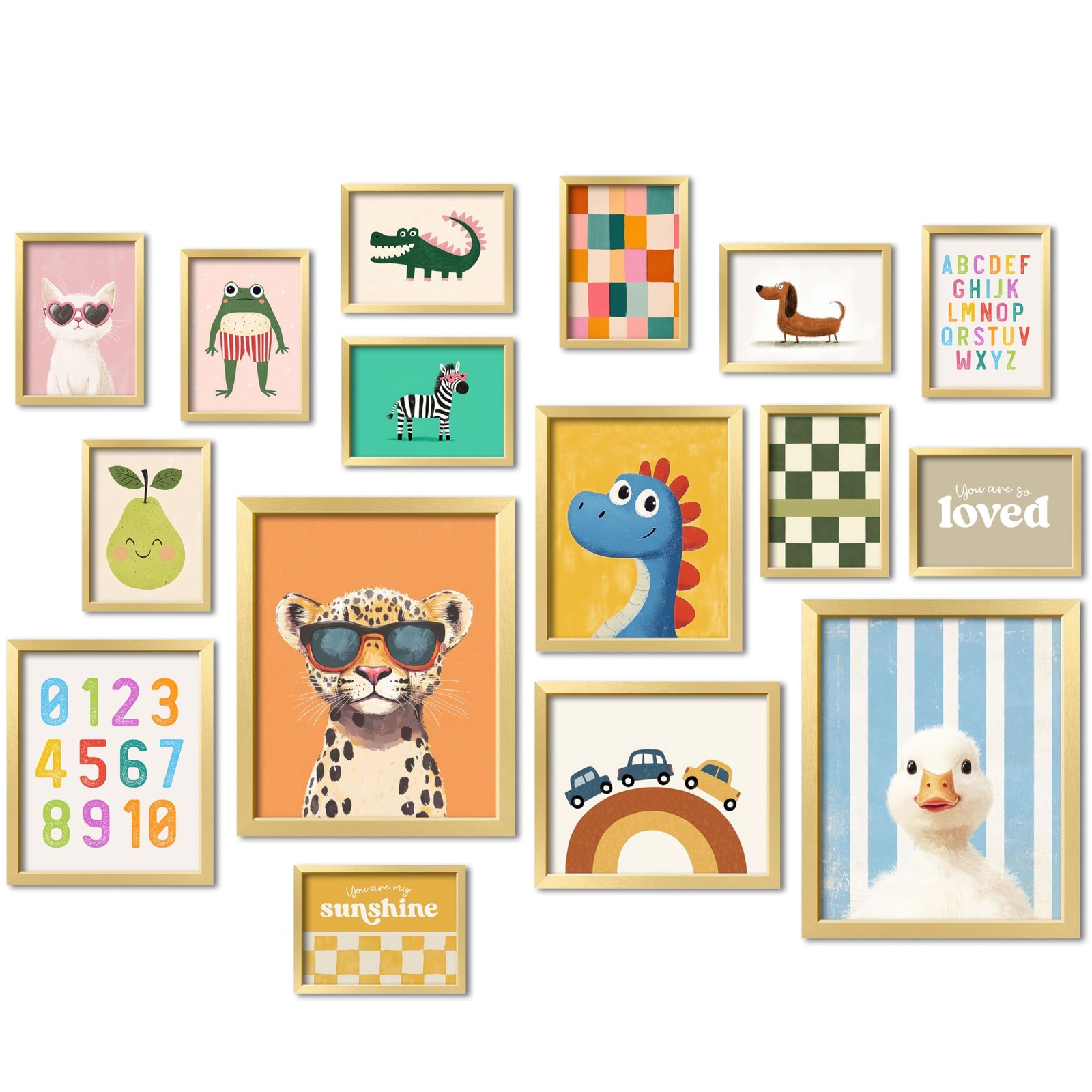
Wall prints are decorative two-dimensional artworks—paper, canvas, metal, or cardstock—sold framed or unframed for interior display. The core trade-off is substrate durability versus archival quality: thin poster paper and digital downloads are cheap but fragile and fade, while canvas, metal, and cardstock offer longevity. The decision rule: if you want a finished, hang-ready piece with UV and moisture resistance, buy canvas or metal; if you want maximum flexibility at low cost, choose unframed paper prints and budget for professional framing.

Print posters are reproduction or original artworks on paper, sold by size tier and substrate rather than brand, where the decisive trade-off is paper weight and ink process against price. Durable, fade-resistant prints use giclée or offset inks on 200 gsm+ matte or satin stock, while cheap thin gloss sheets curl and yellow. The rule: pick a known paper grade and listed dimensions first; treat any unstated grammage as a compromise.
SHOPPING DIRECTORY
Finding more guides for you…


