CurioShelf Guide

CurioShelf Guide

Collectibles & Art Reviews & Buying Guides

Compare collectibles & art by use case, features, trade-offs, price, returns, and seller terms before you buy.

Buying guides

Buying guide image
Comic Bags & Backing Boards

Comic Book Bag

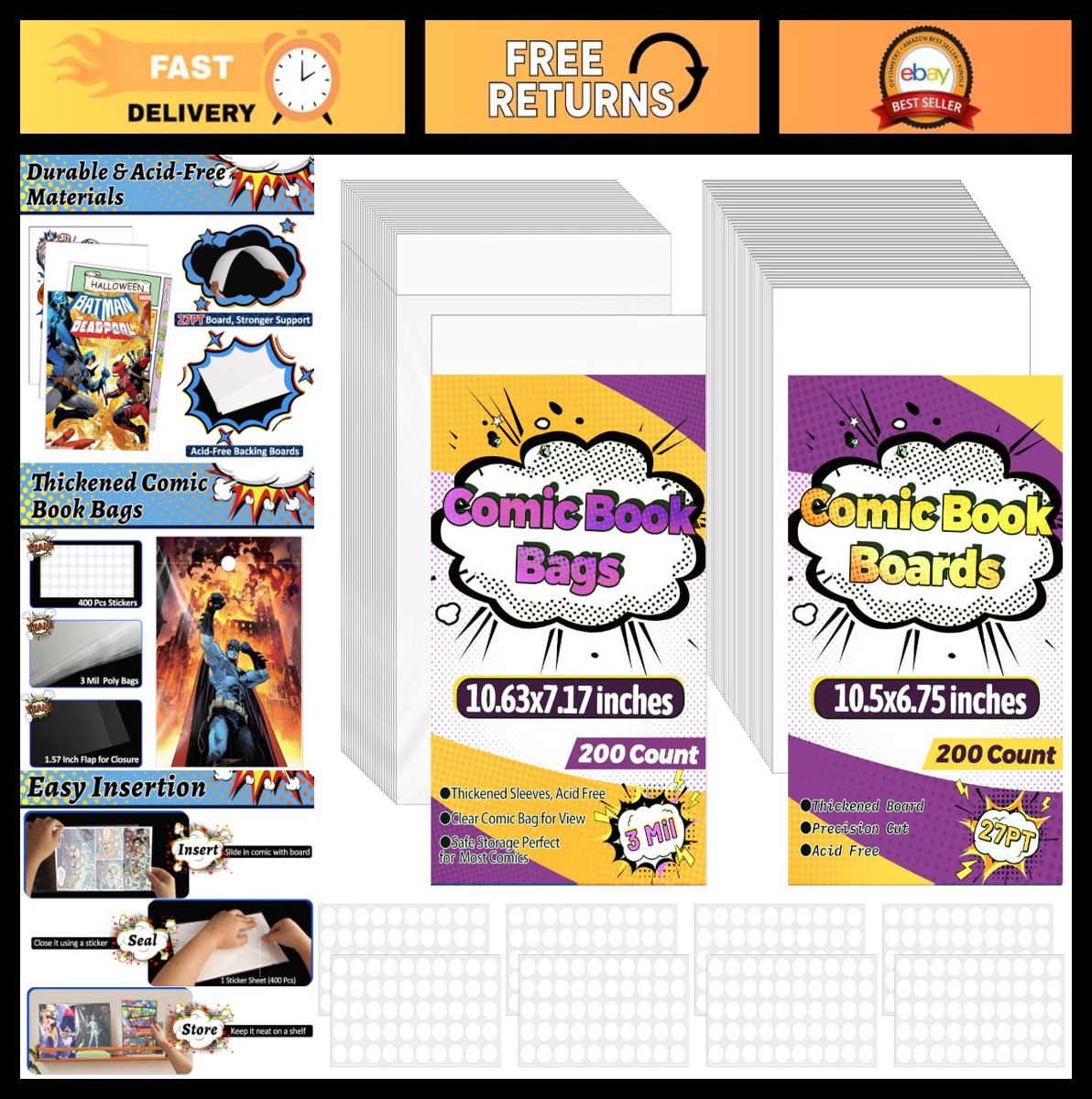
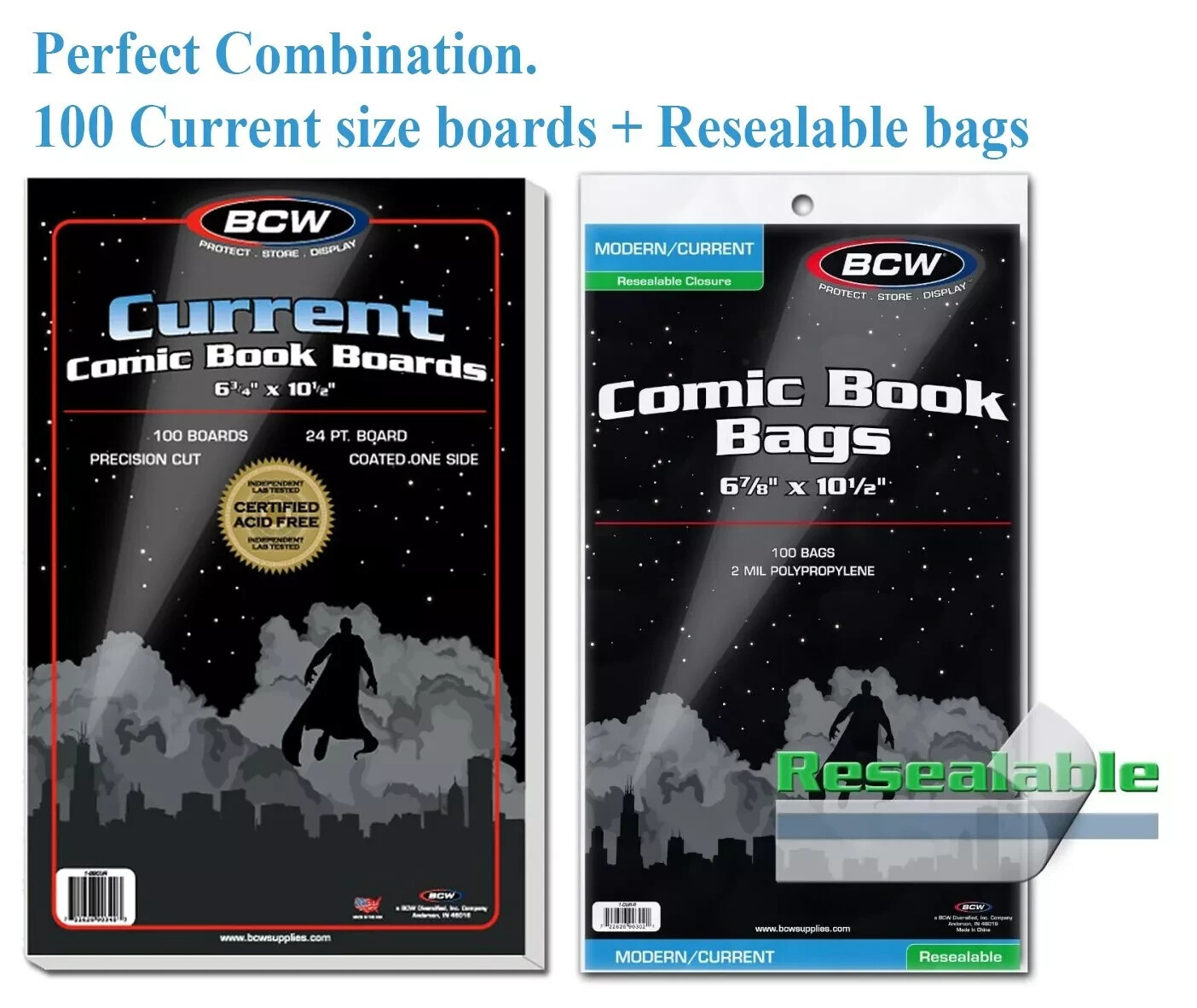
Comic book bags are archival sleeves paired with acid-free backing boards that protect comics from handling, moisture, and UV exposure. The decisive trade-off is material: polypropylene and polyester (Mylar) are stable and acid-free, while PVC bags plasticize, off-gas, and damage covers over time. Buy by era size and board thickness, and treat the bag as a consumable that gets replaced, not permanent furniture.
Buying guide image
Pop Culture Collectibles

Funko Pop Ad Icon

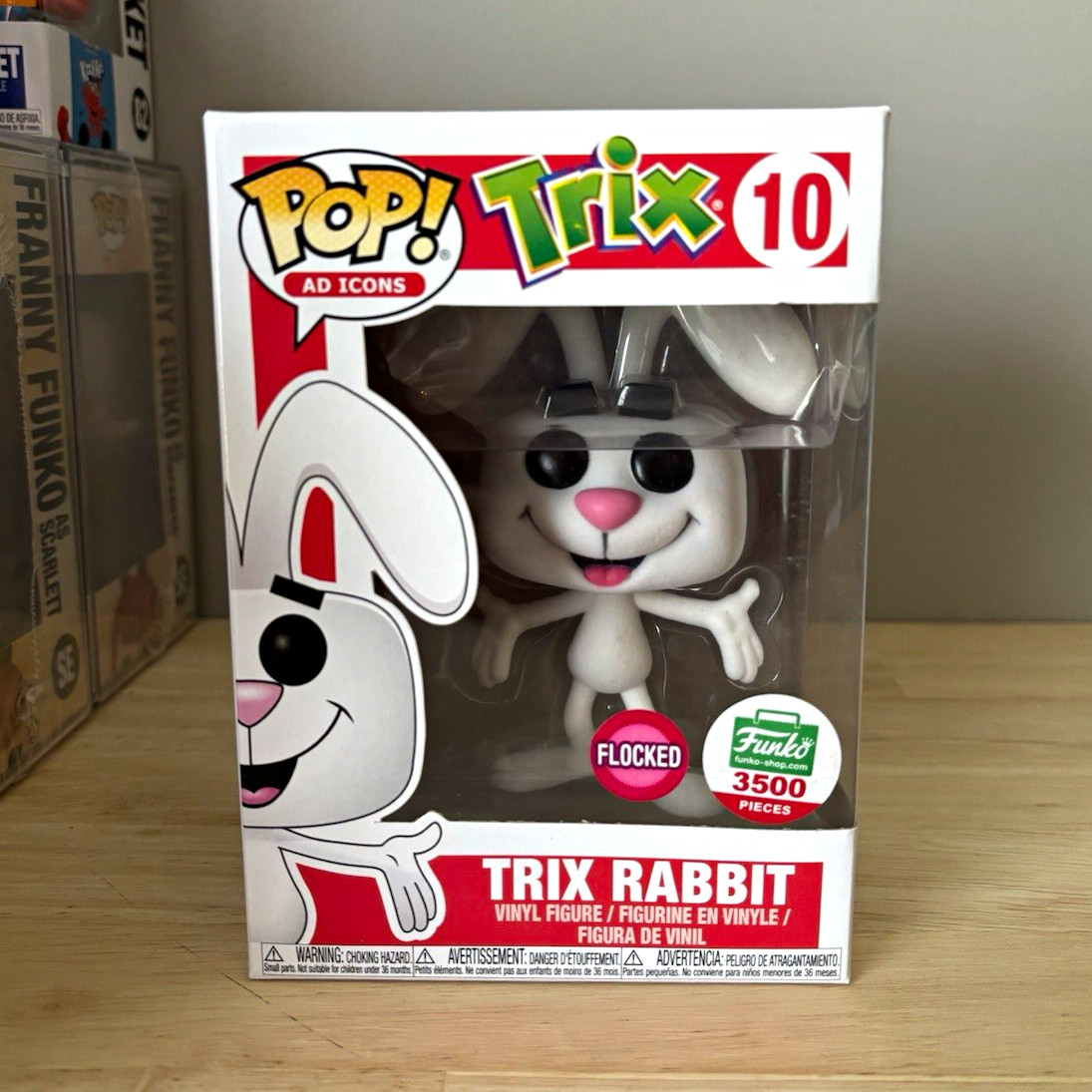
Funko Pop Ad Icons are 3.75-inch vinyl figures depicting corporate mascots—from cereal characters like Tony the Tiger and Trix Rabbit to snack icons like Mr. Peanut and Chester Cheetah. The primary trade-off is finish and exclusivity: standard retail releases are glossy and widely available, while flocked (fuzzy), metallic, glow-in-the-dark, and limited-edition variants command premiums and define long-term collector value. The decisive rule is simple: buy the standard release for display nostalgia, but only pay up for flocked or limited pieces when the production run is verifiable and the box is mint.

Buying guide image
Pop Culture Collectibles

Pocket Pop Keychain

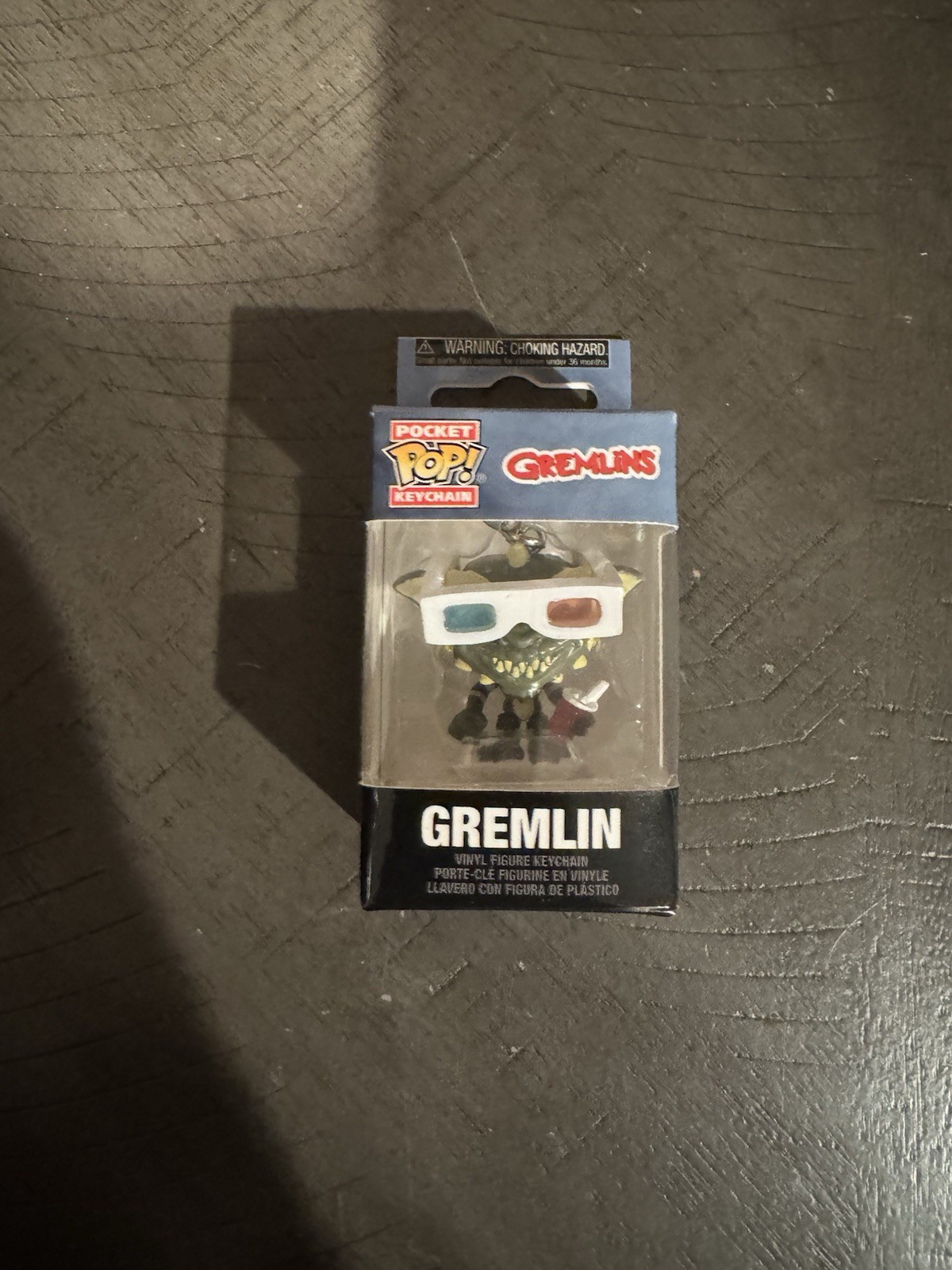
Pocket Pop keychains are miniature vinyl figures (typically 1.5–2 inches) with an integrated metal split ring, designed for bag or key attachment. The core trade-off is paint durability and ring hardware quality versus character selection: die-cast or reinforced rings resist bending, while thin stamped rings deform under pocket load. Buy only models with a secured screw or rivet at the figure-to-ring joint; skip glued-in loops that snap off within weeks.

Buying guide image
Comic Books & Issues

Amazing Spider Man 363

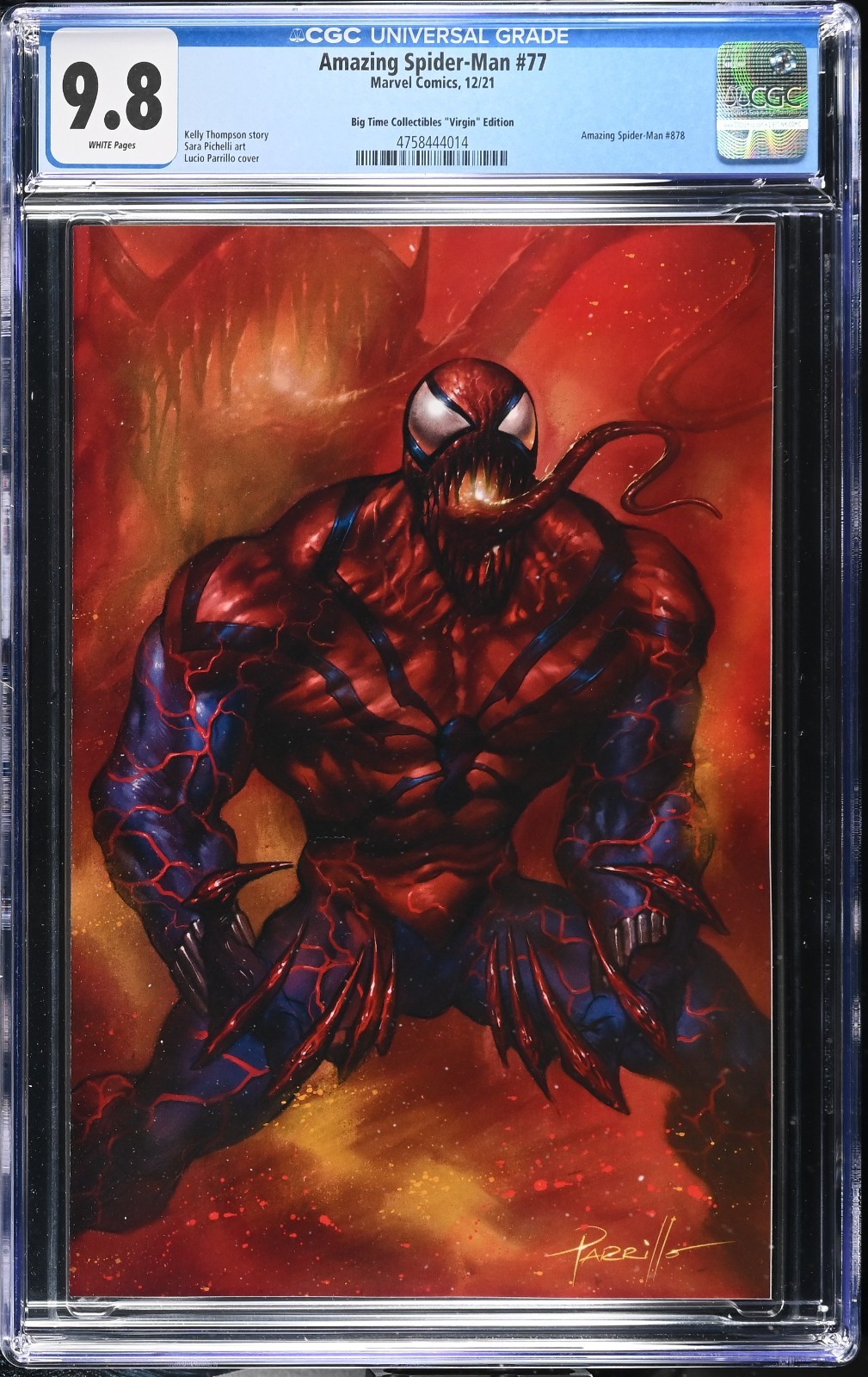
Amazing Spider-Man #363 is a key 1992 Marvel issue featuring the first full appearance of Carnage, making it one of the most sought-after modern Copper Age comics. The primary trade-off buyers face is raw versus professionally graded condition, where a single grade point can multiply value. The decision rule is simple: buy CGC/CBCS-graded copies for investment-grade certainty, or buy raw only from sellers with high-resolution scans and a stated grade range.

Buying guide image
Comic Books & Issues

Amazing Spider Man 37

Amazing Spider-Man #37 refers to a specific numbered issue that exists in two radically different eras: the 1966 Silver Age original (first appearance of the Molten Man) and the 2001 Marvel Knights volume 2 issue by J. Michael Straczynski. The primary trade-off is historical significance versus modern storytelling, with condition and grading determining long-term value far more than the cover date. Buy the Silver Age key only with third-party grading or verified raw-grade photos; buy the modern issue for reading or affordable collecting.

Buying guide image
Pop Culture Collectibles

Coca Cola Funko Pop

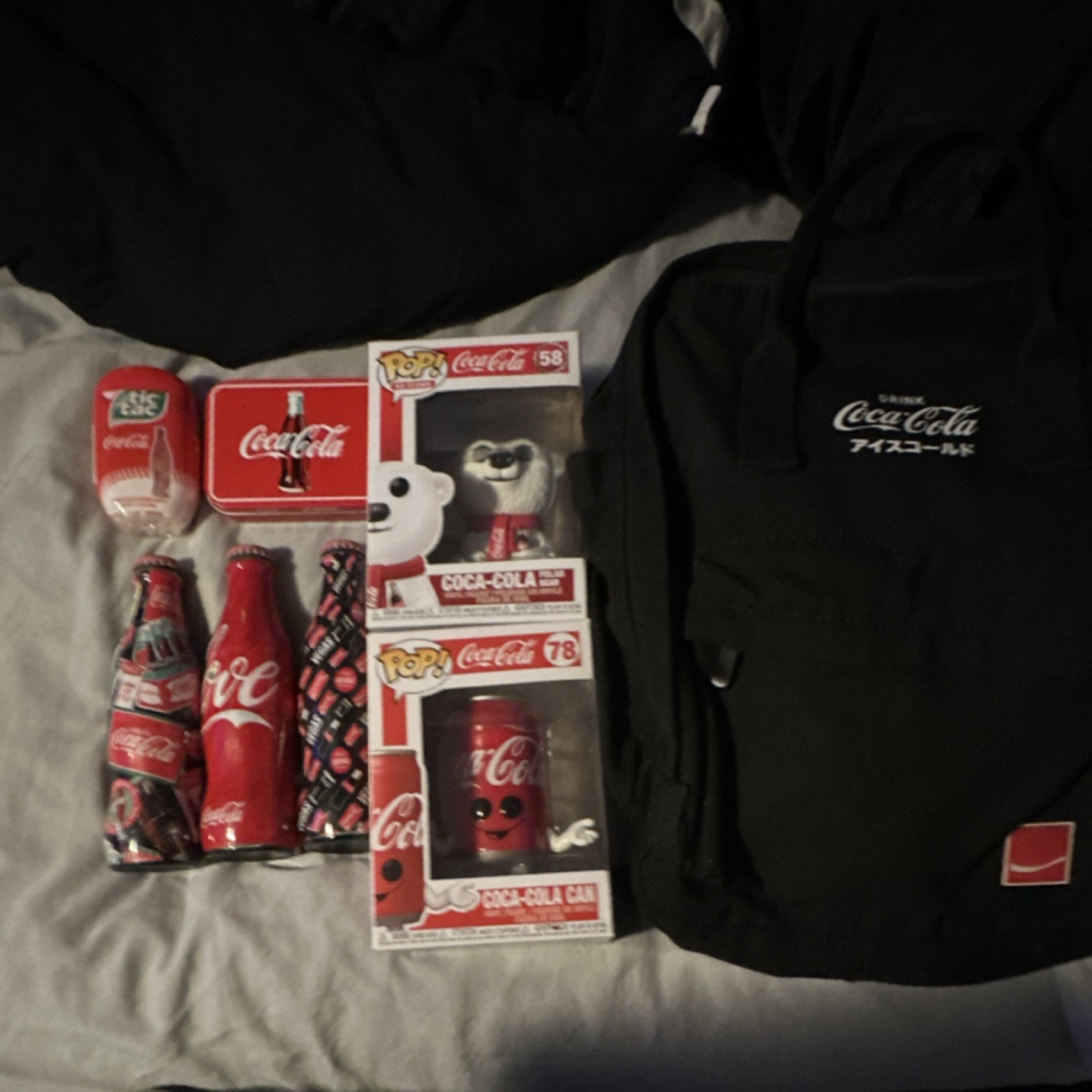
Coca-Cola Funko Pop figures are licensed vinyl collectibles that pair the soda brand's iconic red-and-white imagery with Funko's stylized head sculpts, ranging from single standard figures to multi-piece bundle sets. The primary trade-off is between standard retail-channel singles (consistent paint, box condition, and character selection) and aftermarket bundles or older waves (higher risk of box damage, missing accessories, or faded paint). The decision rule: buy sealed standard singles or clearly photographed complete bundles for display; skip loose or heavily discounted multi-figure lots if mint boxes and full accessory counts matter.

Buying guide image
Stamps & Postcards

Old Stamp

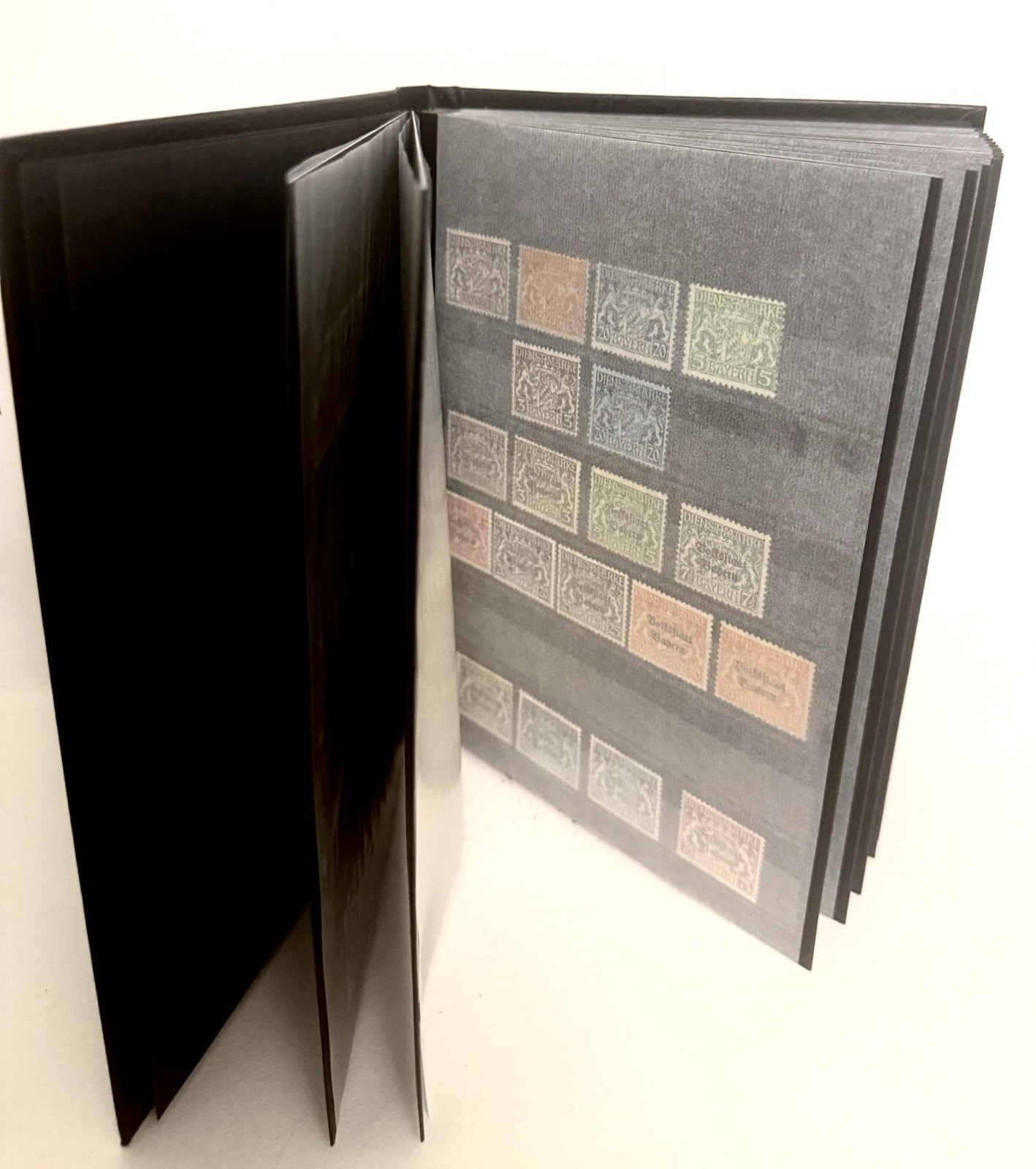
Old stamps are collectible adhesive postage pieces from discontinued issues, earlier reigns, or defunct postal administrations, where value and durability hinge on condition grade (mint never-hinged vs used), authenticity, and centering rather than face value. The core trade-off is between spot-checked single rarities and bulk lots: lots trade per-stamp precision and grade guarantees for volume, postal history context, and low unit cost. The decisive rule: buy singles only with clear centering, intact perforations, and no thins or repairs, and buy lots only when the listing states the era, country mix, and whether stamps are on- or off-cover.

Buying guide image
Art Prints & Posters

Picasso Print

Picasso prints are reproduction wall art sold as giclée, lithograph, or open-edition posters, and the primary trade-off is between pigment-based archival giclée on cotton rag and cheap offset litho on thin paper that fades. The decision rule: buy giclée or seriolithograph reproduction with stated pigment inks and 200+ gsm paper for longevity; skip glossy 11x17 movie-poster offsets and unlisted-ink dropship prints if you want a decade-plus display.

Buying guide image
Antiques, Pottery & Glass

Rookwood Pottery

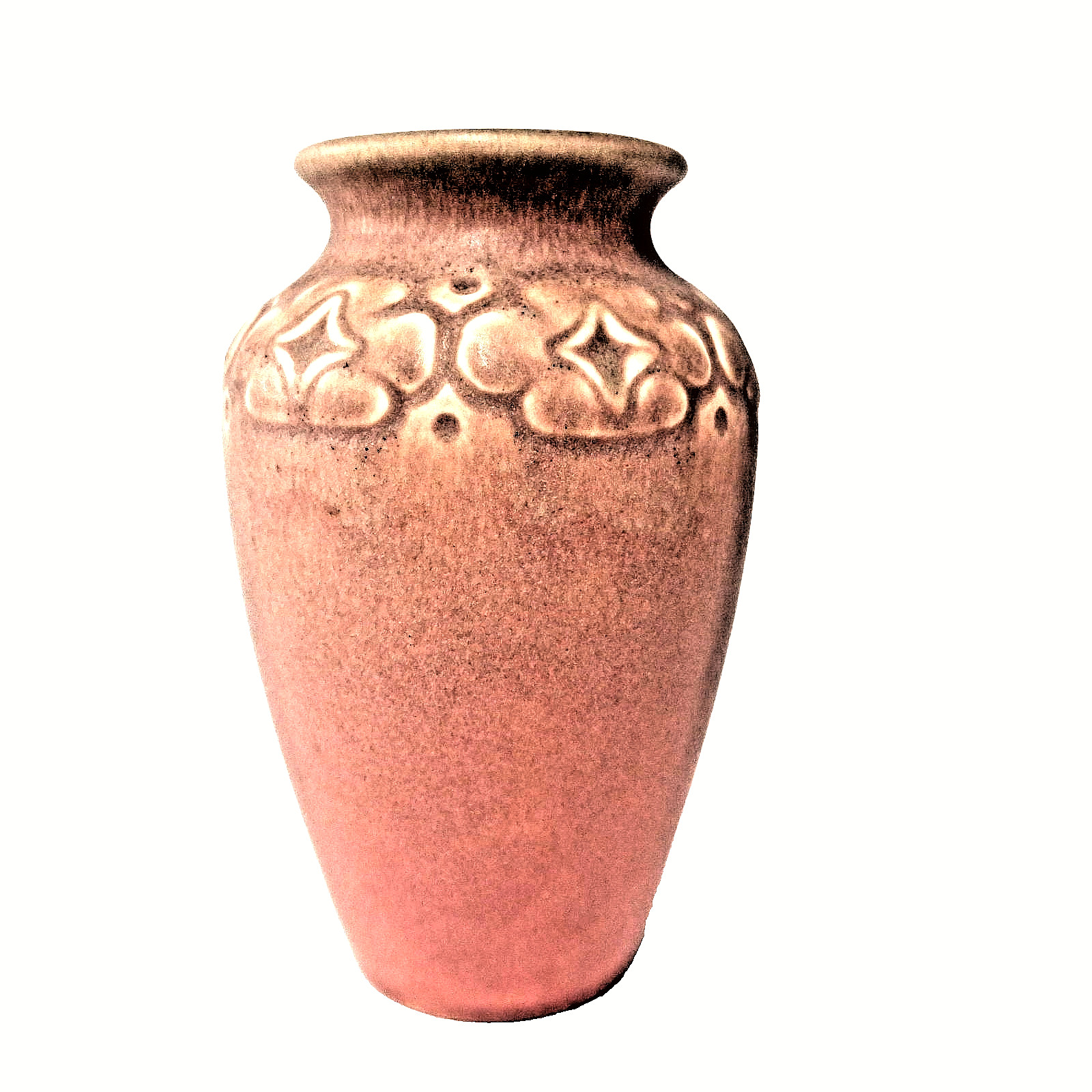
Rookwood Pottery is an American art pottery line from Cincinnati (founded 1880), prized for its hand-decorated, cast-and-carved vessels under distinctive matte and high-glaze finishes. The core buyer trade-off is era and decoration type: early hand-thrown, portrait, or plaque pieces carry the strongest collector demand, while later production and simple floral matte vases are more common and decorative-only. The clear rule is to buy by date mark, shape number, and glaze line—not by color or floral motif alone—because those three factors separate a durable investment-grade piece from a mass-market decor accent.

Buying guide image
Art Prints & Posters

Fine Art Print

Fine art prints are reproductions or original editions produced on archival-grade paper with pigment or dye inks, where the critical trade-off is paper/ink longevity and print resolution versus low-cost poster-grade materials. The decision rule: choose giclée or pigment-ink prints on 200+ gsm acid-free paper for lasting color; skip thin glossy poster stock and dye-ink prints if you expect the piece to survive sunlight and decades without fading.

Buying guide image
Comic Books & Issues

Amazing Spider Man 18

Amazing Spider-Man #18 refers to a specific issue number that has been relaunched across multiple volumes (1964, 1999, 2014, 2018, 2022), each with distinct cover art, print runs, and collectible value. The primary trade-off is between raw reading copies (low-grade, reader-friendly) and high-grade graded slabs (CGC/CBCS) that command premiums but limit handling. The decision rule: buy raw for reading or budget collecting, and buy slabbed only when the specific volume, variant, and grade are independently verified via certification lookup.

Buying guide image
Baseball Cards

Topp Baseball Card

Topps baseball cards are the longest-running annual trading card set in the hobby, defined by flagship Series 1/2/Update releases, chrome/refractor parallels, and vintage 1950s-1970s issues. The core trade-off is condition and print-run scarcity versus modern serial-numbered parallels: vintage raw cards hinge on centering, corners, and crease-free surfaces, while modern Topps products split into base paper, Chrome refractors, and autograph/memorabilia tiers. The decision rule is simple: buy vintage slabbed or well-photographed raw singles when centering is 60/40 or better, and buy modern only as sealed hobby boxes or explicitly numbered parallels with visible serial stamps.

Buying guide image
Art Prints & Posters

Animal Print

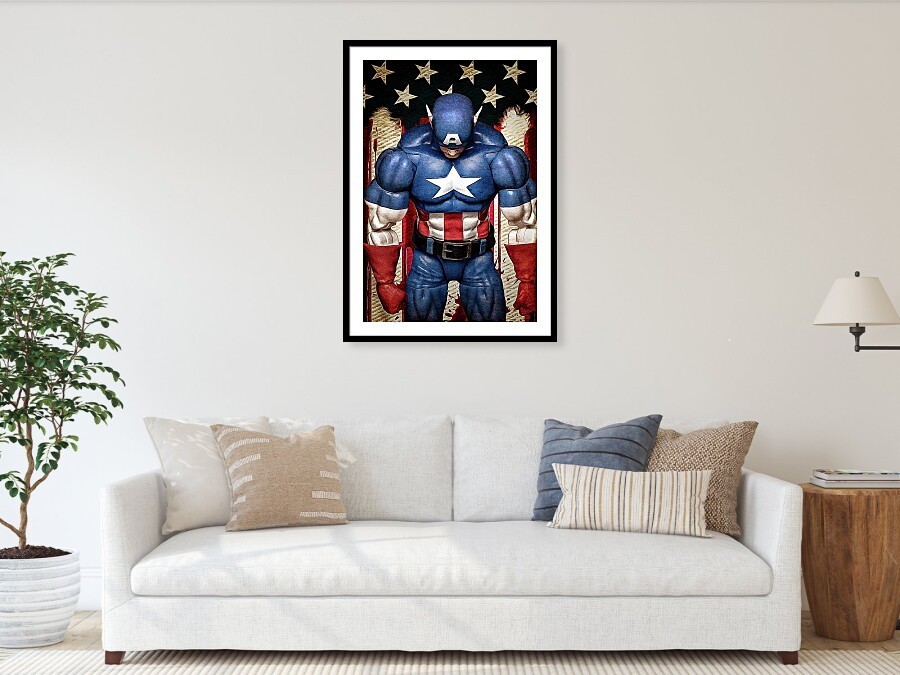
Animal prints are decorative wall art featuring animal subjects or patterns, spanning fine-art giclée reproductions, open-edition posters, and multi-piece gallery sets. The core trade-off is substrate and framing quality: archival pigment inks on 200+ GSM cotton rag or heavy cardstock resist fading for decades, while thin glossy paper and plastic frames yellow, warp, or scratch within a season. The decision rule is simple: buy archival paper with pigment inks and solid wood or metal frames when the print must last; choose lightweight cardstock sets only for short-term, high-energy spaces like kids' rooms.

Buying guide image
Art Prints & Posters

Animal Print Wall Art

Animal print wall art spans two distinct product classes: decorative canvas or paper prints featuring animal motifs (zebra, leopard, wildlife) and sculptural metal wall pieces shaped like animals. The core trade-off is substrate and framing quality — cheap unframed paper curls and fades, while metal or properly framed prints hold shape and color for years. Buy framed or metal if the wall gets direct light or handling; buy unframed paper only for temporary or low-traffic displays.

Buying guide image
Comic Books & Issues

Amazing Spider Man 11

Amazing Spider-Man #11 refers to a specific issue number that has been published multiple times across different volumes and eras, so the primary buyer challenge is identifying which series, printing, and grade you actually need. The key trade-off is between raw reading copies and professionally graded keys, where condition and variant cover directly determine value and collectibility. The clear decision rule: match the volume and year first, then choose a low-grade reader or a high-grade slab only after confirming the exact cover and printing.

Buying guide image
Comic Books & Issues

Amazing Spider Man 262

Amazing Spider-Man #262 is a key 1985 copper-age issue valued for its first full appearance of the Hobgoblin's identity reveal and its distinctive black-suit era cover. The primary buying trade-off is raw condition versus professional grading: high-grade raw copies with white pages are the collector norm, while CGC/CBCS slabs command premiums for verified grade and preservation. The decision rule: buy raw only from sellers who can show spine, corner, and page-quality photos, and buy slabbed only when the certification number matches the grading company's public census.

Buying guide image
Comic Books & Issues

Amazing Spider Man 123

Amazing Spider-Man #123 is a Bronze Age key issue from 1973, notable as the first appearance of the Luke Cage-inspired villain Chemistro and a meaningful turning point in early 1970s Spider-Man continuity. The core trade-off for buyers is raw condition versus professional grading: a high-grade raw copy can outperform a lower-grade slabbed copy in both eye appeal and resale liquidity, but only if the book is genuinely unrestored. The decision rule is simple: buy the highest-grade copy you can afford that is either professionally graded by CGC/CBCS or raw with clear, well-lit photos of spine, corners, and centrefold, and skip any listing that hides flaws or lacks interior shots.

Buying guide image
Comic Books & Issues

Marvel Age Of Comic

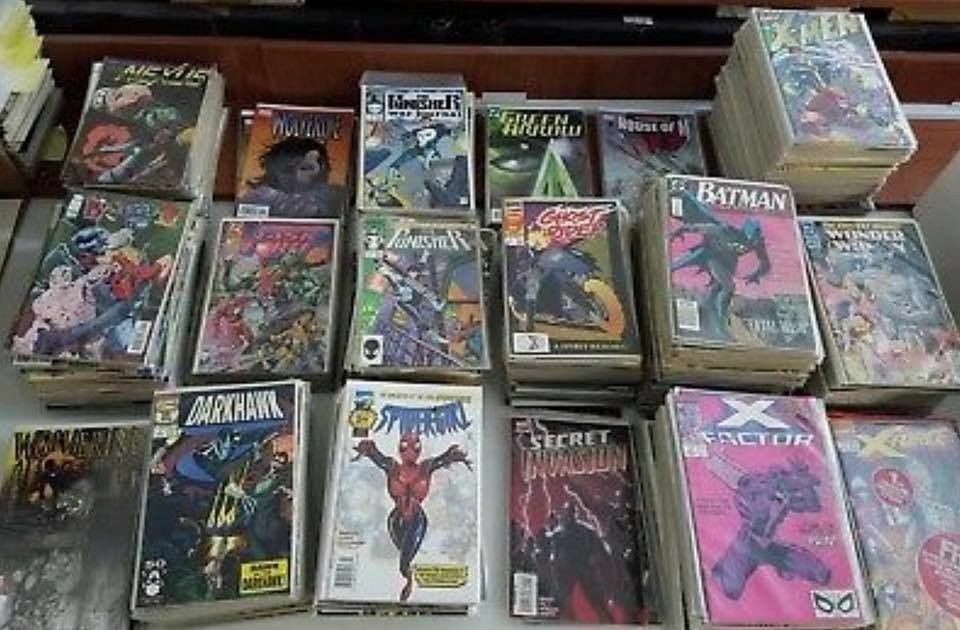
The Marvel Age of Comics is the foundational period from 1961 onward when Stan Lee, Jack Kirby, and Steve Ditko created the interconnected Marvel Universe, and it remains the key dividing line for collectors assessing Silver Age and Bronze Age issues. The primary trade-off is between high-grade raw copies with structural flaws and professionally graded slabs that lock in condition and authentication, and the decision rule is simple: buy CGC or CBCS graded keys for investment, and buy raw reader copies only when structural completeness and page count are verified.

Buying guide image
Comic Bags & Backing Boards

Comic Sleeve And Board

Comic sleeves and boards are the pair of a clear poly bag and a rigid acid-free backing board that together protect a single comic from handling, light, moisture, and bending. The critical trade-offs are plastic formulation (polypropylene vs. polyethylene vs. Mylar) and board chemistry (acid-free buffered vs. newsprint), which determine whether the comic stays bright for years or yellows from within. The clear decision rule: buy bags labeled polypropylene or Mylar with acid-free buffered boards in the correct width for the comic era, and skip thin grocery-grade bags or unbuffered boards that off-gas into the paper.

Buying guide image
Stamps & Postcards

Cactus Flower Stamp

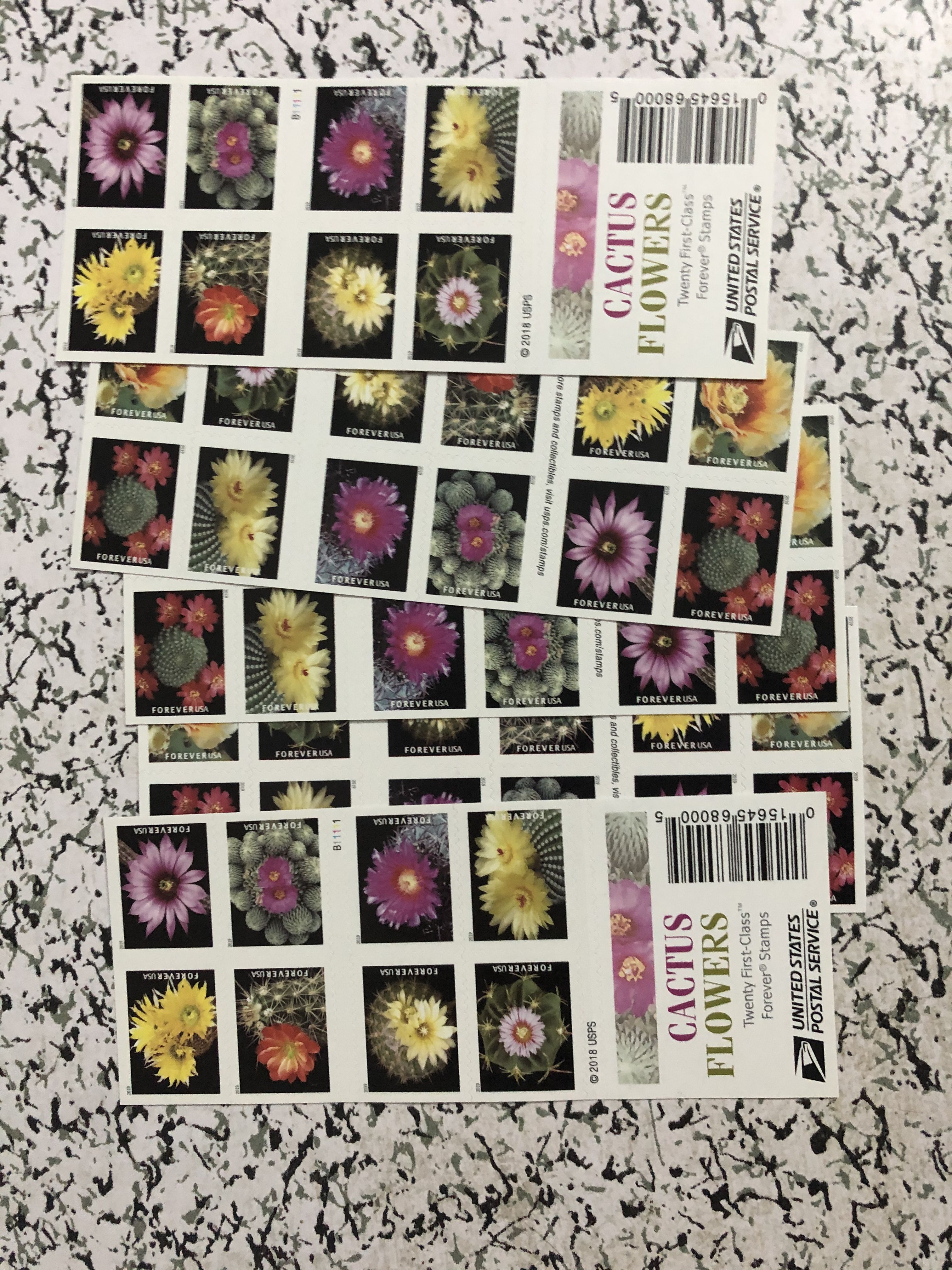
Cactus flower stamps are decorative or postage-valid stamps featuring cactus blossoms, used for mail art, scrapbooking, and collection. The key trade-off is between self-adhesive USPS-issued postage stamps (genuine, denominated, and gummed for mailing) and decorative rubber or clear stamps (craft-only, requiring ink pads and mounting). Buy USPS First-Class or Forever cactus-flower issues for actual mail; choose decorative stamps only for craft and journaling use.

You may also like

Finding more guides for you…