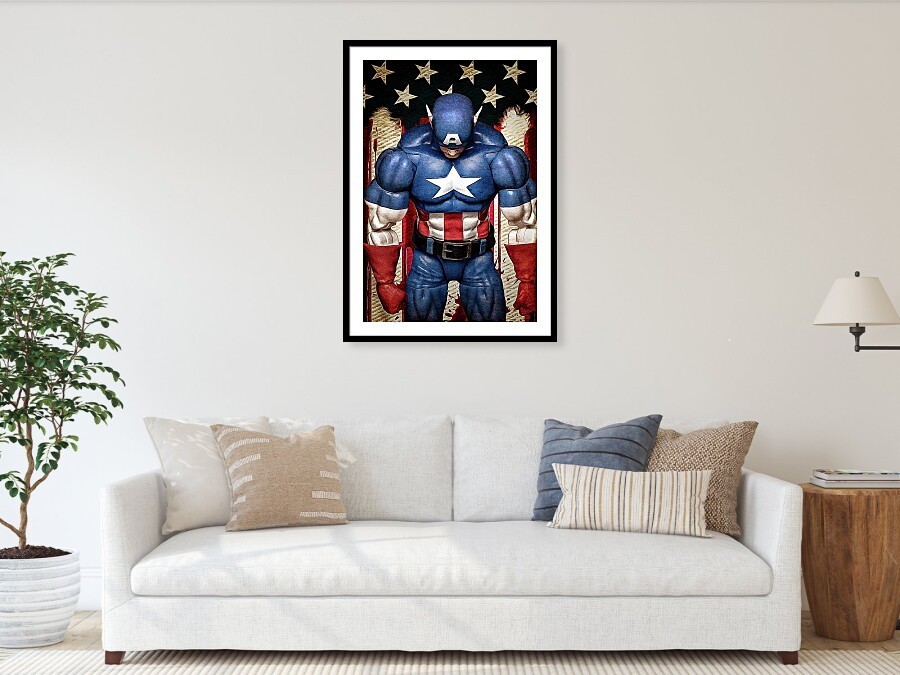

Photos from current listings. Actual item, color, and included accessories may vary.
Fine Art Print Buying Guide
Fine art prints are reproductions or original editions produced on archival-grade paper with pigment or dye inks, where the critical trade-off is paper/ink longevity and print resolution versus low-cost poster-grade materials. The decision rule: choose giclée or pigment-ink prints on 200+ gsm acid-free paper for lasting color; skip thin glossy poster stock and dye-ink prints if you expect the piece to survive sunlight and decades without fading.
At a glance
- Category
- Art Prints & Posters
- Last updated
- Nov 23, 2026
Current offers
Highlights
- Pigment-ink giclée prints hold color for 80–100+ years under glass, while dye-ink or laser poster prints can fade noticeably within 5–15 years in indirect light.
- Archival paper is acid-free and lignin-free at 200–300 gsm; standard poster stock under 150 gsm cockles, yellows, and shows roller marks.
- True fine art reproduction resolution requires 300 ppi at final print size — a 24×36 in print needs a source file of at least 7200×10800 px.
- Cotton rag (100% cotton) or alpha-cellulose papers with matte/ textured finish accept pigment ink without bronzing; glossy RC photo paper is not archival.
Best use cases
- Living room or gallery wall display: pick a pigment-ink giclée on 250+ gsm matte cotton rag, frame under UV-filtering glass or acrylic, and skip bare poster prints near windows.
- Bedroom or low-light hallway: a 200 gsm acid-free matte print in a simple frame is sufficient; avoid high-gloss finishes that mirror lamps and show fingerprints.
- Bathroom or kitchen: choose sealed frame with moisture-resistant backing or acrylic glazing; skip unsealed paper prints that absorb steam and ripple.
- Collector or gift purchase: require a signed and numbered limited edition with a certificate of authenticity; skip open-edition reproductions if resale or provenance matters.
Buying tips
- Match print size to standard frame sizes (8×10, 11×14, 16×20, 18×24, 24×36 in) to avoid custom matting costs; non-standard sizes require bespoke frames.
- Demand 300 ppi at print size: divide the pixel width by 300 to get maximum sharp print width in inches (e.g., 6000 px = 20 in wide).
- Prioritize pigment (archival) inks over dye inks; pigment particles resist UV and humidity far better, especially on matte fine art paper.
- Check paper weight: 200–300 gsm is the durable fine-art range; below 150 gsm is poster grade, above 300 gsm can crack when rolled tightly.
Specs
| Ink Type | Pigment (archival) vs dye |
|---|---|
| Paper Weight | 200–300 gsm acid-free |
| Print Resolution | 300 ppi at final size |
| Edition Type | Open edition vs signed/numbered |
Related searches
What to check before buying
- Measure your wall or frame opening first and order the exact print dimensions in inches; add 2–4 in mat border for a gallery look.
- Confirm the frame or mount accepts the paper thickness — 300 gsm board needs deeper rabbet or photo corners, not pressure clips.
- Assess lighting: direct sun or strong window light demands UV acrylic/glass and pigment inks; dim rooms tolerate standard glazing.
- Verify humidity and temperature stability; bathrooms and kitchens need sealed backing and acrylic rather than bare paper in an open frame.
FAQ
Data sources: eBay / Amazon listings and product attribute feeds. Updated Nov 23, 2026.
Some links on this page are affiliate links. If you buy after clicking one, we may earn a commission at no extra cost to you. This does not change which products appear here or their order. Affiliate disclosure.