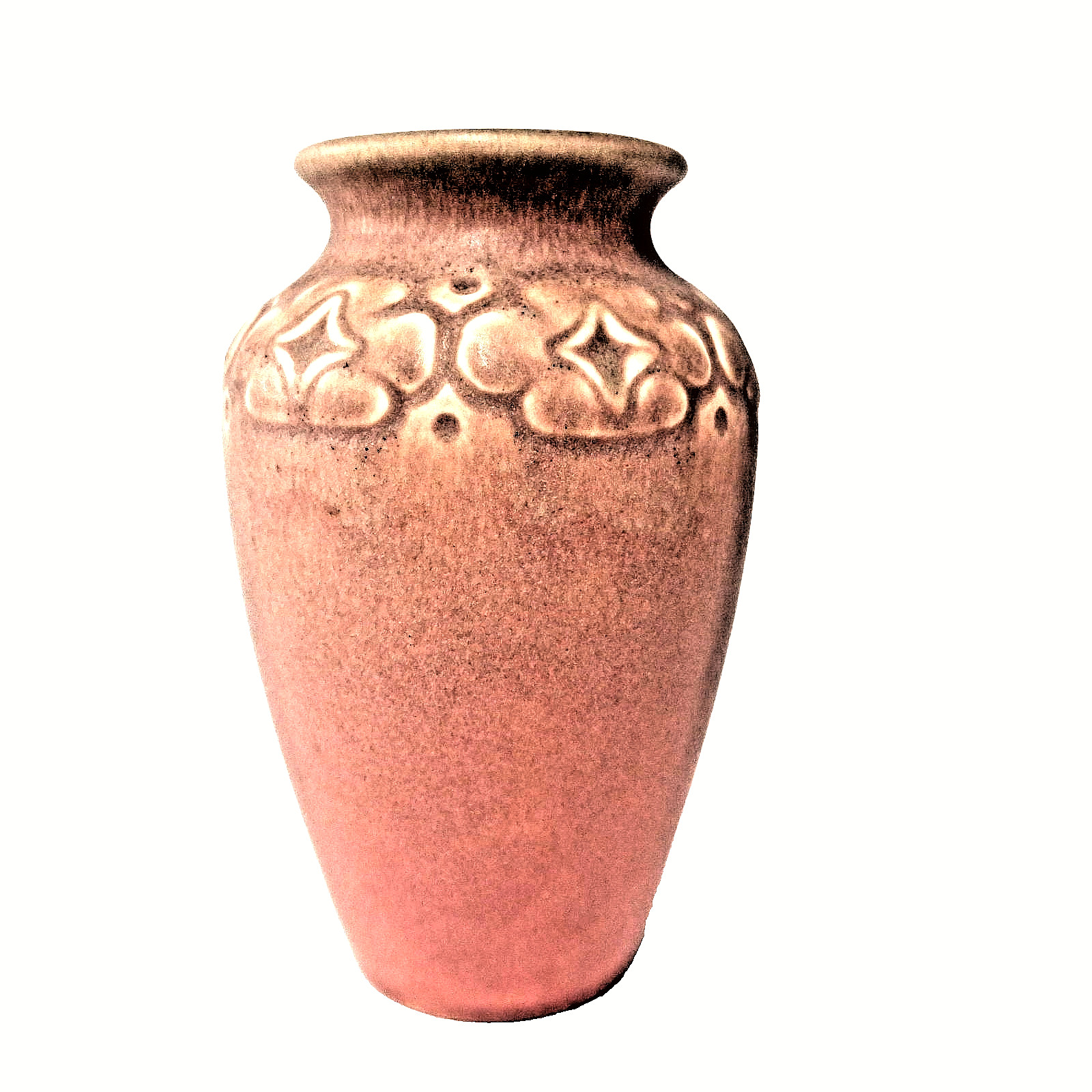

Photos from current listings. Actual item, color, and included accessories may vary.
Rookwood Pottery Buying Guide
Rookwood Pottery is an American art pottery line from Cincinnati (founded 1880), prized for its hand-decorated, cast-and-carved vessels under distinctive matte and high-glaze finishes. The core buyer trade-off is era and decoration type: early hand-thrown, portrait, or plaque pieces carry the strongest collector demand, while later production and simple floral matte vases are more common and decorative-only. The clear rule is to buy by date mark, shape number, and glaze line—not by color or floral motif alone—because those three factors separate a durable investment-grade piece from a mass-market decor accent.
At a glance
- Category
- Antiques, Pottery & Glass
- Last updated
- Nov 23, 2026
Current offers
Highlights
- Rookwood date marks run in a sequence from 1880 to the 1960s; the impressed flame-and-letter symbols on the base (or later Roman numerals) are the primary authentication anchor before decoration or glaze.
- Matte glazes, introduced around 1900 and dominant through the 1920s, are soft and porous-looking, while high-glaze (Standard) pieces are glossier and generally earlier—glaze type changes both value tier and surface care.
- Shape numbers are impressed alongside the date mark and let you confirm the form against production records; matching base marks to the piece's silhouette is the fastest counterfeit and misattribution screen.
- Decoration technique (hand-painted florals vs. carved/incised designs vs. silk-screen production) directly separates artist-signed studio pieces from later factory output, which is the single biggest value divide in the line.
Best use cases
- Best fit: an early (pre-1920) hand-decorated matte vase with a crisp impressed date mark, shape number, and artist cipher—buy this tier when display-as-investment and authenticity matter.
- Wrong fit: a plain late-production floral matte vase bought as a museum-grade antique—late factory output is decorative, not investment-grade, and should be priced as decor.
- Best fit: a matte Standard-glaze piece for a shelf or cabinet display where you want authentic Rookwood character without the premium of portrait or plaque work.
- Skip: heavily repaired, repainted, or unmarked 'Rookwood-style' vases—hairline cracks, glaze flakes, and missing base marks erase most resale value regardless of motif.
Buying tips
- Read the base before the front: an impressed Rookwood mark plus date symbol plus shape number is the baseline; absent or fuzzy marks should lower your offer or end the purchase.
- Match glaze to era—matte lines (Soft Porcelain-era matte through 1920s) suit early Arts & Crafts collections; high-gloss Standard glaze pieces are earlier and less common, so price and care differ.
- Prefer hand-decorated pieces with a legible artist cipher over unsigned factory decoration; artist attribution is the main driver between a decorative vase and a collector-grade one.
- Inspect for restoration: glaze chips, hairline cracks, and overpainting at the rim or base cut value sharply—request close-up base and rim photos before committing.
Specs
| Glaze Finish | Matte vs High-Gloss Standard |
|---|---|
| Date Mark | Flame symbol / letter or numeral |
| Decoration Type | Hand-decorated vs production |
| Base Marks | Impressed mark + shape number |
Related searches
What to check before buying
- Confirm the base shows an impressed Rookwood mark, a date symbol or numeral, and a shape number—three marks together are the minimum authenticity screen.
- Check the glaze line and decoration type against the date: late matte florals are common; early high-glaze or portrait work is scarce and should be scrutinized harder.
- Ask for straight-on and raking-light photos of the rim, base, and any handles to reveal chips, cracks, or repaint before you buy.
- Decide the display environment—matte glazes are softer and more stain-prone, so plan a dust-free cabinet rather than open shelving near kitchens or sunlight.
FAQ
Data sources: eBay / Amazon listings and product attribute feeds. Updated Nov 23, 2026.
Some links on this page are affiliate links. If you buy after clicking one, we may earn a commission at no extra cost to you. This does not change which products appear here or their order. Affiliate disclosure.