CurioShelf Guide

CurioShelf Guide

Collectibles & Art Reviews & Buying Guides

Compare collectibles & art by use case, features, trade-offs, price, returns, and seller terms before you buy.

Buying guides

Buying guide image
Pop Culture Collectibles

Bandai Spirits One Piece

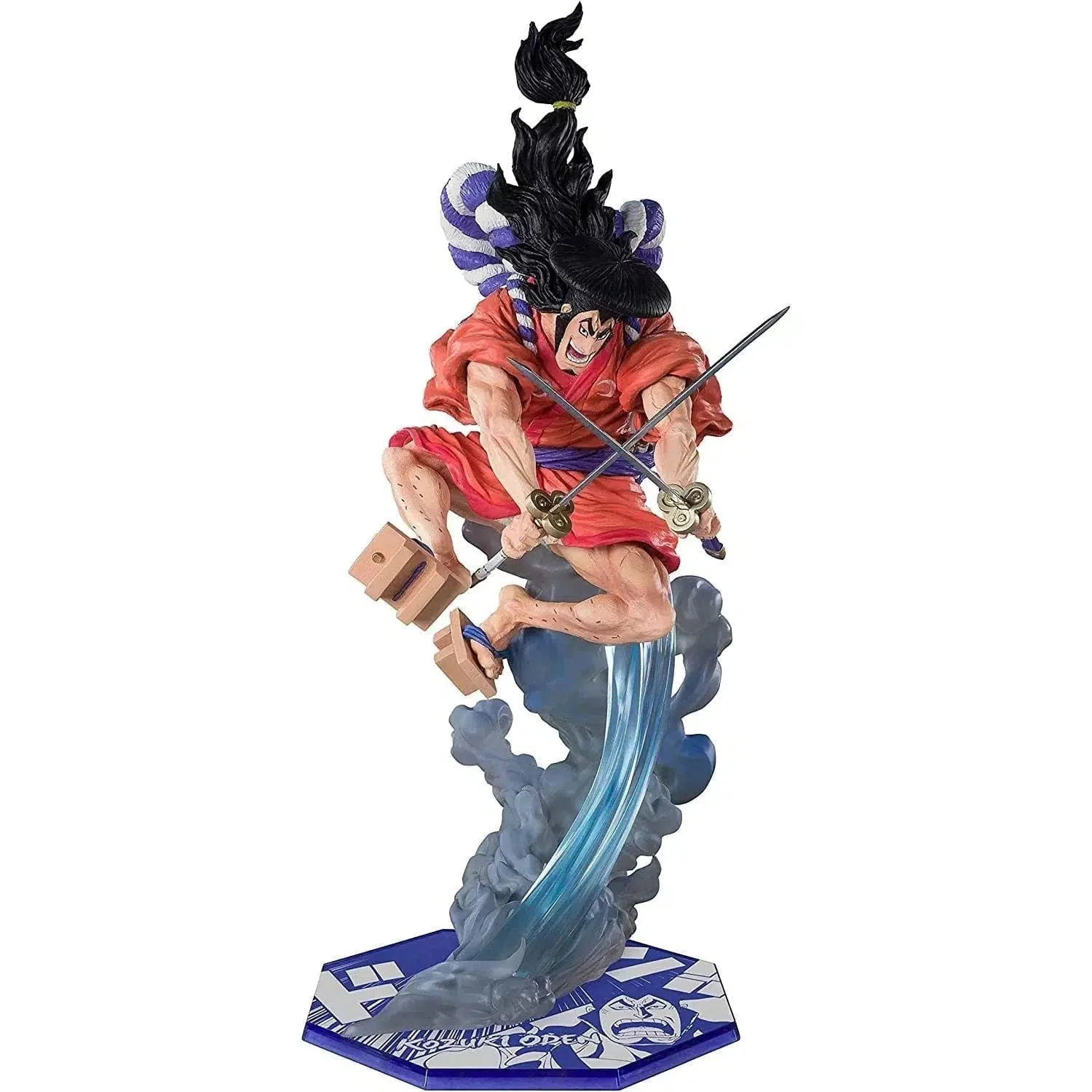
Bandai Spirits One Piece collectibles span articulated action figures, statue-scale figures, and prize-tier PVC releases, all produced under the Tamashii Nations umbrella. The decisive trade-off is articulation and accessory count versus sculpted statue detail, with price tier following license, scale, and paint complexity rather than character popularity. Buy articulated lines (S.H.Figuarts, FiguartsZERO jointed hybrids) only when posing matters; choose static FiguartsZERO, Ichibansho, or Banpresto prize figures when shelf presence and sculpt quality are the priority.
Buying guide image
Pop Culture Collectibles

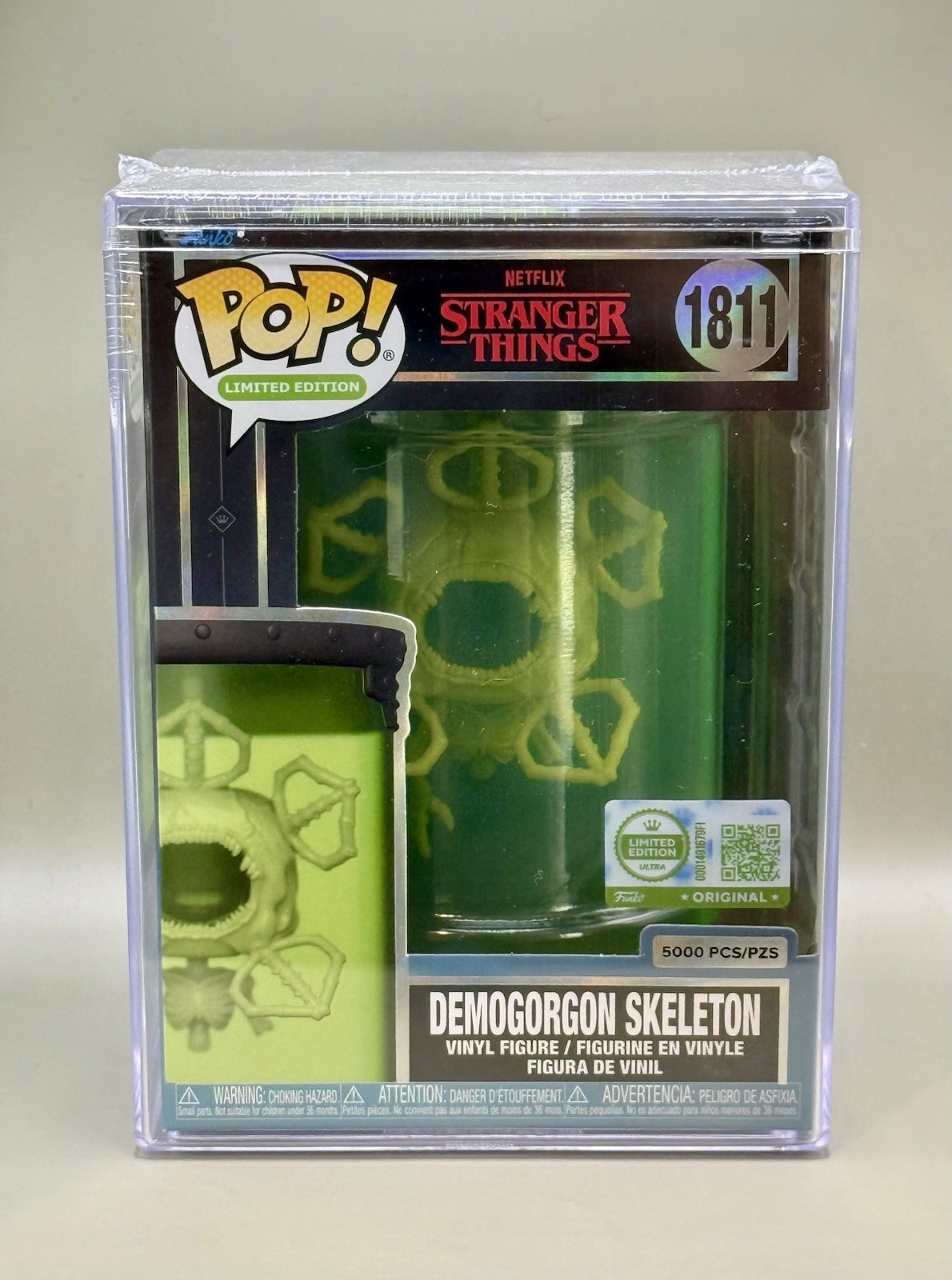
Funko Demogorgon Skeleton

The Funko Demogorgon Skeleton is a limited-edition Pop! Television vinyl figure (MPN 90732) tied to Stranger Things, distinguished by its skeletal deco and a stated 5,000-piece run. The core trade-off is authenticity versus price: a genuine limited run carries a numbered sticker and clean paint masks, while unlicensed or re-boxed copies use softer vinyl and blurry tampos. Buy only if you can match the MPN, the #1811 numbering, and the LE 5000 sticker; skip any listing that omits those identifiers.

Buying guide image
Pop Culture Collectibles

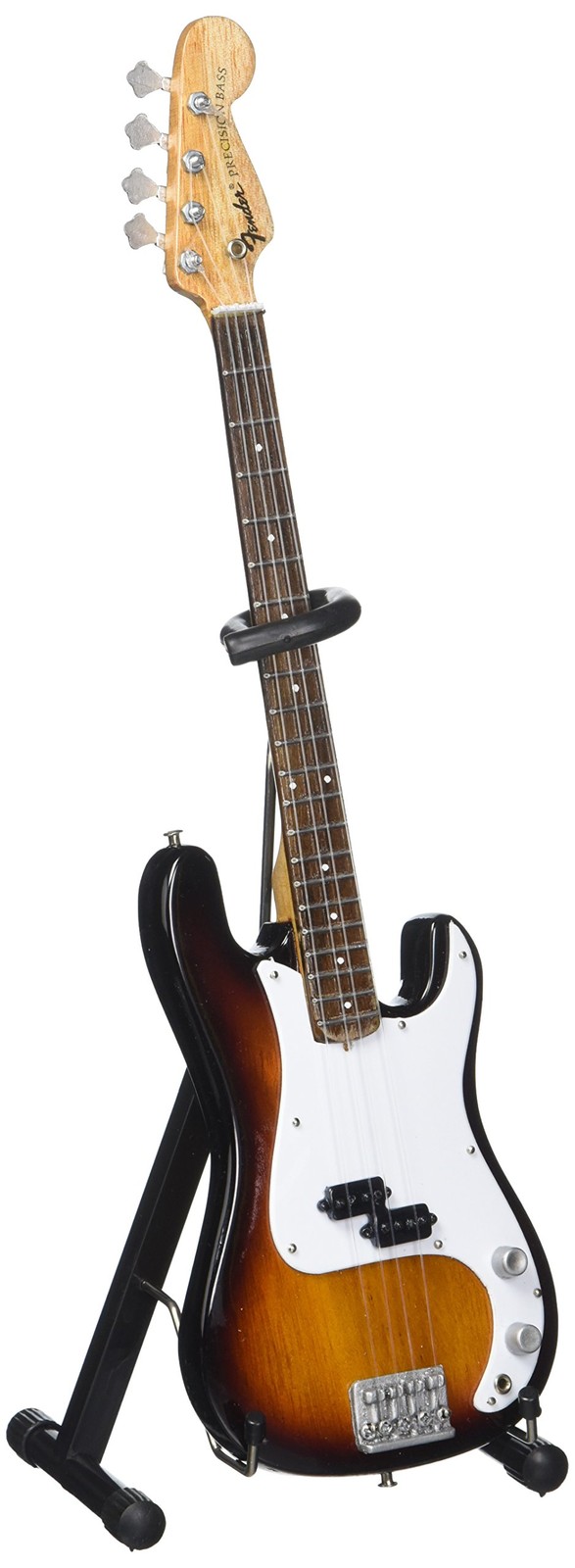
AXE HEAVEN miniature

AXE HEAVEN miniatures are officially licensed, non-playable scale replicas of iconic guitars and basses, built as display collectibles rather than instruments. The core trade-off is authenticity versus durability: licensed bodies and headstock shapes with mixed-material construction look precise but remain fragile shelf pieces. Buy only models explicitly marked as licensed and non-playable; skip any listing that implies playability or omits licensing.

Buying guide image
Pop Culture Collectibles

Funko Custom Personalized Funko Pop

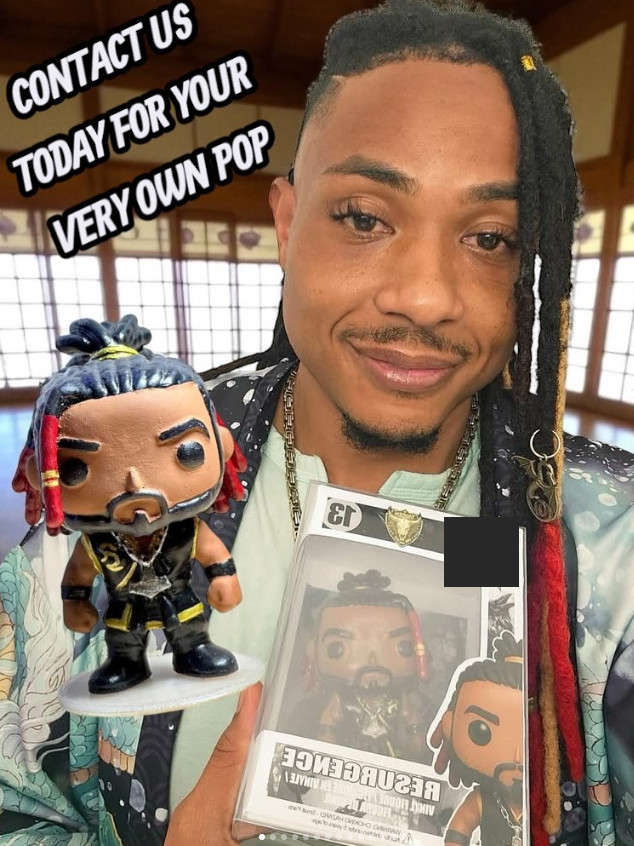
Custom personalized Funko Pop figures transform standard vinyl collectibles into one-of-a-kind likenesses through paint, sculpt, or decal modification. The key trade-off is authenticity vs. customization: official Funko Pop figures use factory-molded vinyl and licensed sculpts, while customs range from hand-painted repaints to full 3D-printed head swaps. The decision rule: choose a custom built on a genuine Funko base with documented artist work for display value; avoid unlicensed 3D-printed clones masquerading as official customs.

Buying guide image
Pop Culture Collectibles

FuRyu BiCute Bunnies Figure

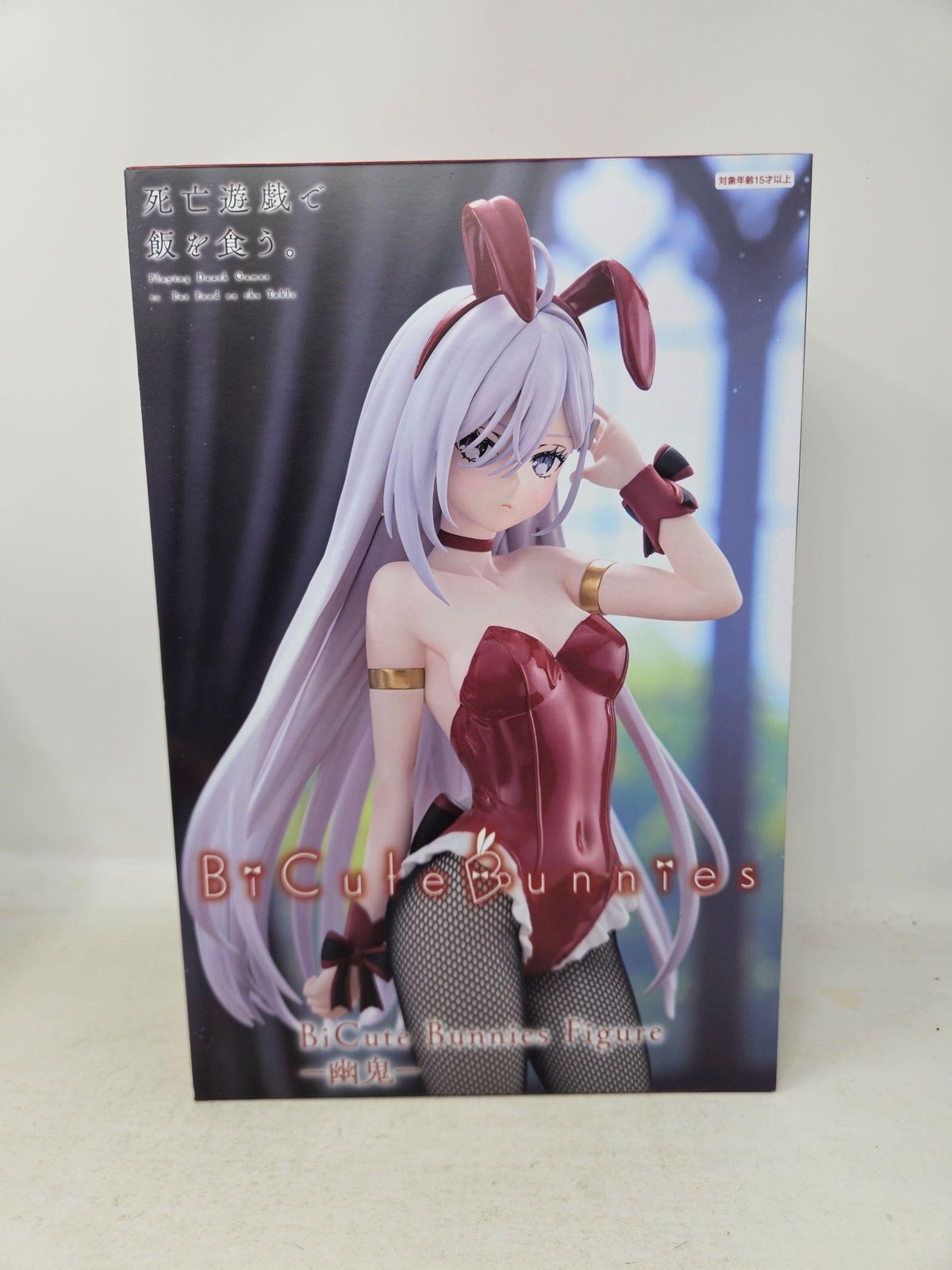
FuRyu BiCute Bunnies figures are officially licensed PVC/ABS anime collectibles featuring characters in stylized bunny-suit sculpts, sold boxed in Japan. The core trade-off is authenticity and sculpt quality: genuine FuRyu releases use dense PVC with crisp paint masking and tight seam lines, while unlicensed or factory-second casts show soft molding, sticker-only packaging, and flimsy bases. Buy the licensed boxed release with the FuRyu logo and Japanese distribution sticker; skip loose or no-brand listings.

Buying guide image
Pop Culture Collectibles

Liberty Classics 1940 Ford

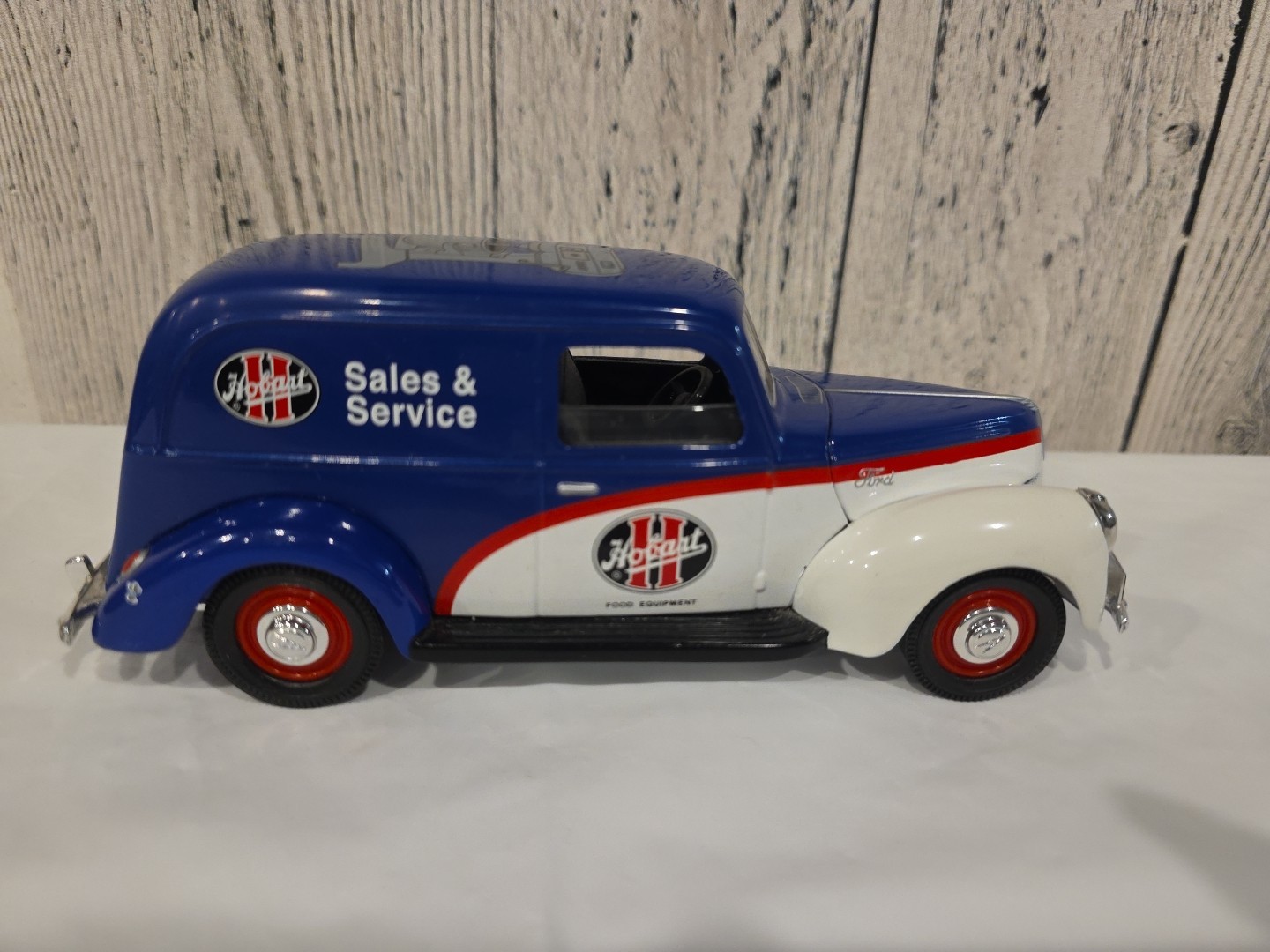
The Liberty Classics 1940 Ford is a diecast coin bank modeled after the 1940 Ford delivery truck, issued as a limited-edition promotional piece for Hobart Food Equipment. Buyers face a single trade-off: authenticity and scarcity of a licensed, period-correct bank versus the condition and completeness risks of buying a discontinued collectible on the secondary market. The decision rule is straightforward—buy only if the listing documents the Hobart branding, the coin-bank mechanism, and original packaging; otherwise skip it for a generic 1:24 diecast truck.

Football Cards

Panini Football Card

Panini football cards are officially licensed NFL trading cards spanning entry-level retail sets to high-end hobby boxes, defined by brand tier (Donruss, Prizm, Optic, Select, National Treasures) and print-run scarcity. The core trade-off is pack count and parallel density versus guaranteed autograph/memorabilia hits per box, with retail formats yielding fewer numbered cards than hobby configurations. The decision rule: buy hobby boxes for guaranteed autographs and low-numbered parallels, retail blasters/megas for base-set and rookie chasing at lower entry cost, and skip repackaged or unlicensed cards entirely.

Coins & Paper Money

United State Mint Coin

United States Mint coins are official legal-tender issues struck at West Point, Philadelphia, Denver, and San Francisco, spanning circulating strikes, proof sets, and precious-metal commemoratives. The core trade-off is face-value collectibility versus bullion/numismatic premium: modern proof and uncirculated coins carry a mint markup, while bullion issues track metal spot plus a smaller premium. The decision rule is simple—buy certified or mint-sealed product for preservation and resale liquidity, and avoid raw, cleaned, or improperly stored coins that lose grading eligibility.

Pop Culture Collectibles

Pokemon Booster

Pokemon booster products are sealed randomized card packs sold in configurations from single packs to booster boxes, with the core trade-off being sealed authenticity and print-run freshness versus per-pack cost. The decisive rule: buy only factory-sealed product from a reputable distributor or big-box retailer, because loose packs and resealed boxes are the primary source of counterfeit and tampered cards.

Comic Books & Issues

Amazing Spider Man Comic

Amazing Spider-Man comics are ongoing serialized Marvel issues where the primary buying trade-off is format and condition: raw newsstand/direct editions vs. graded slabs, and cover variants vs. main story covers. The decision rule is simple—buy raw reader copies in high grade for story runs, and only pay slab premiums for key first appearances or low-print variants.

Comic Books & Issues

Captain America Comic

Captain America comics span eight decades of continuity, from 1941 Golden Age issues to modern Marvel legacy renumberings, so the real decision is not whether to buy but which era, format, and grade tier matches your goal. The primary trade-off is collectible condition and key-issue status versus readable affordability: high-grade Silver/Bronze keys and variant covers command premiums, while reader-grade copies and trade paperbacks deliver the story at a fraction of the cost. Buy slabbed or high-grade raw copies only for recognized keys, and choose reader-grade or collected editions when the priority is following the narrative.

Comic Books & Issues

Invincible Comic Book

Invincible is Robert Kirkman's superhero saga, collected across trade paperbacks, hardcover compendiums, and single issues. The core trade-off is format: softcover compendiums offer the lowest cost-per-page but lighter paper and glued spines, while hardcovers and single issues deliver superior paper, sewn binding, and collector durability. Buy compendiums if you read in long sessions and want shelf efficiency; buy hardcovers or key single issues if longevity, gutter visibility, and resale value matter.

Comic Books & Issues

Walking Dead Comic

The Walking Dead comic is Robert Kirkman's 193-issue survival-horror saga, available as single monthly issues, trade paperbacks, hardcover compendiums, and deluxe color editions. The core buying trade-off is format versus collectibility: newsstand-floppy single issues carry collector risk (condition, bagging, variant covers), while collected editions trade resale upside for readability and shelf durability. The decision rule: buy single issues only for graded or complete-run collecting; buy trades or compendiums for reading, gifting, or space-efficient shelves.

Comic Books & Issues

Wonder Woman Comic

Wonder Woman comics are DC Universe superhero serials and graphic novels following Diana of Themyscira, published across ongoing monthly series, limited runs, and collected trade paperbacks. The core buyer trade-off is format and continuity: single issues offer cover art and first appearances but are fragile and serialized, while collected editions (TPB, Omnibus, Deluxe) deliver a complete arc on durable paper with better shelf life. The decision rule: buy single issues only for collecting or cover variants; buy collected editions for reading, gifting, or completing a run.

Baseball Cards

Mike Trout Baseball Card

Mike Trout baseball cards span a wide spectrum from base set commons to low-population rookie autographs, with condition, print run, and authentication determining nearly all value. The primary trade-off is between raw singles (grading upside, risk) and professionally graded/authenticated copies (certainty, premium). The decision rule: buy raw only from reputable sellers for entry-level cards, and insist on PSA/BGS/SGC grading for anything with a four-figure or higher market ceiling.

Baseball Cards

Mike Trout Card

Mike Trout cards span a wide range from base paper rookies to signed chrome refractors, and the primary trade-off is print run and condition versus authentication risk. The clear rule: buy licensed flagship rookies (2011 Topps Update) or serial-numbered autograph parallels with third-party grading, and skip unlicensed reprints or raw high-end cards without provenance.

Baseball Cards

Panini Baseball Card

Panini baseball cards are officially licensed MLBPA products that feature current players but lack MLB team logos due to exclusive licensing held by Topps. The primary trade-off is design and autograph value versus logo authenticity, with retail blasters and hangers offering entry-level rips while hobby boxes and cases deliver guaranteed hits. The clear decision rule: buy Panini when you want affordable prospect autographs or colorful parallels; choose Topps when team logos and long-term flagship continuity are non-negotiable.

Football Cards

Panini Sport Card

Panini sports cards are officially licensed trading cards across NFL, NBA, MLB, and soccer, defined by product tier and print run rather than by single SKU. The core trade-off is between base retail products that prioritize volume and fun breaks versus hobby-exclusive products that promise guaranteed autographs, memorabilia, and low serial-numbered parallels; durable value comes from understanding odds and print runs, not from chasing hyped retail blasters. The decision rule: buy hobby configurations when you want guaranteed hits and serial-numbered chase cards, buy retail only for set-building or casual ripping, and skip any product that hides autograph odds or print runs behind vague marketing language.

Basketball Cards

Michael Jordan Card

Michael Jordan cards are the single most collected basketball card segment, spanning mass-produced base cards from the 1986–1998 Bulls dynasty to rare inserts, parallels, and autographs. The core trade-off is print-run scarcity versus condition: a high-grade common card can outperform a low-grade rare card in liquidity, and the 1986 Fleer #57 rookie is the segment's benchmark—authenticated or not, it separates serious collectibles from reprints and junk wax. The decision rule: buy only cards that are either professionally graded (PSA, BGS, CGC, SGC) or raw with verifiable centering and no trimming, and skip any listing without a clear back image and print-era identification.

You may also like

Finding more guides for you…