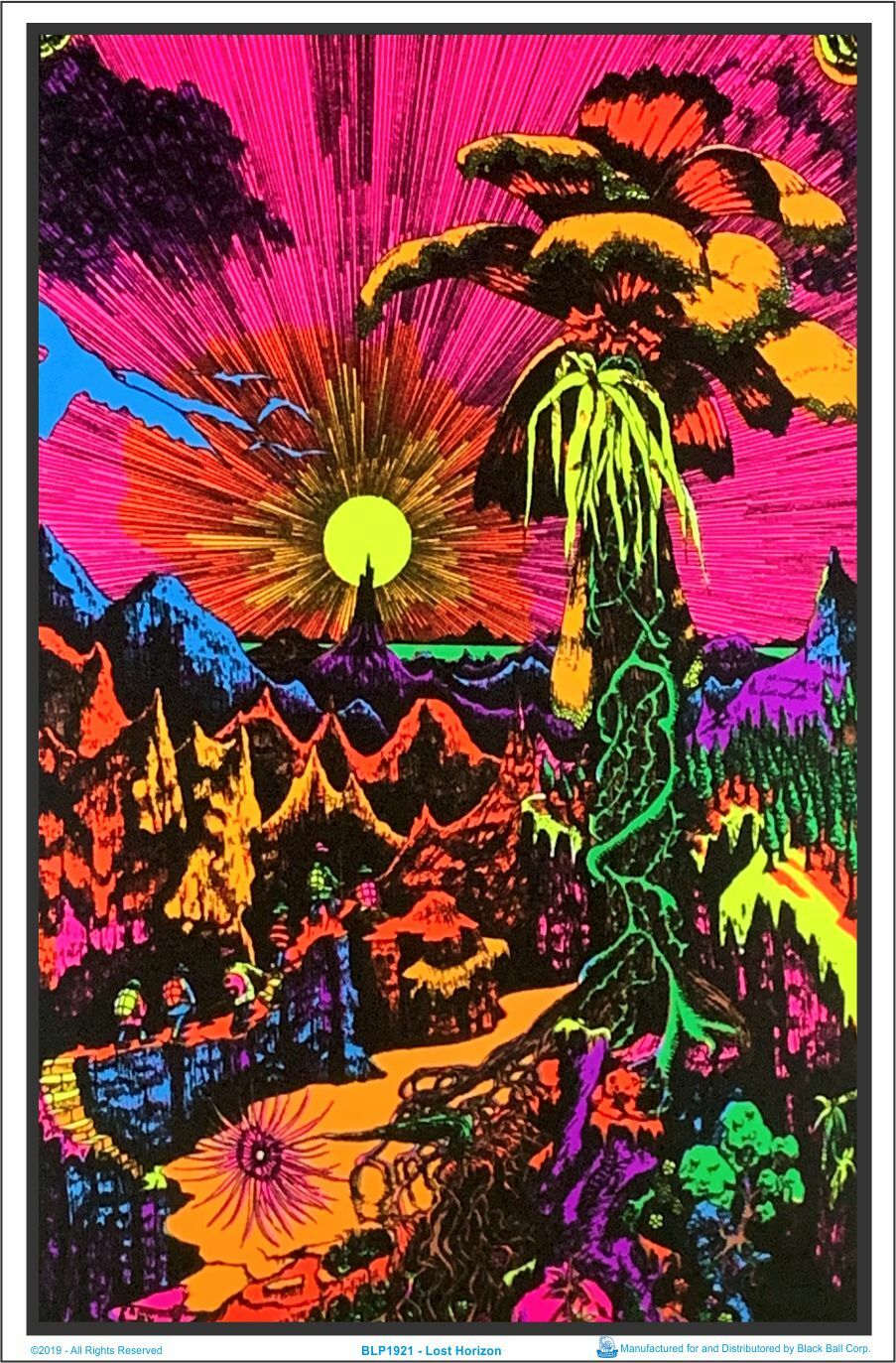

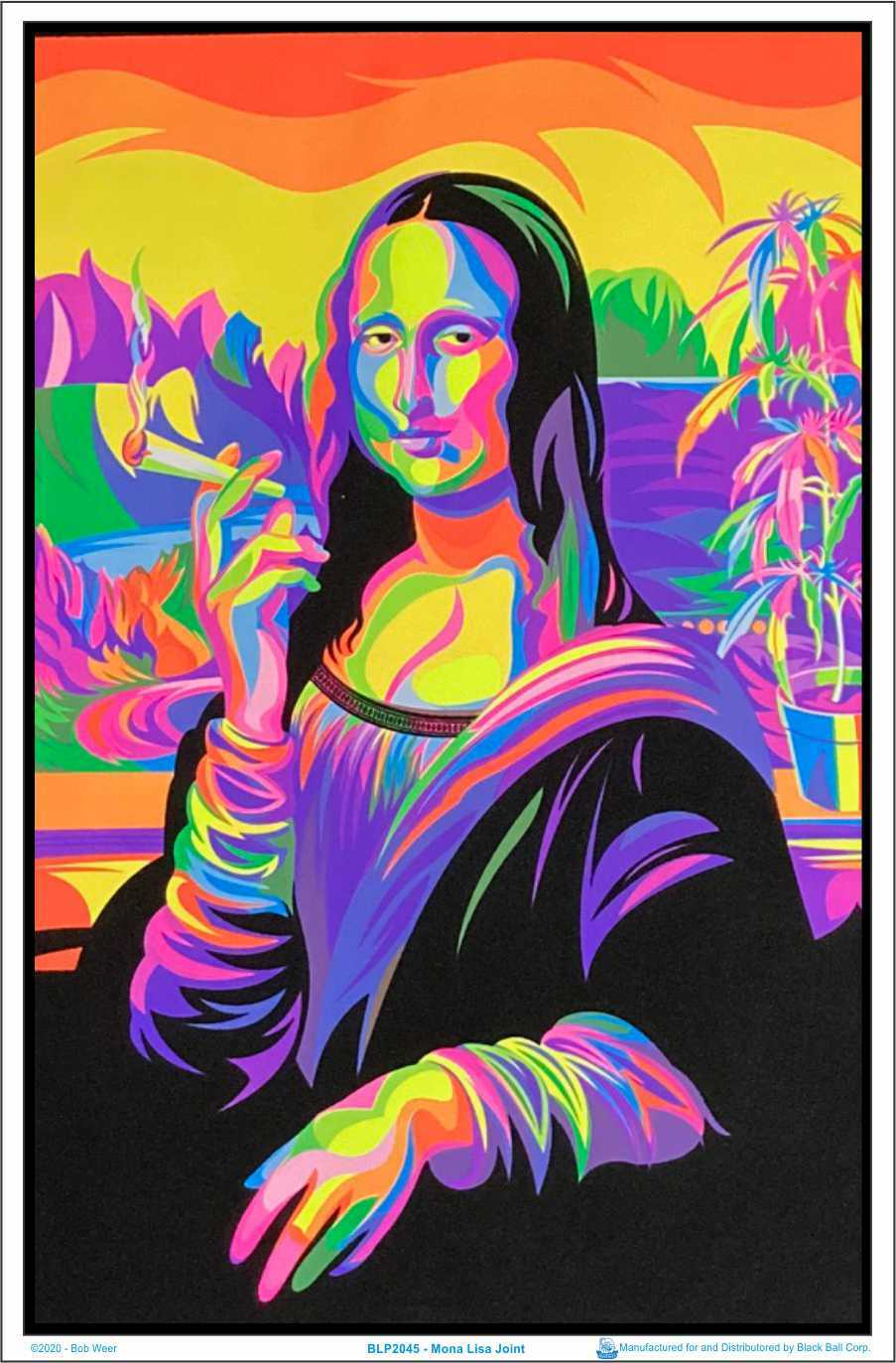
Photos from current listings. Actual item, color, and included accessories may vary.
Black Light Poster Buying Guide
Black light posters are fluorescent-ink or flocked prints designed to glow under UV (365–395 nm) light, not ordinary room lighting. The core trade-off is ink chemistry and substrate: true UV-reactive pigments on matte or flocked stock versus standard CMYK prints that merely look bright. Choose UV-reactive inks with a declared wavelength or flocked fiber density for genuine glow; skip any poster labeled only 'neon' or 'colorful' without UV specs.
At a glance
- Category
- Art Prints & Posters
- Last updated
- Nov 23, 2026
Current offers
Highlights
- True black light posters use fluorescent pigments that absorb 365–395 nm UV and re-emit visible light; standard CMYK inks only reflect ambient light and appear dull under UV.
- Flocked posters apply a velvet-like fiber layer (typically 40–60 gsm) that traps UV light and boosts contrast, reducing glare and ink fade compared to smooth offset stock.
- Medium size up to 36 in. covers the common 23×35 in. format; larger UV-reactive sheets often require thinner ink laydown or risk uneven glow at edges.
- Vintage-style black light art peaked with 1970s fluorescent screenprints; modern reprints use UV-cured inks that resist cracking but can fade faster than original solvent-based fluorescent inks.
Best use cases
- Best fit: a dark room or blackout corner with a dedicated 365 nm UV blacklight bar — pick a flocked 23×35 in. poster for maximum glow contrast; skip standard paper prints if the room has no UV source.
- Best fit: a retro or vintage-style decor scheme — choose a flocked or fluorescent screenprint with 1970s-style artwork; skip matte giclée prints, which are not UV-reactive.
- Wrong fit: brightly lit living rooms with no blacklight — a black light poster will look like a dim, oddly colored print; choose a standard art print instead.
- Wrong fit: outdoor or humid spaces — UV inks and flocked fibers degrade under moisture and sunlight; keep black light posters indoors in dry, low-UV conditions.
Buying tips
- Confirm UV reactivity by wavelength: genuine posters specify 365 nm or 395 nm response; 'neon' or 'bright colors' alone is not a UV standard.
- Check substrate: flocked posters use a fiber layer for glow depth, while smooth offset stock gives sharper lines but weaker UV absorption; choose flocked for atmosphere, smooth for detail.
- Size math: 23×35 in. fits a standard 24×36 in. frame with a 1 in. mat; confirm your blacklight bar length covers at least 80% of the poster width for even glow.
- Ink durability: UV-cured fluorescent inks resist cracking better than solvent inks, but all fluorescent pigments fade under direct sunlight — keep away from windows.
Specs
| UV Reactivity | 365–395 nm fluorescent pigments |
|---|---|
| Substrate | Flocked fiber vs smooth offset stock |
| Standard Size | 23×35 in. (medium up to 36 in.) |
| Ink Type | UV-cured fluorescent vs solvent |
Related searches
What to check before buying
- Measure wall area and frame: 23×35 in. posters need a 24×36 in. frame or a 1 in. mat border; confirm clearance for a blacklight bar above or beside.
- Verify UV light source: a 365 nm blacklight tube or LED bar is required; standard party blacklights (395 nm) produce more visible purple and less glow.
- Check room darkness: black light posters need dim ambient light — test with your planned UV light in a dark room before hanging.
- Confirm indoor, dry placement: avoid bathrooms, kitchens, and sunlit walls; flocked fibers and fluorescent inks degrade with moisture and UV exposure.
FAQ
Data sources: eBay / Amazon listings and product attribute feeds. Updated Nov 23, 2026.
Some links on this page are affiliate links. If you buy after clicking one, we may earn a commission at no extra cost to you. This does not change which products appear here or their order. Affiliate disclosure.