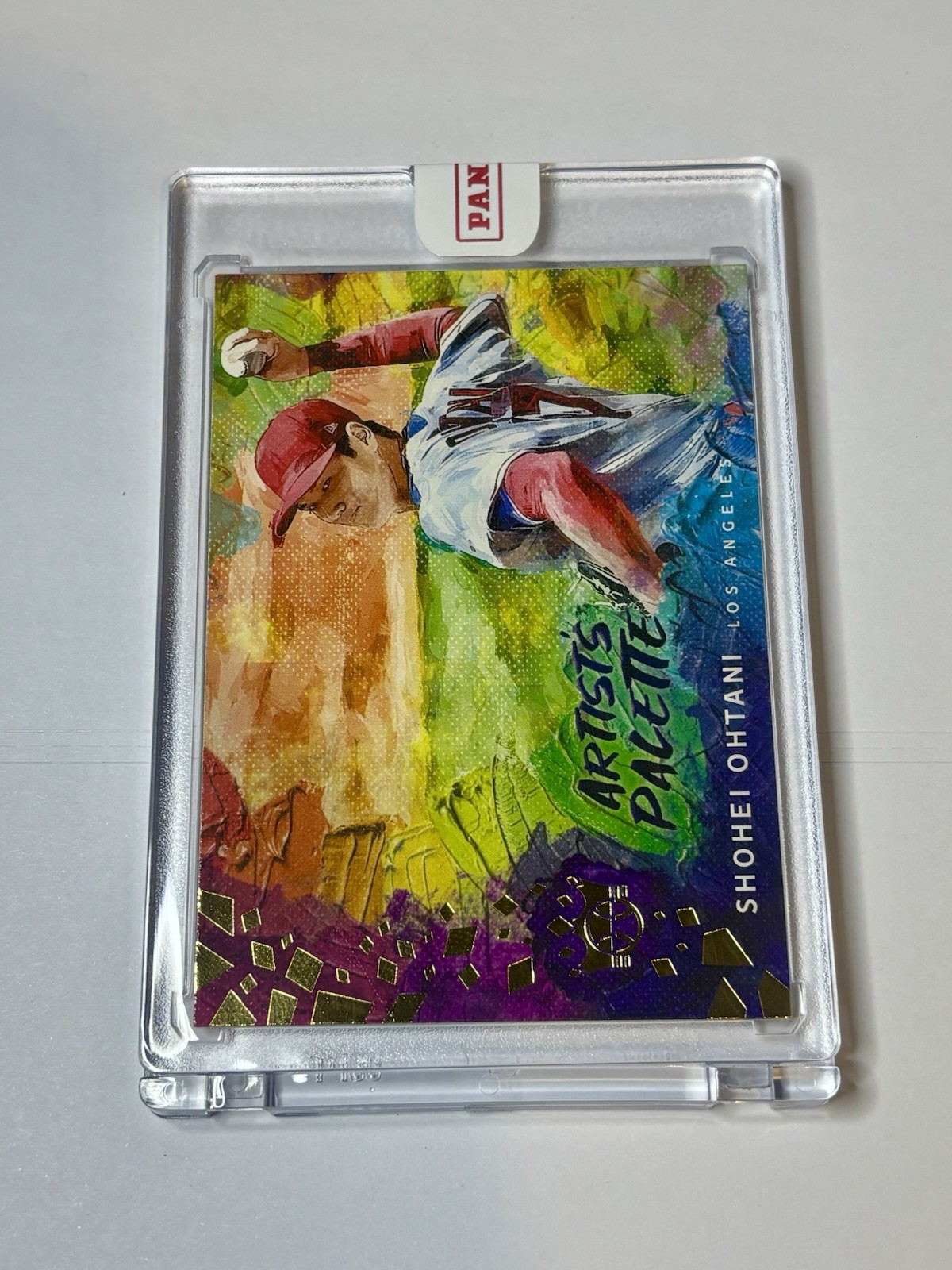

Photos from current listings. Actual item, color, and included accessories may vary.
Shohei Ohtani Card Buying Guide
Shohei Ohtani cards span licensed rookie-year issues, modern flagship parallels, and unlicensed novelty/art displays with wildly different liquidity and long-term value. The core trade-off is licensed provenance and graded condition versus decorative art cards that carry no official MLB or MLBPA license; the decision rule is simple—buy licensed flagship/rookie cards for investment, and treat encased art prints strictly as display pieces.
At a glance
- Category
- Baseball Cards
- Last updated
- Nov 23, 2026
Current offers
Highlights
- 2018 is Ohtani's MLB rookie year: Topps Series 2 #700, Topps Chrome #150, and Bowman Chrome #1 are the canonical licensed rookies; 2013 BBM Japanese cards predate MLB and are not MLB rookies.
- Licensed cards carry MLB/MLBPA trademarks and usually a Topps/Panini brand mark; unlicensed art display cards lack team logos, player association marks, and any pack/box provenance.
- Grading tiers matter more than raw centering: PSA 10 vs PSA 9 can swing value several-fold, and modern Chrome cards are graded on 50/50 centering, sharp corners, and clean surfaces.
- Parallel scarcity drives value: base Chrome, Refractor, and numbered color parallels (e.g., /499, /250, /99) sit in different tiers, with autographs and low-numbered parallels commanding the largest premiums.
Best use cases
- Best fit for investment: a licensed 2018 Topps Chrome or Bowman Chrome rookie, raw or graded PSA/BGS, held long-term; skip unlicensed art cards entirely.
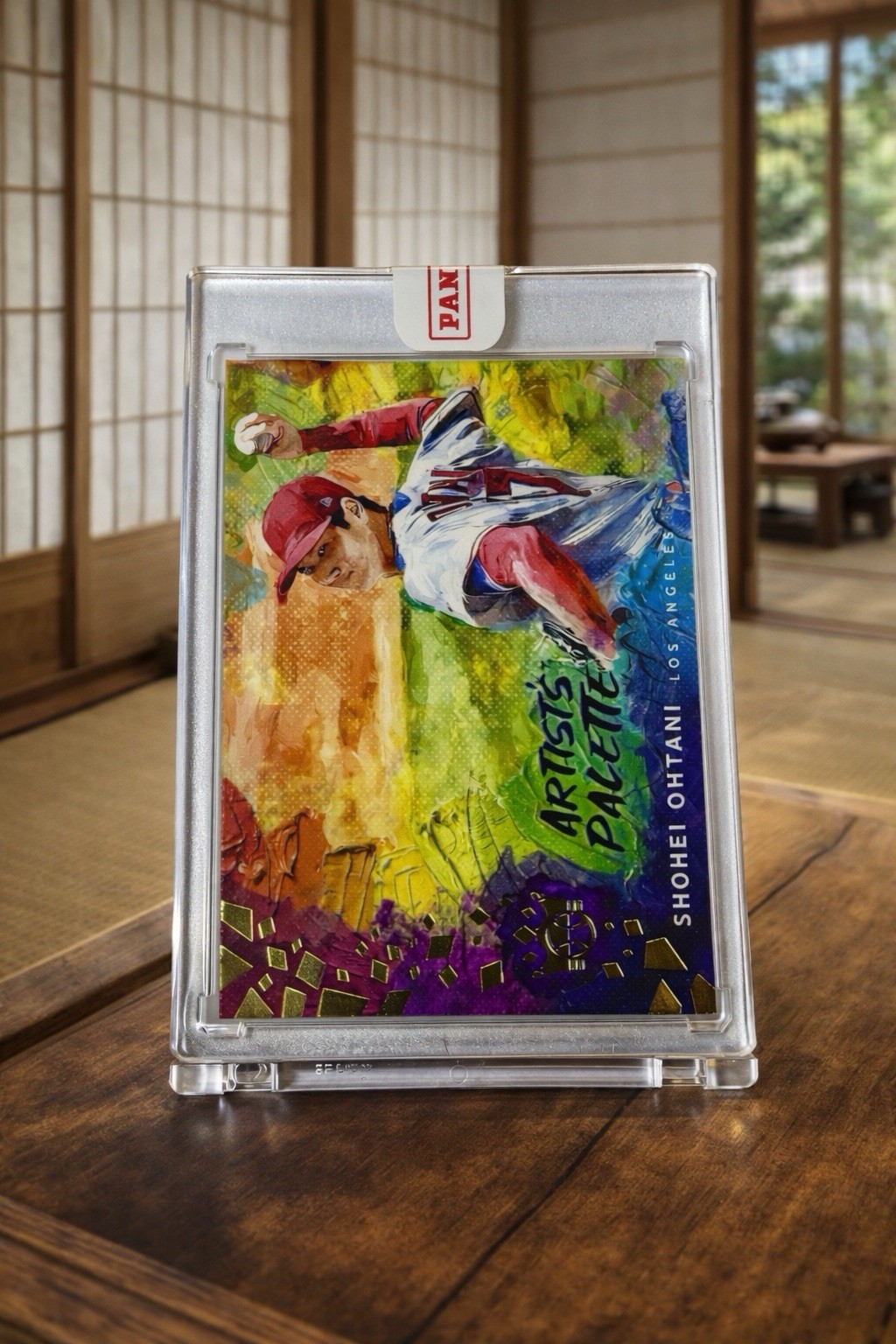
- Best fit for PC/display: a licensed base rookie or flagship insert in a one-touch magnetic case; choose an art display card only if you want decorative, non-collectible wall art.
- Best fit for autograph collectors: pack-pulled or Topps-certified on-card autos with COA provenance; avoid sticker autos on unlicensed novelty cards with no authentication.
- Wrong fit: paying rookie-card premiums for encased 'MVP art print' cards—these are print-on-demand displays, not cards with a documented print run or license.
Buying tips
- Confirm the year and brand on the card front: 2018 Topps/Bowman Chrome rookies are the investment tier; 2013 BBM is a Japanese pre-MLB novelty, and art displays are not rookies.
- Check the license: licensed cards show MLB/MLBPA logos and a manufacturer mark; unlicensed cards often omit team names and player association marks—treat these as decorative only.
- For graded cards, compare the exact grade (PSA 10, PSA 9, BGS 9.5) and subgrades; centering and surface are the biggest grade drivers on Chrome stock.
- Identify the parallel: base, Refractor, and numbered color (e.g., /499, /250, /99) have distinct print runs; numbered cards should show the serial stamp on the front or back.
Specs
| License | Licensed (MLB/MLBPA) vs unlicensed art |
|---|---|
| Rookie Year | 2018 MLB; 2013 BBM is pre-MLB |
| Brand Tier | Topps Chrome / Bowman Chrome flagship |
| Grade | Raw vs PSA/BGS 9–10 |
Related searches
What to check before buying
- Verify the card is licensed: look for MLB/MLBPA marks and a Topps/Panini brand logo on the front or back before paying rookie-card prices.
- Match the exact rookie: 2018 Topps Series 2 #700, Topps Chrome #150, or Bowman Chrome #1—not a 2013 BBM Japanese issue or an art print.
- For graded slabs, confirm the holder is intact, the label matches the card, and the cert number is searchable in the grader's database.
- Budget for protection: penny sleeve plus top loader for raw cards, or a UV-protective one-touch/slab case for display to prevent fading and corner damage.
FAQ
Data sources: eBay / Amazon listings and product attribute feeds. Updated Nov 23, 2026.
Some links on this page are affiliate links. If you buy after clicking one, we may earn a commission at no extra cost to you. This does not change which products appear here or their order. Affiliate disclosure.