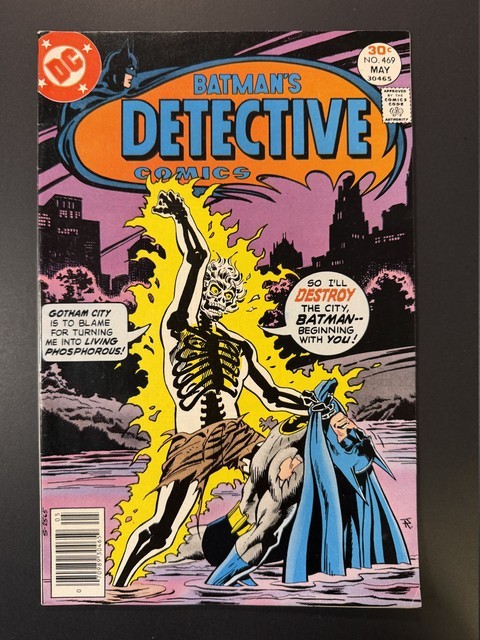

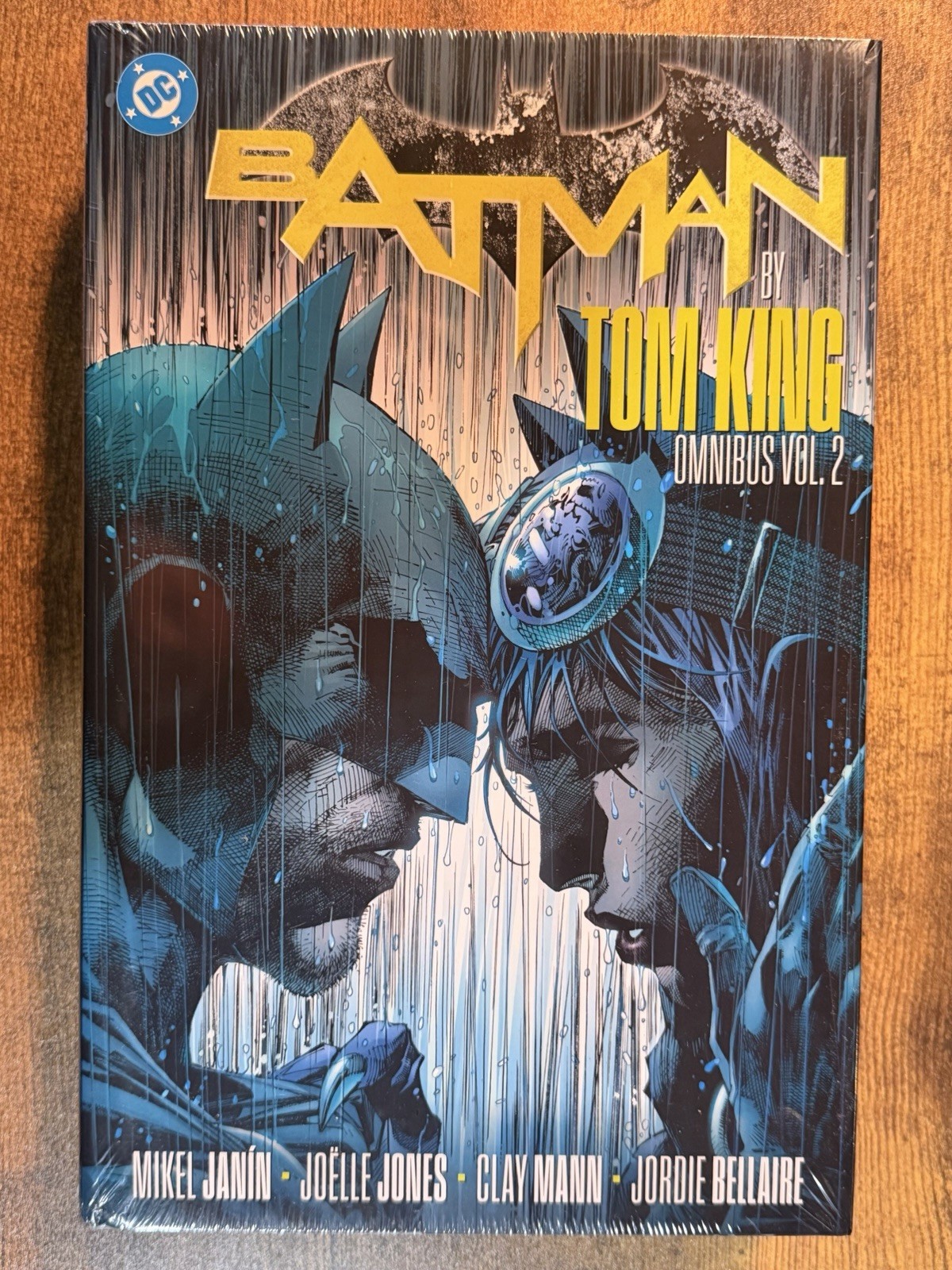
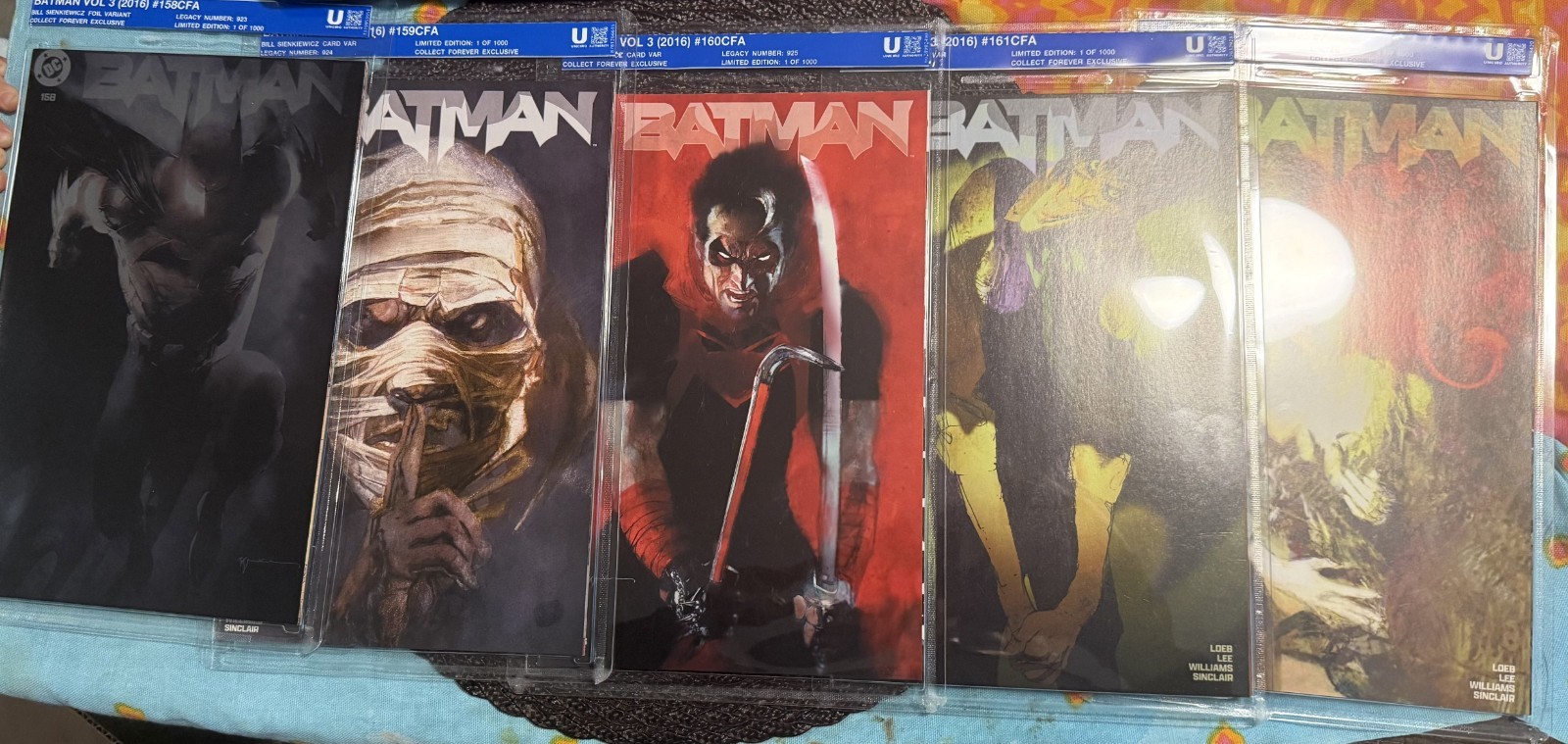
Photos from current listings. Actual item, color, and included accessories may vary.
Batman Comic Art Buying Guide
Batman comic art spans original interior pages, variant covers, and collected editions, with value driven by artist provenance, print rarity, and physical condition. The core trade-off is between raw single issues (high liquidity, condition-sensitive) and oversized hardcovers (durable, complete runs, lower per-page cost). Rule: buy slabbed or high-grade raw keys for investment, omnibus or artist editions for reading and display.
At a glance
- Category
- Comic Books & Issues
- Last updated
- Nov 23, 2026
Current offers
Highlights
- Original art vs. printed art: original ink/pen pages are one-of-a-kind and command the highest premiums; prints and sketch variants are limited but reproducible.
- Limited variant covers (e.g., 1:100 ratios, store exclusives) carry lower print runs than standard covers and often hold value better than open-order variants.
- Omnibus editions bind 30-50+ issues in sewn hardcover with acid-free paper; standard trade paperbacks use glued spines and thinner stock.
- Key Bronze Age issues (Detective Comics #400-470 range) have higher value in 9.0+ graded condition; raw mid-grade copies are reading copies only.
Best use cases
- Best fit: collectors seeking investment-grade Batman art should target CGC-graded 9.4+ key issues or original artist pages with documentation; skip open-order variant covers.
- Best fit: readers wanting complete runs should buy omnibus or hardcover collected editions (Tom King, Snyder, Morrison); skip expensive raw single issues for reading.
- Best fit: display-focused buyers should choose limited sketch variants or artist edition oversized books; skip low-print variant covers stored in boxes without UV protection.
- Wrong fit: buying mid-grade raw Silver/Bronze Age issues as investments; these have low liquidity unless professionally graded and key-certified.
Buying tips
- Grading matters: CGC 9.4 or higher for modern keys, 9.0+ for Bronze Age; raw copies below 8.0 are reading copies and should be priced accordingly.
- Check print run: ratio variants (1:25, 1:50, 1:100) have smaller runs than open-order covers; store exclusives under 1000 copies are scarcer than standard covers.
- Omnibus vs. trade: omnibus editions are sewn-bound and collect 30+ issues; trade paperbacks are glued and collect 5-8 issues — choose sewn binding for longevity.
- Artist provenance: original art by defining Batman artists (Adams, Miller, Capullo, King-era) holds value; unsigned prints and mass-produced posters do not appreciate.
Specs
| Art Type | Original ink / Variant cover / Print |
|---|---|
| Binding | Sewn hardcover vs glued trade paperback |
| Grade Scale | CGC 0.5-10.0 (9.4+ investment) |
| Print Run | Ratio variant vs open order |
Related searches
What to check before buying
- Measure shelf depth: omnibus editions are 7.5-8.5 inches wide and 2-3 inches thick; standard trades are 6.6 x 10.2 inches — confirm shelf clearance before buying.
- Check storage climate: paper comics need 50-70°F and 45-55% relative humidity; avoid attics and basements to prevent foxing and warping.
- Verify grading slab compatibility: CGC slabs are 13 x 8.5 inches and do not fit standard comic boxes — plan storage accordingly.
- Confirm voltage/plug: not applicable for physical comics; for display lighting use low-heat LED to avoid ink fading.
FAQ
Data sources: eBay / Amazon listings and product attribute feeds. Updated Nov 23, 2026.
Some links on this page are affiliate links. If you buy after clicking one, we may earn a commission at no extra cost to you. This does not change which products appear here or their order. Affiliate disclosure.