
Photos from current listings. Actual item, color, and included accessories may vary.
Vintage French Poster Buying Guide
Vintage French posters encompass original lithographs and modern giclée reproductions, separated by a sharp trade-off: archival paper, ink, and press age versus low-cost digital prints. Original stone lithographs from the 1890s–1930s hold value through plate marks and period paper; reproductions only qualify as durable if they use pigment inks on 200+ gsm cotton rag. The decision rule: buy originals for investment and texture, buy giclée for decorative scale — and reject any glossy offset or canvas transfer marketed as 'vintage'.
At a glance
- Category
- Art Prints & Posters
- Last updated
- Nov 23, 2026
Current offers
Highlights
- Original vintage posters are stone or zinc lithographs printed on rag paper; look for a plate mark and even, matte ink absorption under raking light.
- Giclée reproductions use 8–12 pigment inks on 200–310 gsm cotton rag or alpha-cellulose; dye-based inkjet prints fade within years under UV.
- Large formats (43×62 in / 110×160 cm) require 1.5–2 in mat border plus backing board; unmatted shipping creases along the roll axis.
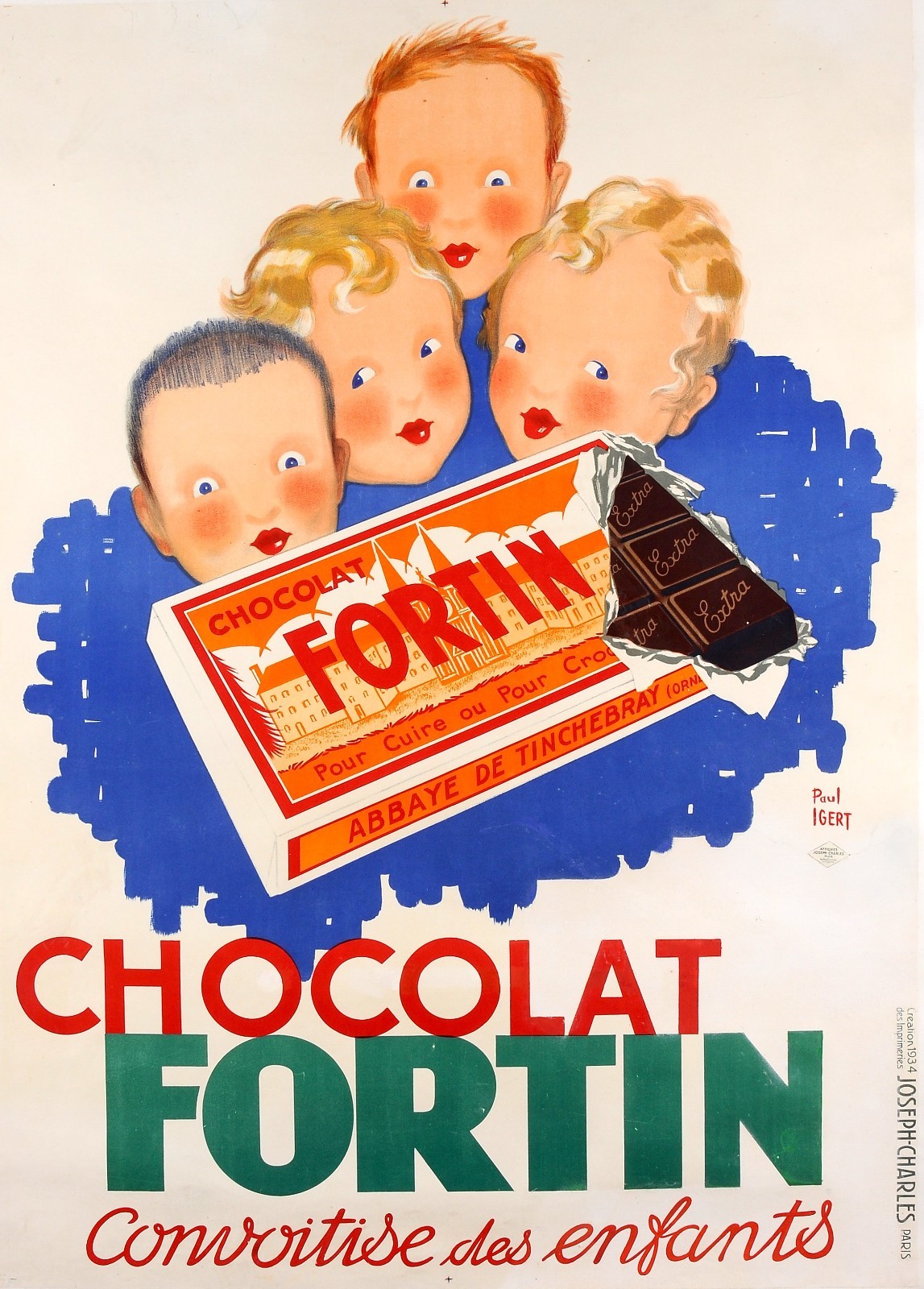
- Art Deco originals (e.g., Paul Igert's 1934 Chocolat Fortin) use flat geometric color blocks; reproductions often show moiré dots under loupe magnification.
Best use cases
- Best fit for originals: collectors with UV-filtered glazing and controlled humidity (45–55% RH), framing a 1930s Art Deco or Belle Époque stone lithograph as a focal piece.
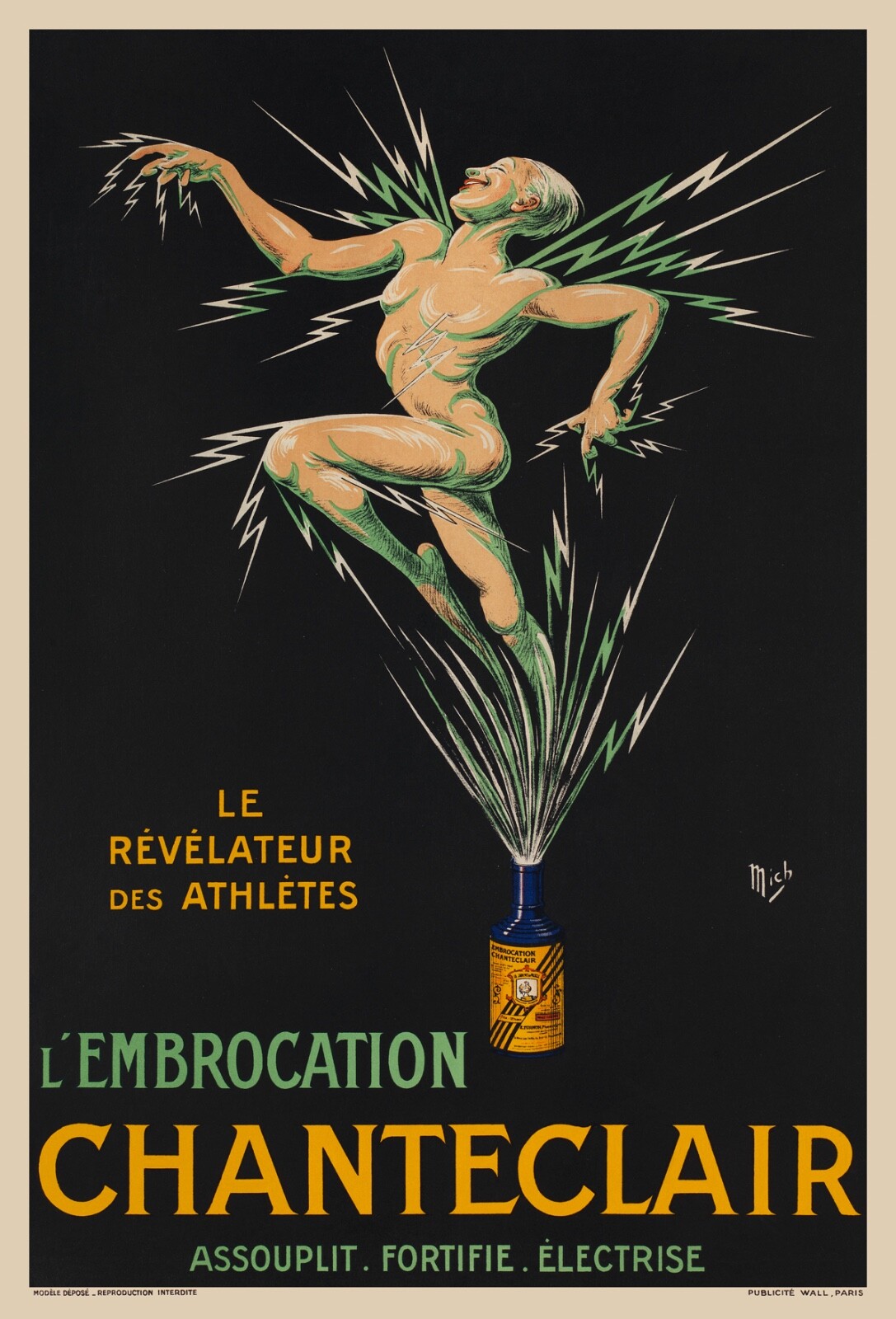
- Best fit for giclée: renters or first-time buyers filling a 24×36 in or 43×62 in wall with a famous Chanteclair or absinthe image without conservation-grade framing.
- Wrong fit: hanging any vintage poster in a bathroom or sun-drenched kitchen — steam and UV degrade both originals and pigment prints; skip unless you add UV acrylic and a sealed frame.
- Wrong fit: buying a 'vintage French poster' canvas wrap for a period interior — canvas texture and gallery-wrap edges read as modern decor, not period lithography.
Buying tips
- Sizing math: for a 43×62 in poster, frame outer dimensions run roughly 49×68 in with a 2 in mat and 1 in frame; measure wall width minus 6 in clearance before ordering.
- Paper grade: choose 100% cotton rag at 250+ gsm for giclée; alpha-cellulose at 200 gsm is acceptable but yellows faster in daylight.
- Ink tier: pigment (archival, 100+ years dark-stored) beats dye (fades in 3–10 years); ask for 'pigment giclée' explicitly, not 'high-quality print'.
- Condition grading for originals: 'A' means near-mint with no tears; linen-backed pieces tolerate handling but backing adds 1–2 in to dimensions and must be declared.
Specs
| Print Method | Stone lithograph vs pigment giclée |
|---|---|
| Paper Grade | Rag 250+ gsm / alpha-cellulose 200 gsm |
| Ink Type | Archival pigment vs dye-based |
| Standard Sizes | 43×62 in / 110×160 cm; 24×36 in |
Related searches
What to check before buying
- Wall measurement: confirm at least 4–6 in of breathing room on each side of the planned frame; a 43×62 in print needs a wall segment of 60×80 in minimum.
- Light check: note direct sun hours on the wall; any window-facing spot requires UV-filtered acrylic (98%+ block) or the print will fade.
- Frame kit: order frame, mat, and backing cut to the print's exact millimeter dimensions; standard U.S. frames won't fit 110×160 cm European sizes.
- Humidity and heat: avoid bathrooms, above radiators, and uninsulated attics; stable 45–55% RH and 18–24°C preserves paper and ink.
FAQ
Data sources: eBay / Amazon listings and product attribute feeds. Updated Nov 23, 2026.
Some links on this page are affiliate links. If you buy after clicking one, we may earn a commission at no extra cost to you. This does not change which products appear here or their order. Affiliate disclosure.