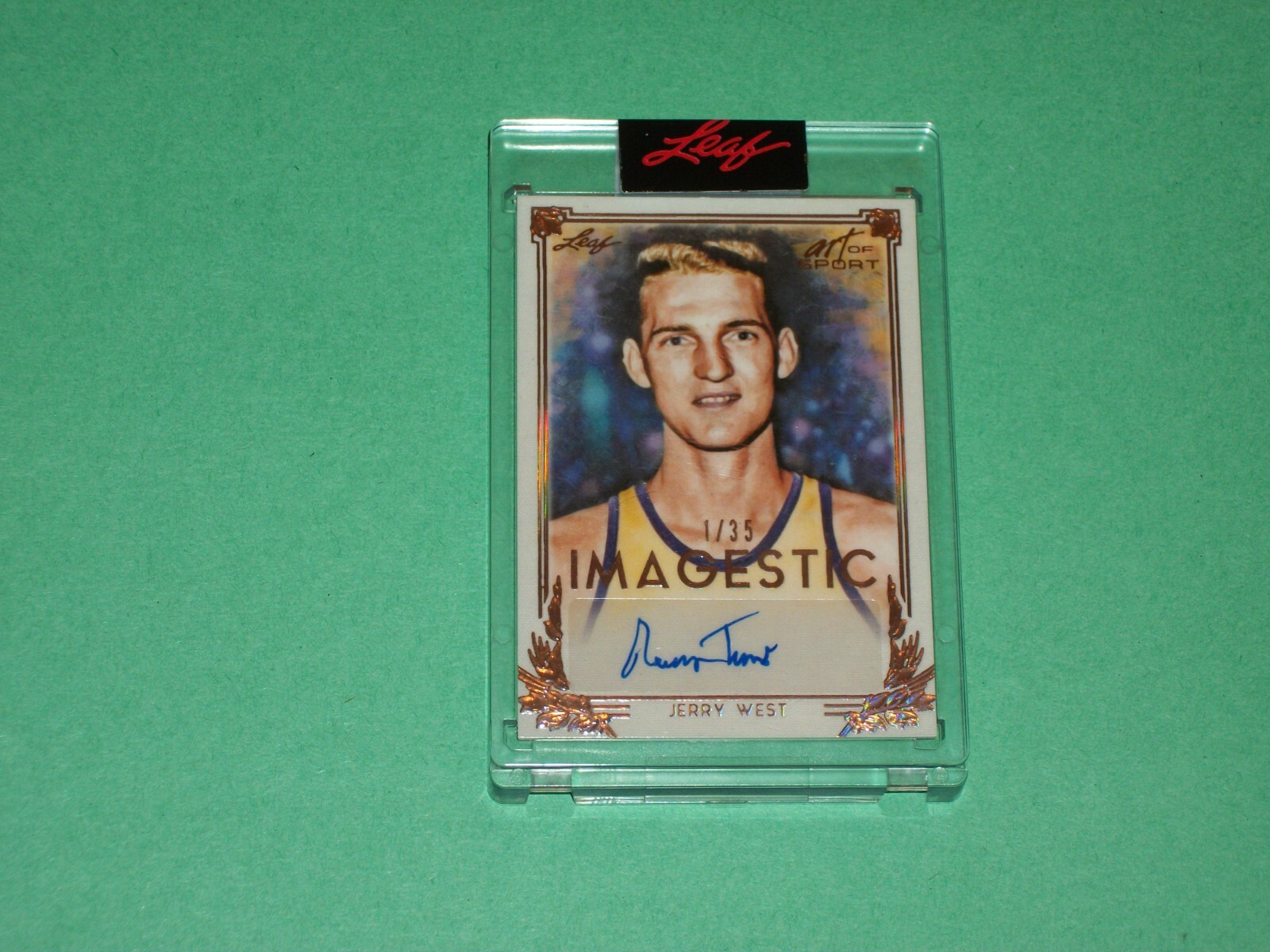

Photos from current listings. Actual item, color, and included accessories may vary.
Sport Card Basketball Buying Guide
Basketball cards are collectible trading cards featuring NBA players, prospects, and legends, where the primary trade-off is between mass-produced base cards and scarce autographed or serial-numbered parallels that drive long-term value. The decision rule is simple: buy licensed cards (Panini NBA) for investment and authentication security, and buy unlicensed cards (Leaf, Sage) only for autograph-focused PCs at steep discounts.
At a glance
- Category
- Basketball Cards
- Last updated
- Nov 23, 2026
Current offers
Highlights
- Licensed NBA cards carry team logos and player images under exclusive Panini rights; unlicensed cards like Leaf Art of Sport use airbrushed or logo-less photos but often include on-card autographs.
- Serial numbering (e.g., /35, /99, /199) directly quantifies scarcity; lower print runs and rookie-year cards command exponential premiums over base parallels.
- On-card autographs (signed directly on the card) hold stronger value and authenticity than sticker autos, which are mass-applied and easier to counterfeit.
- Condition grading (PSA/BGS 9-10) can multiply raw card value several times; centering, corners, edges, and surface are the four grading subgrades.
Best use cases
- Best fit for investment: buy licensed Panini Prizm or National Treasures rookie cards of established stars, graded PSA 10 — skip unlicensed base cards with no serial number.
- Best fit for autograph collectors on a budget: buy Leaf Art of Sport or Sage autographed cards of Hall of Famers and prospects — skip licensed boxes at the same spend if the auto is the priority.
- Best fit for set builders: buy retail blaster boxes of Panini Prizm or Hoops for base set completion — skip hobby boxes where the premium pays for low-hit autograph odds you do not need.
- Wrong fit: buying unlicensed cards as long-term investments; they lack team licensing and have thin resale liquidity compared to licensed rookie parallels.
Buying tips
- Prioritize rookie-year cards of Hall of Fame or All-NBA players; second-year and veteran cards of the same player typically trade at 40–70% lower value.
- Check serial numbering: a card numbered /35 or lower is a true short print, while /199 and above is a parallel that rarely sustains premium pricing.
- For autograph cards, confirm 'on-card auto' in the title or description; sticker autos are less desirable and should be priced 20–30% below comparable on-card examples.
- Buy graded cards (PSA, BGS, CGC) for any card above raw value of a few hundred dollars; grading removes condition uncertainty and improves resale liquidity.
Specs
| License Type | NBA licensed (Panini) vs unlicensed |
|---|---|
| Autograph Type | On-card vs sticker auto |
| Print Run | Serial numbered /1 to /199+ |
| Grading Scale | Raw vs PSA/BGS/CGC 9-10 |
Related searches
What to check before buying
- Confirm the card is licensed by Panini (NBA logo and team marks visible) if investment value matters; unlicensed cards should be bought only at a significant discount.
- Verify serial numbering and print run in the listing title or card back; '1/1' or low-numbered cards require photo evidence of the stamp.
- Check autograph type: on-card vs sticker — request a clear photo of the signature and card surface for any raw autograph purchase.
- For graded cards, confirm the grade, cert number, and grading company (PSA, BGS, CGC) and cross-check the cert on the grader's population report.
FAQ
Data sources: eBay / Amazon listings and product attribute feeds. Updated Nov 23, 2026.
Some links on this page are affiliate links. If you buy after clicking one, we may earn a commission at no extra cost to you. This does not change which products appear here or their order. Affiliate disclosure.