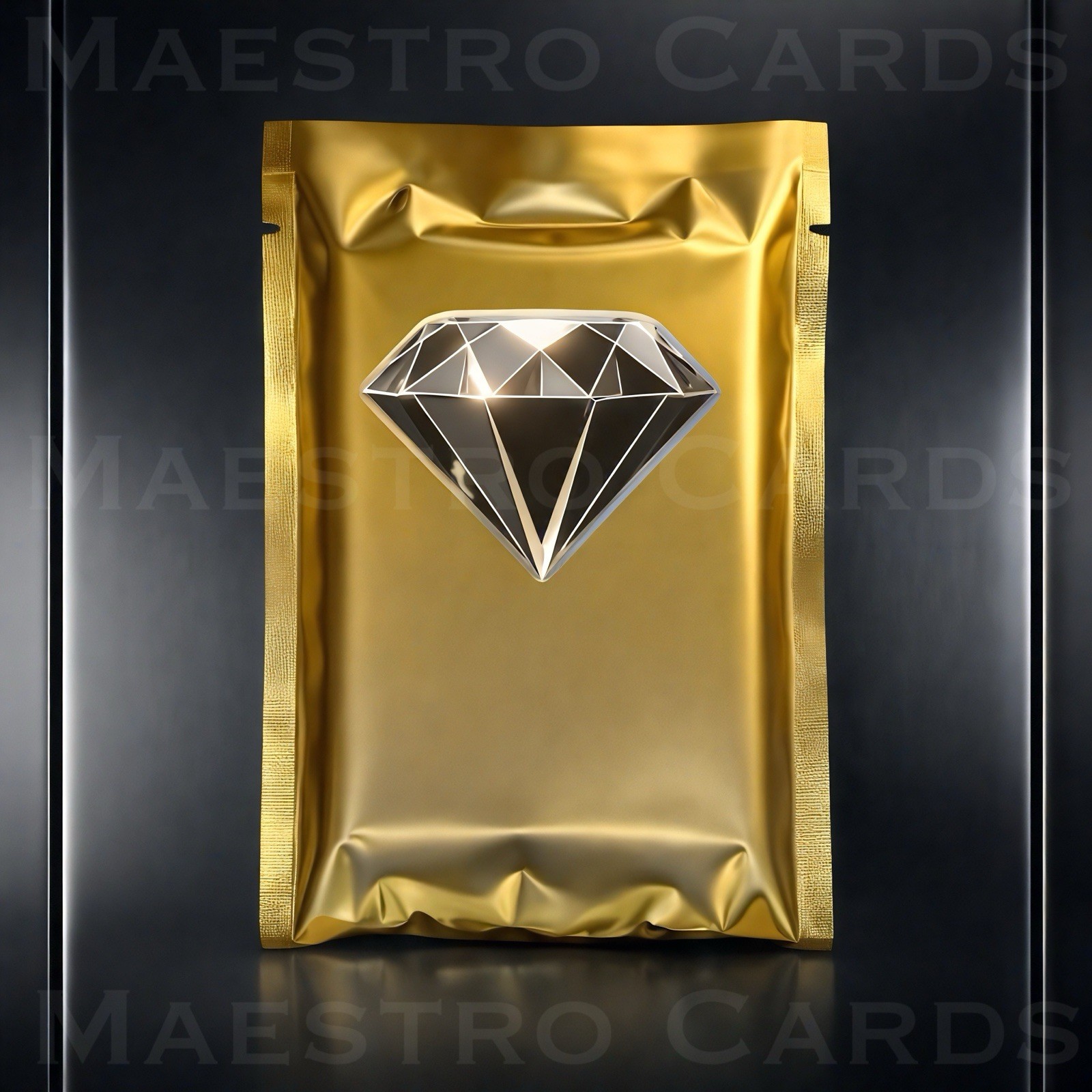

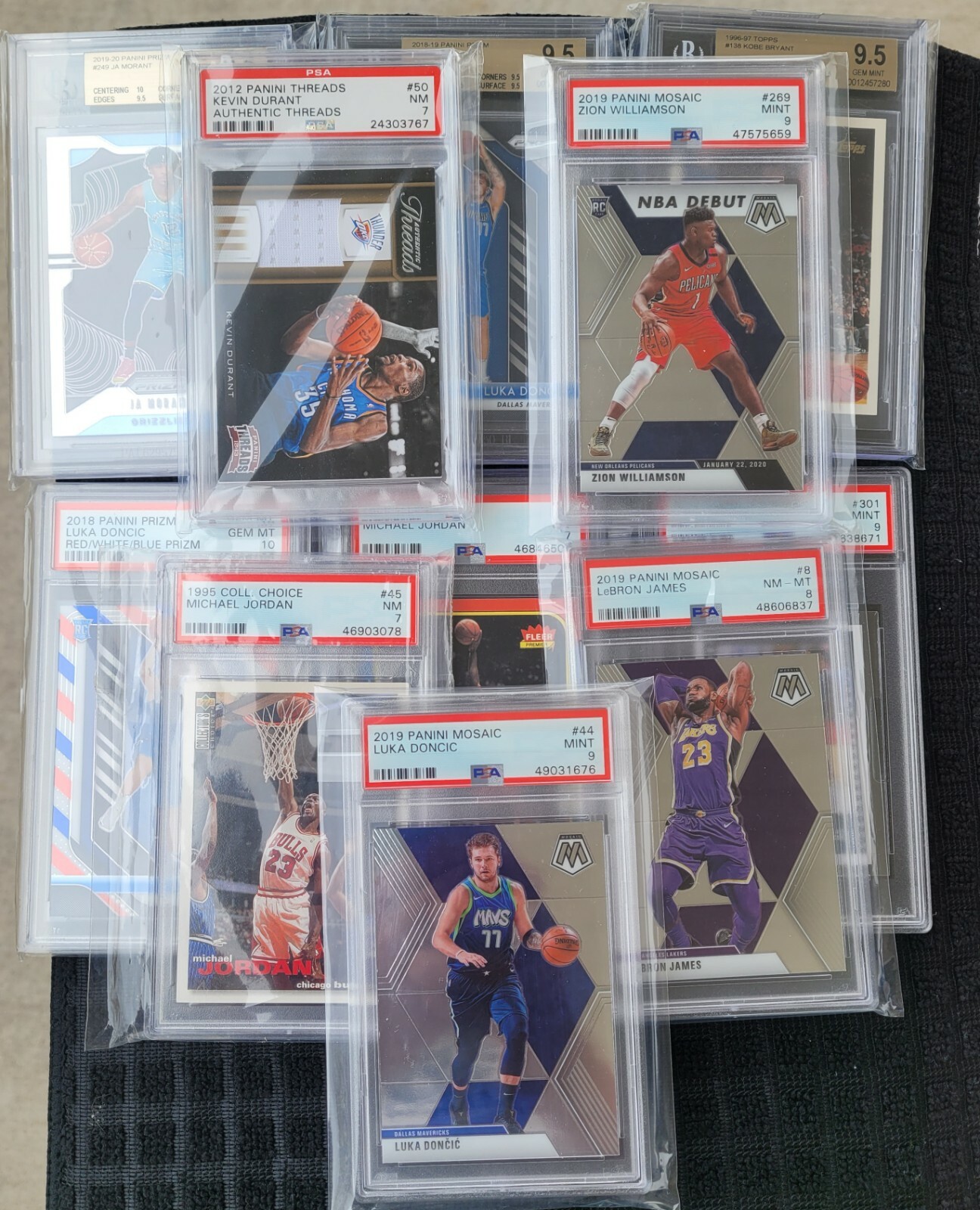
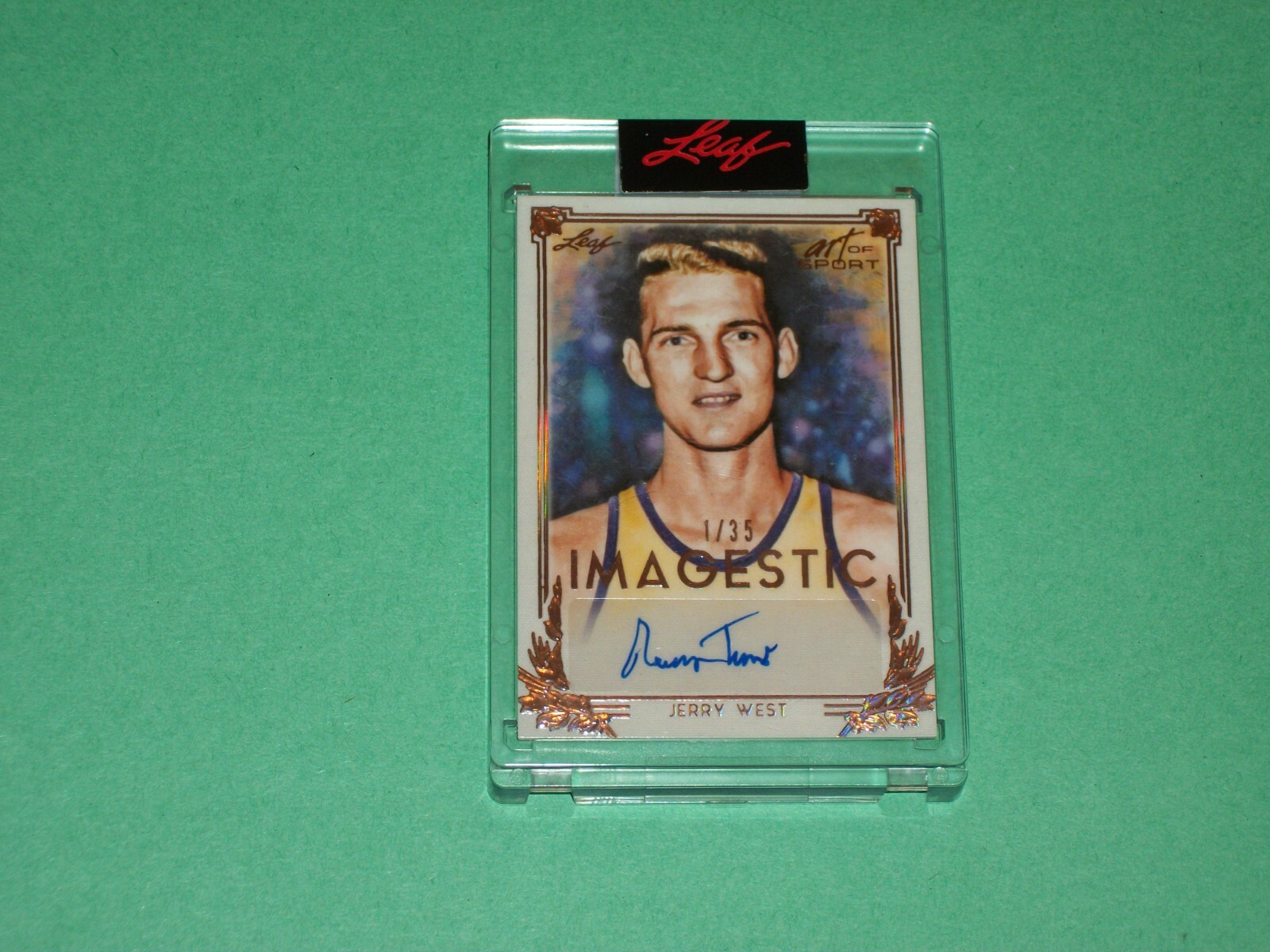
Photos from current listings. Actual item, color, and included accessories may vary.
Basketball Card Buying Guide
Basketball cards are a collectible market defined by licensed versus unlicensed production, print-run rarity, and grading condition. The core trade-off is between sealed wax (packs/boxes with chance-based hits) and single cards (known quantity, often graded) — both hinge on official NBA/NBPA licensing, serial numbering, and autograph authenticity. Decide by your goal: rip for the chase, or buy the exact card already slabbed.
At a glance
- Category
- Basketball Cards
- Last updated
- Nov 23, 2026
Current offers
Highlights
- Licensed cards carry NBA and NBPA logos; unlicensed products (Leaf, Sage, some Panini non-licensed lines) use airbrushed uniforms and lack team trademarks.
- Serial-numbered cards (e.g., /99, /25, /10, 1/1) and on-card autographs are the primary scarcity levers; sticker autos and unnumbered parallels hold less value.
- Grading tiers: PSA 10 Gem Mint and BGS 9.5+ command premiums; raw cards carry condition risk, and factory-sealed graded packs guarantee only authenticity, not hit quality.
- Era matters: 1986-87 Fleer Jordan RC, 1996-97 Topps Chrome Kobe, and 2003-04 Topps Chrome LeBron are benchmark rookies; 1990s junk-wax era base cards are mass-produced.
Best use cases
- Ripping for fun or chase hits: buy sealed retail blasters or hobby boxes from licensed Panini lines (Prizm, Select, Mosaic); skip repack 'diamond packs' with vague odds.
- Targeting a specific player or rookie: buy the single card raw or graded (PSA/BGS) instead of gambling on packs; pick the exact year/set parallel.
- Budget collecting: 1990s base sets and ungraded singles offer low entry; avoid high-price unlicensed autos unless you value the player signature over team licensing.
- Investing in gem-mint rookies: buy PSA 10 or BGS 9.5 of licensed flagship rookies (Prizm, Optic, Topps Chrome); skip raw high-end unless you can self-grade.
Buying tips
- Check licensing first: NBA/NBPA logos mean licensed; Leaf and Sage are unlicensed — value and collector demand differ sharply.
- Match product tier to goal: retail blasters for casual rip, hobby boxes for guaranteed autos/memorabilia, and singles for exact cards.
- Verify serial numbering and autograph type: on-card autos and low serials (/25 or less) outperform sticker autos and unnumbered base parallels.
- For graded cards, confirm the slab brand (PSA, BGS, CGC, SGC) and grade — PSA 10 and BGS 9.5 are the liquid investment grades; raw cards need your own condition check.
Specs
| Licensing | NBA/NBPA licensed vs unlicensed |
|---|---|
| Product Type | Sealed wax (packs/boxes) vs singles |
| Scarcity | Serial-numbered /99 to 1/1; base mass |
| Grading | PSA/BGS/CGC/SGC slab vs raw |
Related searches
What to check before buying
- Confirm the card year and set (e.g., 2018-19 Prizm, 1990 Hoops) matches the player/rookie you want — years are not interchangeable.
- Check parallel and serial number: base, Silver Prizm, and numbered parallels (e.g., /99) are distinct products with different values.
- For graded cards, verify slab authenticity (PSA/BGS/CGC/SGC) and grade; for raw, inspect centering, corners, edges, and surface.
- Budget for supplies: penny sleeves, top loaders, and a rigid storage box protect raw cards; graded slabs need a case.
FAQ
Data sources: eBay / Amazon listings and product attribute feeds. Updated Nov 23, 2026.
Some links on this page are affiliate links. If you buy after clicking one, we may earn a commission at no extra cost to you. This does not change which products appear here or their order. Affiliate disclosure.