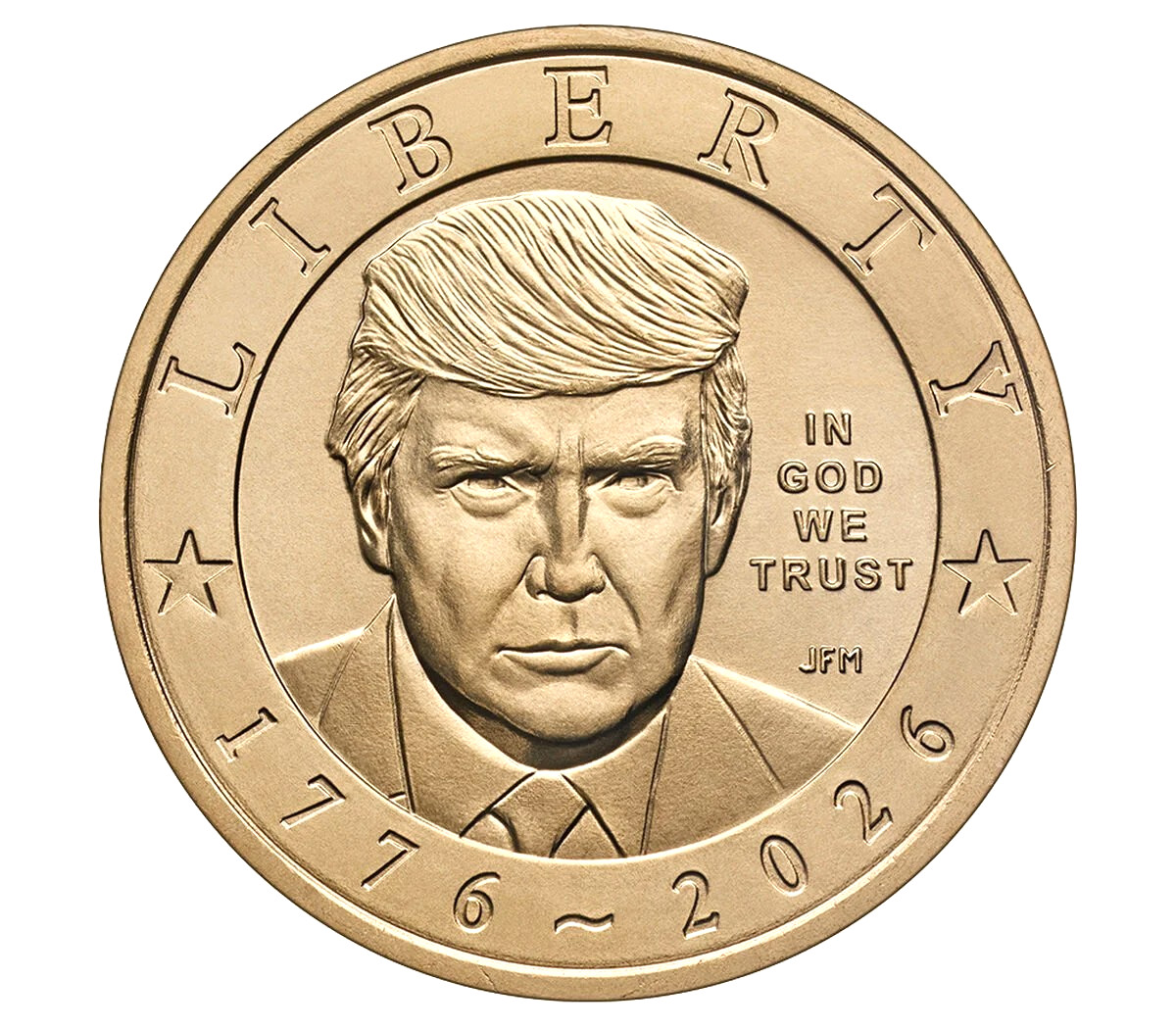

Photos from current listings. Actual item, color, and included accessories may vary.
Us Mint Coin Buying Guide
US Mint coins span circulating strikes, uncirculated sets, proof coins, and precious-metal commemoratives, each with distinct mintmarks and finishes that drive collectible value. The primary trade-off is face-value circulating coinage versus premium collector issues where mintage, finish, and packaging determine long-term worth. Buy raw circulating rolls for face value and certified or original-packaging collector issues for premium, never pay a premium for common circulated strikes.
At a glance
- Category
- Coins & Paper Money
- Last updated
- Nov 23, 2026
Current offers
Highlights
- Proof coins carry mirror-like fields and frosted devices from polished dies, while uncirculated coins have a satin finish from treated dies—differentiating finishes is the top value driver.
- Mintmarks P, D, S, and W identify Philadelphia, Denver, San Francisco, and West Point; S and W strikes are typically collector-only and command higher premiums.
- Commemorative and bullion issues are struck in .900 fine silver or .9999 fine gold, whereas circulating coins are clad copper-nickel or brass—metal content defines intrinsic floor value.
- Modern presidential and American Innovation dollar programs run in limited annual mintages; low-mintage years and first-release strikes outperform common circulation strikes.
Best use cases
- Best fit: buy original US Mint rolls or bags of uncirculated strikes for stacking face-value coinage; skip proof sets if your goal is volume rather than presentation.
- Best fit: choose proof sets or silver commemoratives in original government packaging for gifting and type collecting; skip raw loose proofs that may have been mishandled.
- Best fit: select certified MS-69/PR-69 or higher for registry sets and resale liquidity; skip raw presale rolls unless you can verify mint packaging and delivery timing.
- Wrong fit: paying a premium for common circulated P or D strikes still in pocket change; those carry only face value regardless of holder or listing hype.
Buying tips
- Verify the mintmark and finish first: P/D circulating strikes hold face value, while S and W proof or uncirculated issues carry collector premiums.
- For silver issues, confirm .900 fine (90%) or .999 fine composition and actual troy weight—intrinsic metal value sets a hard price floor.
- Prefer coins in original US Mint packaging or certified slabs from major grading services; loose raw premium coins carry authenticity and grade risk.
- Match the program year and series precisely: presidential, innovation, and semi-quincentennial issues have different mintages and packaging standards, so cross-year comparisons mislead.
Specs
| Finish Type | Proof vs Uncirculated vs Circulating |
|---|---|
| Mintmark | P / D / S / W |
| Metal Composition | Clad / .900 Silver / .9999 Gold |
| Packaging | OGP / Slab / Raw Roll |
Related searches
What to check before buying
- Confirm the exact year, mintmark, and finish (proof vs uncirculated) printed on the holder or packaging before committing.
- For presale or roll listings, verify the strike date and expected delivery window aligns with the official US Mint release schedule.
- Check that commemorative and bullion coins include a certificate of authenticity and original government packaging for resale value.
- For certified coins, confirm the grading service (PCGS, NGC, ANACS) and numeric grade on the label matches the listing photos.
FAQ
Data sources: eBay / Amazon listings and product attribute feeds. Updated Nov 23, 2026.
Some links on this page are affiliate links. If you buy after clicking one, we may earn a commission at no extra cost to you. This does not change which products appear here or their order. Affiliate disclosure.