
Photos from current listings. Actual item, color, and included accessories may vary.
Rare Coin Look Buying Guide
Rare coin look covers the visual and material signals that separate genuine collectible coins from novelty rounds, costume pieces, and bulk estate lots. The key trade-off is intrinsic metal content and recognized certification versus decorative plating and mixed-lot filler. Buy coins graded by a top-tier service or verified with a sigma tester; skip anything sold only as 'rare look' without weight, purity, or grade.
At a glance
- Category
- Coins & Paper Money
- Last updated
- Nov 23, 2026
Current offers
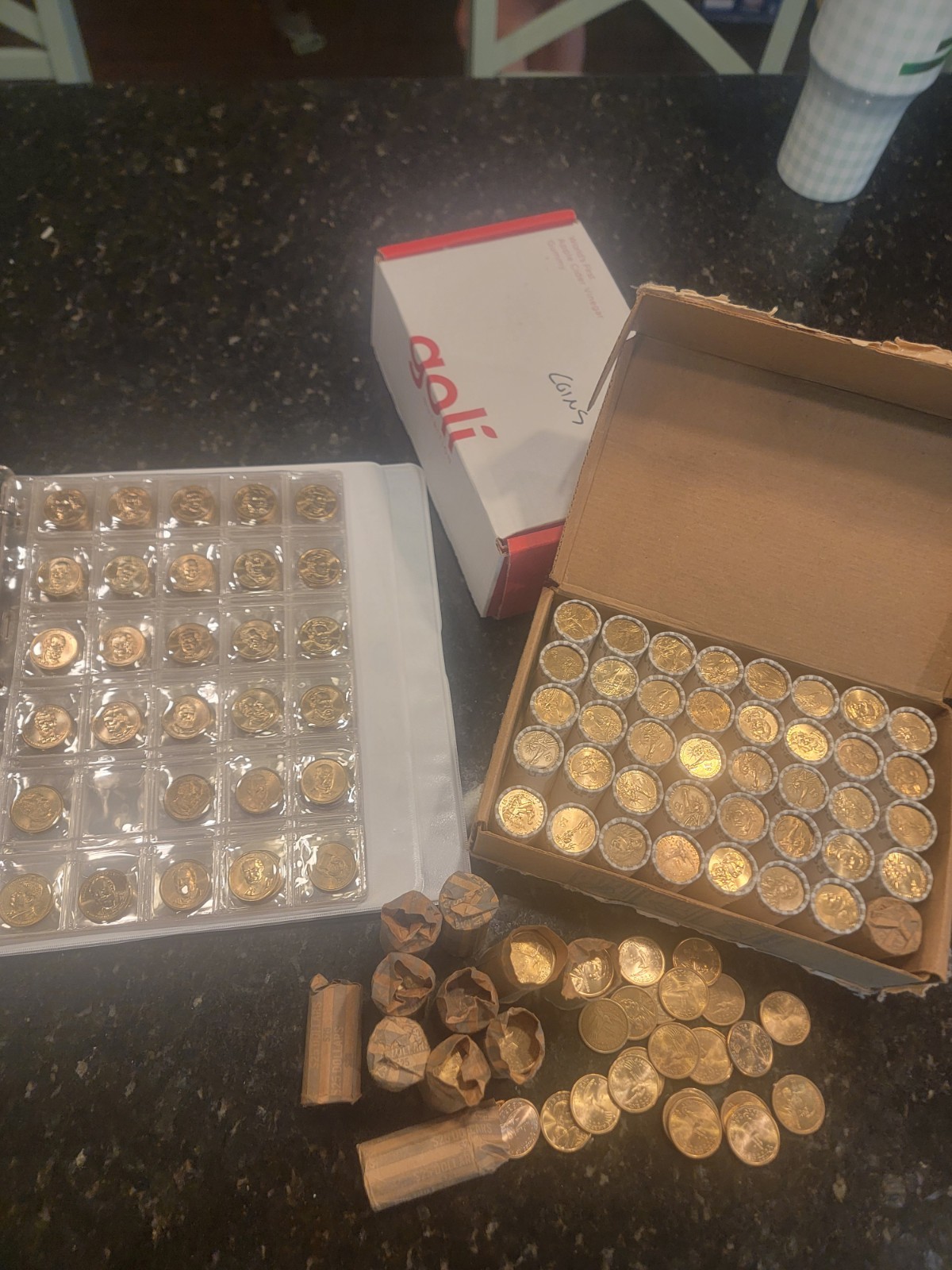 US Rare Dollar Coin Lot currency from storage$16.00Last checked Nov 22, 2026View on eBay
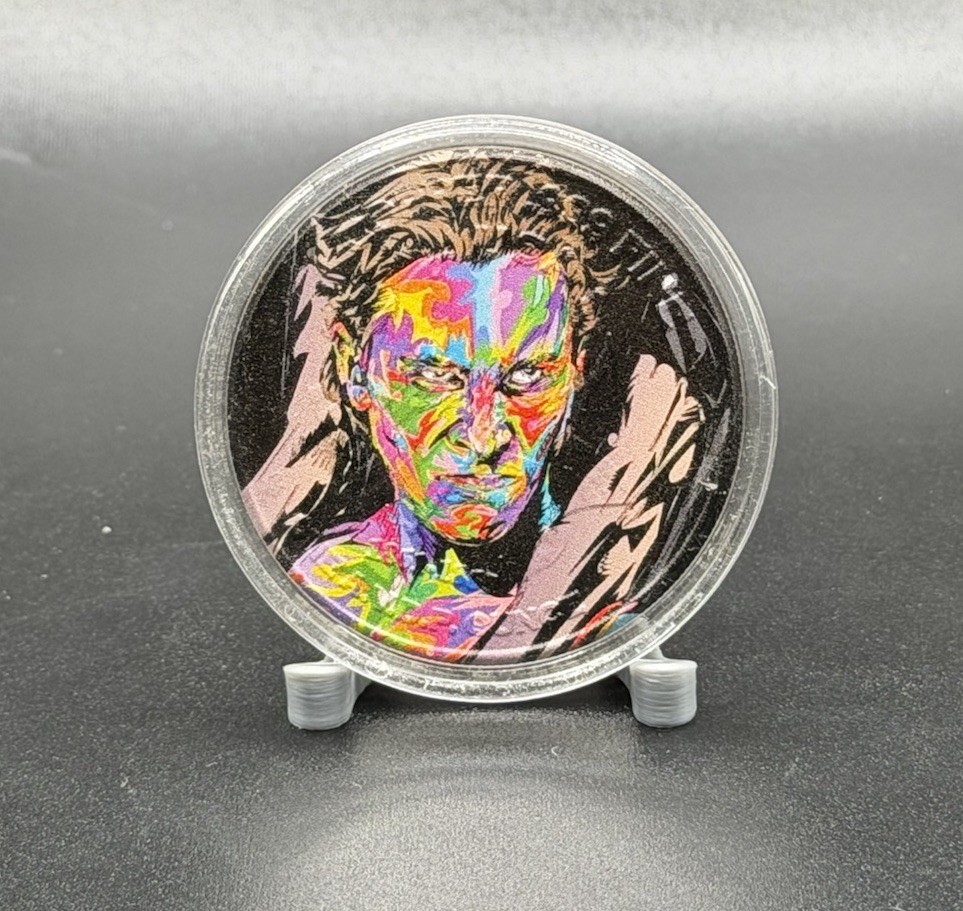 Psycho Killer Pop Art Copper Coin Cult Classic Novelty Collectible Round RARE$16.99View on eBay
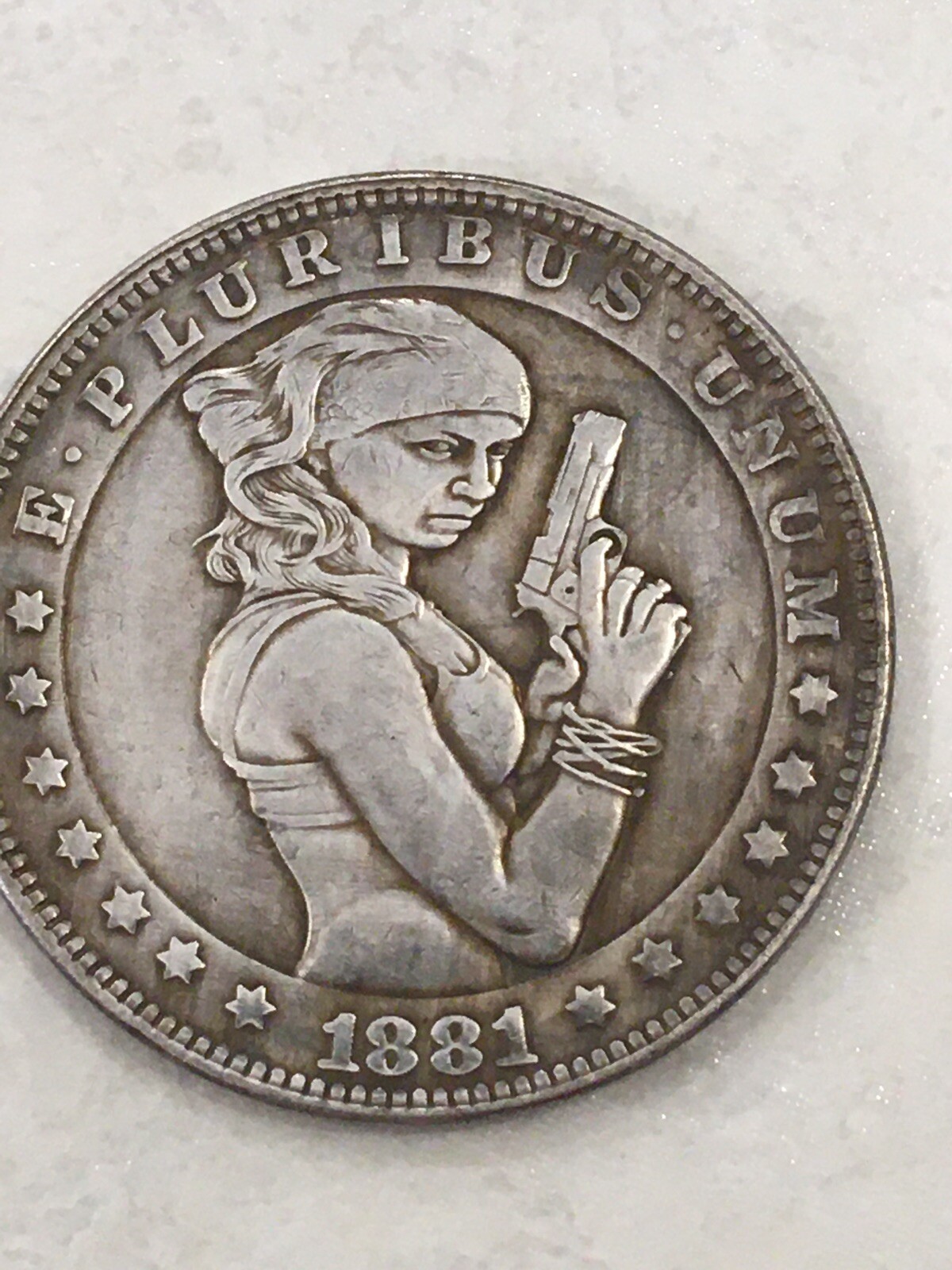 Rare Hobo Girl Cool Gangster Liberty Nickel Coin Art Collectable Medallion 1881D$29.99Last checked Nov 20, 2026View on eBay
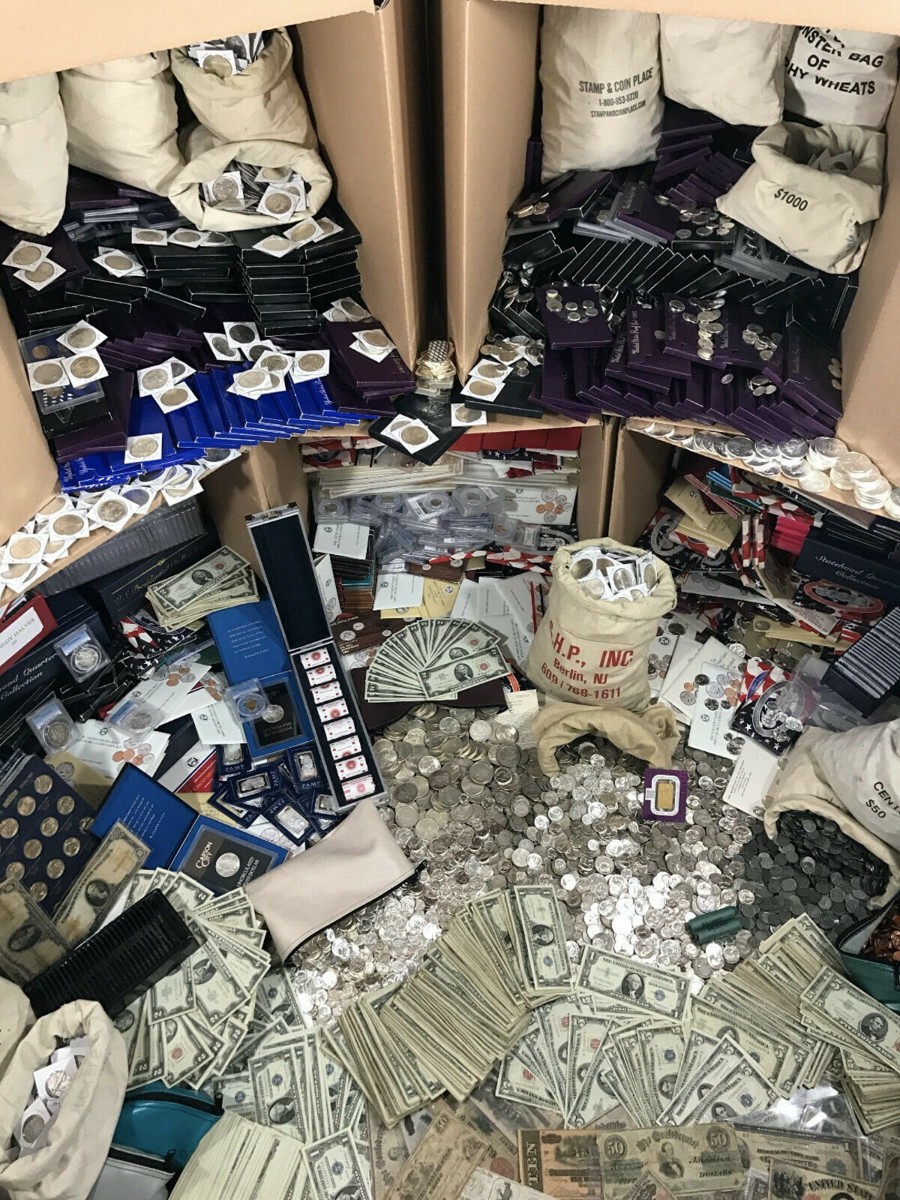 Old U.S. Estate Coin Lots ~ Rare US Coins ~ Gold Silver Proof + BONUS!$32.95View on eBay
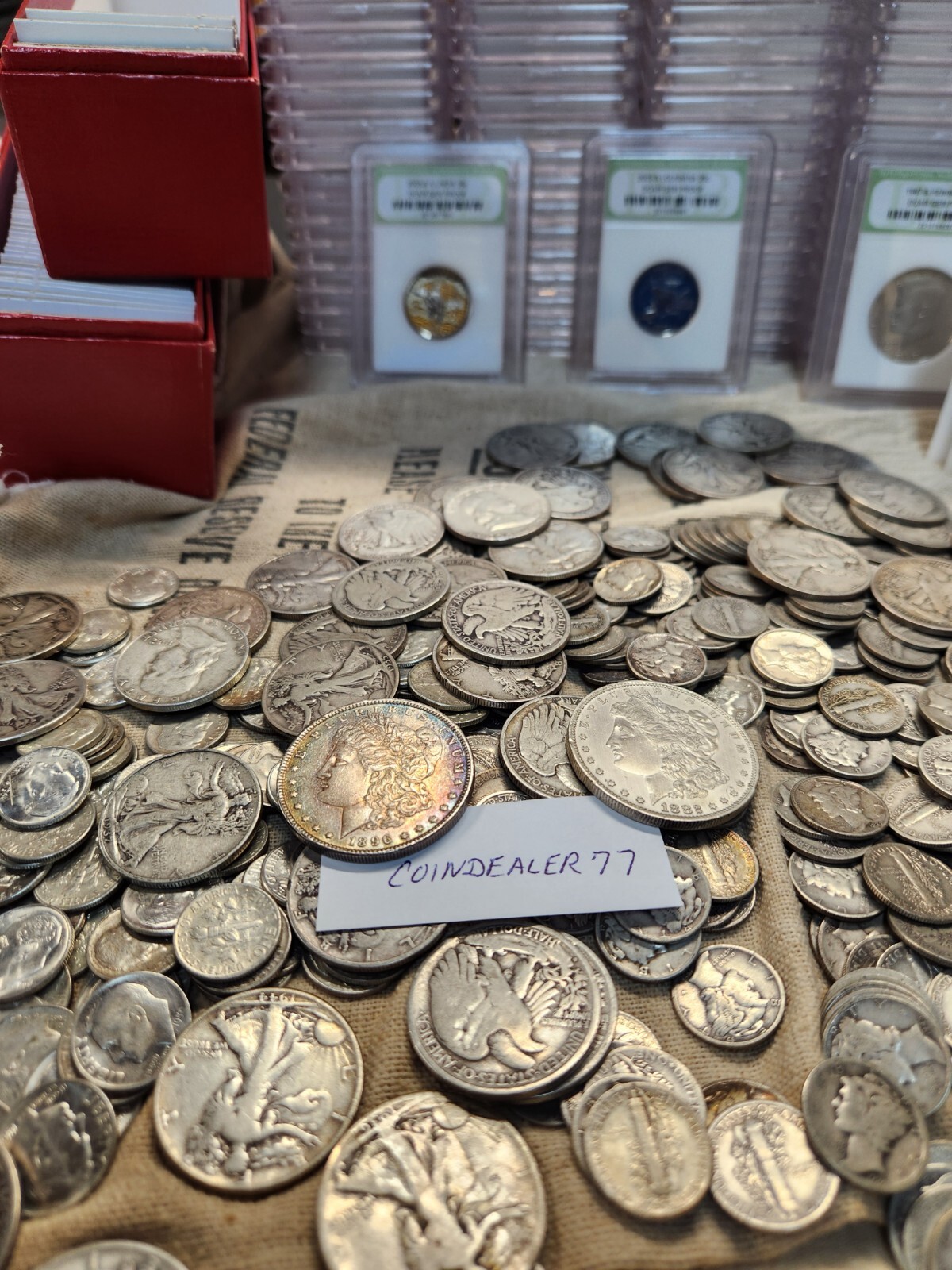 Old U.S. Estate Coin Lots - Rare US Coins - Gold / Silver / Proof + BONUS!$32.99Last checked Nov 18, 2026View on eBay
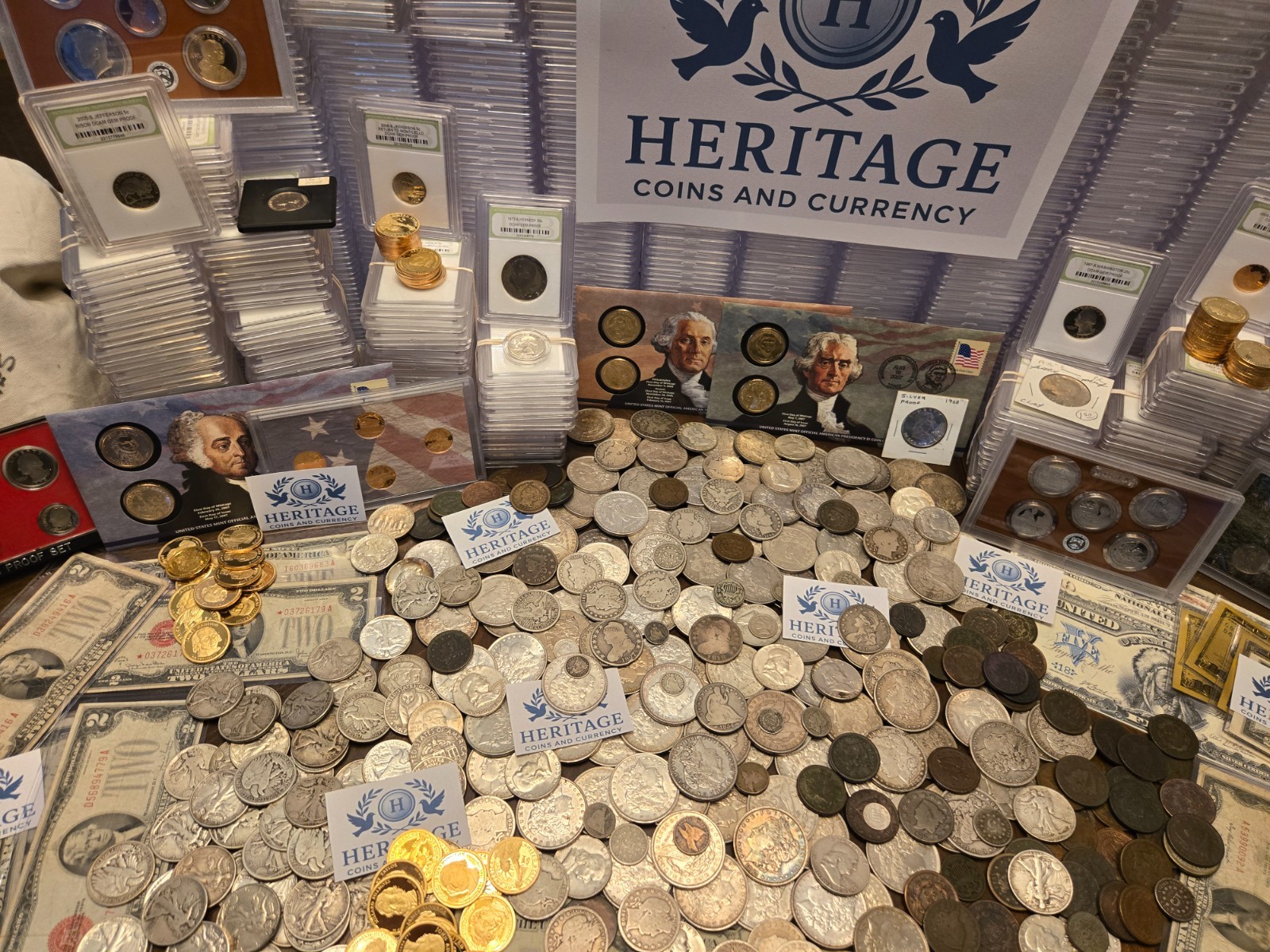 ESTATE SALE, OLD COINS, GOLD, .999 SILVER BARS, BULLION, RARE U.S. BILLS, PROOFS$34.99Last checked Nov 18, 2026View on eBay
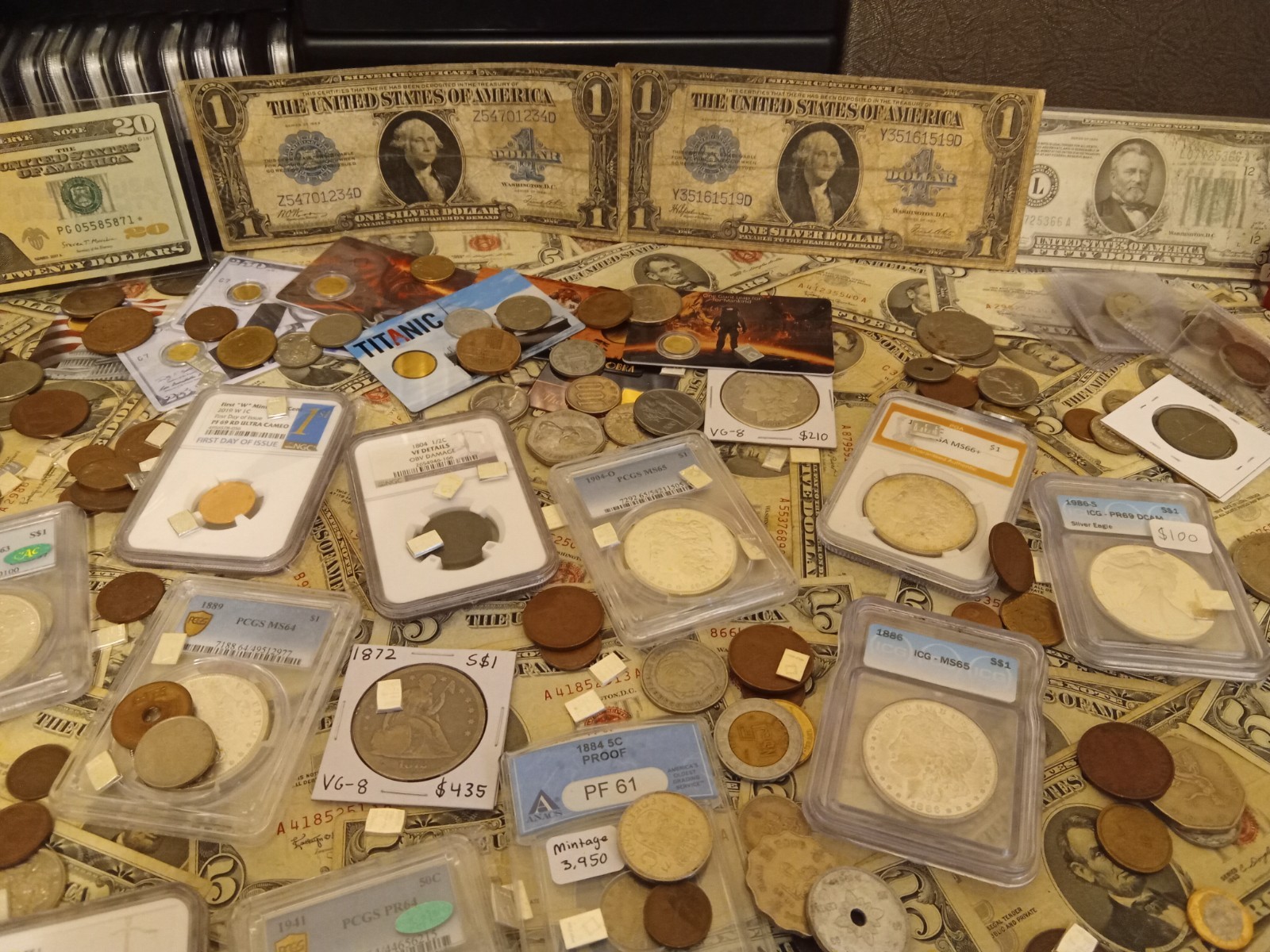 Wholesale Blowout Old U.S. Coin Estate Sale Lot- Silver+Proof+Rare Coins$38.99View on eBay
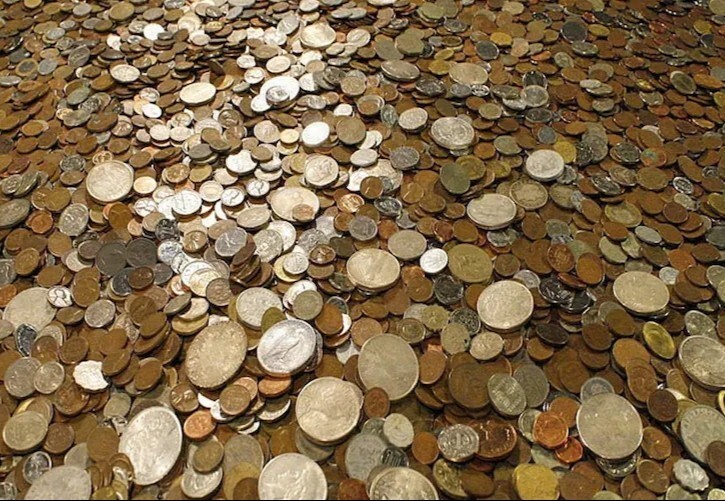 world coin lots 1 LB silver gold rare coins$45.00Last checked Nov 21, 2026View on eBay
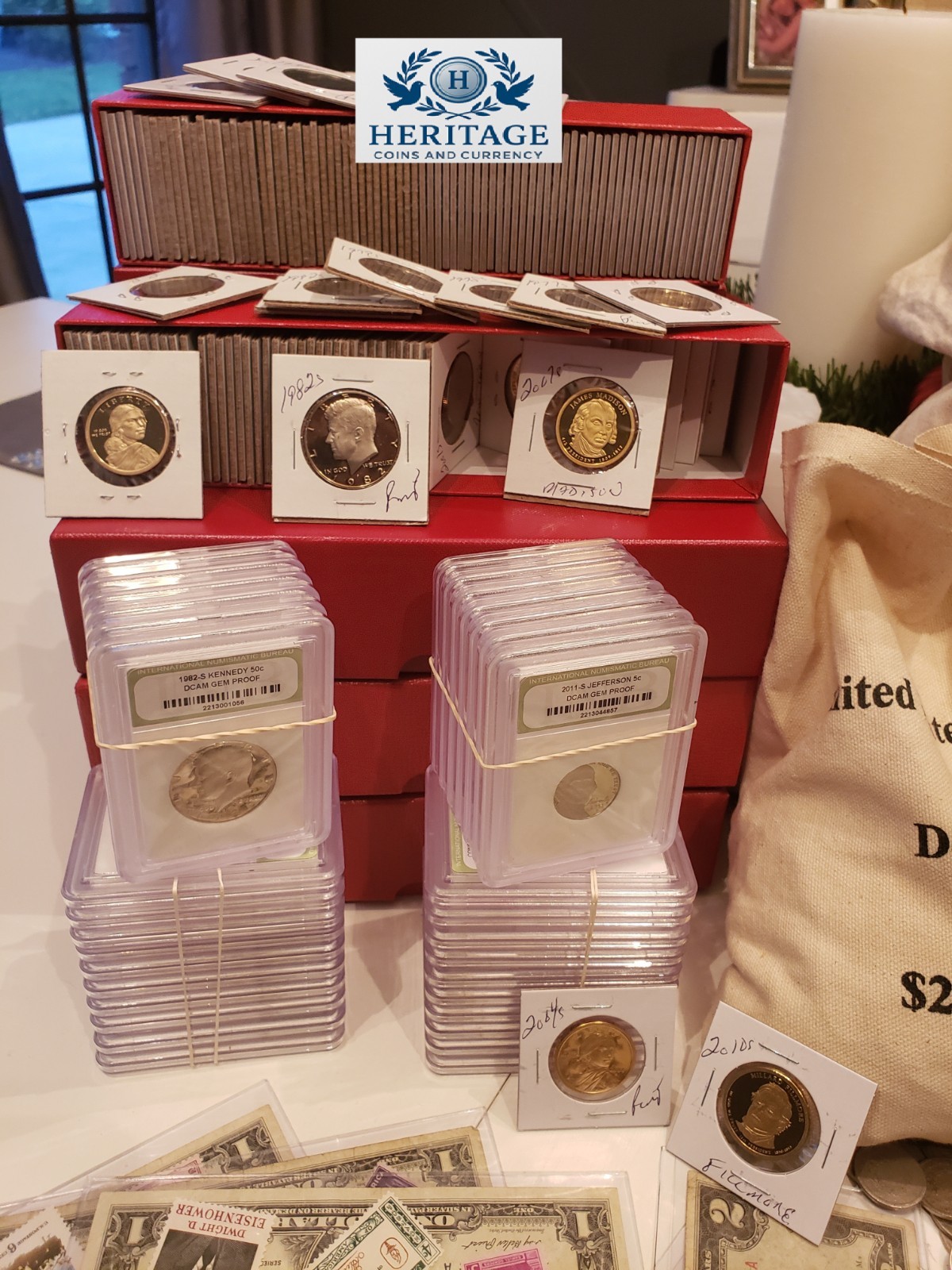 ESTATE SALE FIND, OLD US COINS, GOLD, .999 SILVER BARS, BULLION, RARE U.S. BILLS$48.99Last checked Nov 21, 2026View on eBay
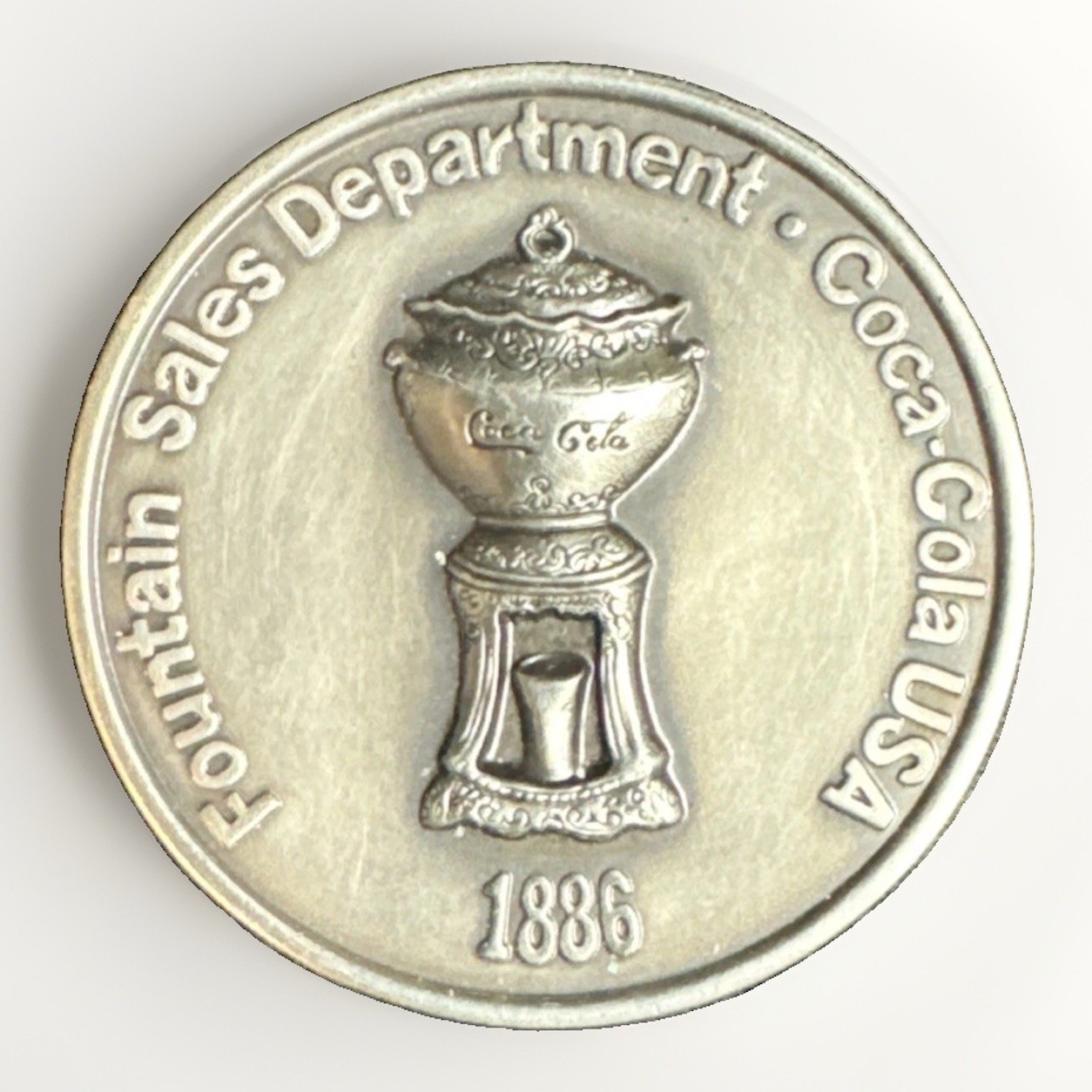 Rare Coca-Cola 1982 Employee Fountain Sales Dept. Nickel Silver Collectible Coin$139.95View on eBay
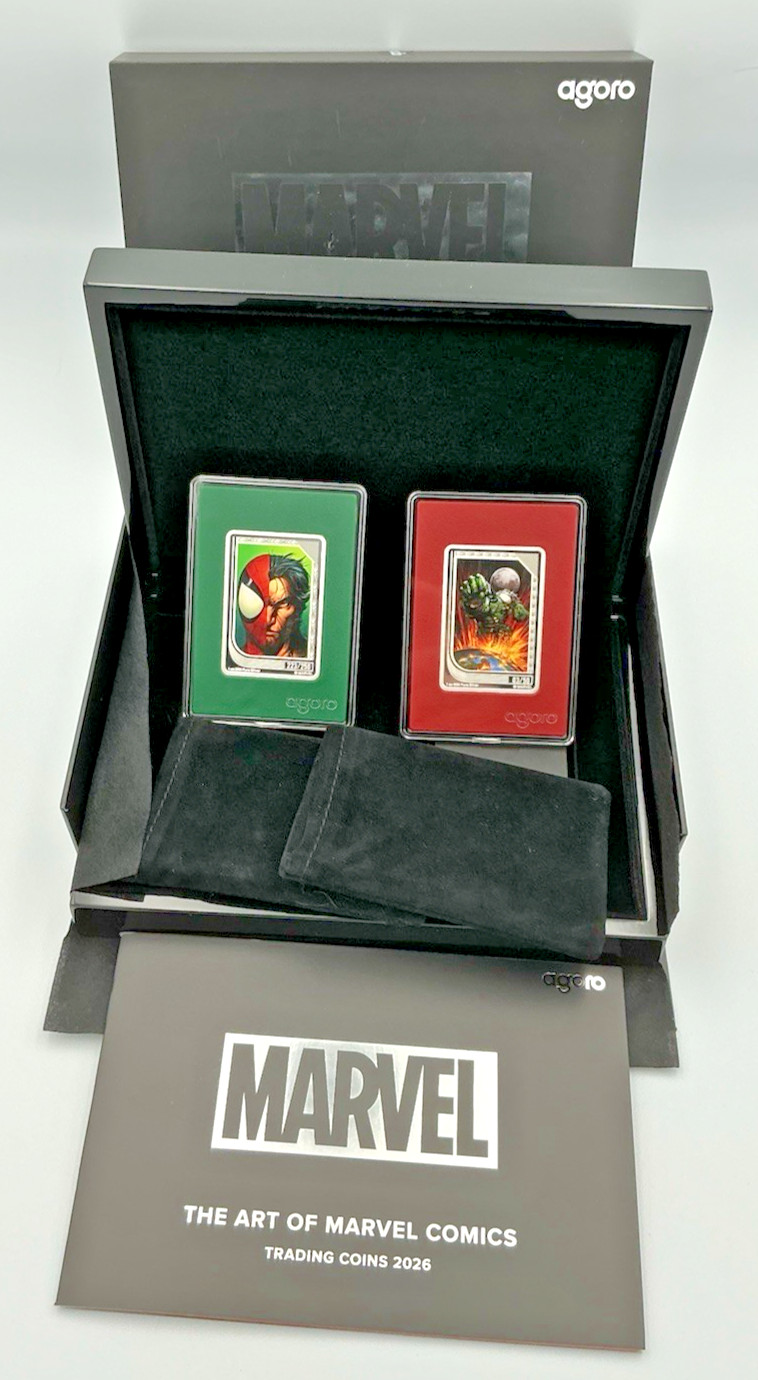 Agoro Marvel Art Coins 1oz Silver Set Wolverine Hulk RUBY RARE!!$599.99Last checked Nov 14, 2026View on eBay
Highlights
- Grading tiers drive value: PCGS/NGC MS-60 to MS-70 for uncirculated, XF/AU for circulated rarities; raw coins carry no premium.
- Silver content: pre-1965 US dimes, quarters, half dollars, and dollars are 90% silver; 1965-1970 halves are 40%; modern bullion is .999 fine.
- Key dates and mint marks (1909-S VDB cent, 1916-D dime, 1893-S Morgan) define rarity more than age or eye appeal.
- Novelty 'rare look' rounds are copper or brass with plating and carry zero numismatic value regardless of vintage styling.
Best use cases
- Best fit: buy certified key-date US coins in MS or AU grades when building a real collection; skip raw 'estate lot' bundles with unverifiable contents.
- Best fit: pick 90% silver junk-silver lots by weight and melt calculation for bullion exposure; skip plated 'silver look' novelties.
- Best fit: choose world coin lots sold by actual weight (1 lb silver) for bulk sorting; skip mixed lots advertising gold and rare bills without photos of each item.
- Wrong fit: decorative cameo or pop-art rounds for investment; they are costume pieces, not numismatic assets.
Buying tips
- Compute silver value: weigh the lot, multiply by 0.90 purity for pre-1965 US coins, and compare against spot to judge real intrinsic floor.
- Insist on PCGS or NGC certification numbers you can verify in the official population reports before paying any rarity premium.
- For raw coins, check weight and diameter against published specs: a Morgan dollar must be 26.73 g and 38.1 mm.
- Skip listings using 'rare look', 'style', or 'novelty' wording; genuine rarities are sold by date, mint mark, and grade.
Specs
| Grading Standard | PCGS/NGC MS-60 to MS-70 |
|---|---|
| Silver Purity | 90% pre-1965 / .999 bullion |
| Rarity Identifier | Date + mint mark + mintage |
| Novelty Round Metal | Copper/brass, plated finish |
Related searches
What to check before buying
- Confirm the coin's exact date, mint mark, and grade are stated; unknown-date lots cannot be valued.
- Verify metal content and weight in grams against standard references for that series.
- Check certification slab integrity and that the holder matches the coin's stated grade and variety.
- Ensure the seller provides clear obverse and reverse photos at high resolution before committing.
FAQ
Data sources: eBay / Amazon listings and product attribute feeds. Updated Nov 23, 2026.
Some links on this page are affiliate links. If you buy after clicking one, we may earn a commission at no extra cost to you. This does not change which products appear here or their order. Affiliate disclosure.