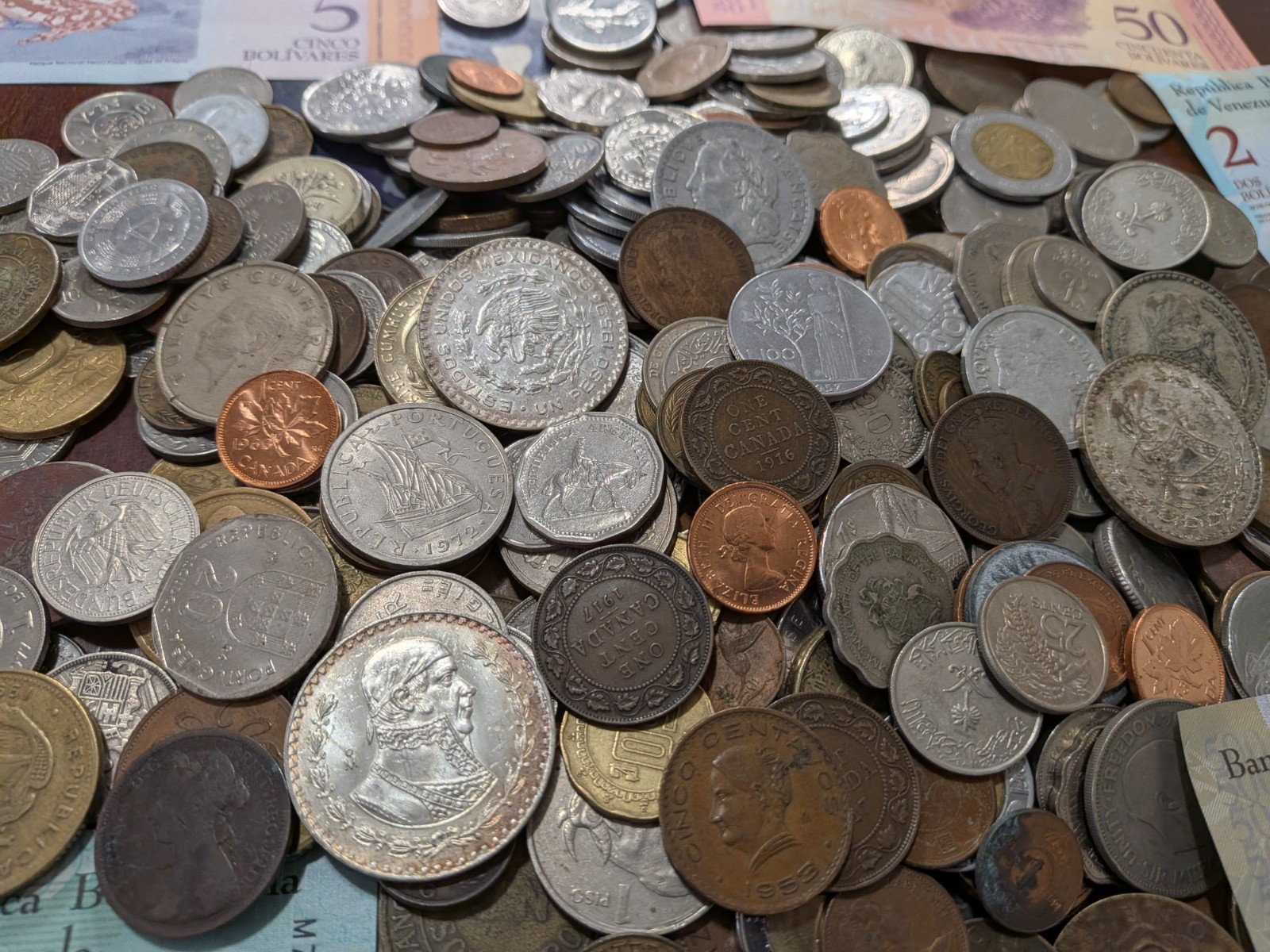

Photos from current listings. Actual item, color, and included accessories may vary.
Roman Coin Buying Guide
Roman coins are ancient bronze, silver, and gold issues struck by the Roman Republic and Empire, spanning roughly 300 BC to AD 476. The primary trade-off is authenticity and attributable detail versus price: common late-bronze folles are affordable but often worn, while silver denarii and early imperial bronzes carry sharper portraits, clearer legends, and higher value. The clear decision rule is to buy only from sellers who guarantee authenticity in writing and to match metal, emperor, and grade to your budget rather than chasing mixed lots of unattributed coins.
At a glance
- Category
- Coins & Paper Money
- Last updated
- Nov 23, 2026
Current offers
Highlights
- Metal tier drives both value and preservation: gold aurei are rare and expensive, silver denarii and antoniniani hold detail well, and bronze asses, sestertii, and folles survive in the millions but corrode and wear faster.
- Late Roman bronze folles and AE4 minimi (AD 260–400) are the most common entry point and often retail in bulk lots, but legends and mint marks are frequently illegible, reducing historical value.
- Silver content collapsed from about 95% under Augustus to under 5% by the late third century, so a 'silver' antoninianus may be mostly bronze with a thin wash and should not be bought as bullion.
- Grading follows a 12-point scale from About Good to Extremely Fine; for Roman coins, 'VF' means portrait and legend are clear but high points show wear, and slabbed coins from NGC Ancients or PCGS are the most reliably graded.
Best use cases
- Best fit: a first-time collector should buy a single attributed silver denarius or a common bronze follis of a well-known emperor (Trajan, Hadrian, Constantine) from a specialist dealer with a written authenticity guarantee, not a mixed 60-coin estate lot.
- Best fit: a gift buyer wanting a tangible ancient artifact should choose a bronze coin in a sealed holder with a printed attribution card; skip unattributed bulk lots where half the coins may be blank or broken.
- Wrong fit: anyone seeking a guaranteed investment or bullion content should avoid Roman coins entirely, because silver fineness varies wildly and liquidity depends on attribution and grade.
- Wrong fit: buyers on a very tight budget should skip early imperial silver and gold and instead collect late bronze folles or Constantinian era coins, which offer genuine antiquity at the lowest entry cost.
Buying tips
- Insist on a written lifetime authenticity guarantee; reputable ancient-coin dealers and auction houses provide one, and slabbed coins from NGC Ancients or PCGS carry a grade and authenticity backing.
- Match metal to goal: buy bronze for affordable history, silver denarii for portrait detail and a silver content around 80–95% in the early empire, and avoid gold unless you have specialist authentication support.
- Prefer single attributed coins over lots: a coin with a clear emperor name, reverse type, and mint mark is worth more and easier to resell than ten worn, unidentifiable bronzes.
- Check the grade language: 'VF' or 'EF' should show a clear portrait and readable legend; 'Fair' or 'About Good' coins are heavily worn and should be priced accordingly, not treated as premium.
Specs
| Metal Type | Gold / Silver / Bronze or billon |
|---|---|
| Common Denomination | Denarius, antoninianus, follis, sestertius |
| Authenticity Guarantee | Written dealer guarantee or NGC/PCGS slab |
| Typical Weight Range | Denarius 3.0–3.9 g; follis 8–11 g |
Related searches
What to check before buying
- Confirm the coin's diameter and weight against published references: a denarius should weigh about 3.0–3.9 g and a follis about 8–11 g, and an undersized or underweight piece may be a ancient imitation or modern fake.
- Verify the seller's return policy and authenticity guarantee in writing before buying, and prefer sellers who are members of professional numismatic bodies such as the ANS or IAPN.
- For storage, plan for inert holders: PVC-free flips or capsules are essential because PVC residue corrodes bronze and silver over time.
- Check that the listing includes a clear photo of both obverse and reverse at high resolution; if the legend and portrait are not legible in the photo, do not expect them to be legible in hand.
FAQ
Data sources: eBay / Amazon listings and product attribute feeds. Updated Nov 23, 2026.
Some links on this page are affiliate links. If you buy after clicking one, we may earn a commission at no extra cost to you. This does not change which products appear here or their order. Affiliate disclosure.