
Photos from current listings. Actual item, color, and included accessories may vary.
Proof Coin Buying Guide
Proof coins are specially struck collectibles with mirror fields and frosted reliefs, graded by certification and minted to exacting standards. The primary trade-off is between raw proof specimens and authenticated, graded slabs, while estate lots introduce severe risk of cleaned, impaired, or common coins. The clear rule: buy certified single proofs or official proof sets for quality, and treat mixed estate lots as bullion-or-novelty purchases only.
At a glance
- Category
- Coins & Paper Money
- Last updated
- Nov 23, 2026
Current offers
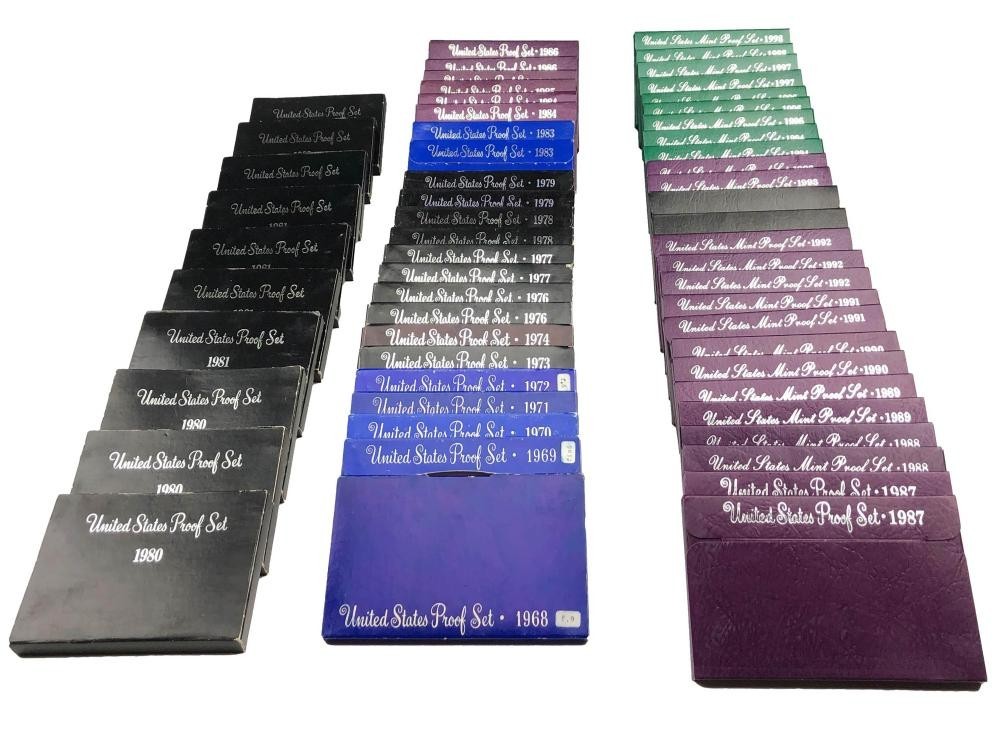 Estate Sale Lot ~ US Proof Sets ~ Coins Money ~ COA Hoard 15 Years+$19.95Last checked Nov 21, 2026View on eBay
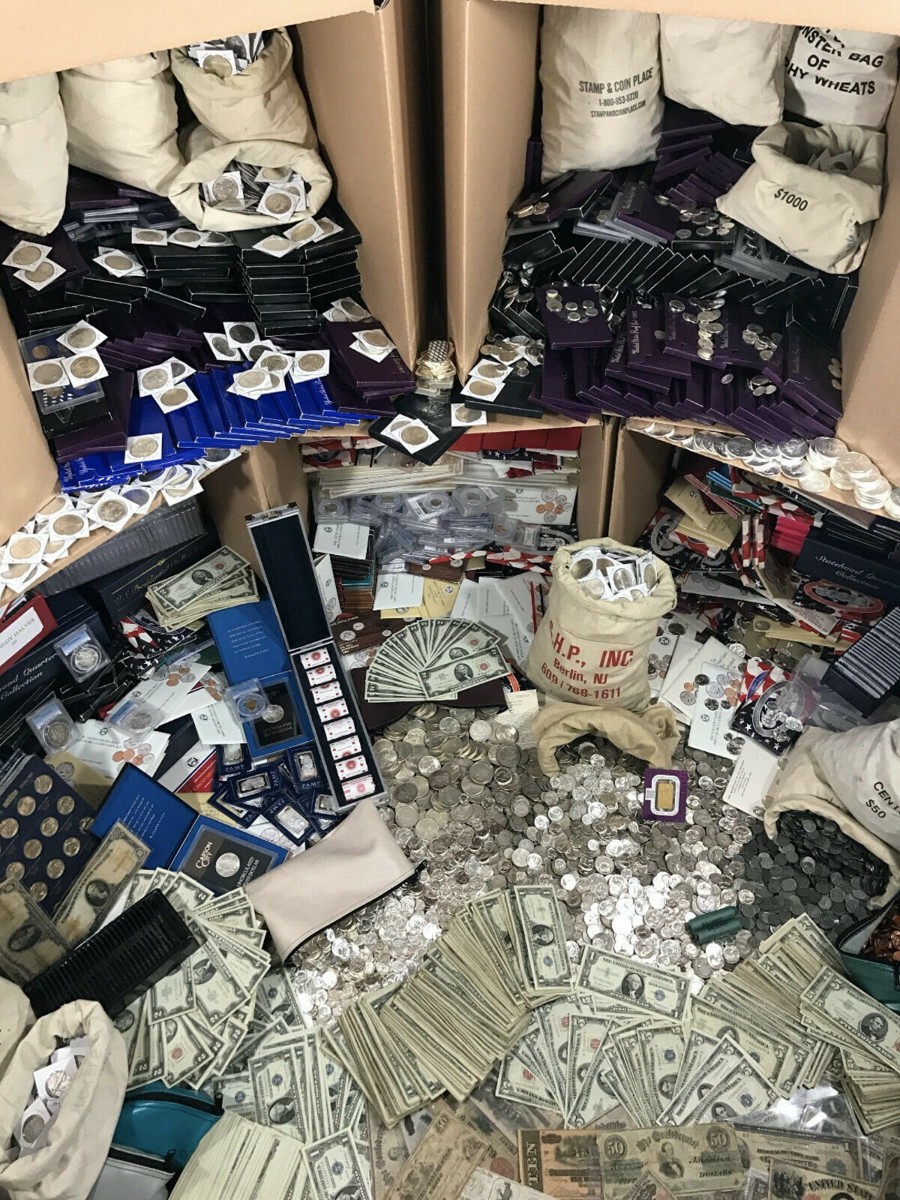 Old U.S. Estate Coin Lots ~ Rare US Coins ~ Gold Silver Proof + BONUS!$32.95View on eBay
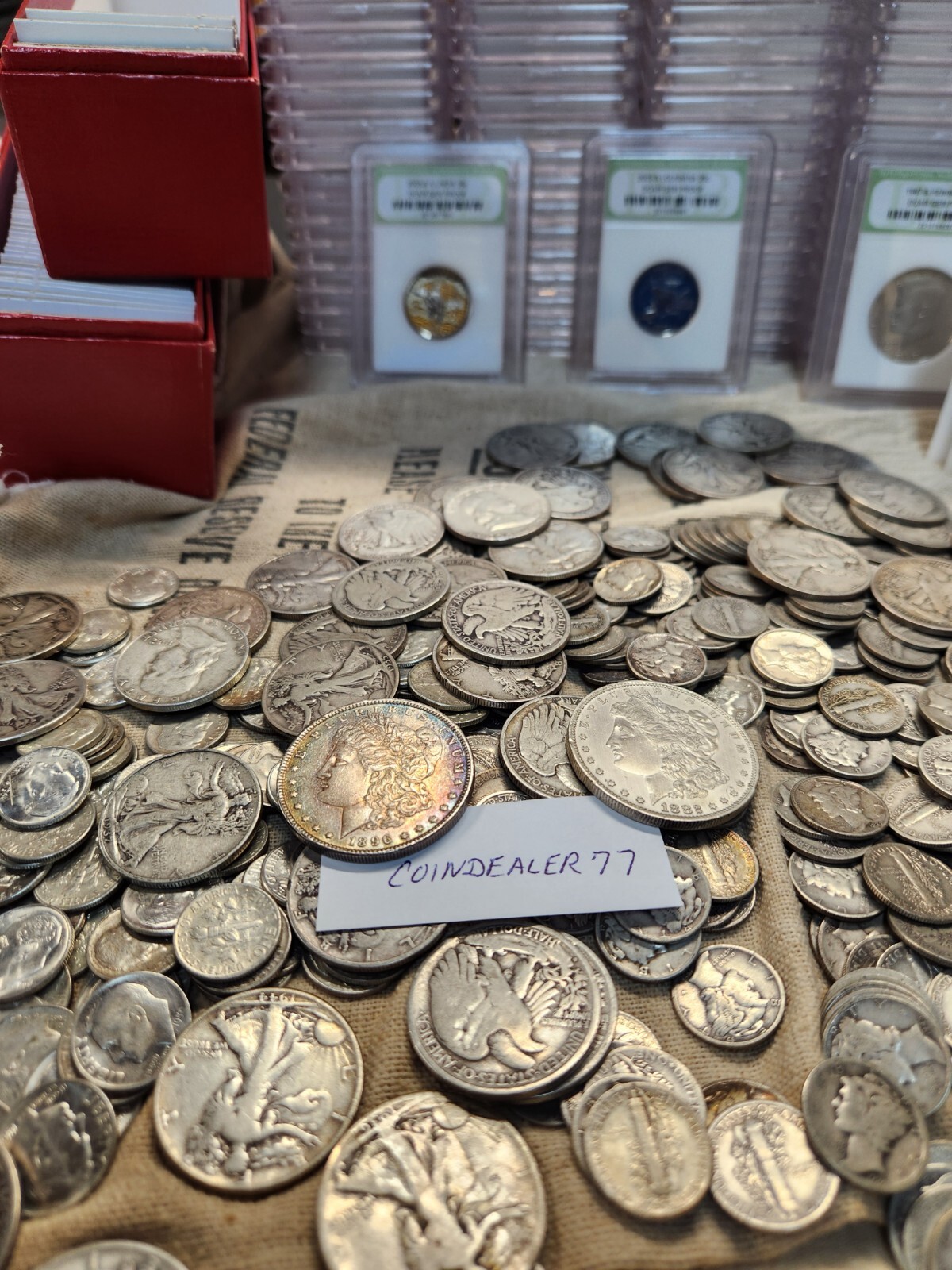 Old U.S. Estate Coin Lots - Rare US Coins - Gold / Silver / Proof + BONUS!$32.99Last checked Nov 18, 2026View on eBay
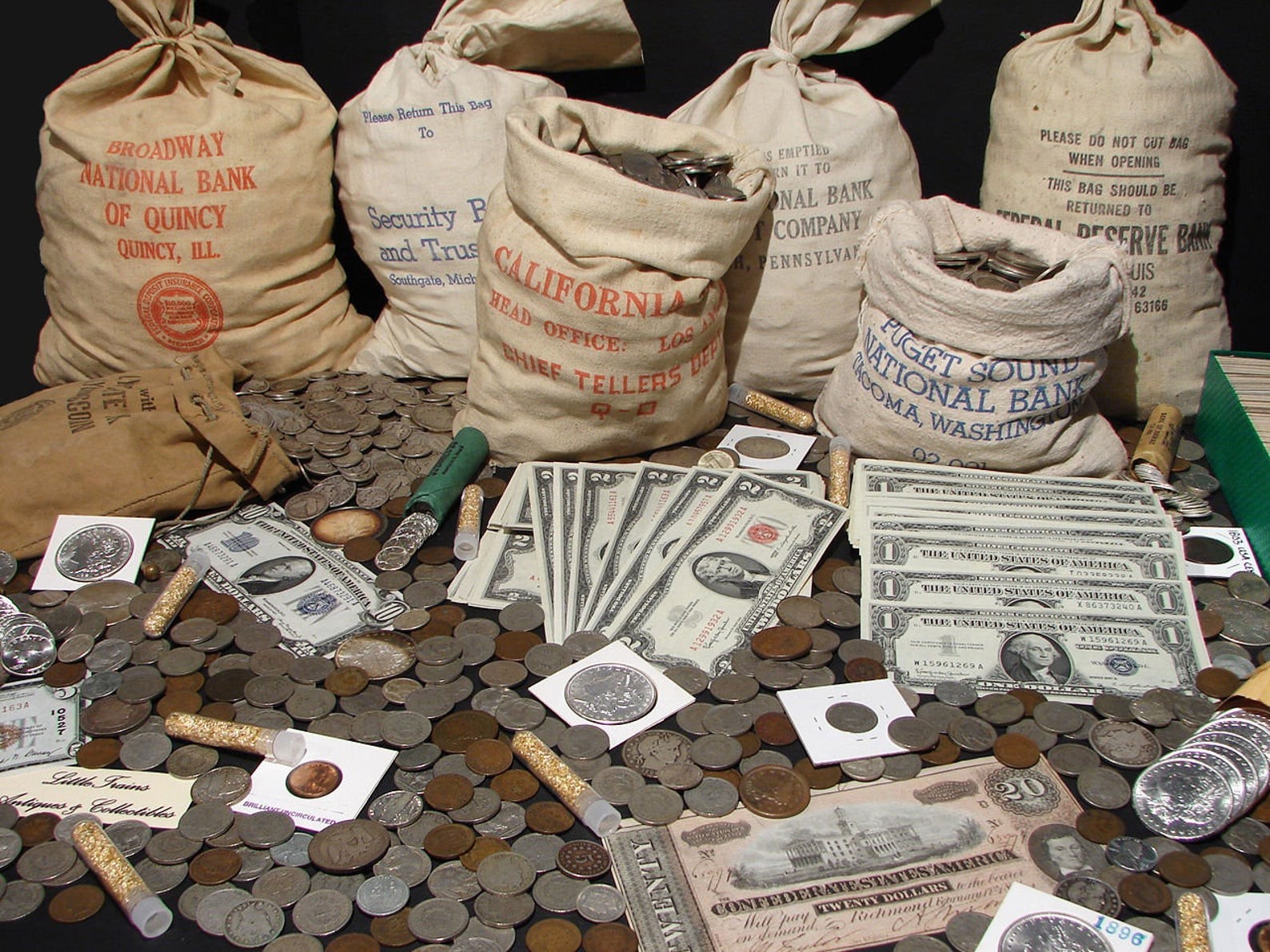 ESTATE SALE ~ OLD COINS ~ GOLD ~ .999 SILVER BARS BULLION ~ CURRENCY ~ PROOFS$34.95View on eBay
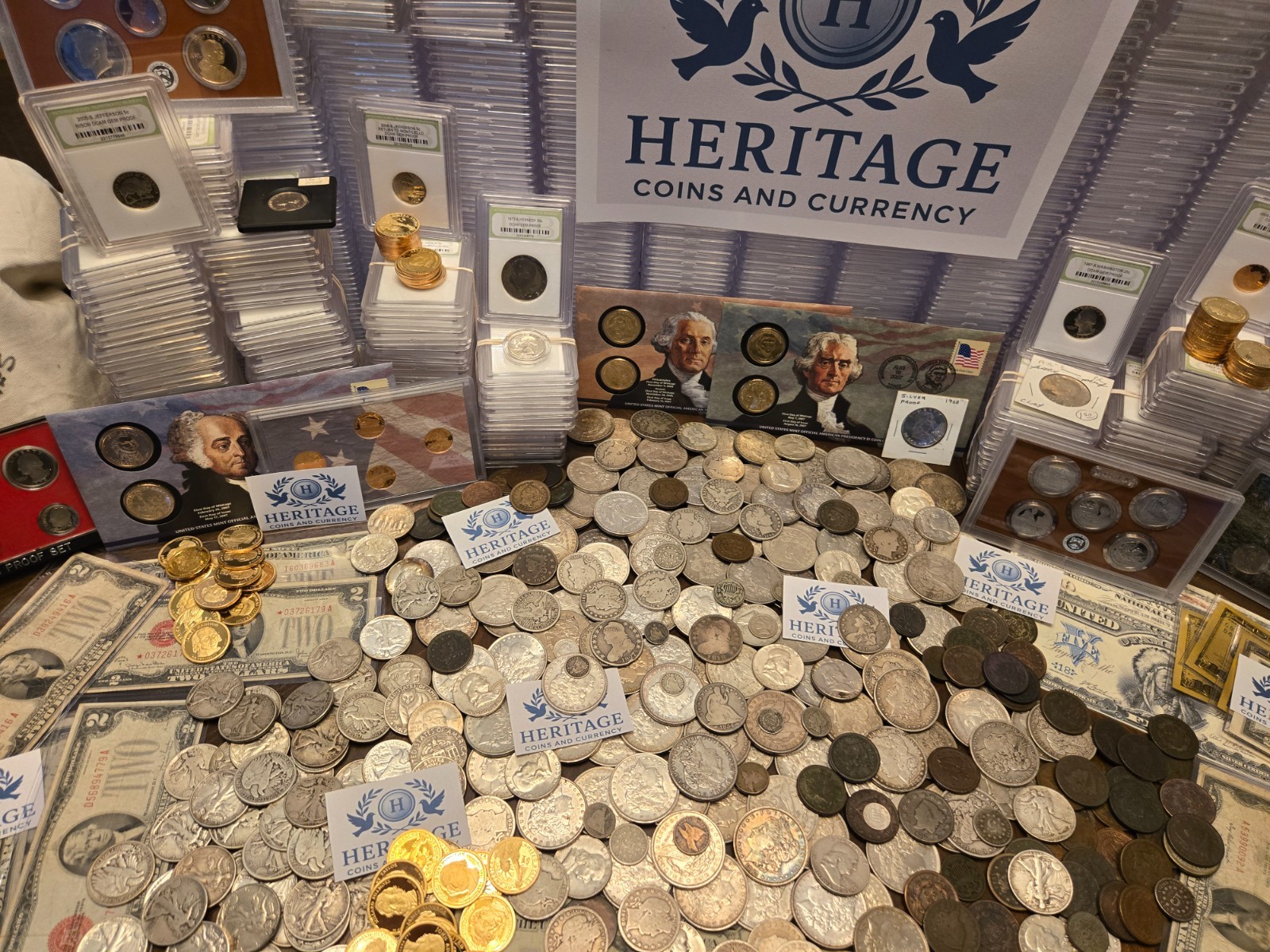 ESTATE SALE, OLD COINS, GOLD, .999 SILVER BARS, BULLION, RARE U.S. BILLS, PROOFS$34.99Last checked Nov 18, 2026View on eBay
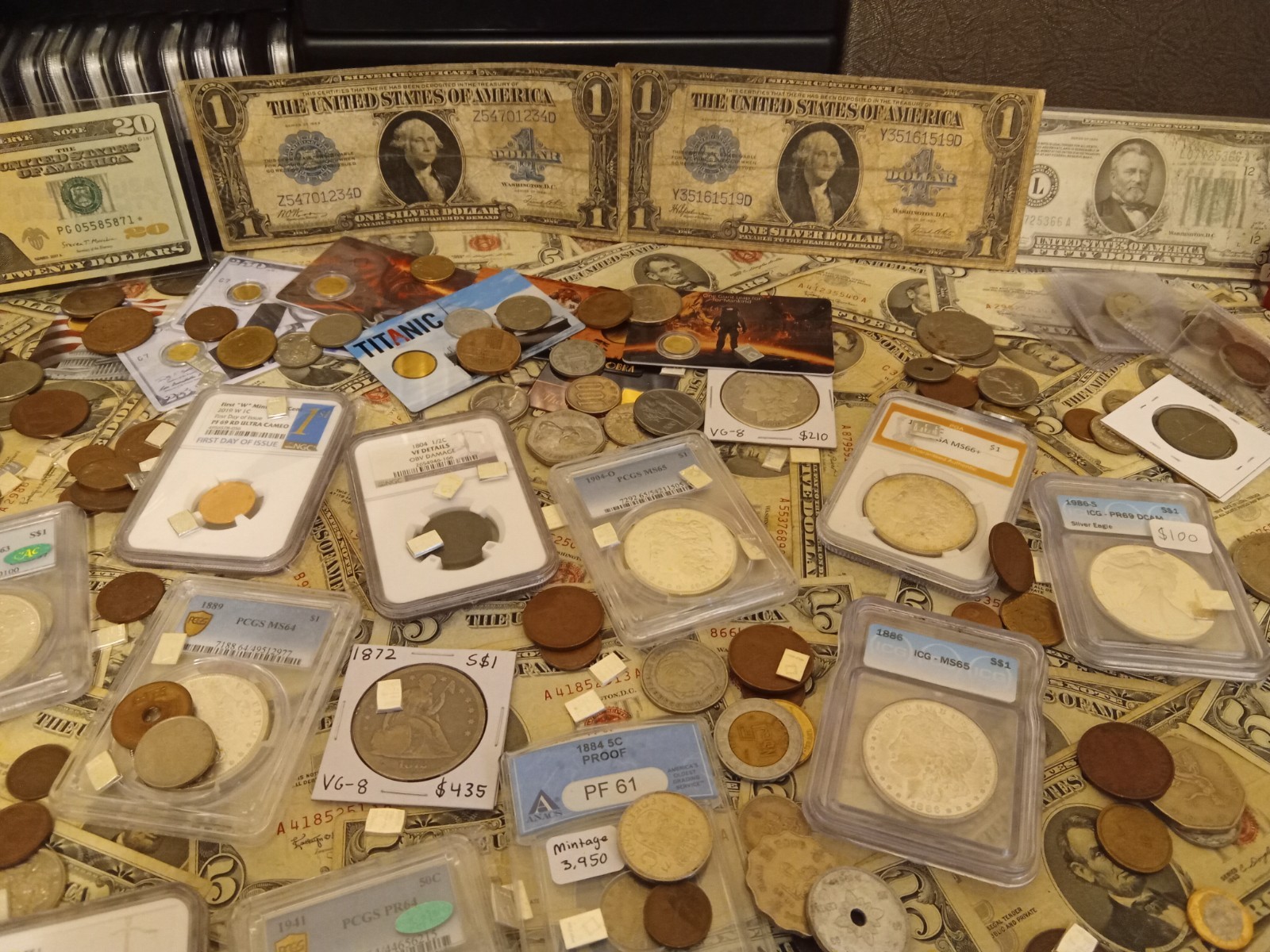 Wholesale Blowout Old U.S. Coin Estate Sale Lot- Silver+Proof+Rare Coins$38.99View on eBay
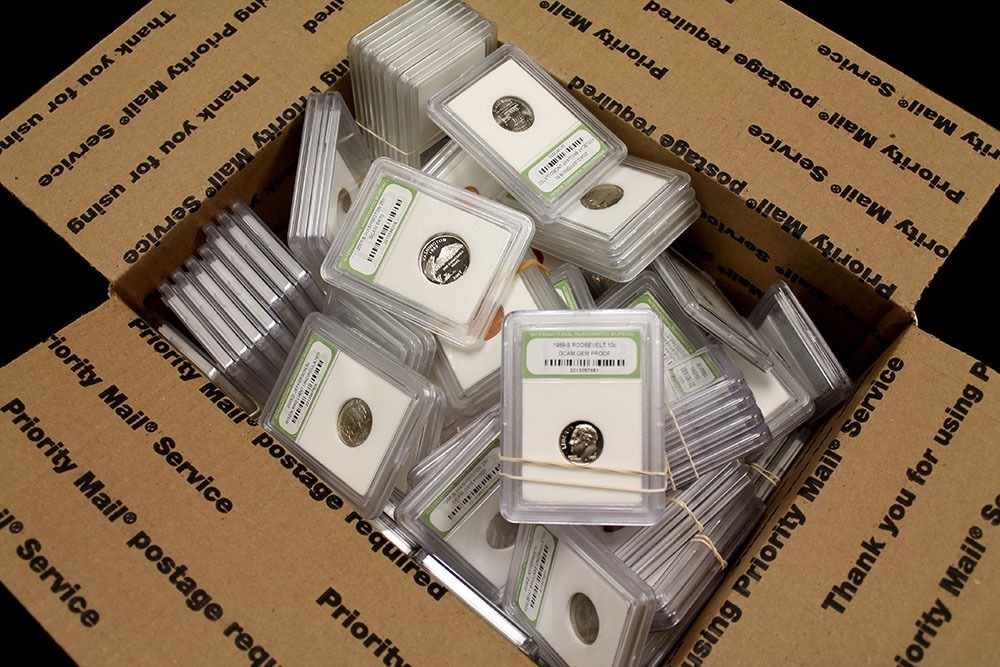 Huge Crazy Mixture of Over 100 Slabbed Coins. BU, Proof and Circulated US Coins$235.50Last checked Nov 14, 2026View on eBay
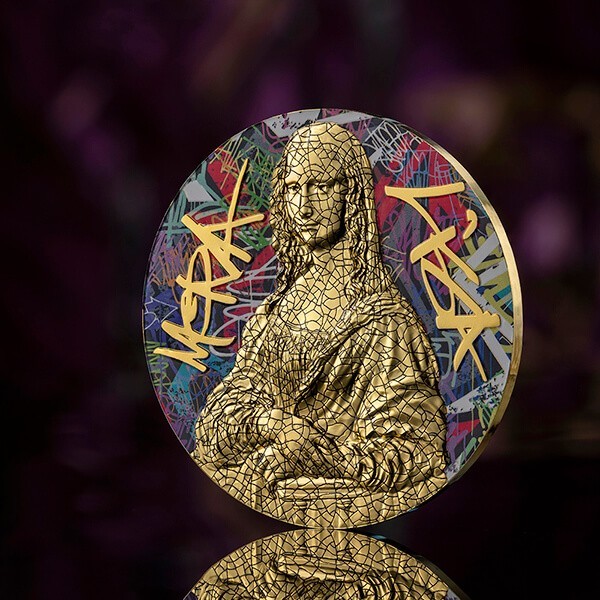 2023 Niue Pop Art Mona Lisa 2 oz Proof Silver Coin$424.99Last checked Nov 14, 2026View on eBay
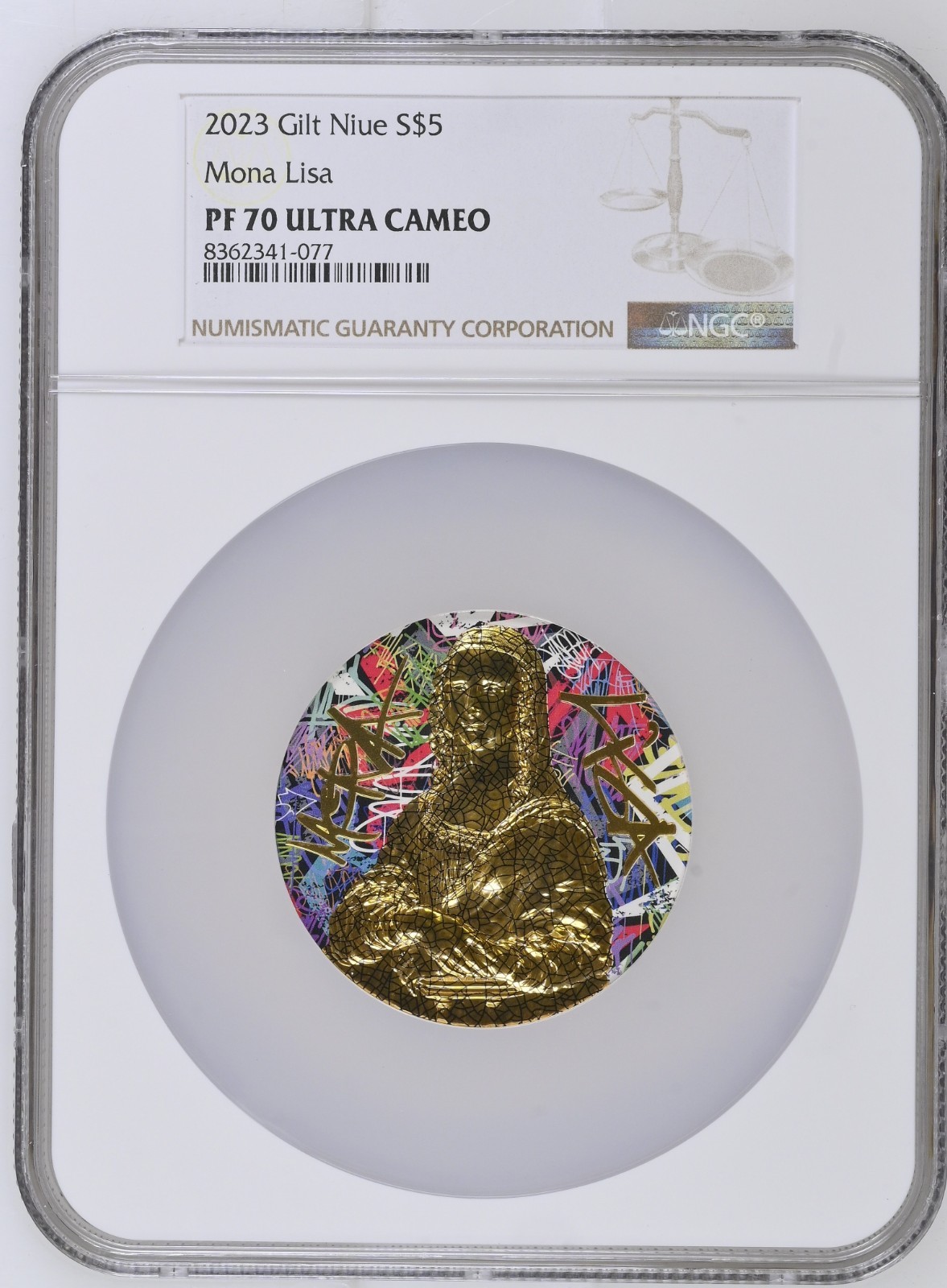 2023 Niue Pop Art Mona Lisa 2 oz Proof Silver Coin / NGC PF70$574.99Last checked Nov 14, 2026View on eBay
Highlights
- Proof striking uses polished dies and planchets struck multiple times, producing mirror-like fields and frosted devices that distinguish proofs from business strikes.
- Certification by NGC or PCGS assigns a 1-70 Sheldon scale grade; PF70 denotes flawless proof surface, while PF69 allows a single minor imperfection.
- Modern U.S. Proof Sets contain one proof example of each circulating coin for the year, sealed by the Mint; pre-1965 sets carry 90% silver.
- Estate and hoard lots frequently mix common circulated coins with a few proofs, so the stated 'proof' content is unverified without slab certification.
Best use cases
- Best fit: a collector seeking a single high-grade modern proof should buy an NGC or PCGS certified PF69/PF70 coin of a specific date and denomination.
- Best fit: a type collector or gift buyer should buy an official U.S. Mint Proof Set in its original government packaging for completeness and authenticity.
- Wrong fit: a buyer expecting guaranteed proof content from a mixed 'estate sale' lot should skip these entirely; without slabs, proof status and condition are unverifiable.
- Wrong fit: a stacker seeking pure bullion value should avoid premium-priced proof coins and buy standard bullion instead, since proof premiums are not recovered on melt.
Buying tips
- Prioritize coins holdered by NGC or PCGS with a verifiable certification number; raw proofs in flips carry cleaning and handling risk that erases premium.
- For U.S. proof sets, confirm the year and mint packaging: 1950-1964 sets are 90% silver, while 1965-1967 Special Mint Sets are clad and not true proofs.
- When evaluating world proofs like the 2 oz Niue Pop Art series, check the stated purity (.999 fine silver), weight, and limited mintage; these are collector items priced above melt.
- Treat 'estate lot' or 'hoard' listings as ungraded bulk: the visible value is in the named key dates and silver content, not the word 'proof' in the title.
Specs
| Strike Type | Proof: mirror field, frosted relief |
|---|---|
| Grading Scale | Sheldon 1-70; PF70 top grade |
| Certification | NGC or PCGS holder with serial |
| Silver Content | 90% pre-1965 U.S.; .999 world proofs |
Related searches
What to check before buying
- Confirm the coin's certification holder is intact with a matching NGC or PCGS serial before purchase; cracked holders void grade guarantees.
- Verify the year, mint mark, and denomination against a standard price guide to ensure the proof is a recognized issue and not a altered or replica piece.
- For proof sets, check that the original Mint packaging and COA are included; loose set coins lose collector premium.
- For world proofs, confirm weight and fineness (e.g., 2 oz .999 silver) and that import duties or taxes for your country are accounted for.
FAQ
Data sources: eBay / Amazon listings and product attribute feeds. Updated Nov 23, 2026.
Some links on this page are affiliate links. If you buy after clicking one, we may earn a commission at no extra cost to you. This does not change which products appear here or their order. Affiliate disclosure.