
Photos from current listings. Actual item, color, and included accessories may vary.
Copper Coin Buying Guide
Copper coins span true legal-tender historical issues, .999 fine bullion rounds, and decorative art pieces; the core trade-off is metal purity and mint standard versus novelty finish and fantasy design. Buy .999 fine or government-issued copper for intrinsic and collectible value, and treat colorized or 3D high-relief fantasy rounds as art objects with no bullion premium.
At a glance
- Category
- Coins & Paper Money
- Last updated
- Nov 23, 2026
Current offers
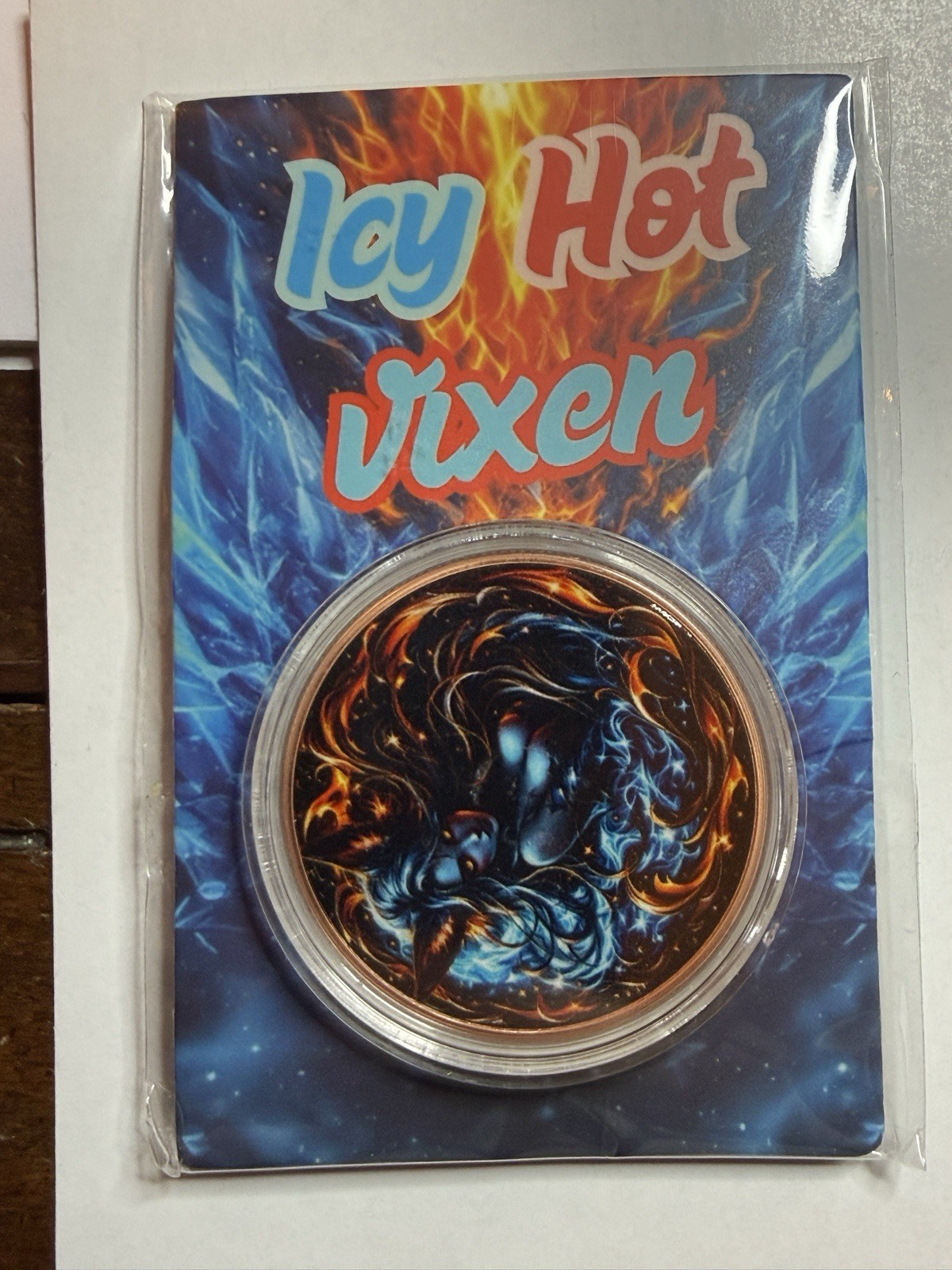 Icy Hot Vixen 1oz Copper Coin: 2025 Limited Edition Fantasy Art Collectible$9.00View on eBay
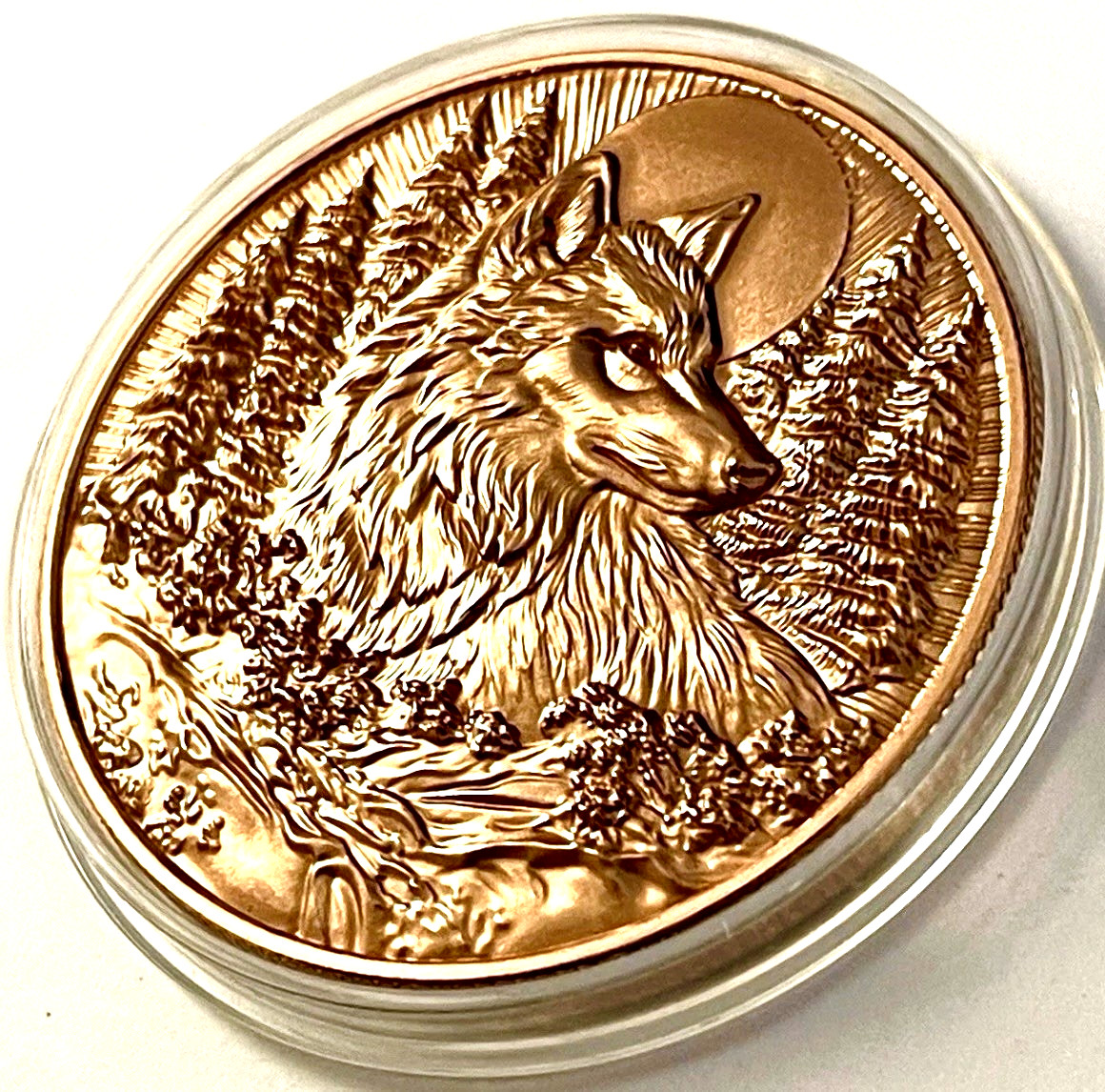 1 Oz .999 Copper Coin High Relief Round Wolf Animal Bullion Collectible Art 3D$15.99Last checked Nov 21, 2026View on eBay
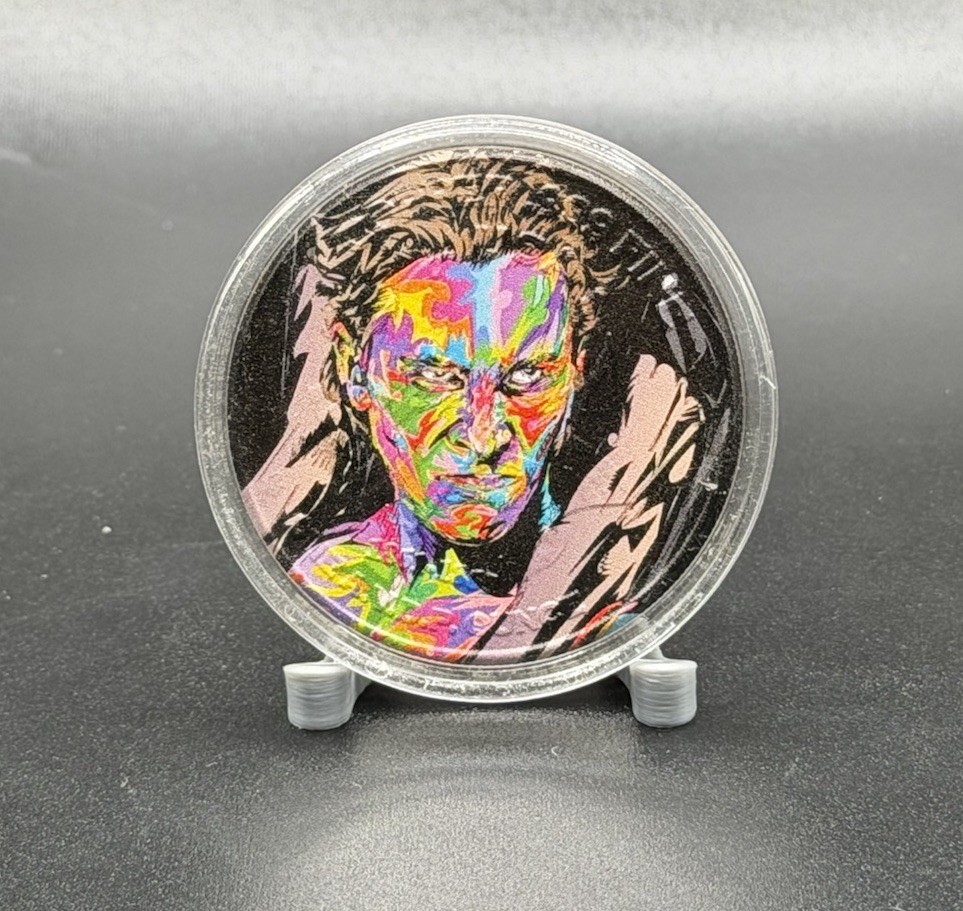 Psycho Killer Pop Art Copper Coin Cult Classic Novelty Collectible Round RARE$16.99View on eBay
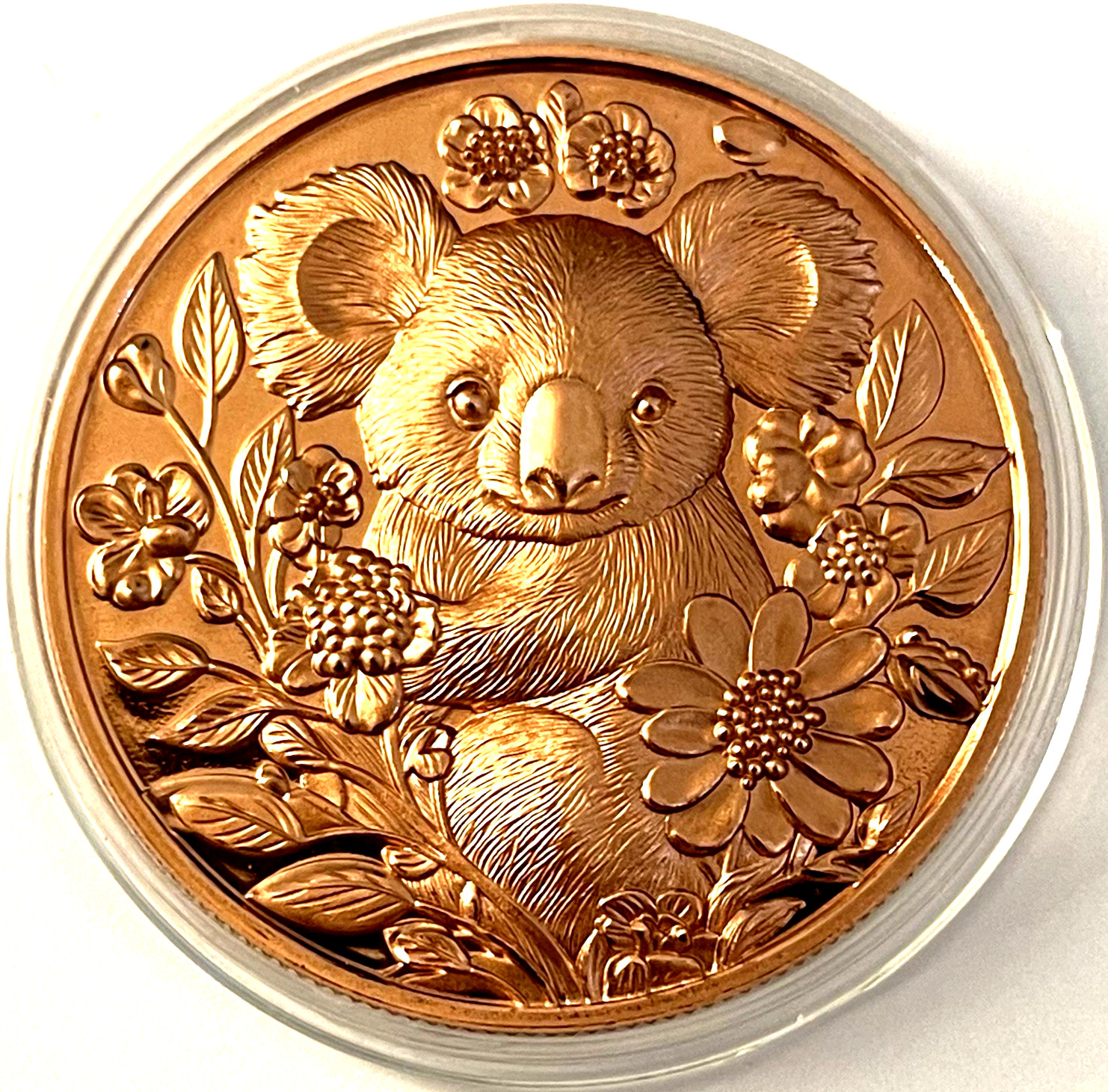 1 Troy Oz Copper Coin Ultra High Relief Round 3D Koala Bullion Collectible Art$21.99View on eBay
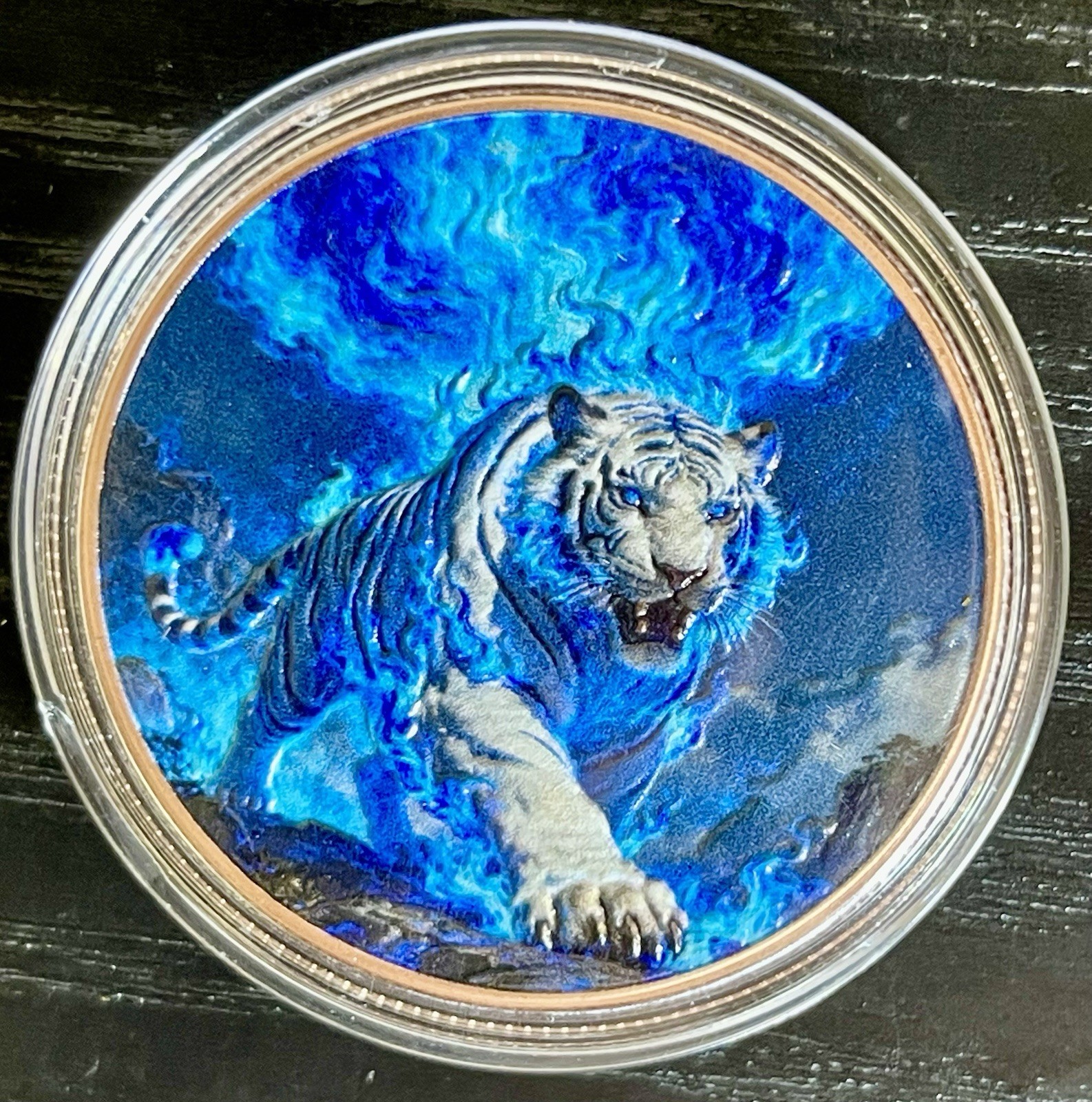 1 Oz .999 Copper Round Siberian Tiger Fantasy 3D Bullion Collectible Art Coin$13.99View on eBay
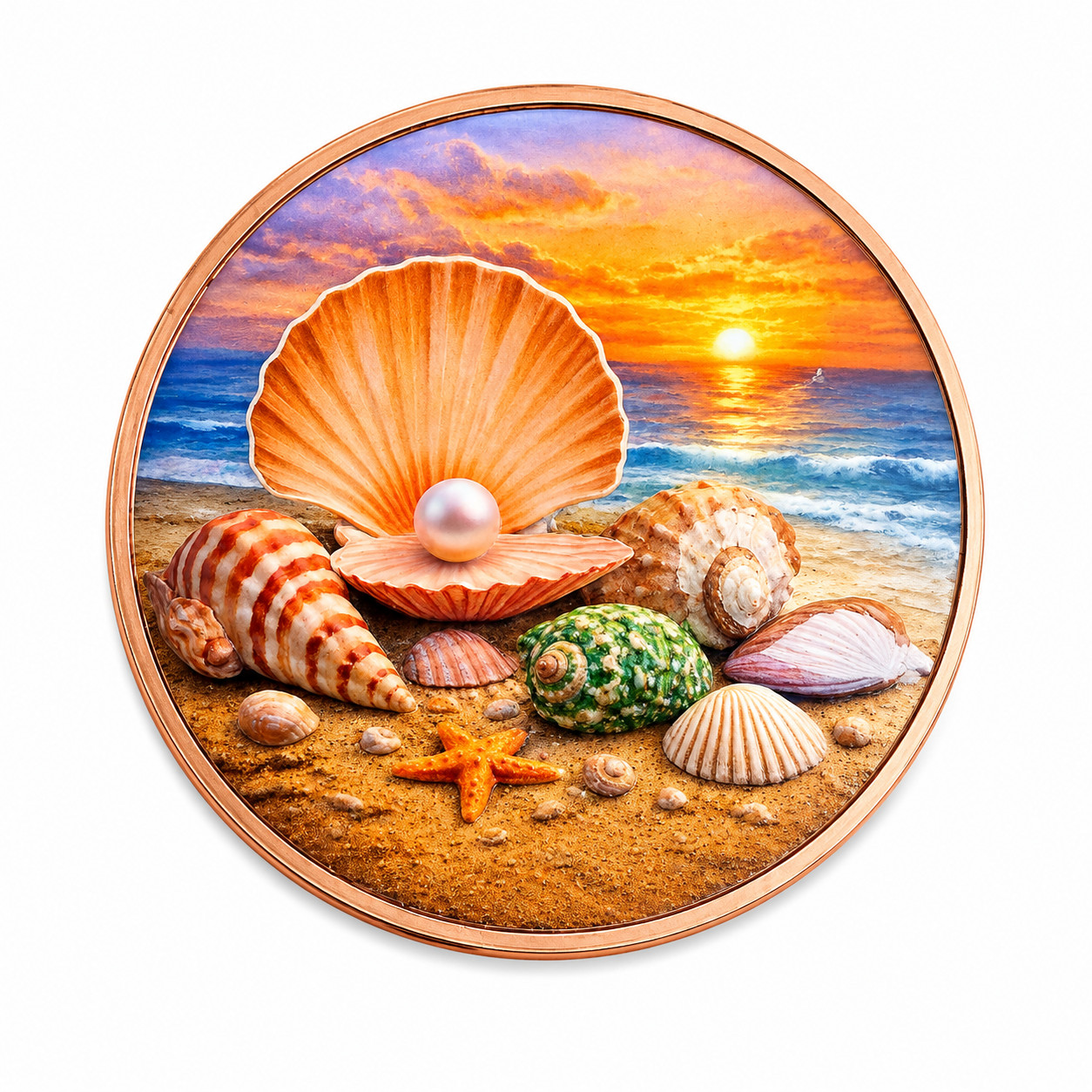 1 oz Colorized Round Copper Pearl in Shell Beach Sunset Art Collectible Coin$14.99Last checked Nov 20, 2026View on eBay
 Colorized Eagle USA 1 oz .999 Fine Copper Round High Relief Coin Bullion Art$14.99View on eBay
 1 Oz Copper Round Fantasy Coin Colorized Snake Goddess Bullion Collectible Art$16.99Last checked Nov 20, 2026View on eBay
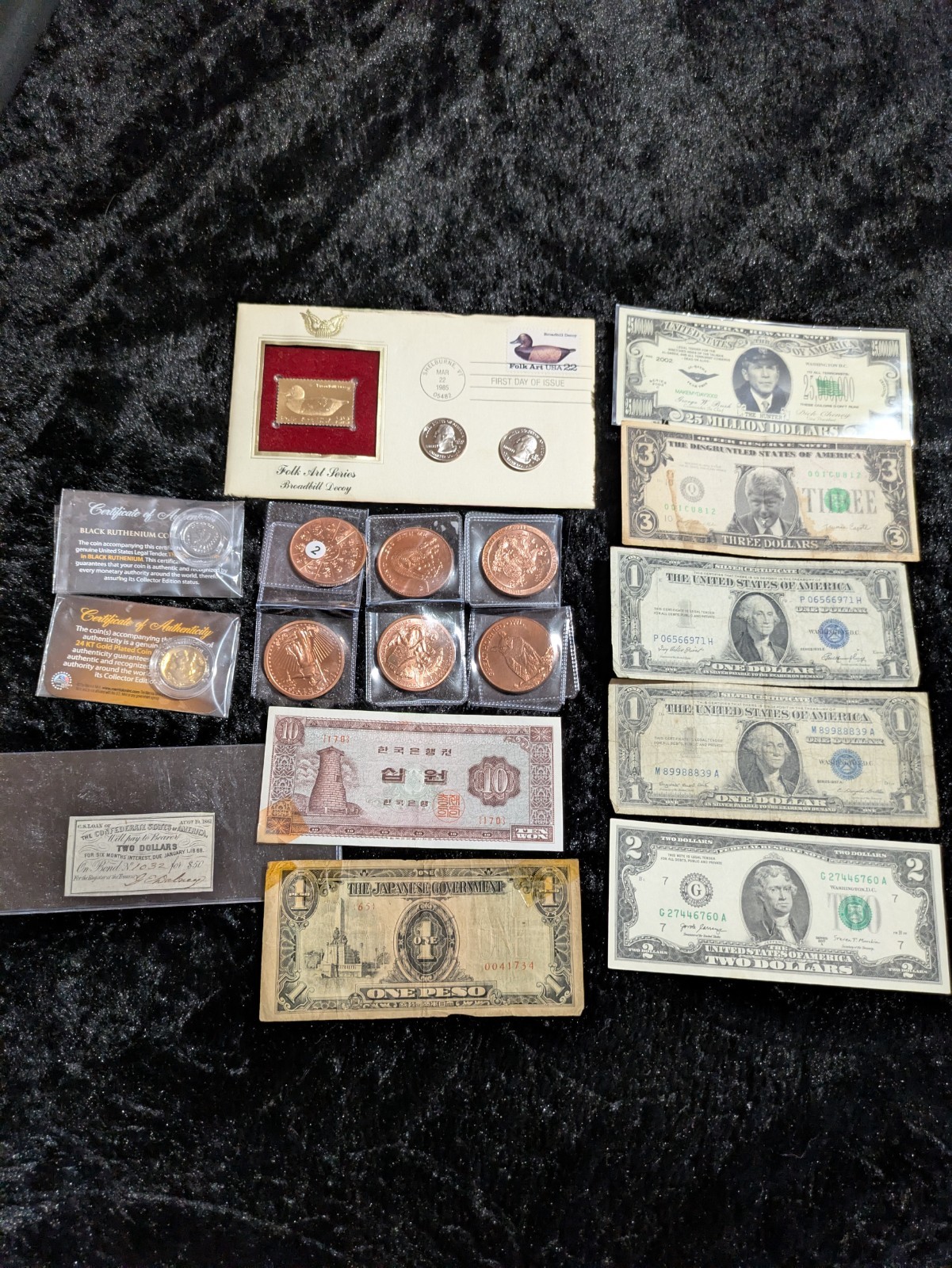 Lot Of Collectibles. Coins And Paper Money, Stamps,copper And More Collection$65.00View on eBay
Highlights
- Bullion copper rounds are struck in .999 fine copper at 1 troy ounce (31.1 g), while historical coins vary widely in alloy and weight.
- High-relief and 3D ultra-high-relief strikes use multiple squeeze cycles or special dies, producing deeper sculpting but slower minting and higher unit cost.
- Colorized and fantasy art rounds apply pad-printed or enamel coatings over base metal; these finishes are not protective and can wear or fade with handling.
- Government copper coins (e.g., U.S. Lincoln cents, Canadian cents) carry face value and legal-tender status; private rounds carry only metal and artistic value.
Best use cases
- Best fit: stacking intrinsic copper — choose 1 oz .999 fine bullion rounds or pre-1982 U.S. cents (95% copper) in bulk; skip colorized or fantasy designs.
- Best fit: display or gift art — pick 1 oz high-relief or 3D animal/fantasy rounds with protective capsules; do not expect resale above metal content.
- Best fit: numismatic collection — target key-date or graded legal-tender copper coins with certification; avoid novelty 'limited edition' fantasy rounds marketed as rare.
- Wrong fit: anyone buying colorized fantasy rounds as an investment — plating and paint add no melt value and often reduce appeal to bullion buyers.
Buying tips
- Verify weight and purity: a true bullion copper round states 1 troy oz (31.1 g) and .999 fine; avoid listings that omit weight or say 'copper clad' or 'copper plated'.
- For U.S. copper cents, the 1982 transition splits 95% copper (pre-1982, 3.11 g) from 97.5% zinc (post-1982, 2.5 g); sort by weight or date before buying bulk.
- High-relief and 3D rounds require capsules; raw handling of deep Relief surfaces invites fingerprints and rim dings that cut resale.
- Fantasy 'limited edition' labels are marketing, not mintages; only government issues with published mintage figures support collector premiums.
Specs
| Composition | .999 fine copper vs 95% Cu alloy |
|---|---|
| Weight Standard | 1 troy oz (31.1 g) bullion round |
| Strike Type | Standard vs high-relief / 3D |
| Issue Type | Legal tender vs private fantasy round |
Related searches
What to check before buying
- Confirm the listing states exact weight (1 troy oz / 31.1 g) and purity (.999 fine) rather than 'copper' alone.
- Decide storage: capsules or tubes for bullion rounds, inert holders for historical coins; PVC flips can corrode copper over years.
- For legal-tender copper coins, verify date, mintmark, and grade standard (e.g., PCGS/NGC slab) before paying numismatic premiums.
- Check dimensions: 1 oz copper rounds typically run 39-40 mm diameter, so standard 40 mm capsules fit most bullion strikes.
FAQ
Data sources: eBay / Amazon listings and product attribute feeds. Updated Nov 23, 2026.
Some links on this page are affiliate links. If you buy after clicking one, we may earn a commission at no extra cost to you. This does not change which products appear here or their order. Affiliate disclosure.