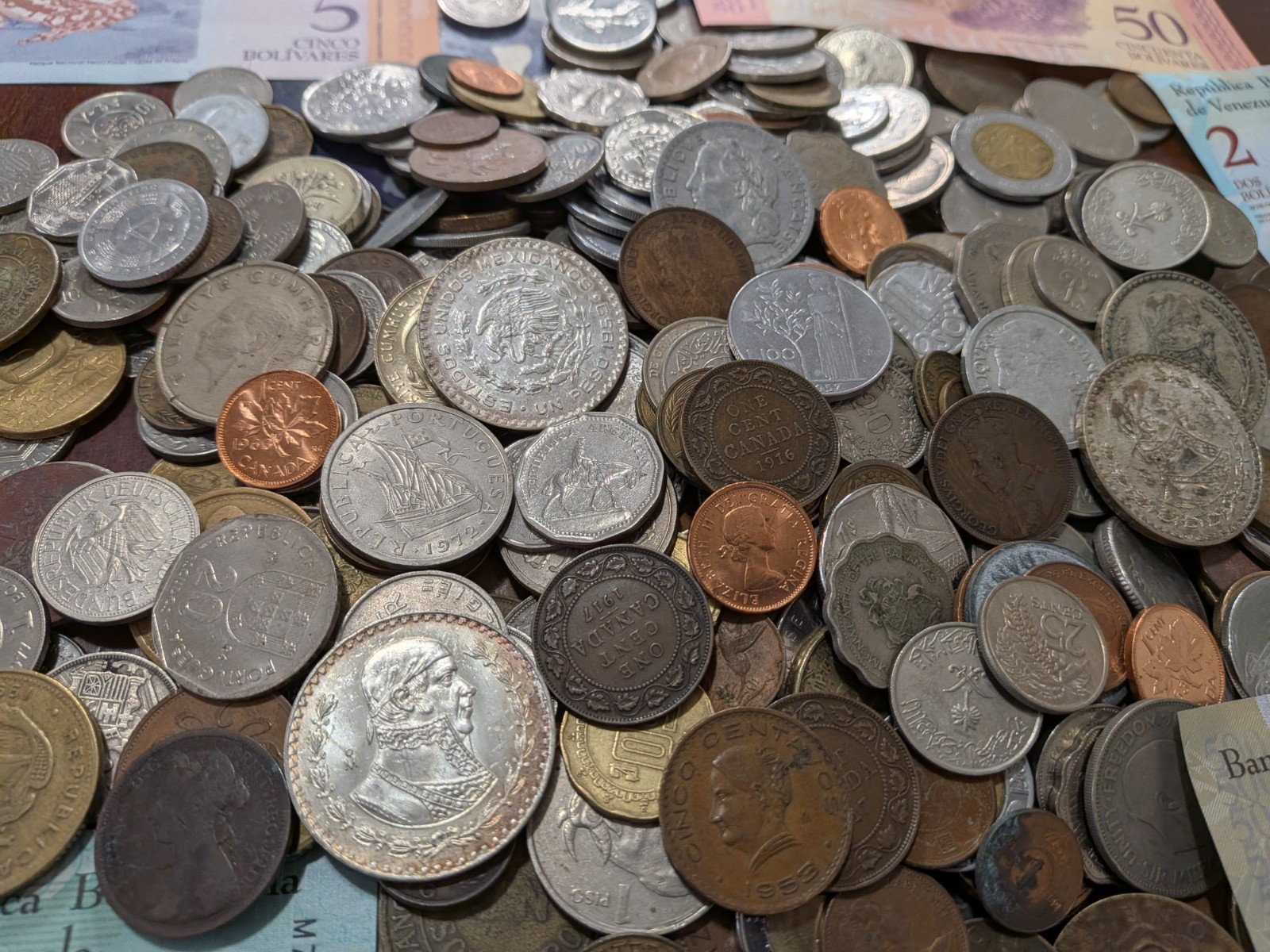

Photos from current listings. Actual item, color, and included accessories may vary.
Ancient Roman Coin Buying Guide
Ancient Roman coins are struck bronze, silver, or gold issues from the Republic through the Late Empire, valued for historical provenance and grade rather than modern bullion content. The primary trade-off is authenticity and metal purity versus price: common late-bronze folles are cheap but often heavily cleaned, while silver denarii and gold aurei carry steep premiums and higher counterfeit risk. The decision rule: buy attributed, slabbed coins from reputable numismatic dealers for any silver or gold piece, and accept raw bronze only for study or bulk lots where grade is secondary.
At a glance
- Category
- Coins & Paper Money
- Last updated
- Nov 23, 2026
Current offers
Highlights
- Denarius silver purity fell from ~95% under Augustus to ~50% by Commodus and under 5% in the 3rd-century antoninianus, so metal content alone signals era and value.
- Bronze folles and nummi dominate surviving supply; common Late Roman types (Constantinian era) trade near bullion-scrap tiers while Republican denarii command strong premiums.
- Grading follows the 70-point Sheldon scale for slabbed coins; raw coins are graded Good to Extremely Fine, and cleaning or tooling drops a coin two or more grades.
- Counterfeit risk is highest on silver denarii and gold aurei; buy only certified examples (NGC, PCGS) or from dealers offering a written lifetime authenticity guarantee.
Best use cases
- Best fit: a first-time buyer wanting a genuine Roman coin for under a modest budget should pick a raw or slabbed Late Roman bronze nummus with clear legend and portrait—skip silver denarii until authentication experience is built.
- Best fit: a collector seeking a recognizable emperor should target a denarius of Trajan, Hadrian, or Marcus Aurelius in VF condition with an NGC/PCGS slab—avoid unattributed raw silver as a first purchase.
- Wrong fit: anyone buying a 'world estate coin collection 60 coins' bulk lot expecting individual rarity should skip it; such lots mix common bronzes with worn or holed pieces and offer no grading or provenance.
Buying tips
- Match metal to era: silver denarii for Republic–2nd century, bronze folles/nummi for 3rd–4th century, and gold aurei/solidi only with certification—purity and survival rates differ sharply.
- Demand a slab (NGC or PCGS) for any coin above the value of common bronze; the holder confirms authenticity, grade, and attribution and protects resale liquidity.
- Check the legend and mint mark: coins with full readable legends (e.g., IMP C TRAIANO) and identifiable mintmarks carry materially higher value than worn blanks.
- Avoid 'cleaned' or 'tooled' descriptions on silver; harsh cleaning removes patina and cuts grade, while tooling (recut details) is considered alteration and kills collector value.
Specs
| Metal Standard | Bronze / Silver / Gold (era-dependent) |
|---|---|
| Denarius Weight | 3.4–4.0 g silver |
| Follis Weight | 8–11 g bronze |
| Authentication | NGC / PCGS slab or dealer guarantee |
Related searches
What to check before buying
- Confirm the coin's diameter and weight against the issue standard (denarius ~3.4–4.0 g, follis ~8–11 g) to catch underweight casts or fourrée plated forgeries.
- Verify the slab serial number on the NGC or PCGS lookup before payment; a mismatched or unverifiable serial means the holder is counterfeit.
- Check that the seller offers a written authenticity guarantee and a return window long enough for independent verification by a numismatist.
- For raw coins, inspect photos at high magnification for seam lines, bubbles, or uniform pitting that indicate casting rather than striking.
FAQ
Data sources: eBay / Amazon listings and product attribute feeds. Updated Nov 23, 2026.
Some links on this page are affiliate links. If you buy after clicking one, we may earn a commission at no extra cost to you. This does not change which products appear here or their order. Affiliate disclosure.