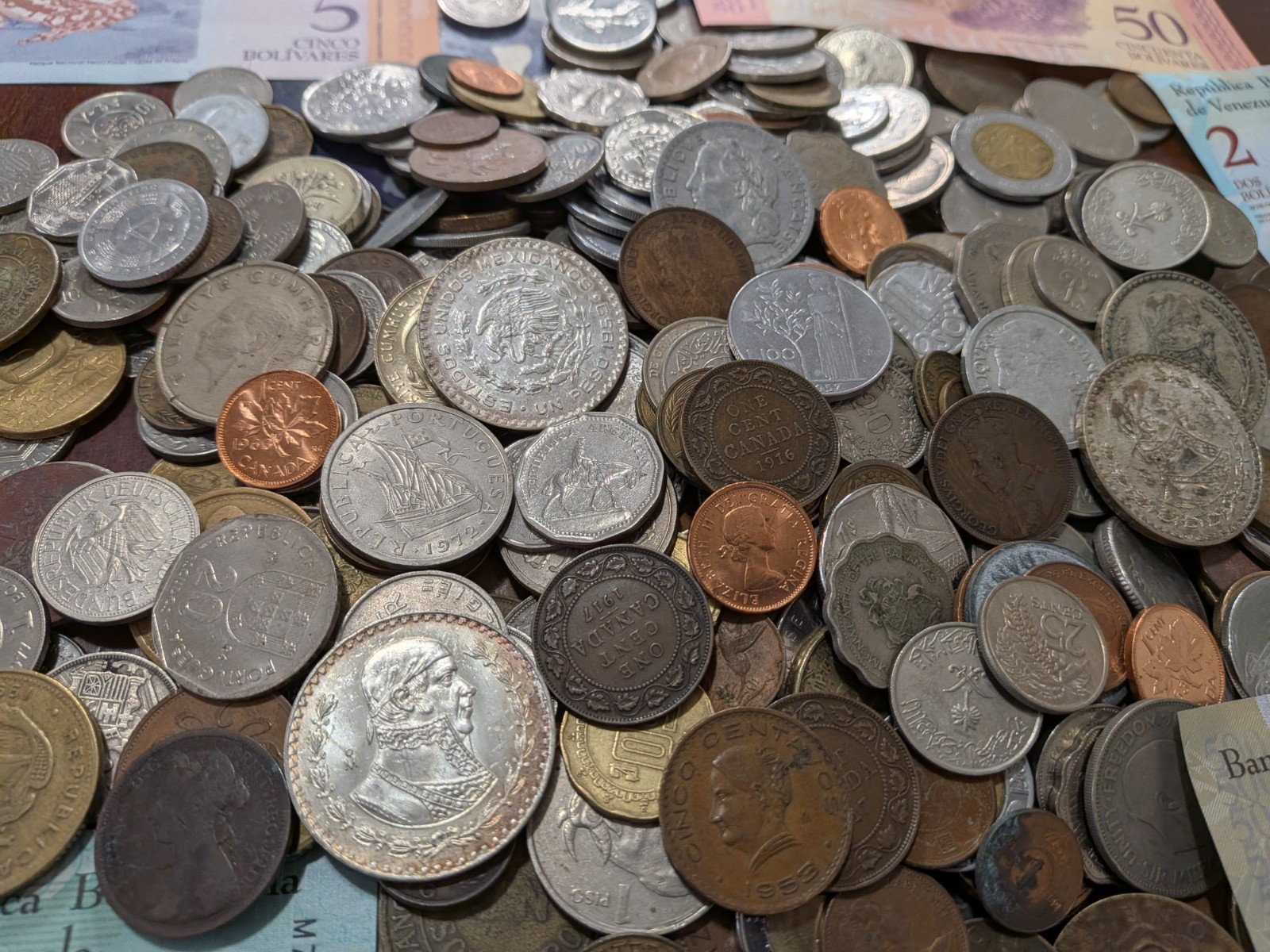

Photos from current listings. Actual item, color, and included accessories may vary.
Ancient Coin Buying Guide
Ancient coins are struck or cast metal pieces from pre-medieval civilizations, valued for historical authenticity, metal content, and grade rather than modern face value. The core trade-off is authenticity and preservation versus cost: genuine coins show specific strike, flan, and patina characteristics that fakes and over-cleaned pieces lack. The decision rule is to buy only from sellers who guarantee authenticity and grade using standardized scales, skipping lots with vague provenance or suspicious uniform surfaces.
At a glance
- Category
- Coins & Paper Money
- Last updated
- Nov 23, 2026
Current offers
Highlights
- Roman denarius and Greek tetradrachm are the benchmark silver denominations, typically 3.4–4.5 g and 12–17 g respectively, struck rather than cast.
- Bronze and copper-alloy coins (sestertius, as, follis) develop stable patinas; bright stripped surfaces signal harsh cleaning that destroys collector value.
- Grading follows the 12-point scale from About Good to Mint State; most ancient coins trade in Fine to Very Fine, where legends and portraits remain legible.
- Late Roman bronze folles and Constantinian era coins are the most affordable entry tier due to huge mint outputs and abundant hoard finds.
Best use cases
- Best fit: Roman Imperial denarius in Fine or better for collectors wanting a recognizable silver portrait coin; skip low-grade bronzes with illegible legends.
- Best fit: Greek silver tetradrachm or drachm for investors in ancient silver; avoid cast tourist reproductions sold as 'Greek style'.
- Best fit: Late Roman bronze follis or antoninianus for budget starters and educational sets; skip uncleaned bulk lots unless you can verify metal and authenticity.
- Wrong fit: buying any ancient coin without a written authenticity guarantee or from a seller who cannot identify ruler and mint.
Buying tips
- Demand ruler, denomination, mint, and date range in the listing; a Roman denarius should name the emperor and RIC or Sear catalog reference.
- Check weight against standard: a silver denarius under 3.0 g is likely plated or heavily worn; a tetradrachm under 12 g is suspect.
- Prefer coins with original patina and honest wear over chemically cleaned pieces; cleaning removes metal and erases surface history.
- For budget purchases under the price of a silver denarius, expect late Roman bronze folles or fractional coins, not early imperial silver.
Specs
| Metal Composition | Silver, bronze, copper, electrum, gold |
|---|---|
| Striking Method | Hand-struck vs cast (cast = suspect) |
| Grading Scale | About Good to Mint State (12-point) |
| Authenticity | Written guarantee + return policy |
Related searches
What to check before buying
- Verify the seller offers a lifetime authenticity guarantee and accepts returns for unauthenticated coins.
- Confirm the coin's weight and diameter match the denomination standard before buying; request measurements if absent.
- Check that the listing identifies the ruler, mint, and reference catalog number, not just 'ancient Roman coin'.
- For storage, plan for inert holders (Mylar flips or capsules); PVC flips and humid environments damage patina and bronze.
FAQ
Data sources: eBay / Amazon listings and product attribute feeds. Updated Nov 23, 2026.
Some links on this page are affiliate links. If you buy after clicking one, we may earn a commission at no extra cost to you. This does not change which products appear here or their order. Affiliate disclosure.