
Photos from current listings. Actual item, color, and included accessories may vary.
Baseball Card Buying Guide
Baseball cards are collectible trading cards featuring MLB players, prospects, and legends, spanning vintage cardboard to modern chrome and autograph issues. The primary trade-off is between low-cost bulk lots (volume but low hit rate) and targeted singles or hobby boxes (higher cost, higher potential value). The clear decision rule: buy sealed wax or high-grade vintage only from reputable sources with authentication, and treat bulk lots as entertainment value rather than investment.
At a glance
- Category
- Baseball Cards
- Last updated
- Nov 23, 2026
Current offers
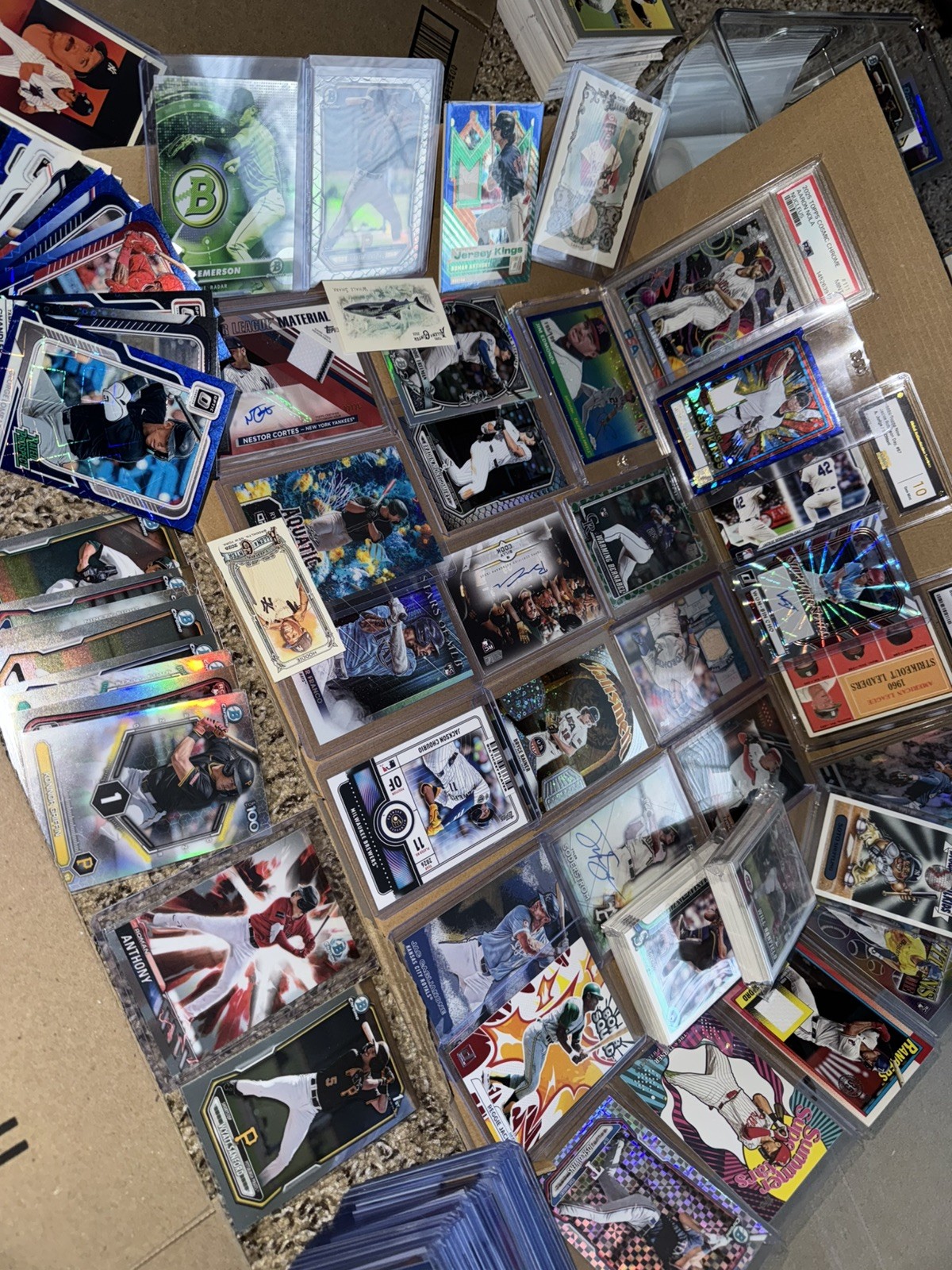 Baseball MLB - 60 Card Lot - Rookies, 1 of 1s, Memorabilia, Autos, Graded$23.99View on eBay
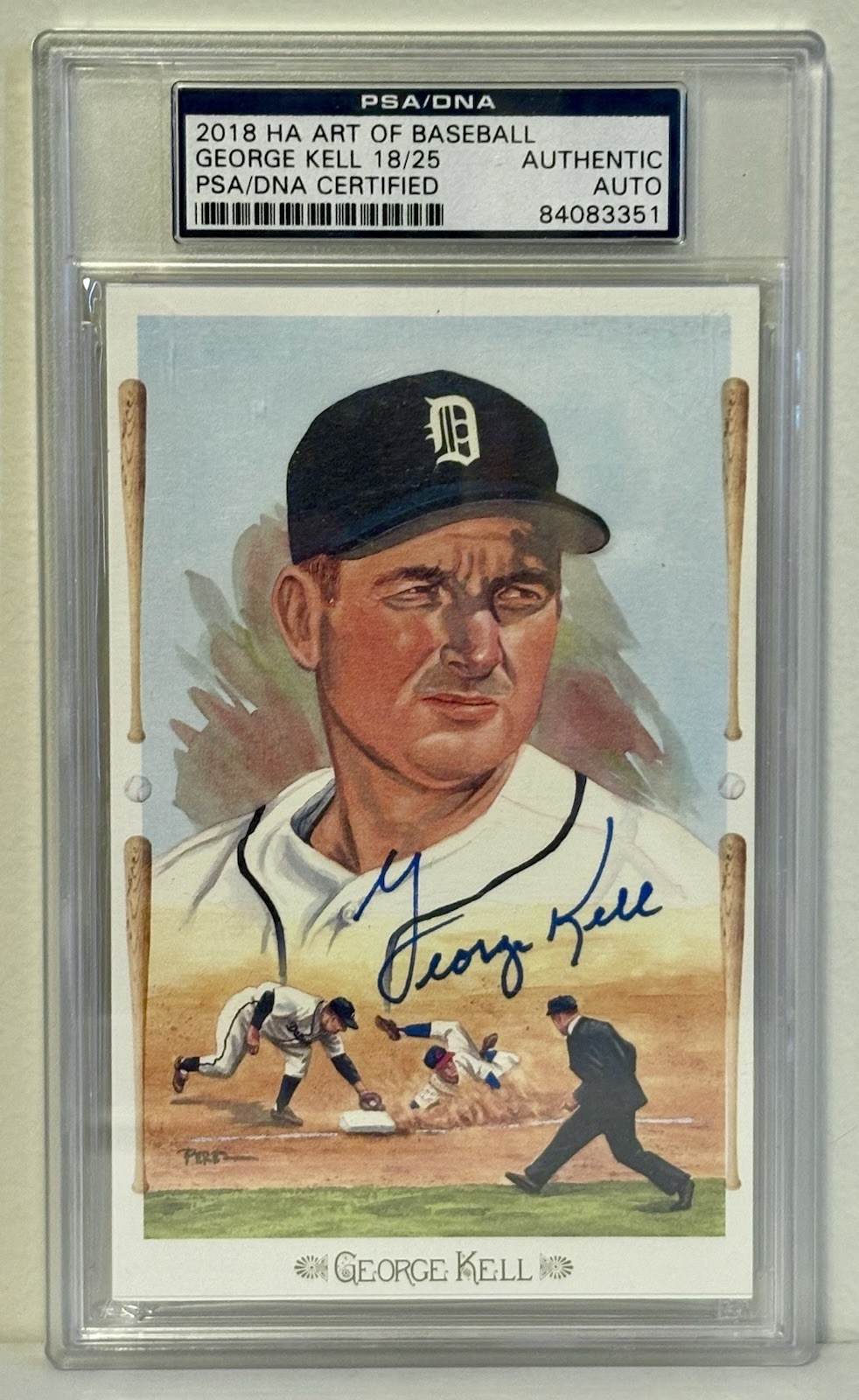 George Kell HoF Auto 2018 Historic Art of Baseball /25 SP On Card Oversized$33.95View on eBay
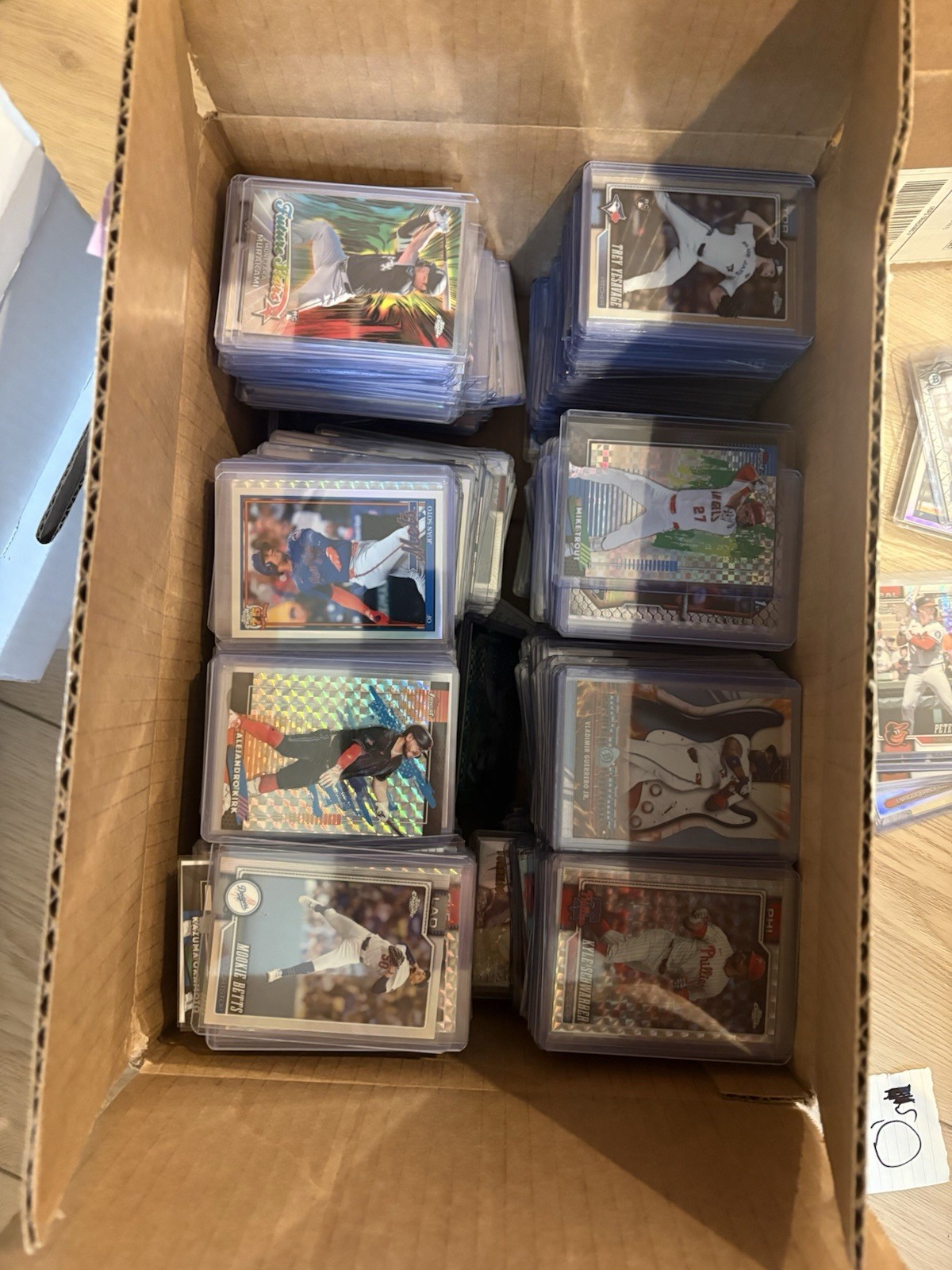 Baseball MLB - 100 Card Lot - Rookies, Refractors, Numbered, Memorabilia, Autos$75.00View on eBay
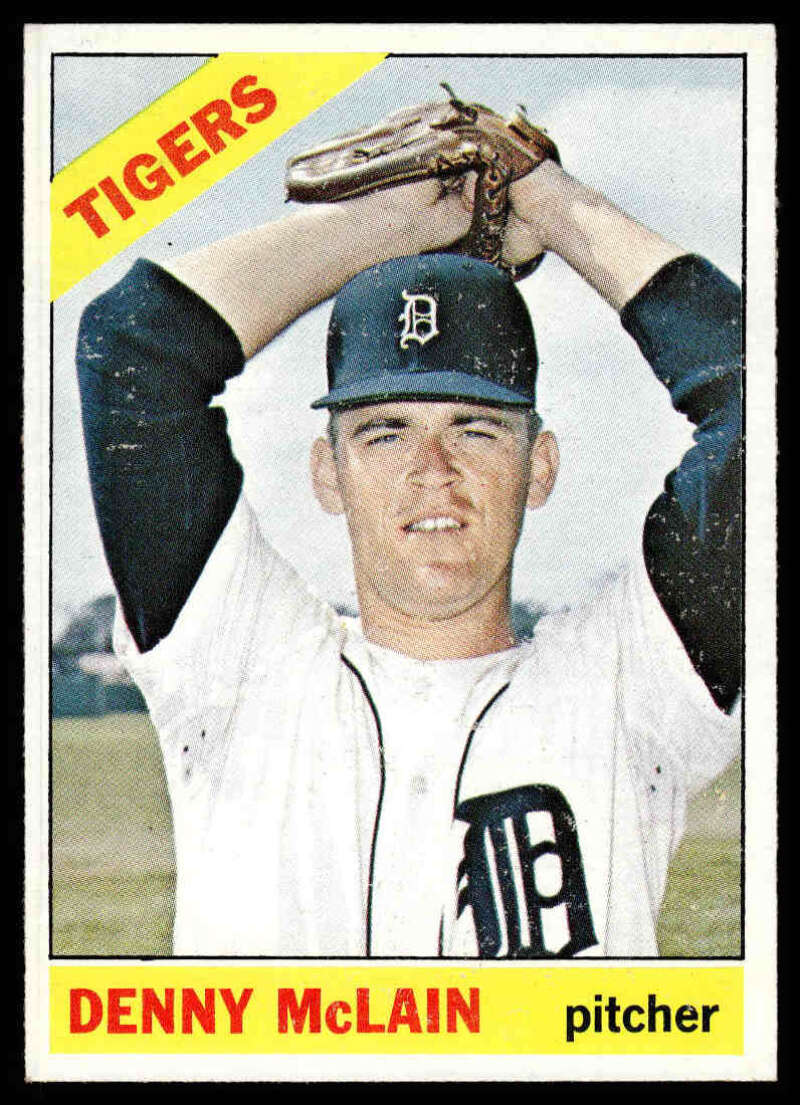 1966 Topps Baseball - Pick A Card - Cards 441-598$199.99View on eBay
Highlights
- Modern cards split into flagship paper (Topps Series 1/2/Update), chrome (Topps Chrome, Bowman Chrome) with refractors, and high-end (Topps Museum, Definitive) with on-card autos and memorabilia.
- Vintage era: 1952–1979 Topps cards with condition-sensitive centering and corners; grading by PSA, BGS, or SGC determines value more than raw card count.
- Refractors and numbered parallels (e.g., /25, /99) carry multipliers over base; autograph cards must be on-card (not sticker) for premium value.
- Bulk lots typically contain base cards, rookies, inserts, and occasional memorabilia/autos, but hit rate is low—expect mostly commons and low-end rookies.
Best use cases
- Best for set collectors: buy sealed hobby boxes of flagship Topps or Bowman Chrome to chase complete sets and prospect autos.
- Best for investors: buy graded vintage stars (e.g., 1966 Topps Hall of Famers) or modern rookie autos in PSA 9/10—skip raw bulk lots.
- Wrong fit: buying 100-card lots expecting autos or numbered cards—most lots are base-heavy; instead buy specific singles or low-end hobby boxes.
- Best for casual fun: 60-card lots with mixed rookies and inserts are fine for kids and casual sorting, but not for resale.
Buying tips
- For vintage (pre-1980), buy cards graded PSA 7 or higher for stars; raw cards risk trimming and altered corners—check centering within 60/40 for PSA 8+.
- For modern prospects, target Bowman Chrome 1st autos (on-card) of top-100 prospects; avoid sticker autos and base chrome of non-prospects.
- Sealed wax: buy hobby boxes (not retail) for guaranteed hits; retail blasters have lower odds and no guaranteed autos.
- Numbered parallels: /25 or lower carry the highest multipliers; /99–/199 are mid-tier; base refractors are common—prioritize low serial numbers.
Specs
| Era | Vintage pre-1980 vs Modern 1981+ |
|---|---|
| Card Material | Paper flagship vs Chrome refractor |
| Autograph Type | On-card vs Sticker |
| Grading | Raw vs PSA/BGS/SGC graded |
Related searches
What to check before buying
- For vintage: verify card dimensions (2.625" x 3.75" for 1952–1956, 2.5" x 3.5" for 1957+) and check for trimming by measuring borders.
- For modern: confirm the box is sealed with Topps/Bowman holographic wrap and buy from authorized hobby shops to avoid repacks.
- For autographs: ensure on-card signature (not sticker) and check for authentication by PSA/DNA or JSA if buying raw.
- For storage: use penny sleeves and top loaders for raw cards; graded cards need slab bags—avoid PVC holders that damage surfaces.
FAQ
Data sources: eBay / Amazon listings and product attribute feeds. Updated Nov 23, 2026.
Some links on this page are affiliate links. If you buy after clicking one, we may earn a commission at no extra cost to you. This does not change which products appear here or their order. Affiliate disclosure.