
Photos from current listings. Actual item, color, and included accessories may vary.
Glass Antique Buying Guide
Glass antiques span pressed EAPG, hand-blown art glass, and Victorian opalescent wares where value hinges on pattern rarity, period-correct mold seams, and crack-free annealing. The core trade-off is pressed mass-market versus hand-finished art glass: pressed EAPG offers documented pattern registries and stable pricing, while hand-blown/enameled pieces carry higher fragility and attribution risk. Buy pressed EAPG by confirmed pattern name and mold number, and only pay art-glass premiums for pieces with documented signatures or period enamel integrity.
At a glance
- Category
- Antiques, Pottery & Glass
- Last updated
- Nov 23, 2026
Current offers
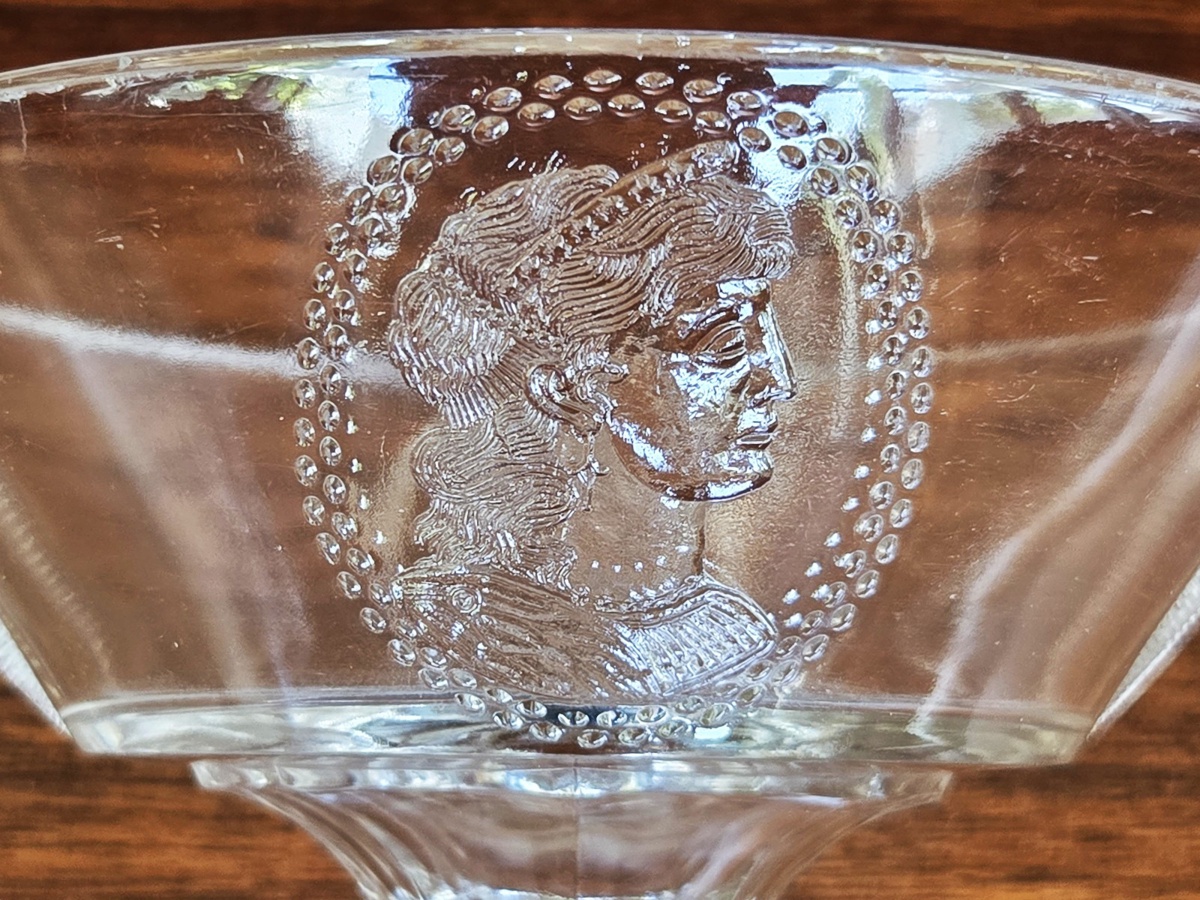 Antique EAPG Classic Medallion Cameo Pattern Glass Compote Bowl 6-1/2" x 3-3/4"$14.70View on eBay
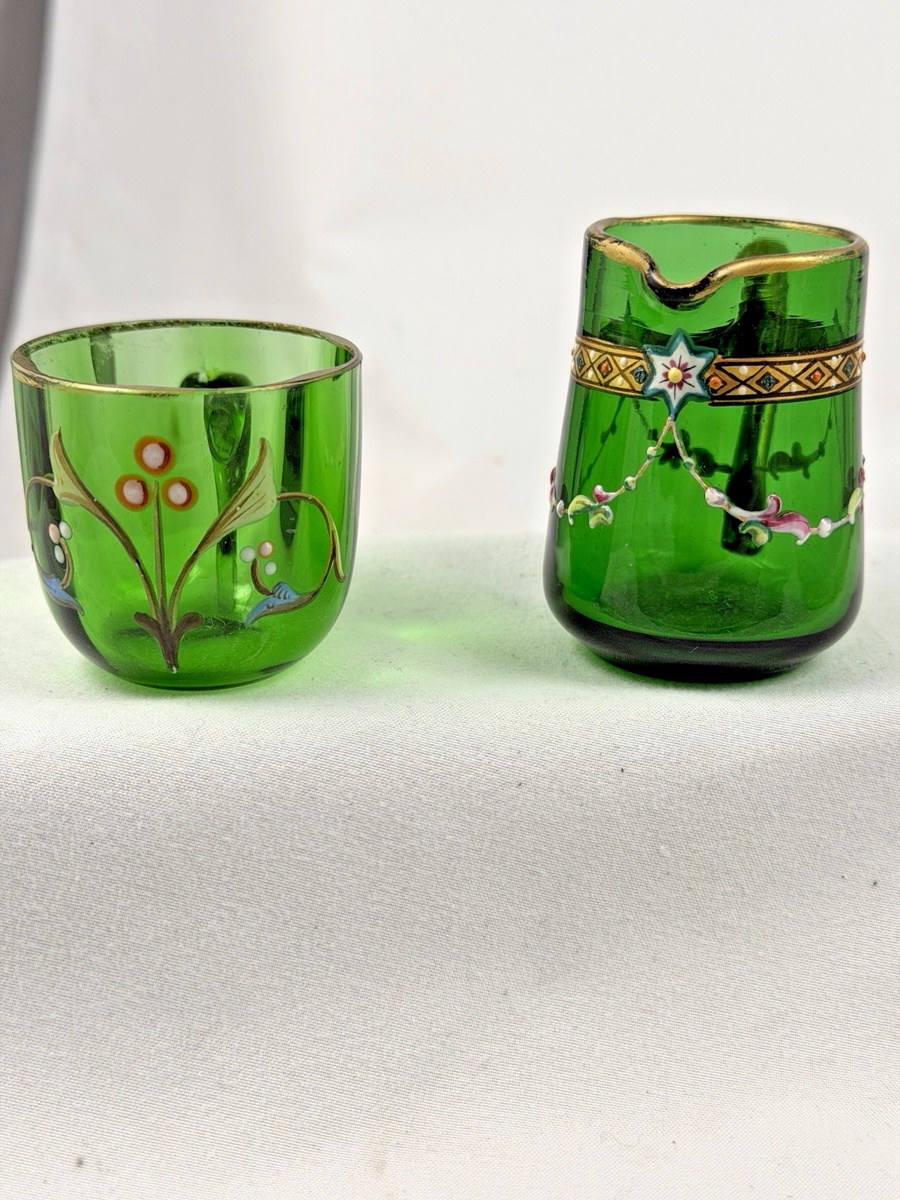 Moser Art Glass Mini's 1895 Enameled Mini Mug Handled & Creamer Pitcher$20.00View on eBay
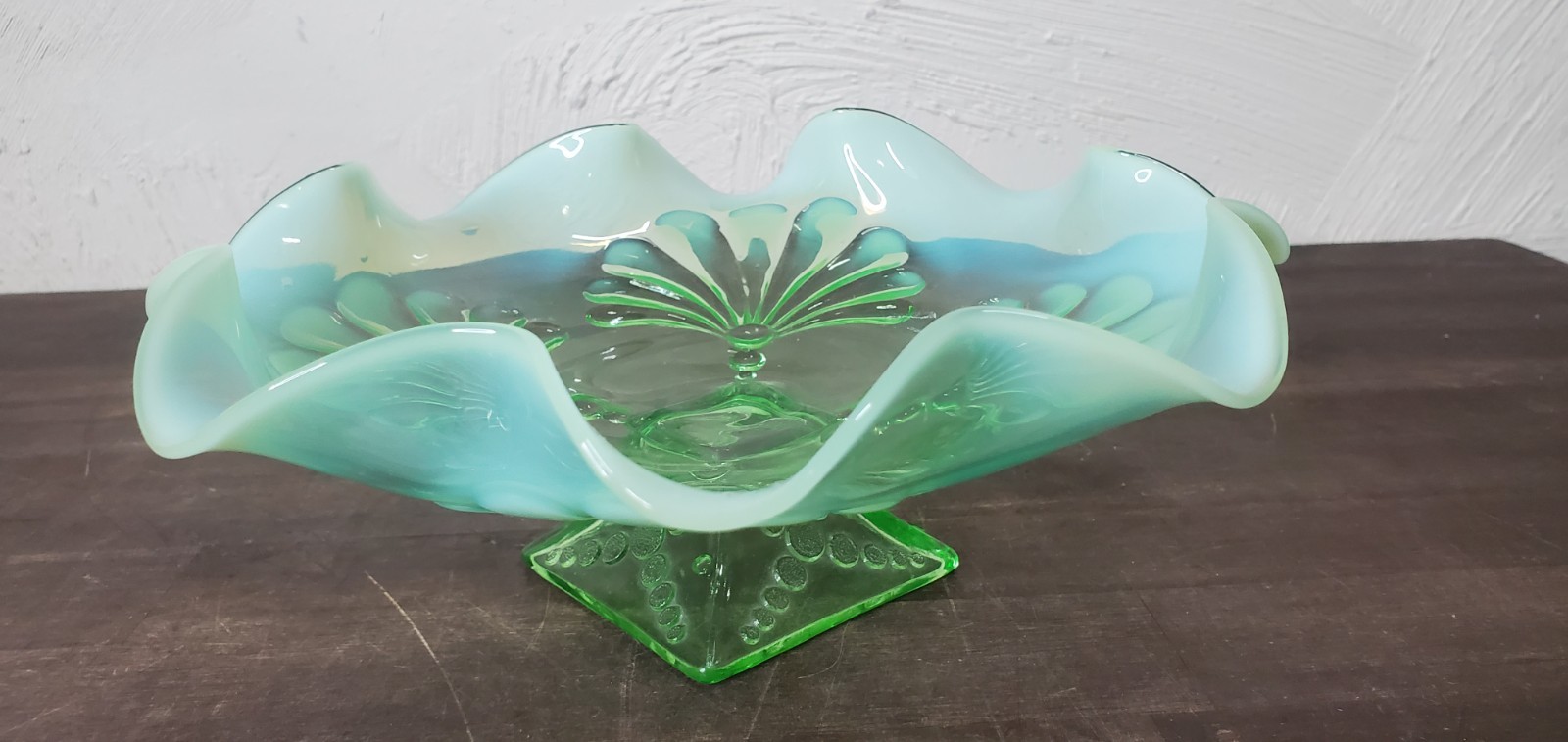 Beaded Fans Bowl Green Opalescent Glass EAPG Jefferson 211 Antique$24.99View on eBay
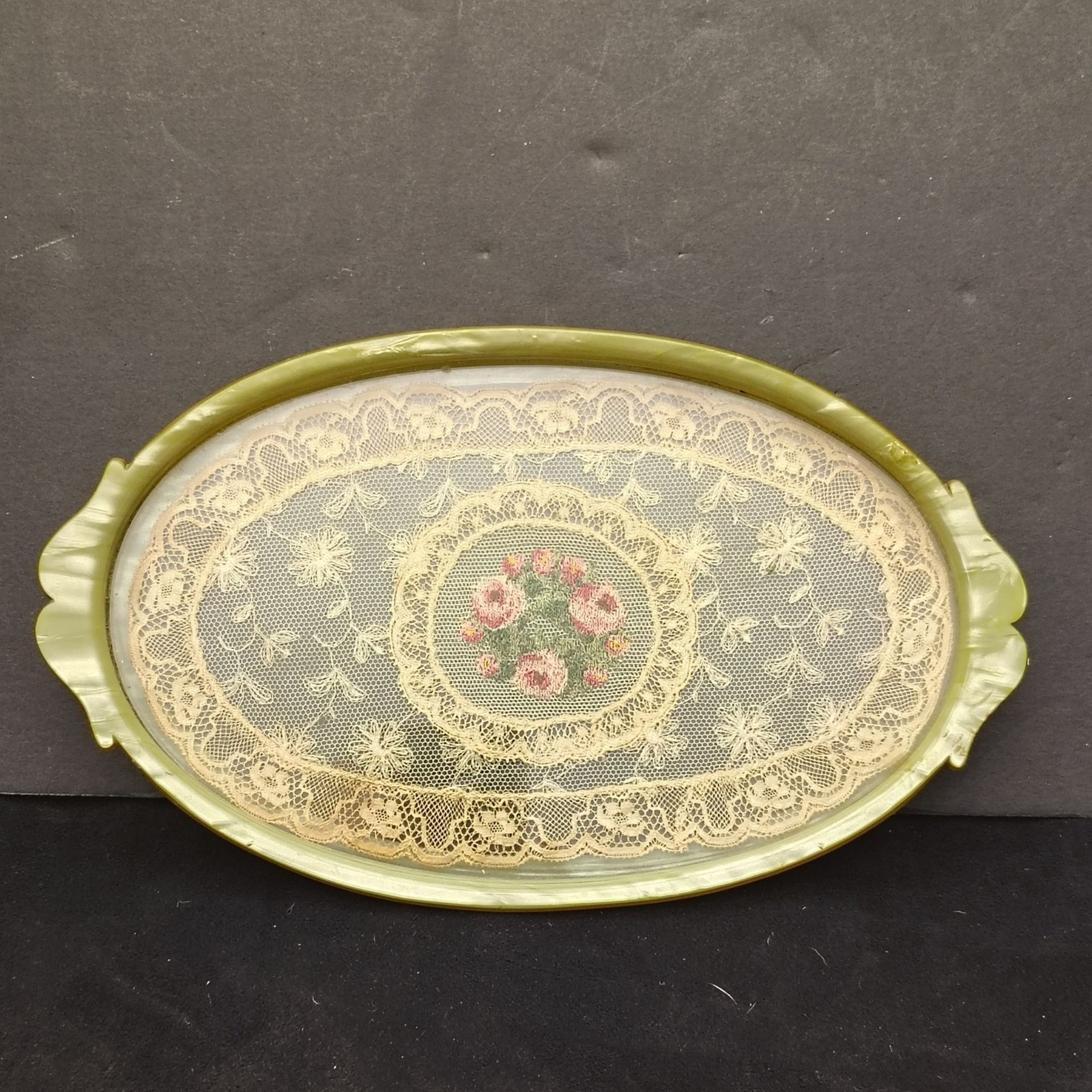 Antique 1920's Celluloid Vanity Tray Lace Roses Floral Glass Perfume 4.75"$26.00View on eBay
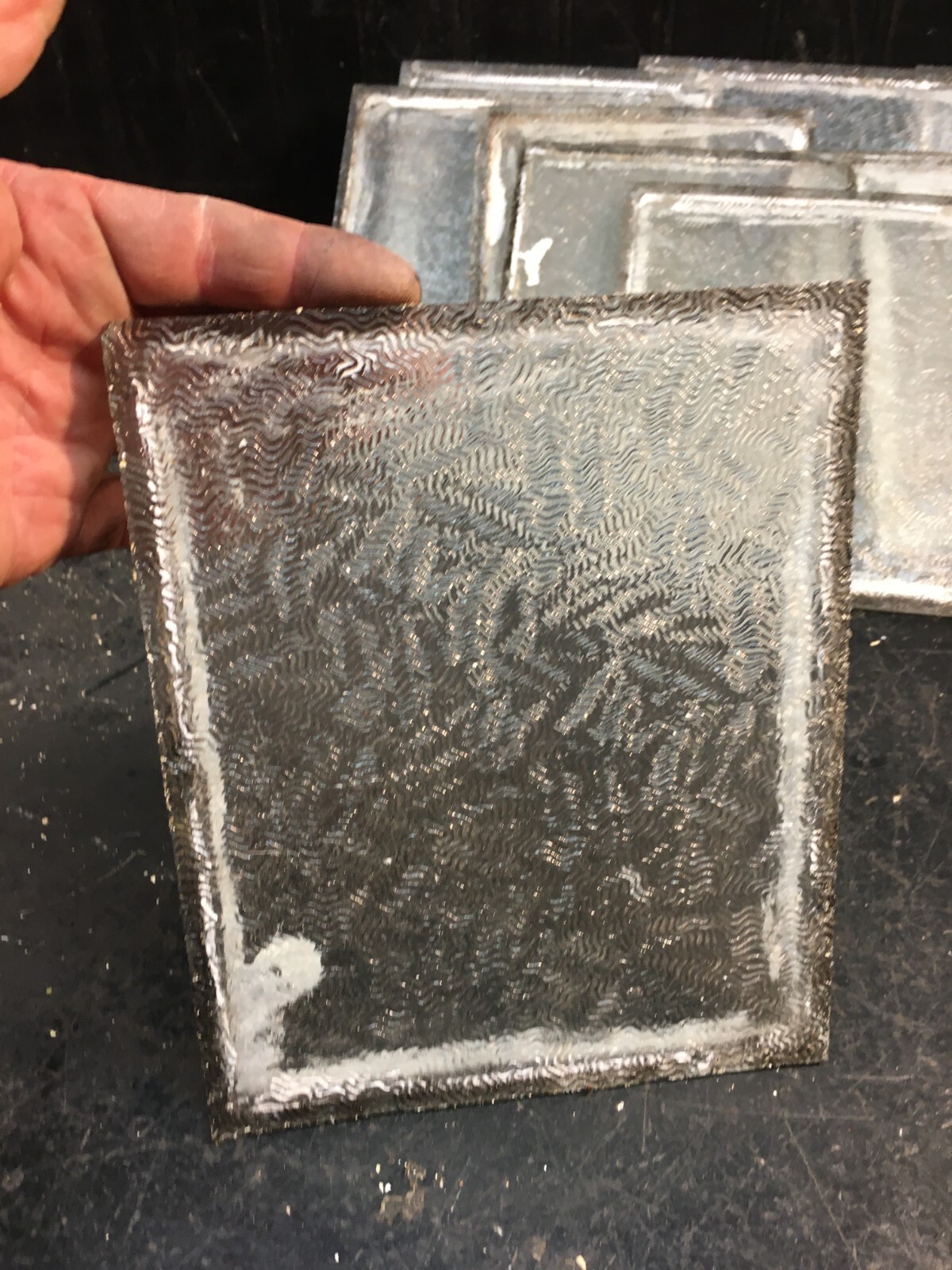 Architectural Salvage Antique Window pane Glass 8.5 In X6in Frosted Flowers$26.99View on eBay
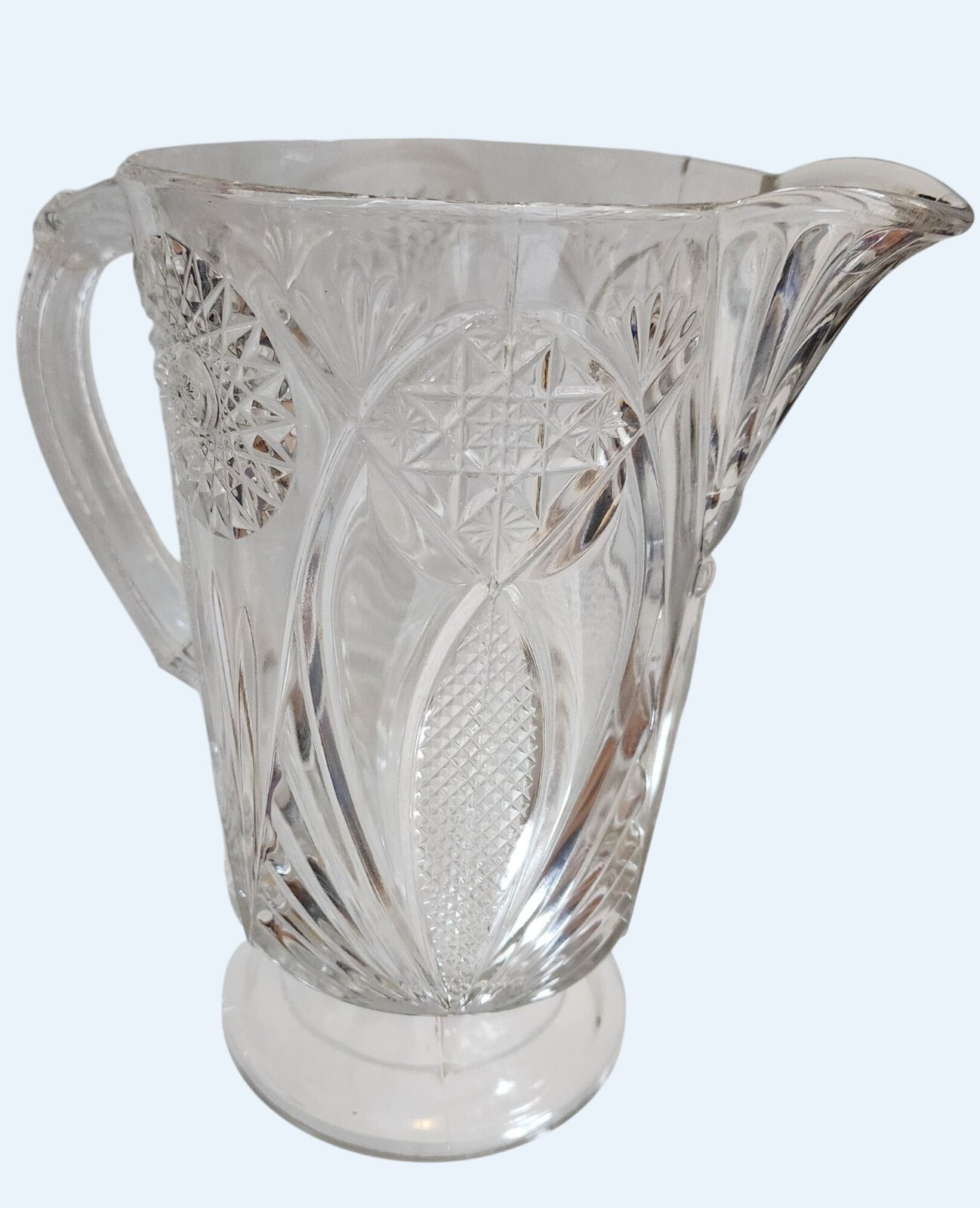 Antique EAPG McKee "Jubilee" Or "Isis" Pattern Glass Water Pitcher 8-1/4" High$28.00View on eBay
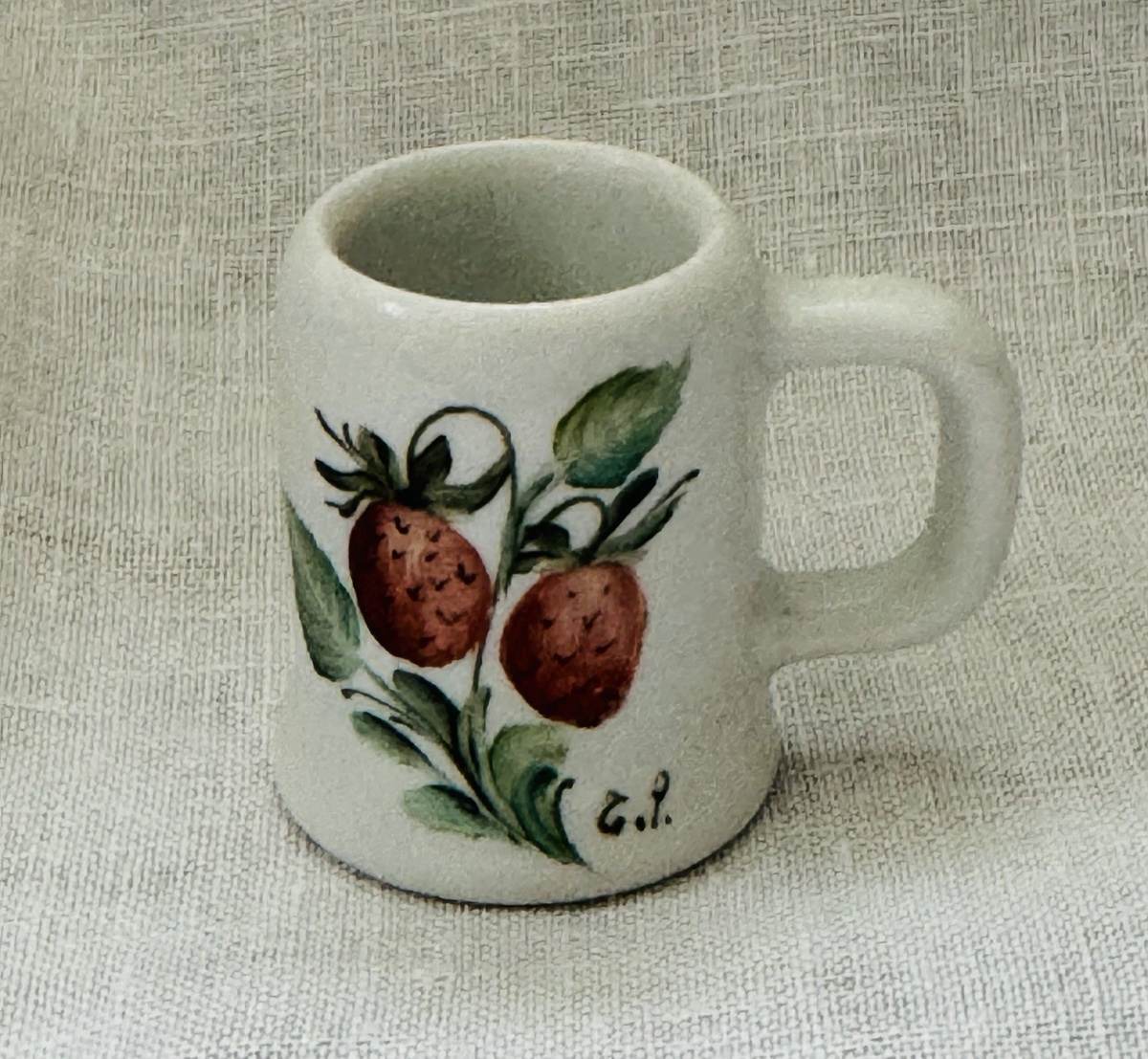 Vintage Souvenirs Properzi Castel Gandolfo Italian Art Glass Pottery Mini Mug$40.00View on eBay
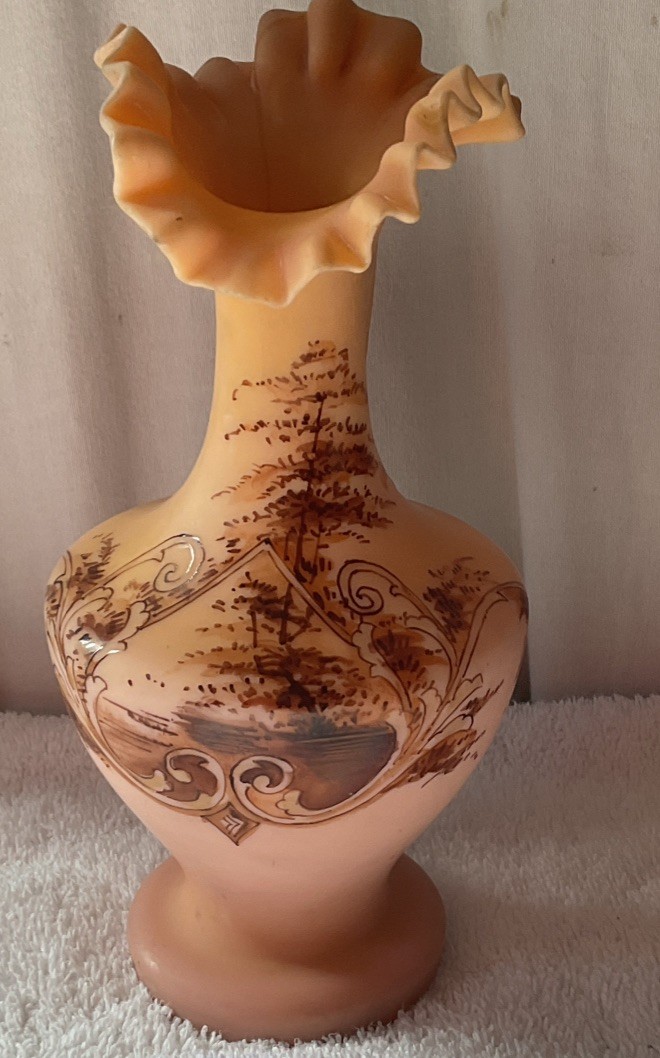 Antique Art Glass Enameled Ewer Peach And Brown 8” Hand Blown$48.00View on eBay
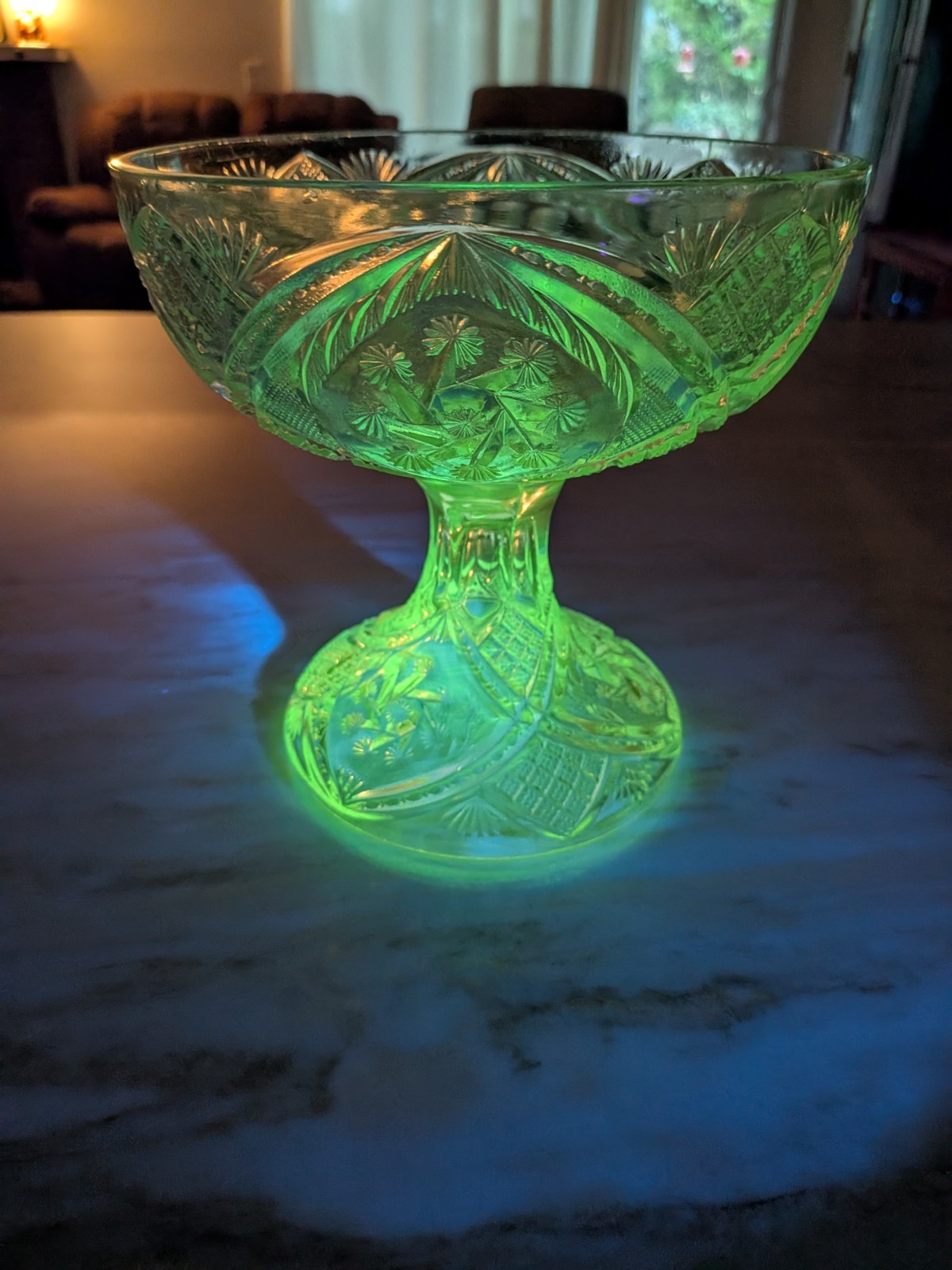 Antique Indiana Glass Juno Double Pinwheel UV Reactive EAPG Compote 7.5" Dia$49.00View on eBay
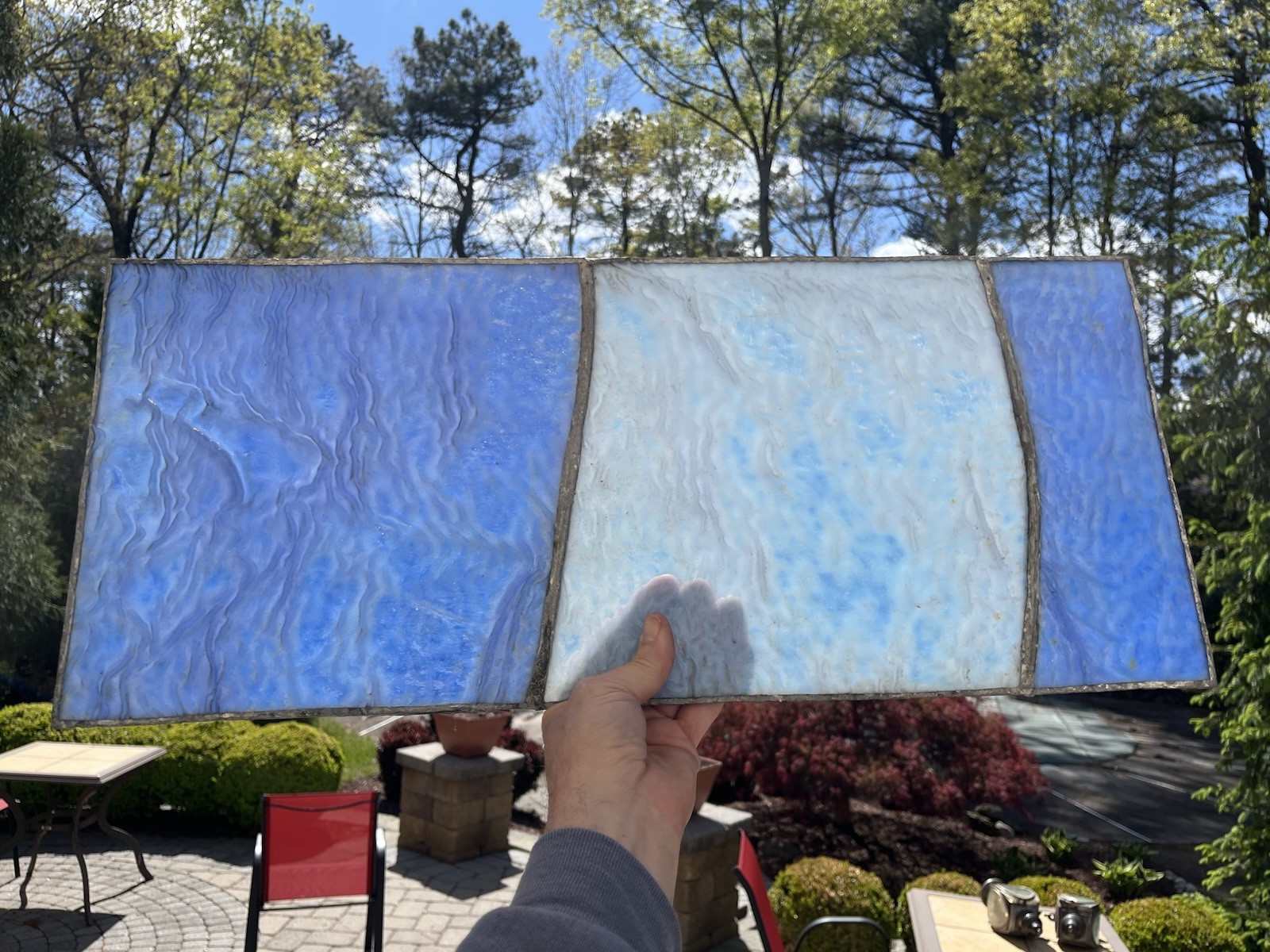 Antique Architectural Salvaged Stained Glass Blue Leaded Panel - 24" x 10"$49.99View on eBay
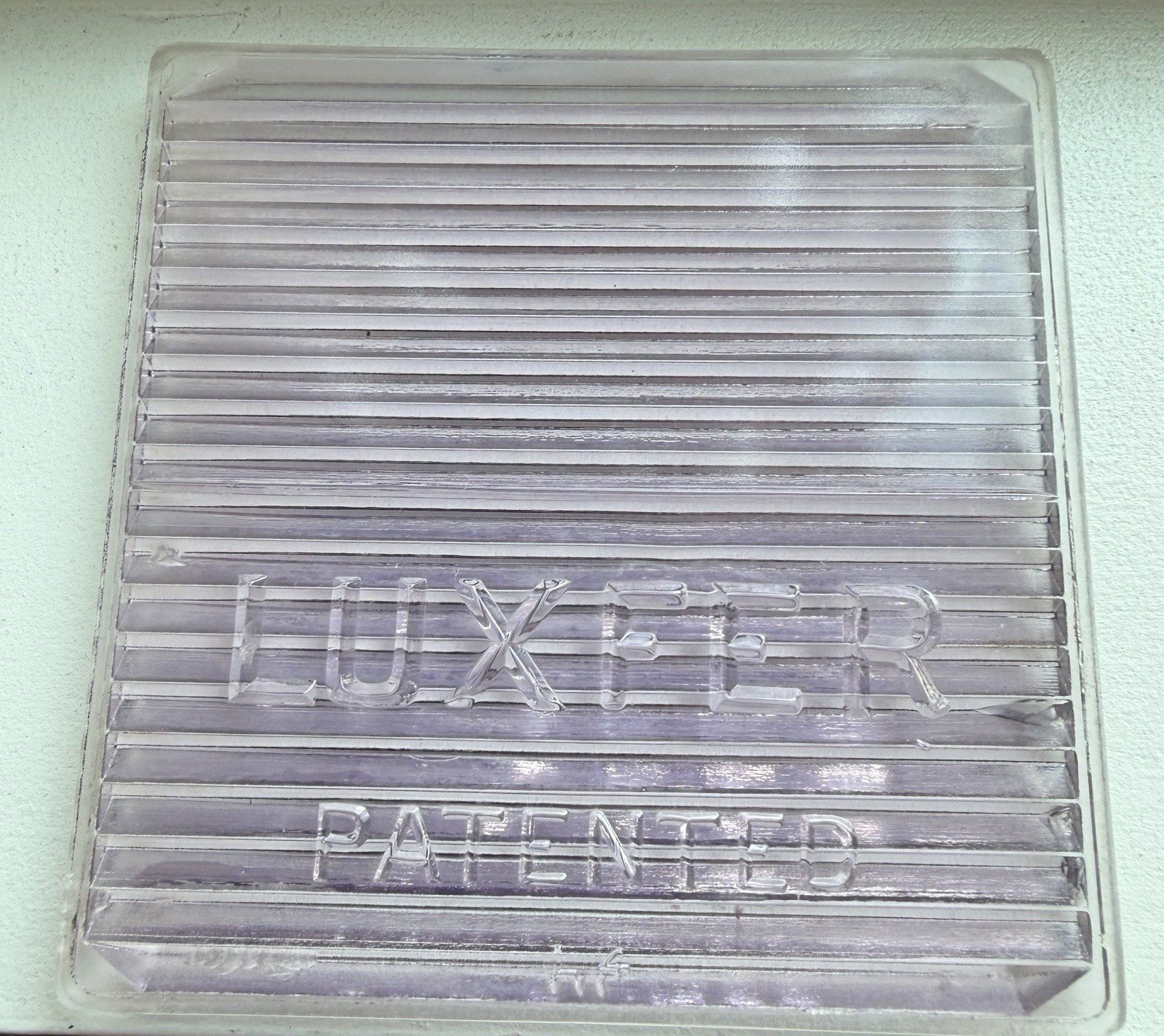 Antique SCA Luxfer Prism Maker’s Tile Architectural Glass 1910’s Vault Light$59.00View on eBay
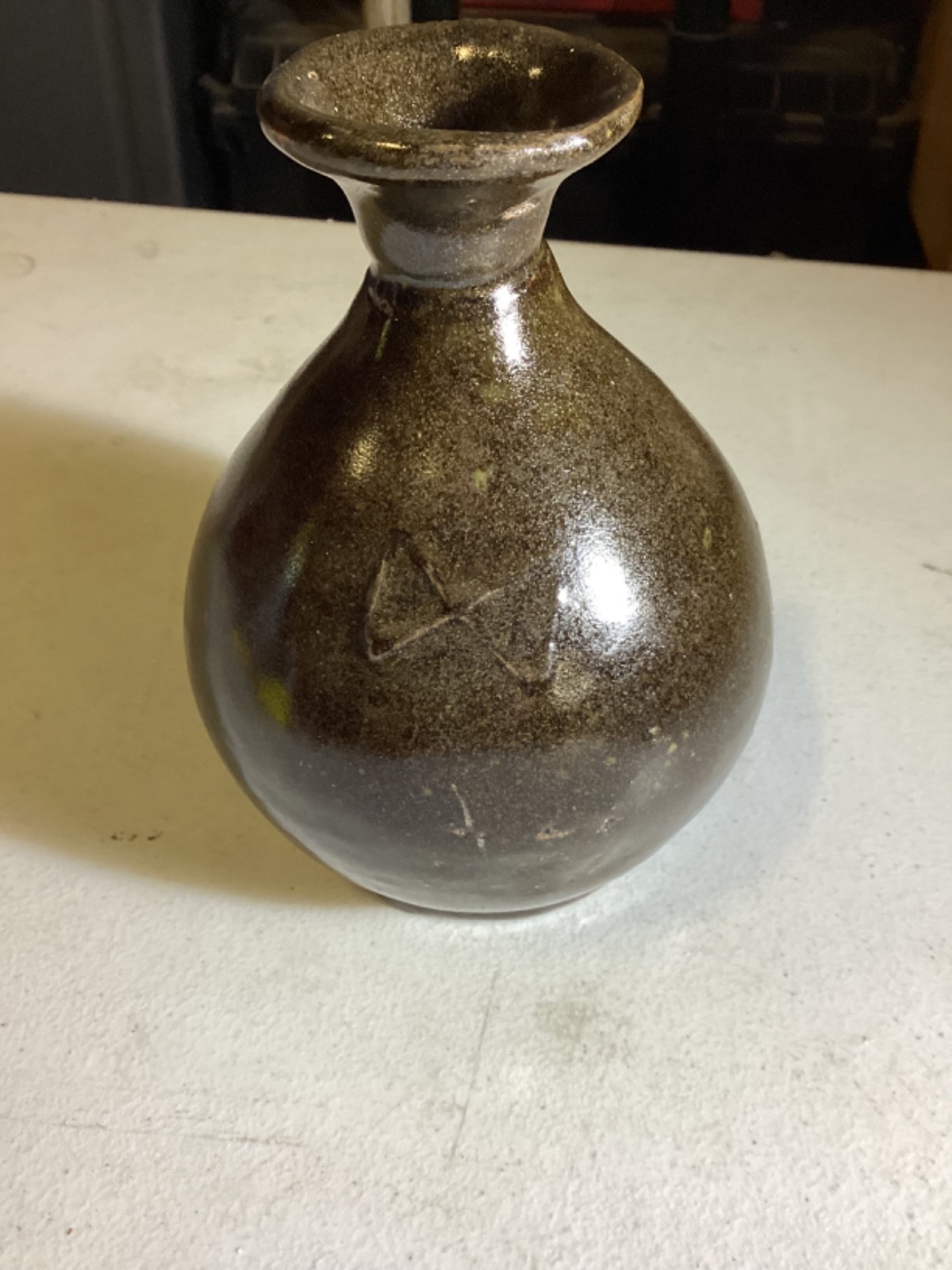 Antique Brown Glazed Bottle Vase Hour Glass Symbol on Side and Back 7”$75.00View on eBay
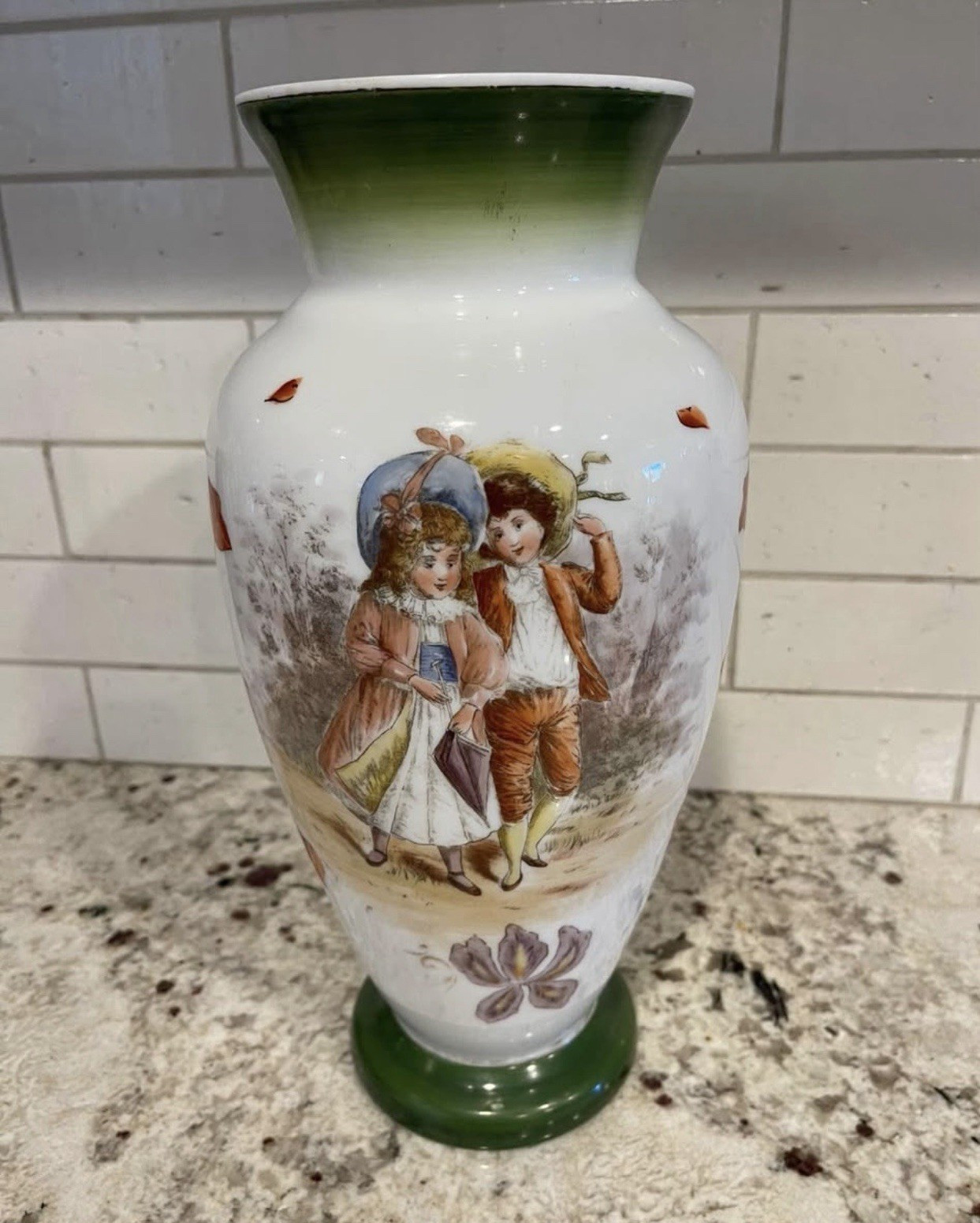 Antique Victorian milk glass baluster vase$79.95View on eBay
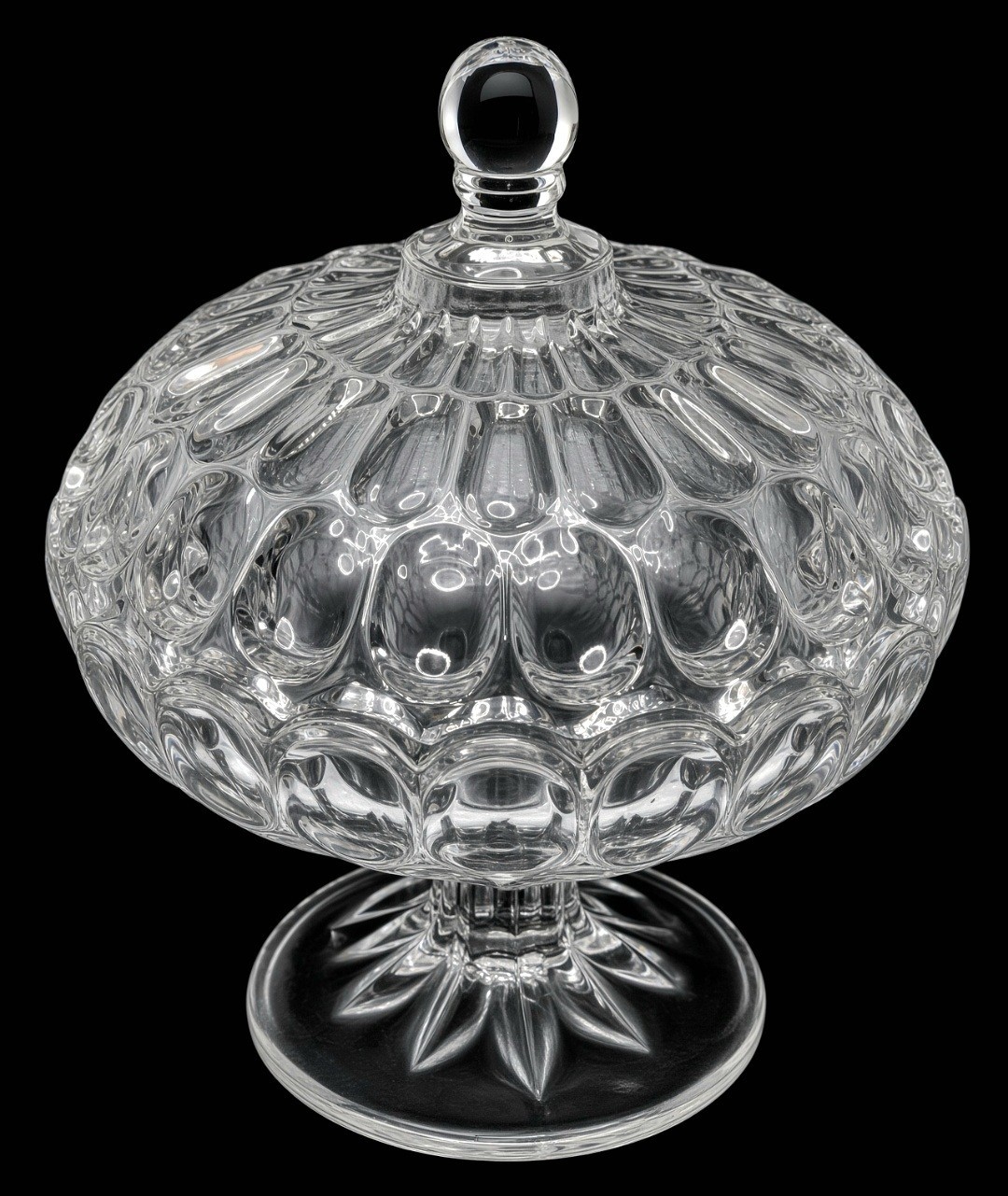 Antique Flint Glass EAPG Large Compote Thumbprint Pattern 19th C Victorian$84.99View on eBay
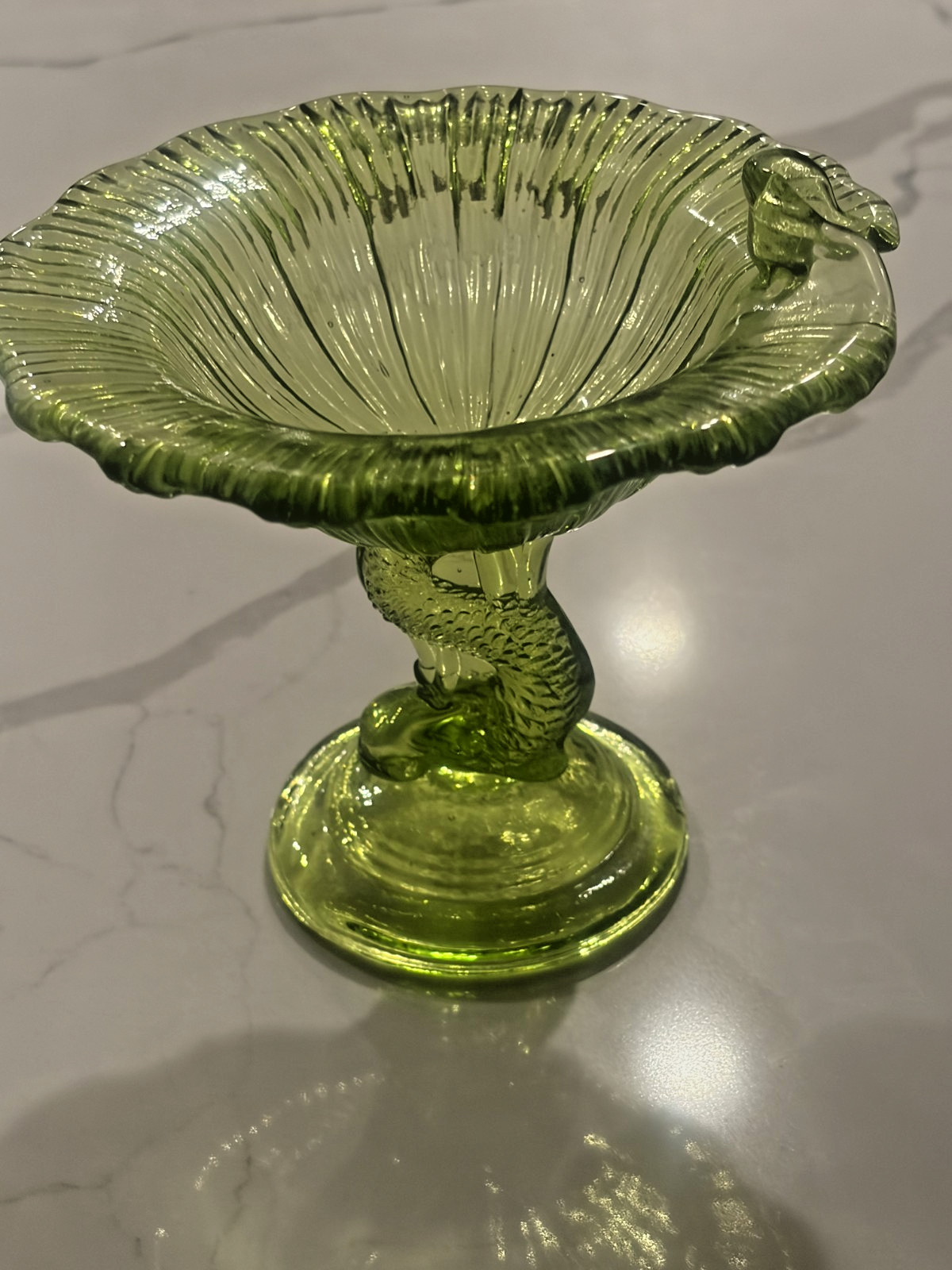 Antique LG Wright Green/Vaseline Glass Dragon Fish Pedest Compote$99.00View on eBay
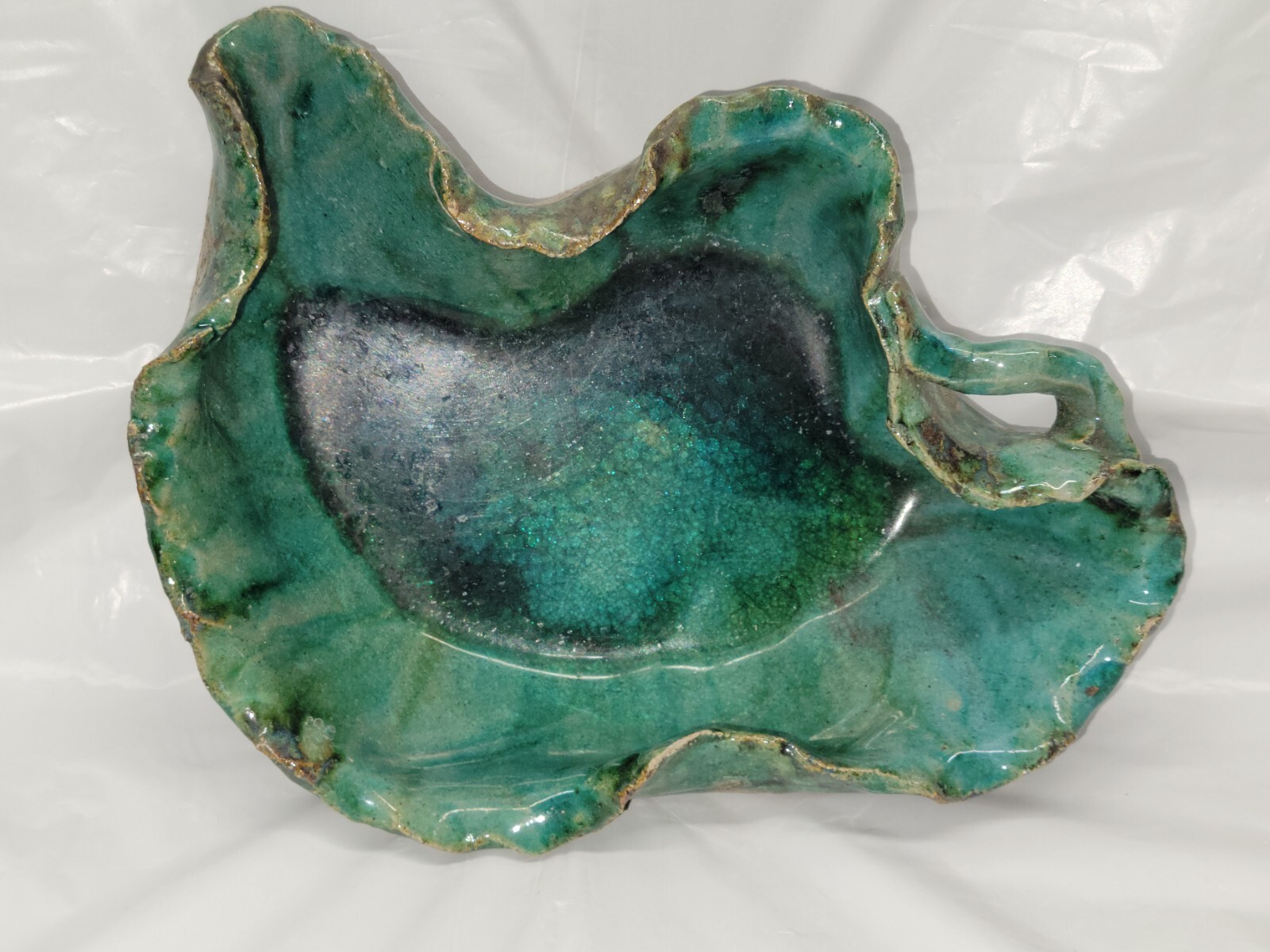 Antique Japanese Pottery Leaf Bowl Ikebana Centerpiece Clay And Glass #6002$112.37View on eBay
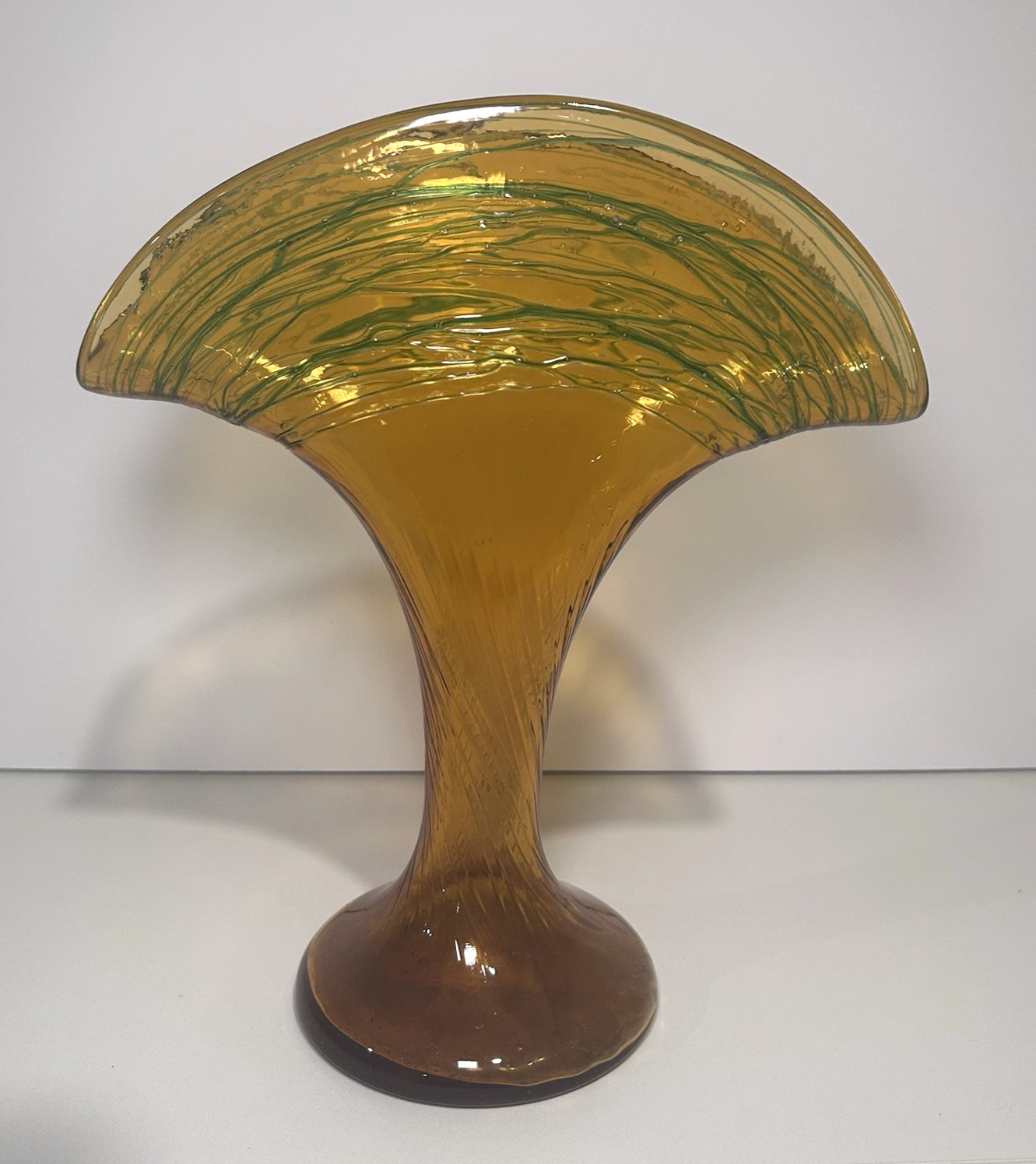 Art Deco Kralik Czech Bohemian Amber Glass Fan Vase With Combed Green Threading$119.99View on eBay
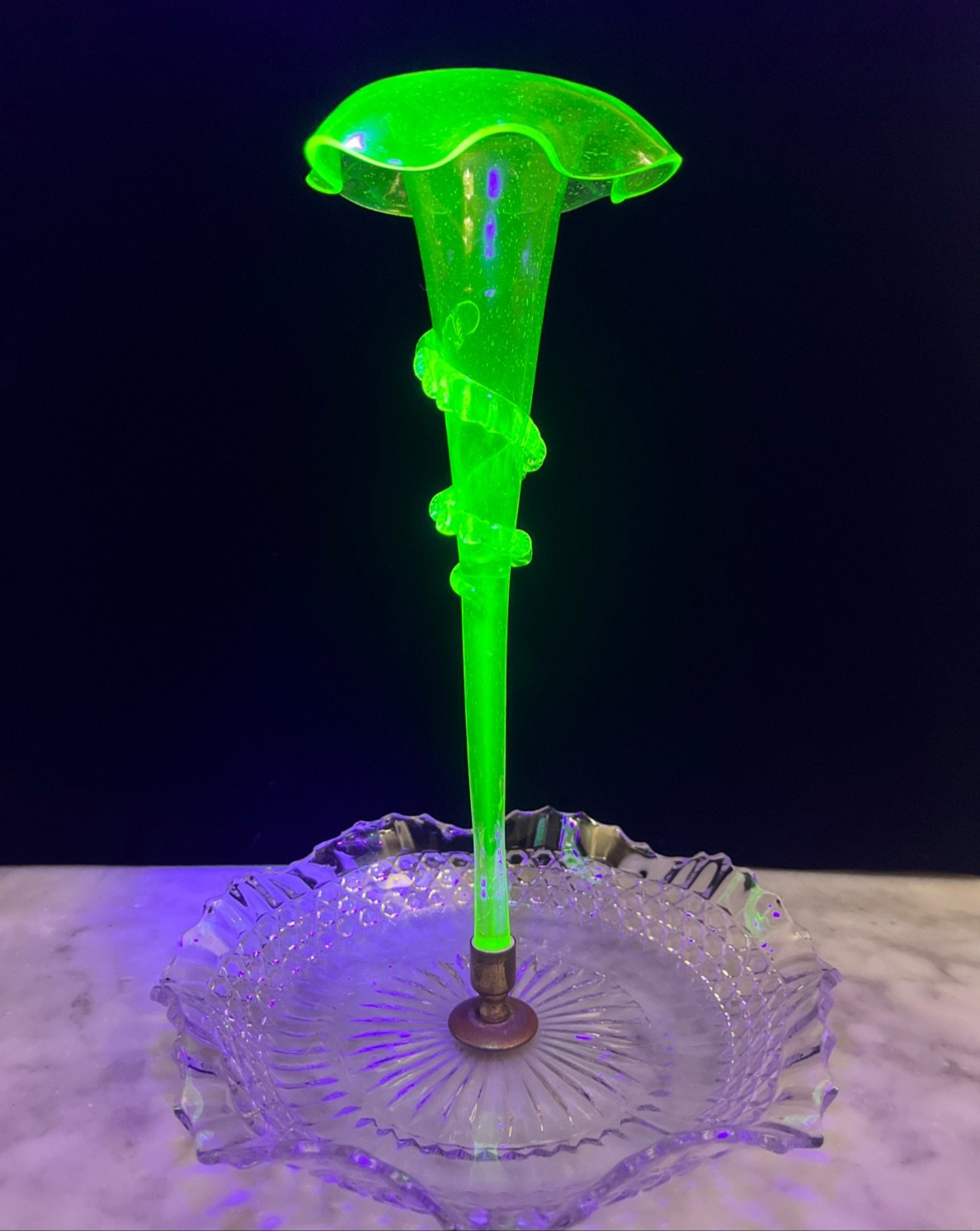 Antique Vaseline Uranium Trillium Glass Epergne Horn Vase ~ 11"$125.00View on eBay
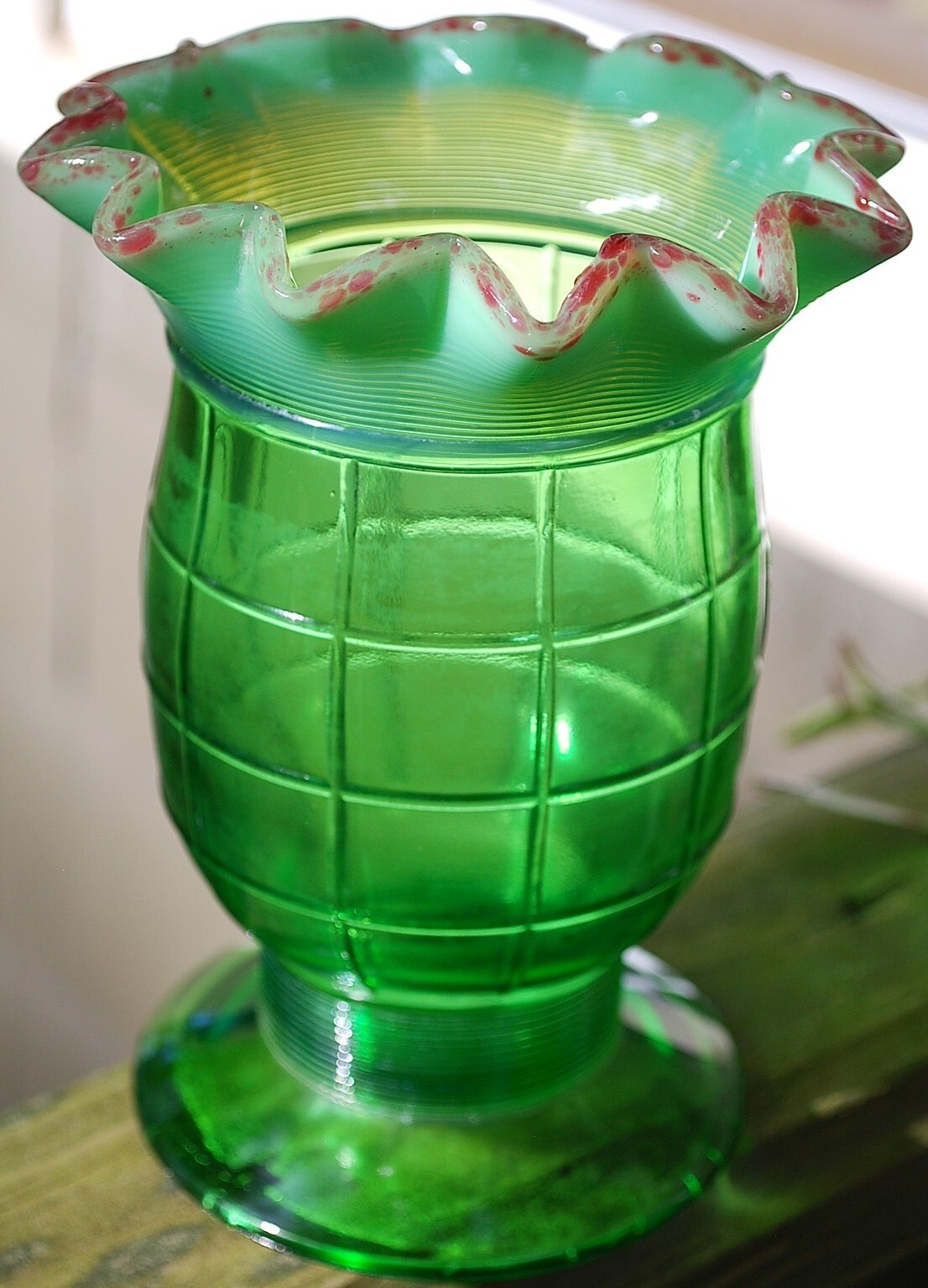 RARE Antique GREEN GLASS CELERY VASE Jefferson Northwood c1902 CRANBERRY FRIT 6"$134.99View on eBay
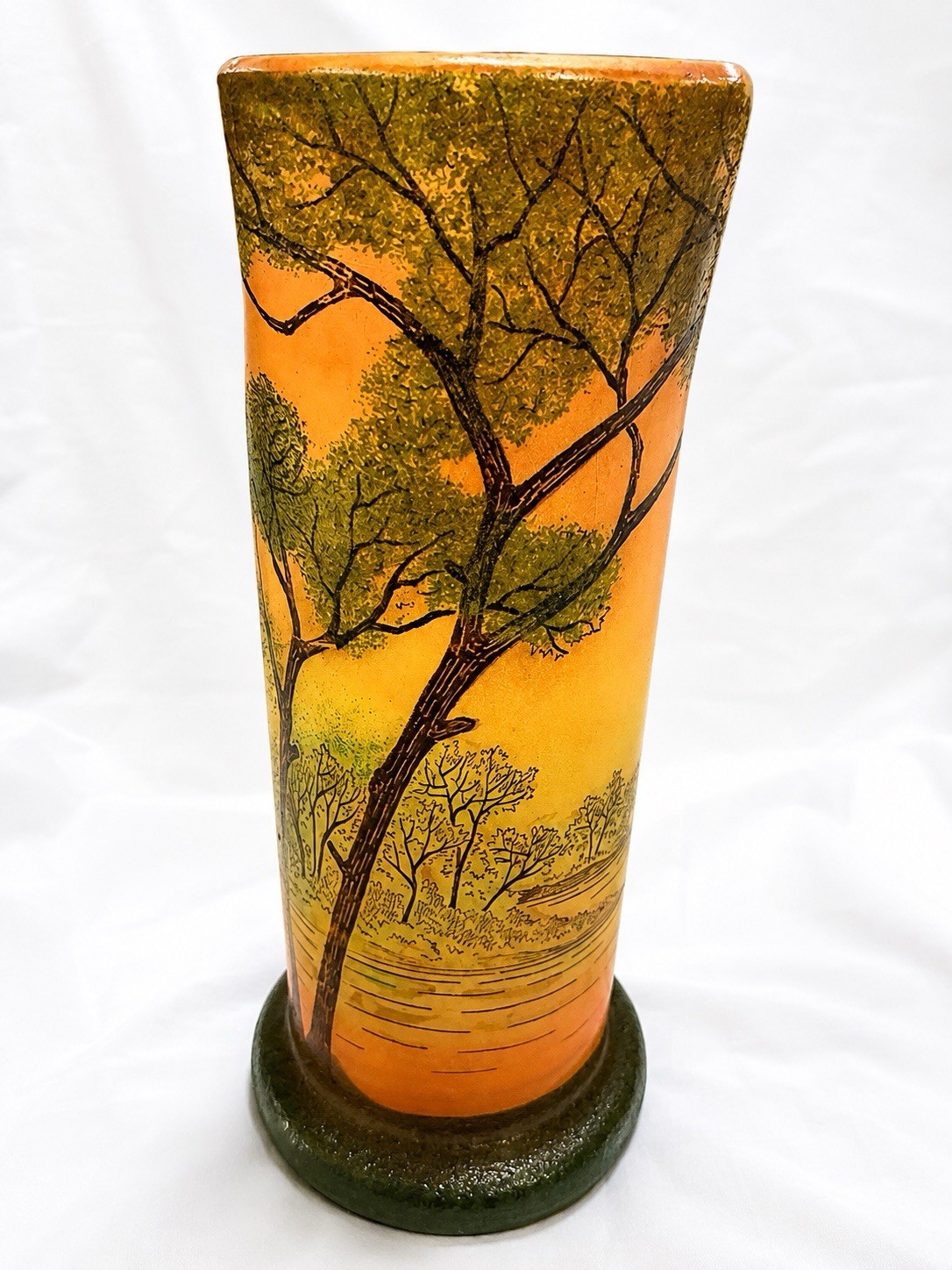 Antique French Art Glass Landscape Vase Orange Green Enameled Trees Legras Style$174.99View on eBay
Highlights
- EAPG pressed glass (1860s–1910s) is identified by pattern name and mold number—Jefferson 211 Beaded Fans, McKee Jubilee/Isis—not by generic 'antique glass' labels.
- Hand-blown art glass like Moser 1895 carries applied enamel and gilt that flakes at handle joints; inspect enamel continuity before valuing.
- Opalescent and UV-reactive EAPG (Juno Double Pinwheel) changes color under UV—a fast authenticity check for period glass versus modern reproductions.
- Architectural salvage stained glass is valued by lead came integrity and panel size—24" x 10" leaded panels need frame support, not hanging wire alone.
Best use cases
- Buy pressed EAPG compotes and water pitchers for everyday display and table use—they are thick-walled, mold-documented, and replaceable at moderate cost.
- Choose hand-blown enameled art glass (Moser-style ewers, mini mugs) only for cabinet display; skip for daily use because enamel and thin blown walls chip easily.
- Select opalescent EAPG bowls and compotes for UV-lit display cases where color shift proves period manufacture; avoid for food service due to early lead-fluxed glass.
- Pick leaded stained-glass salvage panels for architectural restoration only when the lead came is intact; skip heavily bowed panels that need full re-leading.
Buying tips
- Confirm the EAPG pattern name and manufacturer before buying—Jubilee/Isis (McKee), Beaded Fans (Jefferson 211), and Classic Medallion Cameo have documented mold lines and reproduction warnings.
- Measure rim diameter and height against known mold specs (e.g., 6-1/2" x 3-3/4" compote) to catch reproductions that scale patterns incorrectly.
- For hand-blown art glass, require visible pontil mark or signature—Moser pieces are often signed; unsigned enameled minis are attribution-risky.
- Check leaded stained-glass panels for cracked solder joints and sagging came; 24" x 10" panels need a rigid frame, not chain suspension.
Specs
| Glass Type | Pressed EAPG / Hand-blown art / Opalescent |
|---|---|
| Era Range | 1860s–1930s Victorian–Depression |
| Pattern ID | Named mold + manufacturer number |
| Art Glass Mark | Pontil mark / enamel signature |
Related searches
What to check before buying
- Measure your display shelf depth and height against compote and pitcher dimensions—an 8-1/4" pitcher needs 10" clearance for pouring.
- Confirm display lighting: UV-reactive EAPG shows color shift only under blacklight; plan a UV source to verify Juno and opalescent pieces.
- For stained-glass salvage, measure the window opening and confirm frame mounting; 24" x 10" panels exceed typical hanging hardware ratings.
- Verify food-use intent: period EAPG may contain lead in the glass batch—reserve for display or use a liner for serving.
FAQ
Data sources: eBay / Amazon listings and product attribute feeds. Updated Nov 23, 2026.
Some links on this page are affiliate links. If you buy after clicking one, we may earn a commission at no extra cost to you. This does not change which products appear here or their order. Affiliate disclosure.