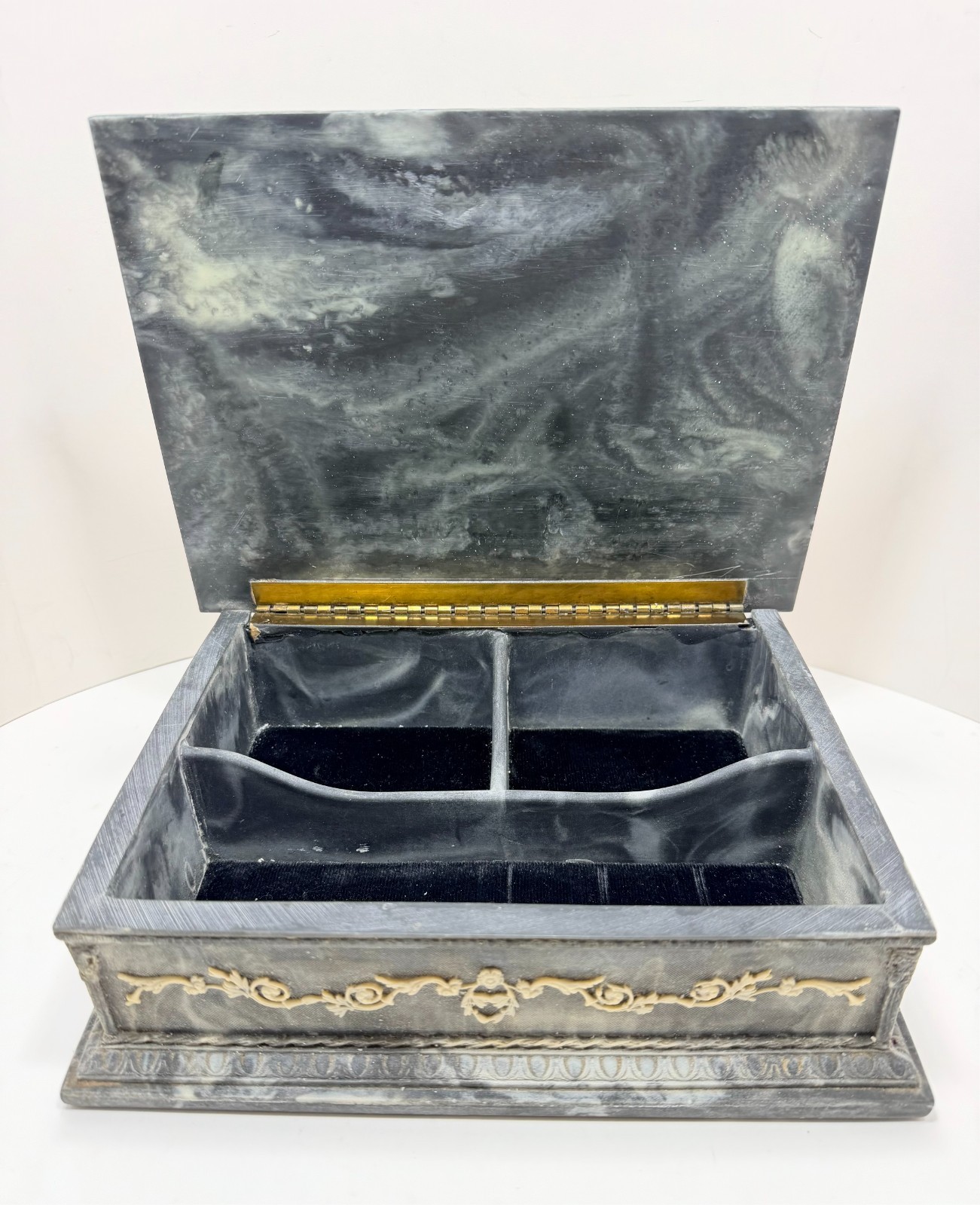

Photos from current listings. Actual item, color, and included accessories may vary.
Vintage Jewelry Buying Guide
Vintage jewelry spans fine pieces (precious metals and gemstones) and costume jewelry (base metal, glass, plastic), with the core trade-off being material authenticity and condition versus decorative appeal. Durable value lies in solid karat gold, sterling silver, and signed designer costume pieces; compromises are plated-base-metal and unsigned mass-market items. The decision rule: buy for hallmarks, signed marks, and structural integrity (clasps, prongs, unbroken stones) over surface shine.
At a glance
- Category
- Antiques, Pottery & Glass
- Last updated
- Nov 23, 2026
Current offers
Highlights
- Fine vintage jewelry uses solid 10k–22k gold, platinum, or sterling silver (925 stamp), while costume pieces rely on gold-tone plating over brass or pot metal that wears through at high-friction points.
- Signed costume jewelry (Coro, Trifari, Monet, Napier, Weiss) commands higher resale than unsigned pieces because construction quality and collectibility are documented and verifiable.
- Rhinestones and paste stones are glass or crystal with foil backing; foil degradation and glue failure are the top condition failures, so inspect stone security and backing discoloration.
- Incolay stone (as in the sample trinket box) is a layered hand-carved gypsum-based material from the mid-20th century; it is decorative, not a gemstone or precious metal, and chips at edges.
Best use cases
- For wearable daily vintage: choose solid 14k gold or sterling silver with secure clasps and intact prongs; skip plated costume pieces for frequent wear.
- For collectible costume: buy signed Trifari, Coro, Weiss, or Monet with original stones and working mechanisms; skip unsigned sets with missing or dulled rhinestones.
- For decorative display (trinket boxes, compacts, vanity items): pick Incolay stone, enamel, or guilloche pieces with intact hinges and no chips; skip items with rusted hinges or cracked lids.
- For resale or investment: focus on hallmarked fine jewelry and documented signed costume; avoid mixed unsorted lots where condition cannot be verified piece-by-piece.
Buying tips
- Check for hallmarks: 925, 800, 10k/14k/18k, or maker's marks. Unmarked 'gold-tone' items are plated base metal and will not hold value.
- Test clasps and hinges before buying: lobster claws, box clasps, and screw-backs should snap securely; loose or bent fittings signal wear and costly repair.
- Inspect stone settings: prongs should be tight and level; glue-set rhinestones should be centered with no yellowed adhesive or foil lift.
- For sizing: vintage rings often run smaller than modern; measure inner diameter in millimeters and compare to a known ring, not the stamped size.
Specs
| Metal Type | Solid gold/silver vs plated base metal |
|---|---|
| Hallmark Standard | 925, 800, 10k-18k, platinum |
| Stone Setting | Prong/bezel vs glue-set rhinestone |
| Era / Signed | Signed designer vs unsigned mass-market |
Related searches
What to check before buying
- Confirm metal content via visible hallmarks or stamp (925, 14k, etc.) and ask for close-up photos of marks before committing.
- Check weight and dimensions for rings and bracelets: ring inner diameter in mm, bracelet length in inches, and necklace chain length including clasp.
- Verify stone security and foil condition with clear photos under natural light; request images of the back of settings and any signature marks.
- For trinket boxes and compacts: confirm hinge operation, lid alignment, and interior lining condition; Incolay and enamel pieces chip at rims.
FAQ
Data sources: eBay / Amazon listings and product attribute feeds. Updated Nov 23, 2026.
Some links on this page are affiliate links. If you buy after clicking one, we may earn a commission at no extra cost to you. This does not change which products appear here or their order. Affiliate disclosure.