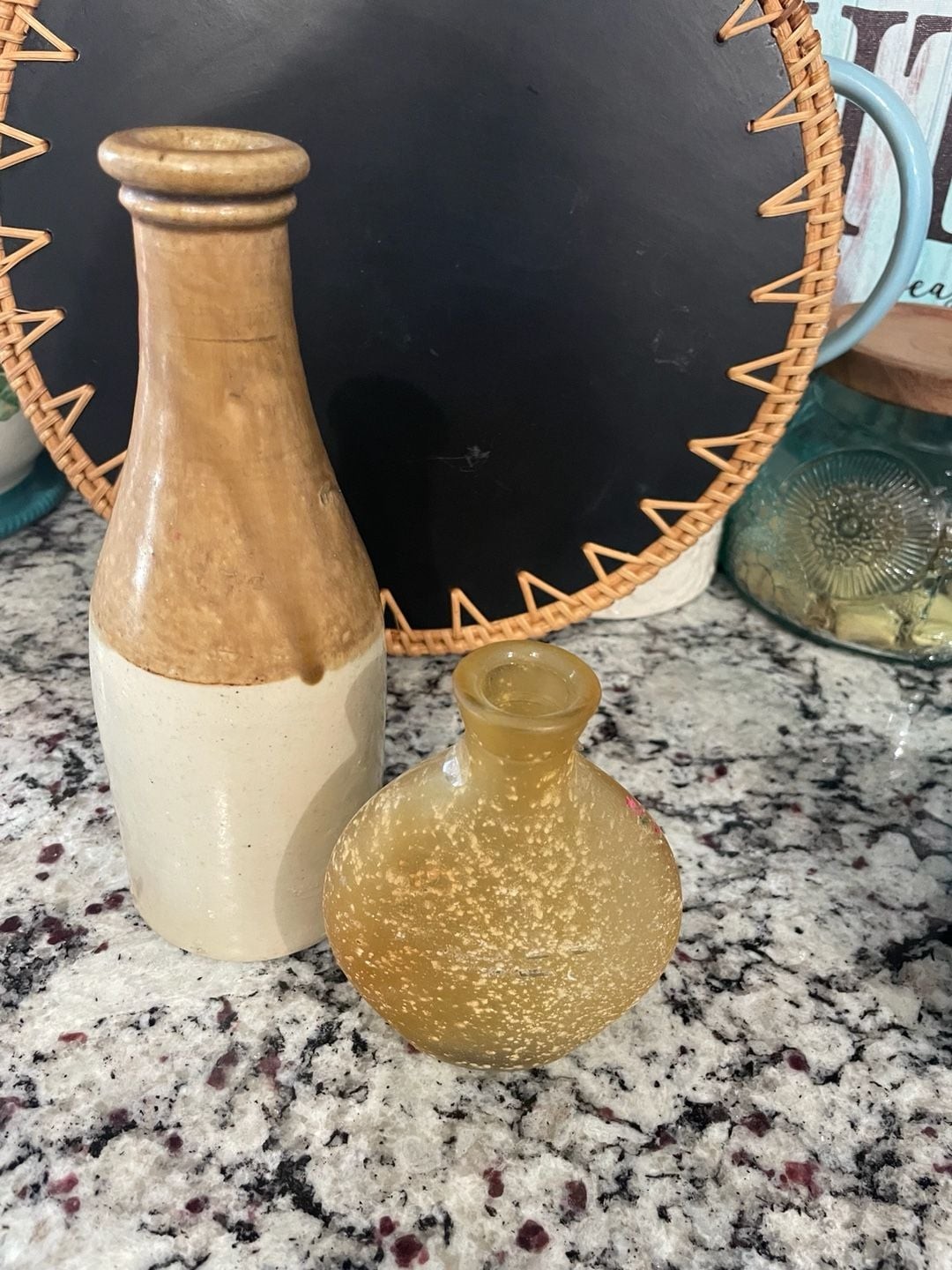

Photos from current listings. Actual item, color, and included accessories may vary.
Vintage Glass Vase Buying Guide
Vintage glass vases span hand-blown art glass, pressed Depression-era patterns, and mid-century studio pieces; the core trade-off is decorative look versus structural soundness, since internal flaws, UV damage, and rim chips are common and irreversible. The decisive rule: buy for stable form and intact rims, not for label hype, and always confirm interior condition and base wear before committing.
At a glance
- Category
- Antiques, Pottery & Glass
- Last updated
- Nov 23, 2026
Current offers
Highlights
- Hand-blown art glass (Murano, studio) shows pontil marks and slight asymmetry; pressed glass (Depression, Indiana) has crisp seams and uniform thickness, signaling mass production.
- Uranium and Vaseline glass fluoresce bright green under 365nm UV; this identifies composition and can indicate lead content, but does not guarantee structural integrity.
- Cased glass (layered colored over clear) resists surface scratches better than single-layer stained glass, which often flakes at the rim after decades of cleaning.
- Rim thickness under 2 mm and internal bubbles near the lip are the most common failure points; thick bases and polished pontils distribute stress more reliably.
Best use cases
- Best fit: a sealed, watertight pressed-glass or thick-walled studio vase for fresh-cut flowers; skip thin-stemmed art glass for daily water use.
- Best fit: a cased or opaline vase for a sunny windowsill display; skip uranium glass and hand-painted enamel in direct sun to prevent fading and thermal stress.
- Best fit: a matched pair or graduated set for symmetrical mantel styling; skip single rare signed pieces if you need identical repetition or high-traffic placement.
Buying tips
- Measure the mouth opening: stems need at least 1.5 times the stem diameter clearance; narrow-neck bud vases under 1 inch suit single stems only.
- Test watertightness before use: fill with tepid water and rest on dry paper for 10 minutes; any dark ring means a hairline crack, not a manufacturing defect.
- For UV-reactive glass, use a 365nm blacklight to confirm even fluorescence; patchy glow often indicates repairs or composite assembly.
- Prefer bases with felt or cork pads already applied; bare glass on stone or wood scratches and chips under the weight of water and stems.
Specs
| Production Method | Hand-blown vs pressed/molded |
|---|---|
| Glass Type | Cased, opaline, uranium, stained |
| Rim & Base Condition | Intact, polished, no chips/cracks |
| Watertightness | Sealed interior vs porous/decorative |
Related searches
What to check before buying
- Measure shelf depth and vase height including flowers: a 12-inch vase needs 18 inches of clearance above the shelf for a standard bouquet.
- Confirm rim integrity: run a fingertip slowly around the lip; any sharp nick or roughness will snag stems and cut fingers.
- Check base flatness on a level counter: a rocking vase indicates a warped or ground-down base, which destabilizes tall arrangements.
- Match water capacity to stem count: a quart of water supports roughly 10-12 medium stems without daily refills; smaller vases need more frequent changes.
FAQ
Data sources: eBay / Amazon listings and product attribute feeds. Updated Nov 23, 2026.
Some links on this page are affiliate links. If you buy after clicking one, we may earn a commission at no extra cost to you. This does not change which products appear here or their order. Affiliate disclosure.