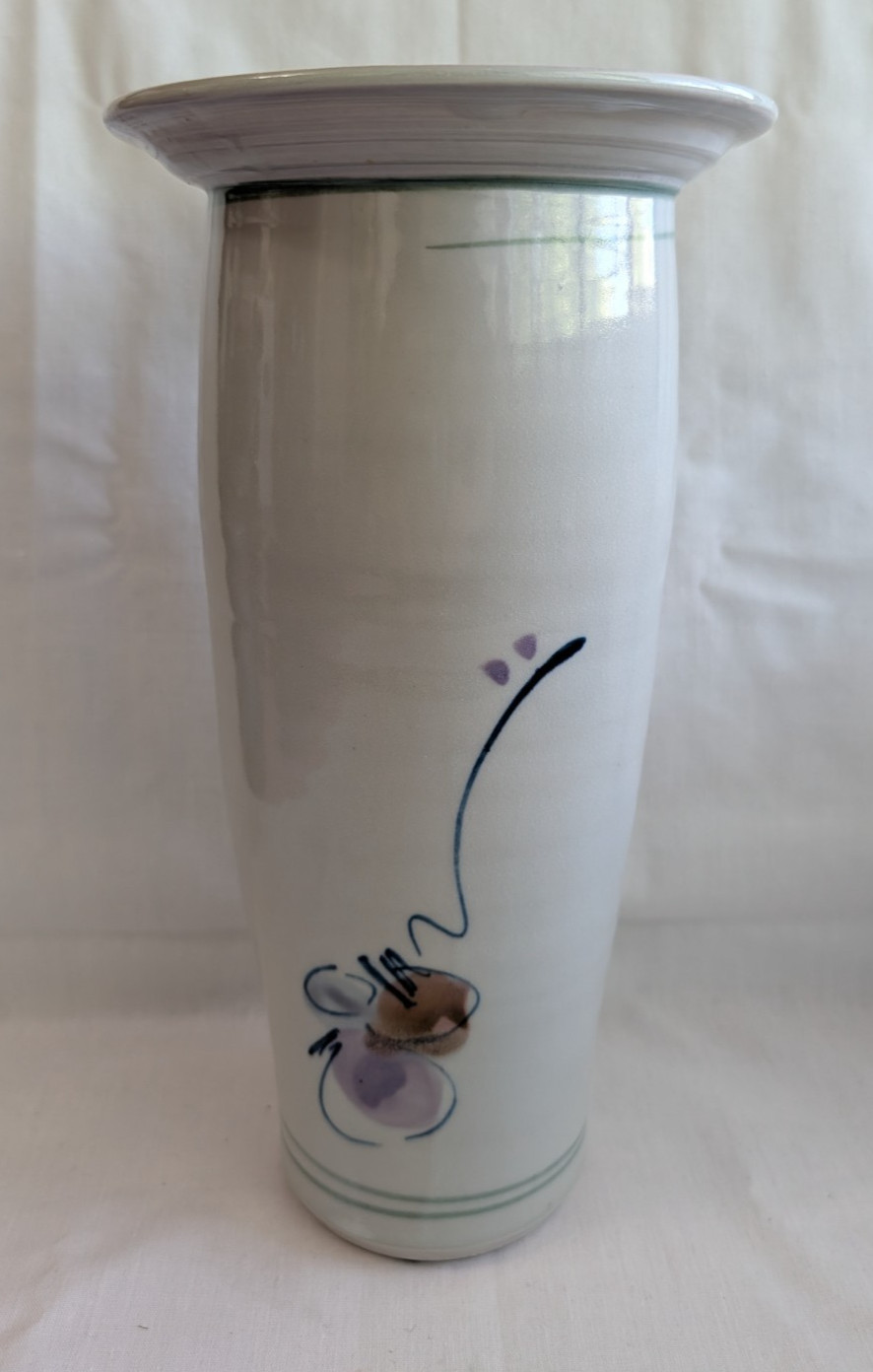

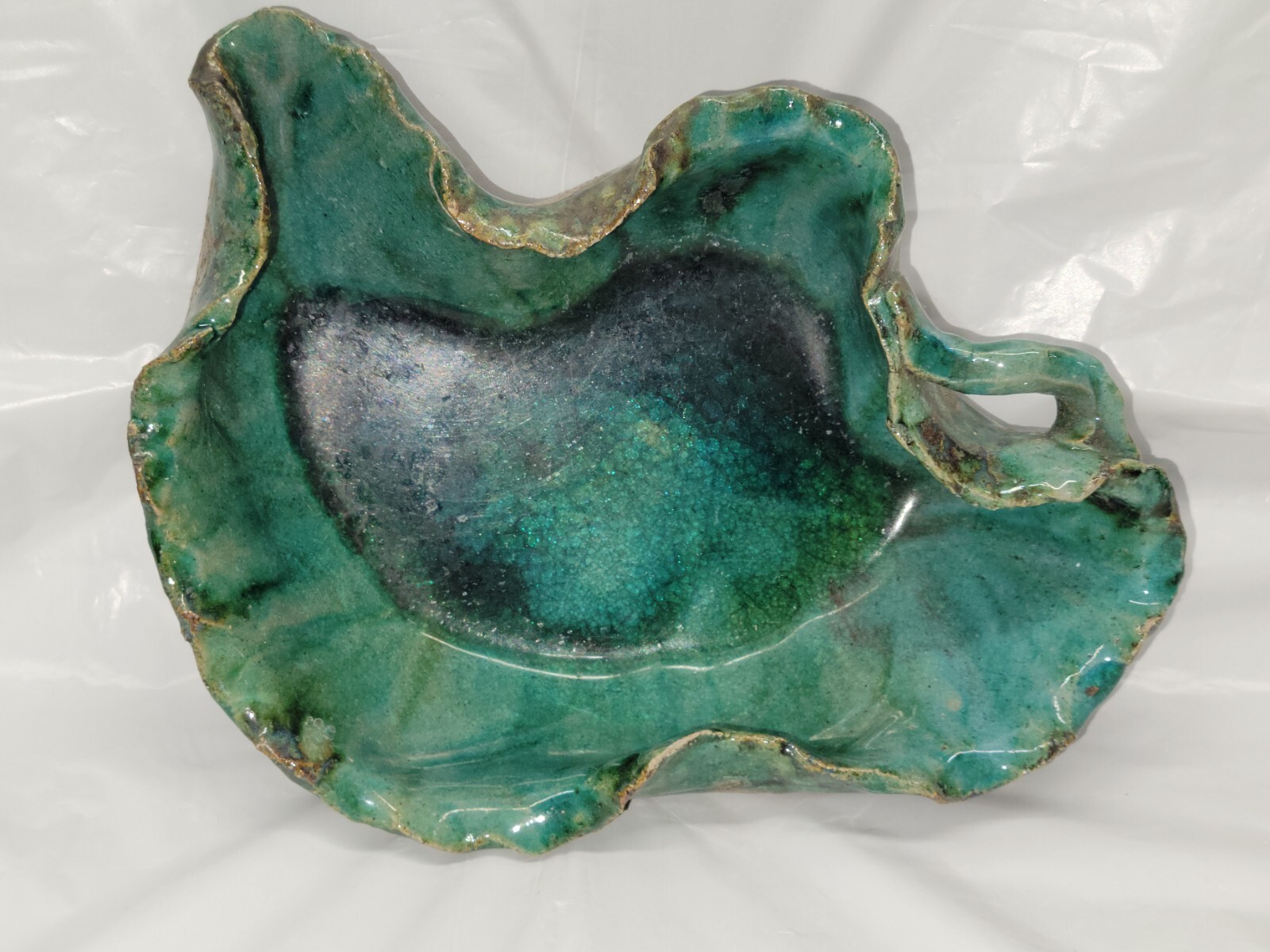
Photos from current listings. Actual item, color, and included accessories may vary.
Pottery Clay Buying Guide
Pottery clay is a plastic, formable earth material sold in moist bags, dry powder, or pre-mixed blocks, distinguished primarily by firing temperature (low-fire earthenware vs high-fire stoneware/porcelain) and grog/sand content for workability. The core trade-off is plasticity versus thermal maturity: low-fire clays are easy to hand-build and glaze but remain porous, while high-fire clays vitrify into durable, food-safe stoneware only if your kiln reaches cone 6–10. Choose low-fire earthenware for beginner hand-building and decorative work; choose mid- or high-fire stoneware for functional ware that must survive daily use.
At a glance
- Category
- Antiques, Pottery & Glass
- Last updated
- Nov 23, 2026
Current offers
Highlights
- Firing range separates clay bodies: earthenware matures at cone 06–04 (≈1830–1940°F), stoneware at cone 6–10 (≈2230–2380°F), porcelain at cone 10+ (≈2380–2420°F).
- Grog content (0–20%) controls shrinkage and cracking: 10–20% grog for large hand-built sculpture, 0–5% fine grog for wheel-thrown tableware.
- Porcelain is the least forgiving body—low plasticity, 12–15% total shrinkage, and translucent only when fired above cone 10 in a controlled kiln.
- Moist bagged clay is sold in 25 lb increments; dry powder requires mixing and wedging, while pre-mixed blocks are ready to throw or hand-build immediately.
Best use cases
- Best fit for beginners hand-building mugs, planters, and decorative tiles: low-fire earthenware (cone 06–04) with 10–15% grog—forgiving, cheap, and glaze-friendly in small kilns. Skip porcelain until you control shrinkage.
- Best fit for functional dinnerware and ovenware: mid-fire stoneware (cone 6) with 5–10% grog—vitrifies dense, resists thermal shock, and holds up to dishwashing. Skip low-fire earthenware, which stays porous and chips at rims.
- Best fit for wheel-thrown translucent vessels and fine tableware: porcelain (cone 10) only with a kiln that reliably reaches cone 10 and controlled slow cooling. Skip porcelain if your kiln maxes at cone 6—it will underfire and craze.
- Best fit for large sculptural work and outdoor garden pieces: coarse stoneware or earthenware with 15–20% grog to reduce shrinkage cracking. Skip fine porcelain and smooth low-grog bodies for thick sections.
Buying tips
- Match clay maturity to your kiln's maximum cone: buying cone 10 porcelain for a cone 6 kiln guarantees underfired, weak, non-vitrified ware.
- Calculate yield by shrinkage: expect 12–15% total shrinkage for porcelain, 8–12% for stoneware, and 5–8% for earthenware; buy 15–20% more clay than your finished piece weight.
- Choose grog by wall thickness and form: 0–5% fine grog for wheel-thrown thin walls, 10–20% coarse grog for hand-built slabs thicker than 1/2 inch.
- Buy moist clay in 25 lb bags for immediate use; dry powder costs less per pound but requires a mixer, dust control, and 24-hour slaking before wedging.
Specs
| Firing Range | Low-fire cone 06–04 / High-fire cone 10 |
|---|---|
| Clay Body Type | Earthenware / Stoneware / Porcelain |
| Grog Content | 0–5% fine / 10–20% coarse |
| Shrinkage Rate | 5–8% earthenware / 12–15% porcelain |
Related searches
What to check before buying
- Confirm your kiln's maximum cone and chamber size—clay body and glaze must both mature at or below that temperature.
- Measure your shelf and piece dimensions: large platters and sculpture need kiln shelves at least 2 inches wider than the piece after shrinkage.
- Check ventilation and dust control for dry powder or sanding—silica dust requires a vented workspace and NIOSH-rated respirator.
- Verify you have the companion glaze rated for the same cone: low-fire glaze on high-fire clay (or vice versa) causes crawling, pinholing, or underfiring.
FAQ
Data sources: eBay / Amazon listings and product attribute feeds. Updated Nov 23, 2026.
Some links on this page are affiliate links. If you buy after clicking one, we may earn a commission at no extra cost to you. This does not change which products appear here or their order. Affiliate disclosure.