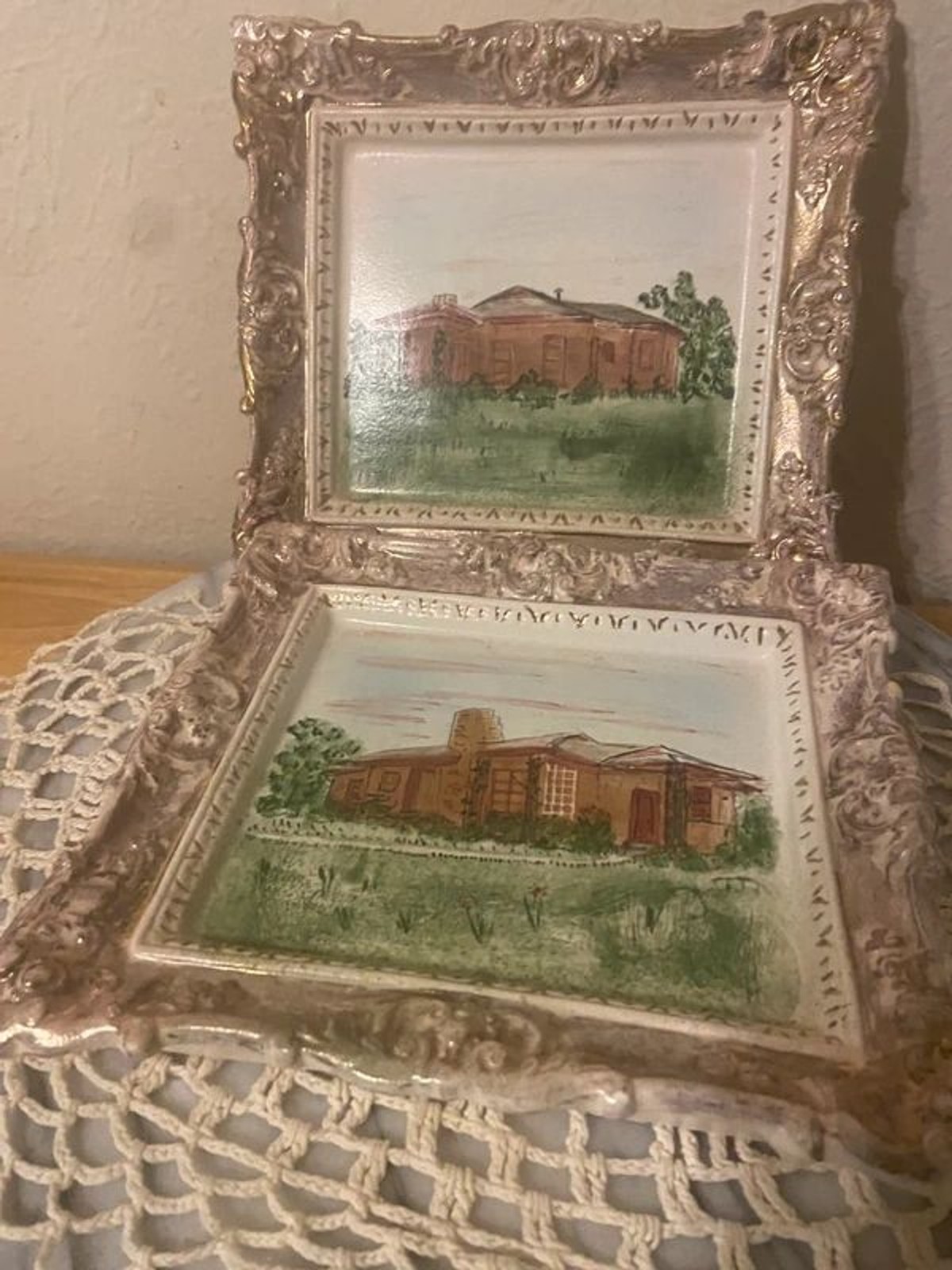

Photos from current listings. Actual item, color, and included accessories may vary.
Hand Painted Pottery Buying Guide
Hand-painted pottery spans studio artware, vintage factory-decorated ceramics, and modern hobbyist pieces, where value hinges on whether the decoration is underglaze (fired into the body) or overglaze (painted on top and more fragile). The decisive rule: buy underglaze or high-fire hand painting for daily use and long-term durability, and treat overglaze or cold-painted decoration as display-only collectibles.
At a glance
- Category
- Antiques, Pottery & Glass
- Last updated
- Nov 23, 2026
Current offers
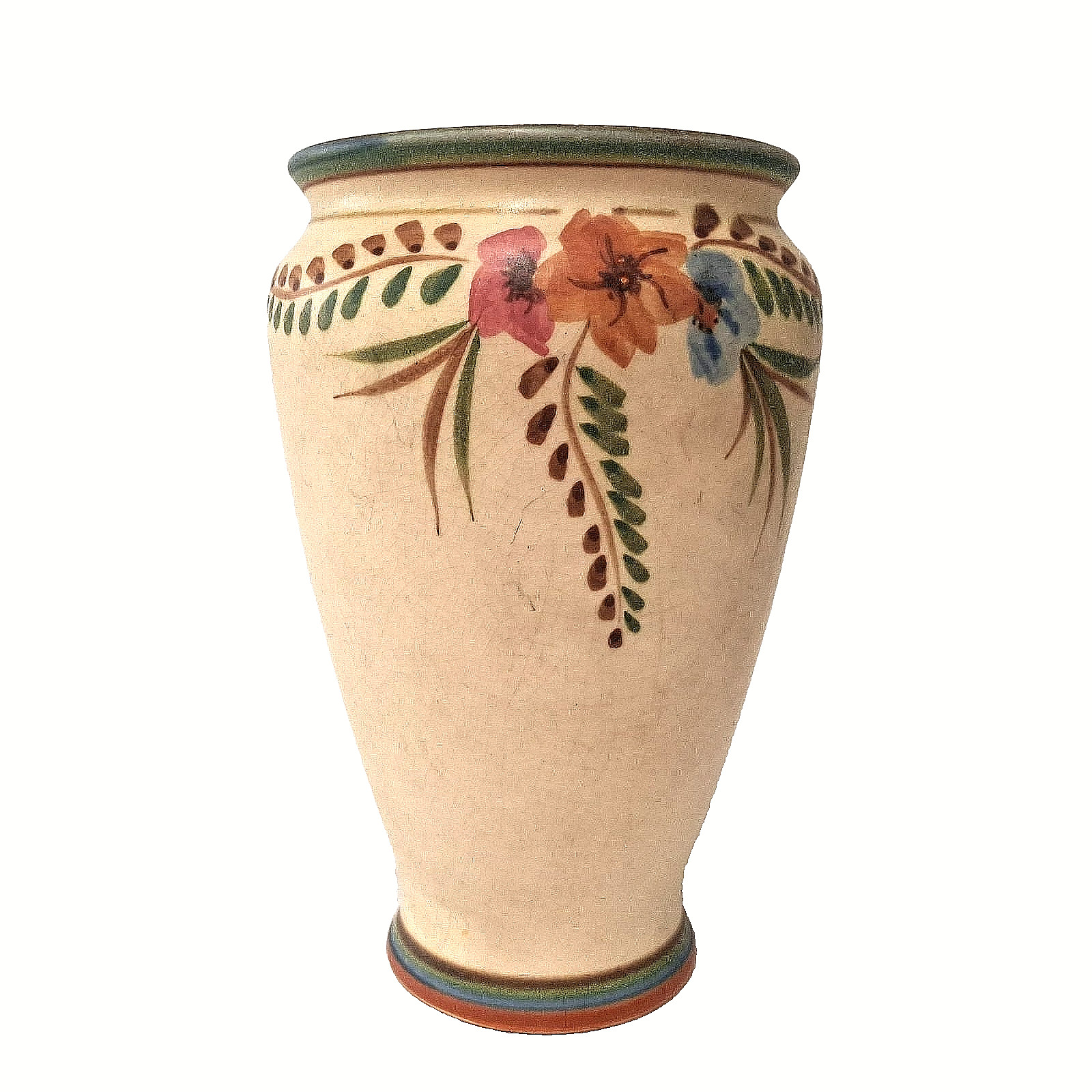
Highlights
- Underglaze decoration is applied before the final glaze fire, bonding pigment into the glaze layer for chip- and fade-resistant surfaces; overglaze enamels sit on top and wear with abrasion.
- High-fire stoneware and porcelain (cone 6-10, roughly 2200-2380°F) produce vitrified, non-porous bodies; low-fire earthenware (cone 04-06) stays porous and needs a food-safe glaze for utility.
- Vintage factory marks identify decoration method and era: Weller, Roseville, and similar American art potteries used distinctive impressed/stamped marks that separate hand-decorated lines from later transfer-printed copies.
- Hobbyist ceramics from brands like Duncan Ceramic Products (1970s ornament kits) are typically cold-painted or low-fire overglaze, making them decorative rather than functional.
Best use cases
- Best fit: choose high-fire stoneware or porcelain with underglaze painting for functional dinnerware, mugs, and vases that will be washed and used.
- Best fit: choose marked vintage art pottery (Weller, Roseville, etc.) in original hand-painted condition for display collections, where provenance and mark matter more than dishwasher safety.
- Wrong fit: skip cold-painted or overglaze hobby kits (Duncan-style ornaments, souvenirware) if you need food-safe or washable pieces — reserve them for shelf display only.
- Wrong fit: avoid unmarked 'hand-painted' earthenware with no glaze coverage on the base or rim for daily use; exposed low-fire clay stains and crazes.
Buying tips
- Check the base: a fully glazed foot ring and a stamped or impressed maker's mark indicate higher-fire production; raw, unglazed feet on painted ware signal low-fire or hobbyist origin.
- For food use, confirm 'food safe' glaze and avoid overglaze metallic lusters or decals on lip and interior surfaces, which are not dishwasher or microwave safe.
- Inspect decoration under raking light: underglaze painting sits flush with the glaze, while overglaze enamels show raised texture and can flake at edges.
- Match size to purpose: vases under roughly 6 inches are cabinet pieces; 10-14 inch floor vases need a stable base and are more prone to tip and chip.
Specs
| Decoration Type | Underglaze vs Overglaze / Cold-painted |
|---|---|
| Body Type | Earthenware / Stoneware / Porcelain |
| Firing Range | Low-fire (cone 04-06) vs High-fire (cone 6-10) |
| Maker's Mark | Impressed/stamped vs Unmarked |
Related searches
What to check before buying
- Measure your shelf or cabinet depth and height before buying tall vases; allow clearance for handles and flared rims.
- Confirm the piece is fully glazed on interior and rim if it will hold water or food; unglazed interiors seep and stain.
- For vintage or antique pieces, verify the maker's mark and check for restoration, repainting, or hairline cracks that reduce value.
- Check that the glaze is lead-free and food-safe if the piece is intended for dining; vintage and hobby glazes may not be.
FAQ
Data sources: eBay / Amazon listings and product attribute feeds. Updated Nov 23, 2026.
Some links on this page are affiliate links. If you buy after clicking one, we may earn a commission at no extra cost to you. This does not change which products appear here or their order. Affiliate disclosure.