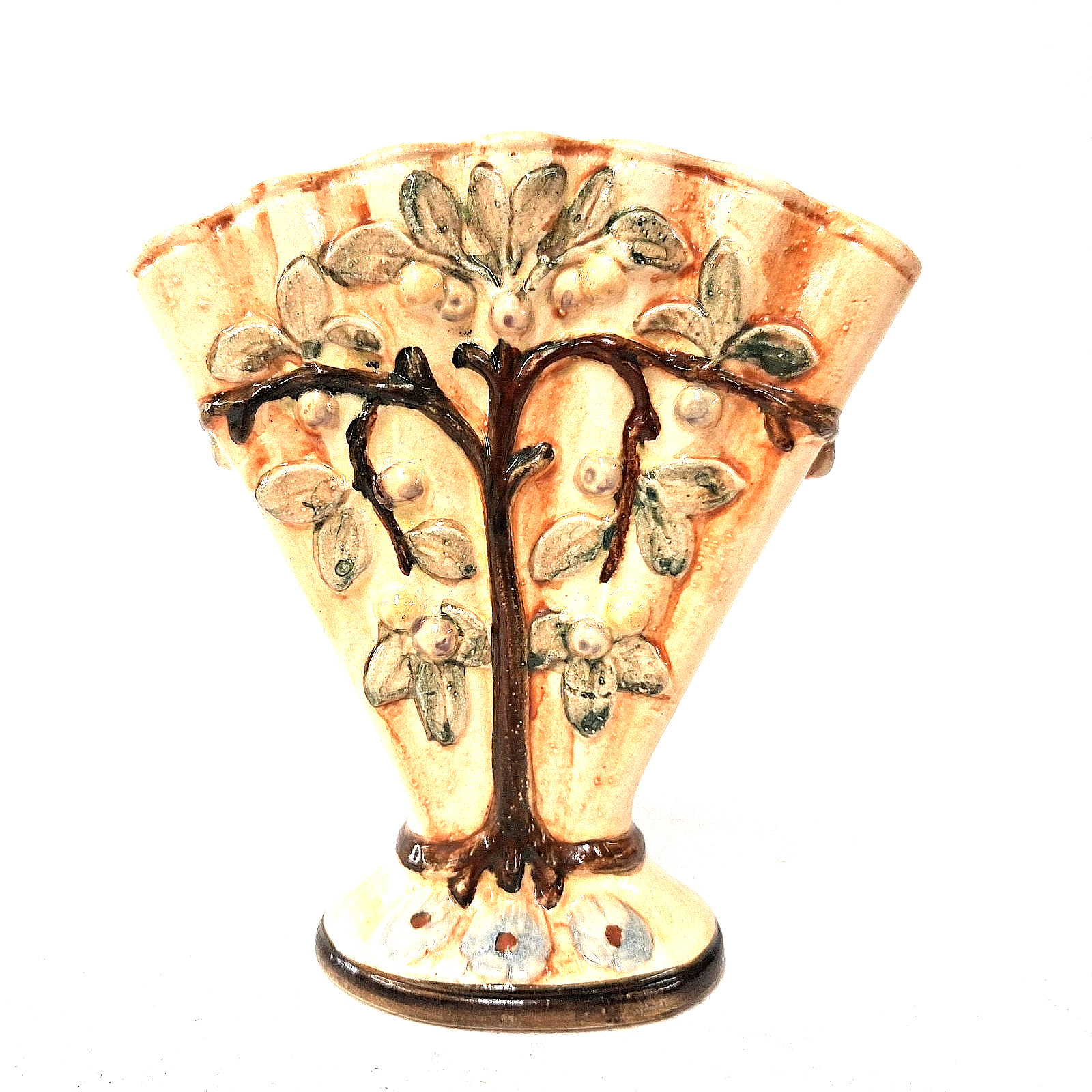

Photos from current listings. Actual item, color, and included accessories may vary.
Art Craft Antique Buying Guide
Art Craft Antique covers hand-decorated pottery, glass, and metalware from the late 19th to early 20th century Arts & Crafts and Mission movements, where value hinges on authentic hand-thrown or mold-cast construction, original glaze, and period-consistent joinery rather than decorative styling alone. The core trade-off is between genuine period pieces with hand-worked surfaces and later reproductions or heavily restored examples that mimic the look without the material integrity. The decision rule: buy pieces with visible throwing rings, mold seams in expected places, and unbroken original glaze, and skip anything with uniform sprayed color, modern epoxy fills, or machine-perfect symmetry.
At a glance
- Category
- Antiques, Pottery & Glass
- Last updated
- Nov 23, 2026
Current offers
Highlights
- Weller, Roseville, and Rookwood represent the three main Arts & Crafts pottery tiers: Weller for affordable molded relief, Roseville for pattern-catalog collectibles, Rookwood for signed hand-thrown art ware.
- Genuine period glaze shows micro-crazing, pooled color at recesses, and dry matte patches; uniform color and glossy synthetic sheen indicate later reproduction.
- Mission oak and Arts & Crafts metalwork use through-tenon and pinned joinery with visible construction marks; machine-cut dovetails and Phillips screws signal post-1950 production.
- Hand-thrown pottery carries concentric throwing rings and a foot ring cut by hand; slip-cast pieces show vertical mold seams that should be paired on opposite sides.
Best use cases
- Best fit: buying a Weller or Roseville molded vase for display in a Mission-style room — pick a piece with intact original matte glaze and no hairline cracks at the rim or base.
- Best fit: collecting signed Rookwood or hand-thrown art pottery as a focused investment — require the impressed factory mark, shape number, and artist cipher before committing.
- Wrong fit: seeking dishwasher-safe or food-use ceramics — period Arts & Crafts glazes can contain lead and are not stable for daily use; skip and buy modern food-safe stoneware instead.
- Wrong fit: furnishing a full room from a single antique lot — skip mismatched reproductions and instead source consistent period hardware, patina, and joinery across each piece.
Buying tips
- Measure the piece against your shelf or cabinet: standard art vases run 6–12 in tall with 3–5 in bases, so confirm clearance above and a stable footprint before purchase.
- Check glaze integrity first: hairline crazing is acceptable on period pieces, but active flaking, yellowed restoration, and painted-over chips reduce value sharply.
- Verify construction by touch and photo: run a finger inside the neck for throwing rings, inspect the base for a hand-cut foot ring, and photograph mold seams on both sides for symmetry.
- Match metalwork patina to the period: original Arts & Crafts copper and bronze carry a deep brown-black patina with hammer marks; bright uniform brass tone signals later refinishing.
Specs
| Maker Tier | Rookwood signed > Roseville > Weller molded |
|---|---|
| Construction | Hand-thrown vs slip-cast mold seams |
| Glaze Type | Matte period glaze vs glossy reproduction |
| Base Mark | Impressed mark + shape number + cipher |
Related searches
What to check before buying
- Confirm shelf depth and height clearance against the vase or vessel dimensions, including a 2 in margin for safe display and dusting.
- Inspect the base for the maker's impressed mark, shape number, and any artist cipher — unsigned pieces trade at a significant discount and are harder to authenticate.
- Check the rim, handles, and foot for hairline cracks, chips, and old repairs under UV light before finalizing any purchase.
- Verify the piece is stable on its own base — off-balance or warped foot rings cause tipping on glass shelves and are common in low-fire period pottery.
FAQ
Data sources: eBay / Amazon listings and product attribute feeds. Updated Nov 23, 2026.
Some links on this page are affiliate links. If you buy after clicking one, we may earn a commission at no extra cost to you. This does not change which products appear here or their order. Affiliate disclosure.