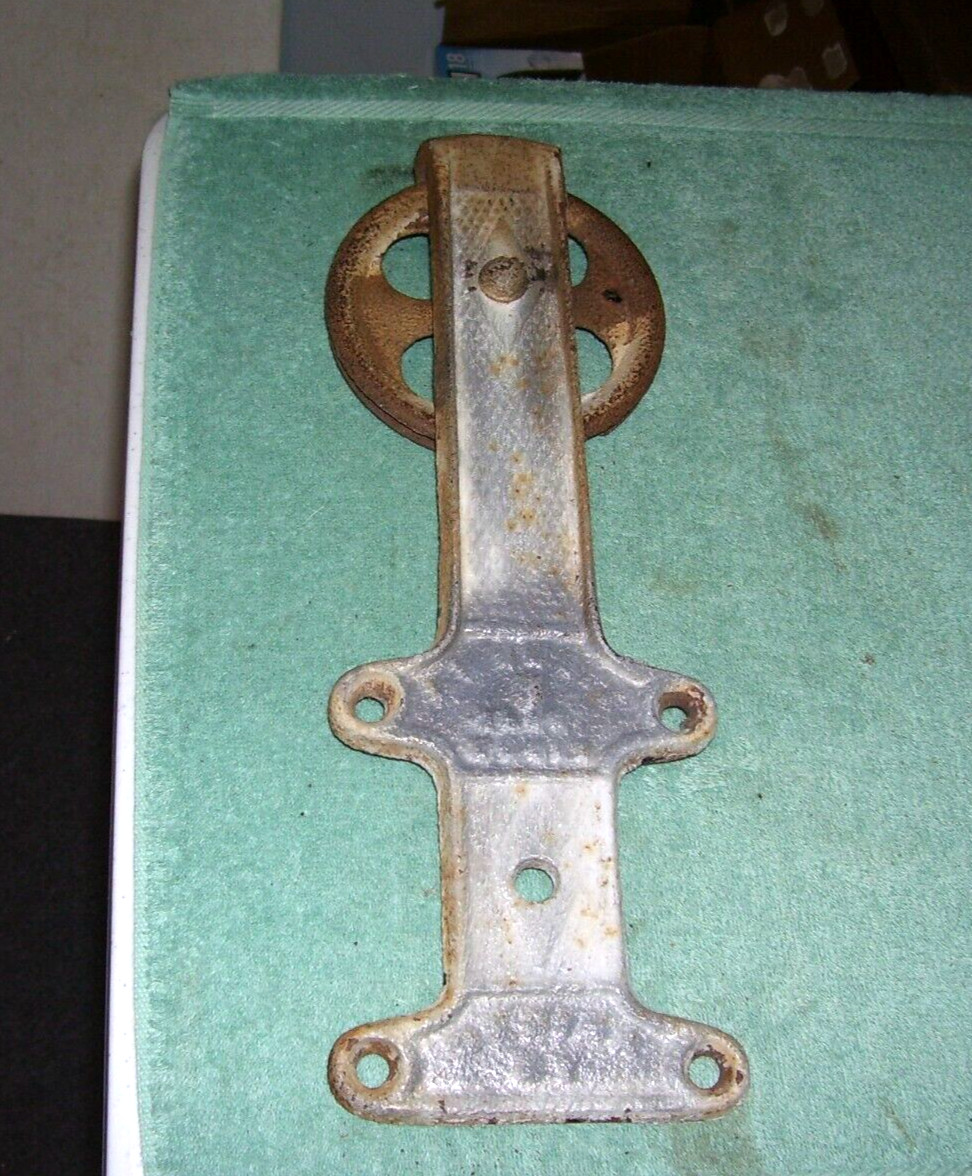

Photos from current listings. Actual item, color, and included accessories may vary.
Antique Door Buying Guide
Antique doors are reclaimed architectural elements valued for patina and solid wood or metal construction, with the primary trade-off being authentic period character versus compromised structural integrity from rot, warp, or missing hardware. The clear decision rule: buy only doors with documented provenance, sound joinery (mortise-and-tenon or through-tenon), and original or compatible hardware; skip any door with soft wood, significant checking, or mismatched frame dimensions.
At a glance
- Category
- Antiques, Pottery & Glass
- Last updated
- Nov 23, 2026
Current offers
Highlights
- Solid wood doors from the 19th–early 20th century typically use mortise-and-tenon joinery with through-tenons pinned with wooden pegs, far stronger than modern dowel or staple construction.
- Cast iron barn door hangers and track systems (e.g., A.L. Swett, Medina NY) are period-correct for industrial sliding doors; hanger wheel diameter and track weight rating determine load capacity.
- Standard antique door thickness is 1.75 in (44 mm) for interior and exterior residential doors; 2.25 in (57 mm) indicates heavy commercial or barn use and requires wider jamb stock.
- Original hardware (cast iron straps, pintles, thumb latches) adds value but often uses non-standard backset; replacement mortise locks require 2.375 in or 2.75 in backset matching.
Best use cases
- Best fit: restoring a period home (pre-1940) where door dimensions match existing rough openings and original trim—prioritize doors with original finish and matching hardware.
- Best fit: barn or industrial loft conversion—choose sliding barn doors with cast iron hangers and track rated for door weight (typically 150–300 lb per panel).
- Wrong fit: modern construction with standard 80 in height and 32/36 in width openings—antique doors rarely match these exactly; skip unless prepared to reframe.
- Wrong fit: humid bathrooms or exterior exposed locations—skip softwood antiques with rot or checking; select only tight-grain oak or teak with intact joinery.
Buying tips
- Measure the rough opening (framing) and the door slab separately: antique doors are often 78–84 in tall and 28–36 in wide, requiring custom jamb adaptation.
- Check joinery: mortise-and-tenon with pegs signals pre-1900 quality; doweled or stapled joints indicate later or lower-grade construction—avoid if structural.
- For sliding hardware, match hanger wheel diameter to track: 2 in wheels need 2 in track; cast iron hangers typically rate 150–250 lb per pair.
- Inspect wood species: oak, chestnut, and teak resist rot and take restoration well; pine and poplar are softer and prone to dents and warping.
Specs
| Door Thickness | 1.75 in (44 mm) standard; 2.25 in heavy |
|---|---|
| Joinery Type | Mortise-and-tenon vs dowel/stapled |
| Hardware Backset | 2.375 in or 2.75 in mortise |
| Hanger Load Rating | 150–250 lb per pair cast iron |
Related searches
What to check before buying
- Measure wall opening height, width, and jamb depth—antique doors typically need 1.75–2.25 in thick jambs and may be 78–84 in tall.
- Confirm floor clearance for swing: allow 0.5 in above finished floor and check for rugs or thresholds that impede swing.
- Verify hardware compatibility: backset (2.375 or 2.75 in), hinge type (loose-pin or fixed), and lock bore diameter (2.125 in standard).
- Assess climate: solid wood antiques acclimate to indoor humidity 35–55% RH; avoid unheated or damp spaces unless door is sealed and species is rot-resistant.
FAQ
Data sources: eBay / Amazon listings and product attribute feeds. Updated Nov 23, 2026.
Some links on this page are affiliate links. If you buy after clicking one, we may earn a commission at no extra cost to you. This does not change which products appear here or their order. Affiliate disclosure.