Choosing card binders & toploaders usually means balancing two different needs: keeping a very large collection together or paying less for a defined album format. Rayvol's 2300 Pocket Trading Card Binder and Lincraft's 12 Pocket Master Set 480 Card Binder take those paths differently. The fastest way to decide is to match the stated storage figure and construction to the cards you plan to organize, not to treat every trading card binder as interchangeable.
Quick verdict
The Rayvol fits a collection that needs its 2,300-pocket format, a zippered closure, and extra-rigid padded covers. The Lincraft fits standard-sized cards in a 12-pocket album with 480-card capacity. The listed price gap is $50, so the choice is storage scale and enclosure design versus a lower upfront price.
Price and stated capacity
| Binder | Listed price | Stated storage figure |
|---|---|---|
| Rayvol 2300-Pocket Binder | USD 69.99 | 2,300 pockets |
| Lincraft 480-Card Binder | USD 19.99 | 480 cards |
Where each binder wins
Rayvol wins when presentation and closure matter
The Rayvol's ringless design and double-sided low-friction black backing are the relevant differentiators: the backing separates the front and back pockets and creates a framed look. That makes the binder a clear match for a collection meant to be both stored and showcased. Its zippered closure adds an enclosed format, while the side-loading design is also listed for Lincraft; side loading is therefore shared, not a reason to favor Rayvol alone.
Lincraft wins when standard sizing and page construction are priorities
Its stitched pages, acid-free material, and extra-clear pockets give the album a defined organization profile, while standard card compatibility is explicitly named. The $19.99 listed price also makes Lincraft the better match when the collection fits its stated format and the shopper wants to keep upfront cost lower.
Product notes
Rayvol 2300-Pocket Trading Card Binder
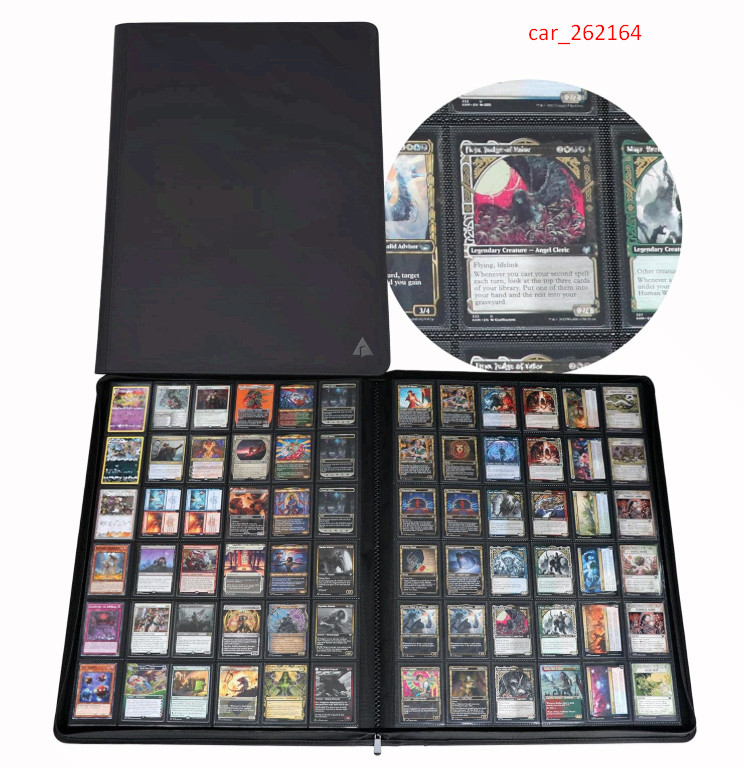
The Rayvol's appeal is its presentation-oriented page design: the low-friction black backing is described as separating the two sides of the pockets and giving cards a classic framed look. The ringless construction is another concrete reason to choose it if you prefer that page format. A clear limitation is the higher listed price compared with Lincraft. Rayvol is the right match when framed presentation and enclosed storage matter more than keeping the purchase price down. The black color and modern style are descriptive choices, not reasons to expect a different protection approach.
Lincraft 480-Card Binder
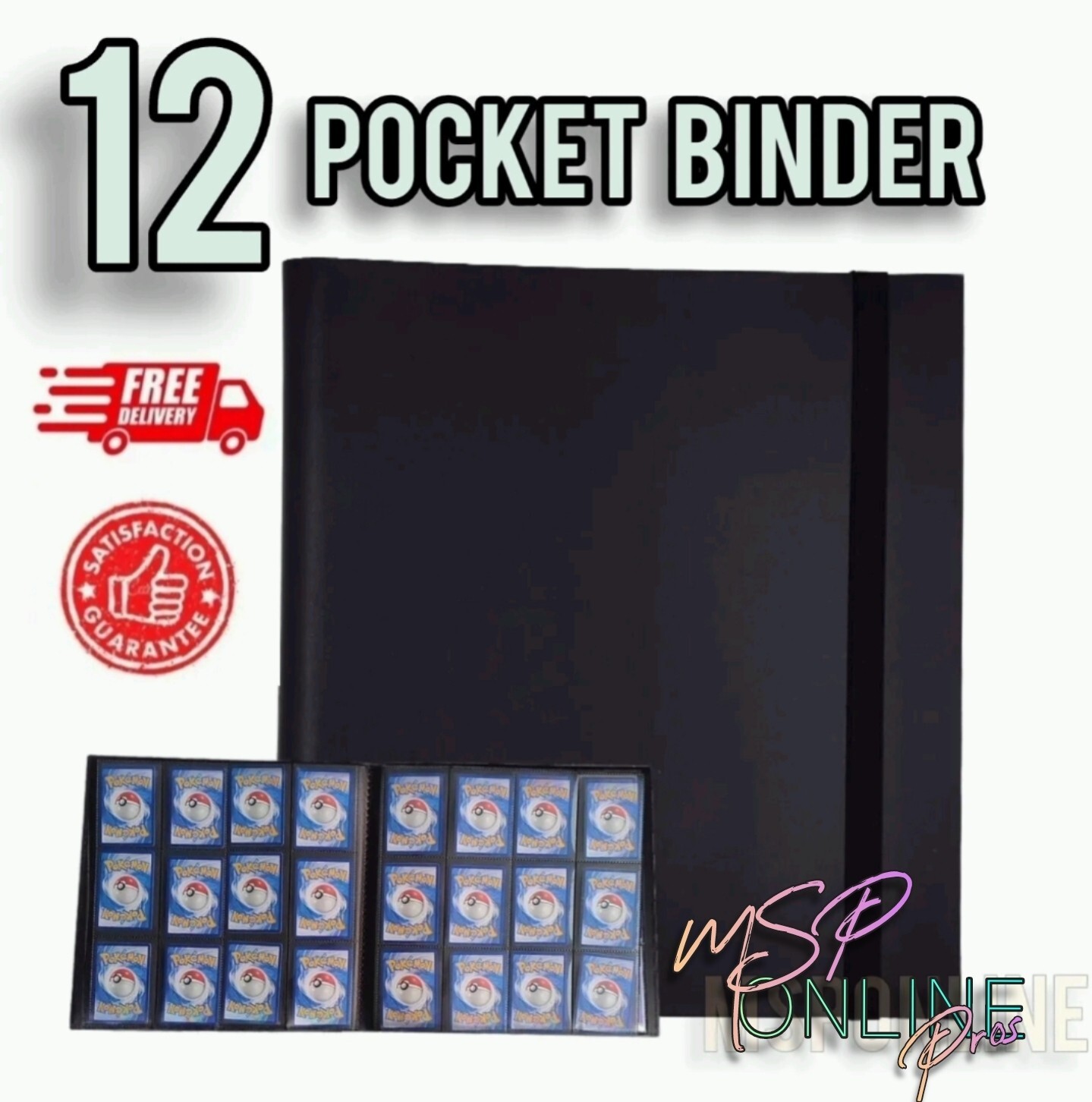
The Lincraft earns its place through page organization rather than enclosure hardware. Its stitched pages, acid-free material, and extra-clear pockets give the album a concrete reason to choose for collectors who want a clearly defined cardholder book. The limitation is the flexible, non-rigid hard-plastic cover: shoppers specifically seeking rigid front and rear covers should prefer Rayvol's construction instead. Choose Lincraft when page clarity and its defined album format matter more than a rigid exterior. The stitched construction also gives the pages a specific, built-in organization for a card collection, keeping the choice straightforward for an album-first setup.
Final choice by use case
For one binder centered on the 2300 Pocket format, choose Rayvol. For a page-organized 12 Pocket Master Set album, choose Lincraft. Rayvol is the more fitting decision when the product-title storage scale and closure-focused design are the point; Lincraft is the more fitting decision when the acid-free, extra-clear page setup is the deciding attribute. Match the choice to whether the collection calls for Rayvol's larger format or Lincraft's defined album layout.