Choosing among tcg cards & booster packs can be tricky when two Pokémon singles serve different collecting preferences: one emphasizes Japanese art and Trainer Gallery identity, while the other offers an English Full Art card at a lower listed price. The useful question is not which label sounds more appealing; it is whether language and presentation or a named English card and price matter more to your collection.
Quick verdict
The Pokemon Trading Card Japanese Art Rare/Trainer Gallery: Choose Your Card is the better fit for a collection centered on Japanese presentation and a specific Fan Rotom 213 selection. The Pokemon Trading Card Sword & Shield V Full Art: Choose Your Card is the clearer pick for an English-language collection, especially when the lower listed price matters. Both are Pokémon TCG cards in ungraded condition, so the decision turns on format, card identity, and price rather than a difference in condition.
At a glance
| Attribute | Japanese Art Rare/Trainer Gallery | Sword & Shield V Full Art |
|---|---|---|
| Listed price | USD 1.99 | USD 0.99 |
| Language | Japanese | English |
| Title cue | Japanese Art Rare/Trainer Gallery | Sword & Shield V Full Art |
| Named card | Fan Rotom 213 | Eldegoss V SWSH084 |
| Condition | Ungraded | Ungraded |
Where each card wins
- Japanese Art Rare/Trainer Gallery wins for shoppers prioritizing Japanese artwork and a Trainer Gallery identity.
- Sword & Shield V Full Art wins when a lower price and a Full Art presentation are more important than Japanese-language collecting.
The price gap is straightforward: the two cards are separated by $1.00, with the Sword & Shield V Full Art card at the lower listed price. That makes the choice less about an across-the-board winner and more about whether the first card's presentation justifies its higher entry point for your collection.
Product notes
Pokemon Trading Card Japanese Art Rare/Trainer Gallery: Choose Your Card
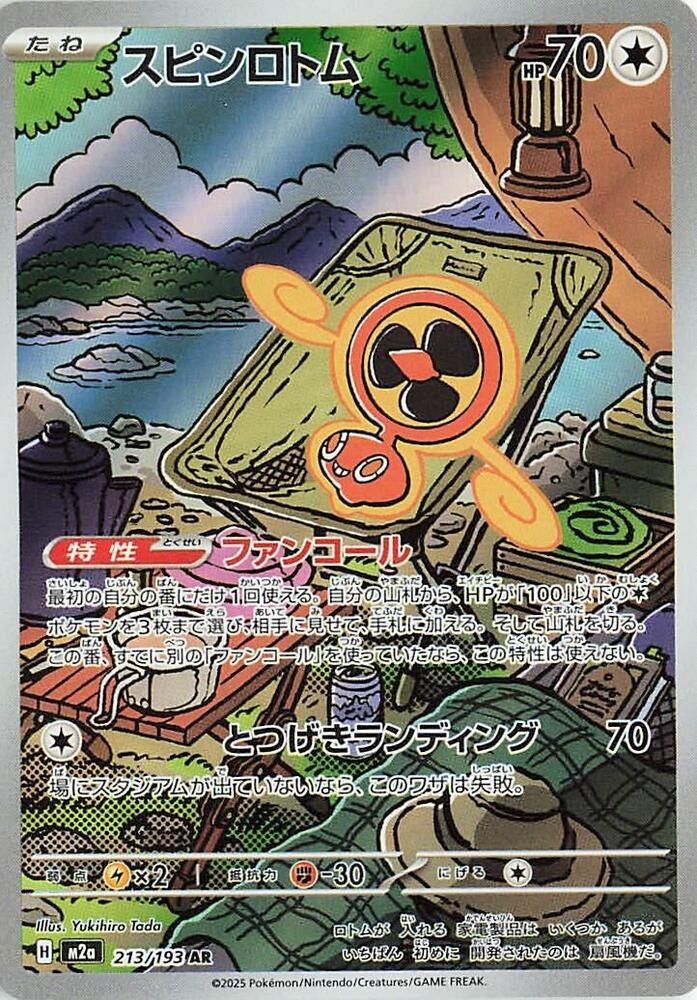
The Japanese Art Rare/Trainer Gallery card gives a collection a clearly defined centerpiece: the named card is Fan Rotom 213. That specificity is the main reason to choose it; it suits a shopper who already wants that character card rather than a general Pokémon card. Its condition is ungraded, an important limitation for anyone seeking a graded collectible. The Japanese country of origin and Japanese language reinforce its intended format, but may be a poor fit for a collection built specifically around English cards. The title also frames the purchase as a choose-your-card selection, so the exact card identity matters. Choose it for Fan Rotom 213 and the Japanese art presentation; skip it when price or English language comes first.
Pokemon Trading Card Sword & Shield V Full Art: Choose Your Card
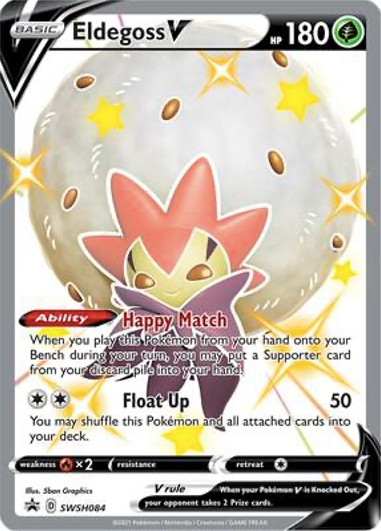
The Sword & Shield V Full Art card makes the purchase specific with Eldegoss V SWSH084, while its holo finish adds a clear visual attribute. Those details give English-language Pokémon collectors a concrete reason to choose it, especially when the goal is a named V card rather than the Japanese art format. Standard card size is identified, which may matter when matching a regular card collection. The limitation is that the condition is ungraded, and the English format will not suit shoppers deliberately seeking Japanese cards. Choose it when Eldegoss V SWSH084 and the holo finish align; the Japanese Art Rare/Trainer Gallery card is the better direction when that format is the priority.
Final choice by use case
- For the Fan Rotom 213 selection: choose the Japanese Art Rare/Trainer Gallery card.
- For the Eldegoss V SWSH084 selection: choose the Sword & Shield V Full Art card.
- For a price-led purchase: choose the Sword & Shield V Full Art card; USD 0.99 versus USD 1.99 creates a $1.00 spread.
- For a Japanese-art collecting focus: choose the Japanese Art Rare/Trainer Gallery card, whose title and format point directly to that preference.
Both choices are ungraded Pokémon TCG cards from the Sword & Shield era. The practical tie-breaker is simple: select the card identity and presentation that match your collection, then use the $1.00 difference to settle the decision when both formats appeal.