Choosing card binders & toploaders means balancing page layout, card fit, and how enclosed you want the collection to be. The 2300 Pocket Trading Card Binder and Premium 12 Pocket Sideload Trading Card Binder take different approaches: the first names a 36-pocket ringless format and zippered construction, while the second spells out standard-size and 35PT fit. The useful answer is not a blanket winner; it is which binder's listed structure matches your cards and display plans.
Quick verdict
Pick the 2300 Pocket Trading Card Binder if you prioritize an enclosed, presentation-oriented design and a ringless page format. Pick the Premium 12 Pocket Sideload Trading Card Binder if you want clearly defined card-fit specifications and a 12-pocket layout. The choice comes down to whether protective construction or fit-led organization matters more for your collection.
At a glance
| Attribute | 2300 Pocket Trading Card Binder | Premium 12 Pocket Sideload Binder |
|---|---|---|
| Listed price | $69.99 | $29.99 |
| Named page format | 36-Pocket Ringless | 12 Pocket |
| Fit details | Black; Polypropylene (PP) | Black; Standard; 35PT |
| Access | Side loading; zippered closure | Side-loading pockets |
Where each binder wins
Where 2300 Pocket Trading Card Binder wins
The 2300 Pocket binder wins when the decision is about enclosure and display. Its description specifies a zippered closure, padded extra-rigid front and rear covers, and non-slip, water-resistant material. That combination is a concrete match for a shopper who wants cards stored inside a closed binder rather than selecting solely by fit terminology. The description also mentions a low-friction black backing and framed look, giving the binder a presentation angle. Choose it when those construction details are central to the use case.
Where Premium 12 Pocket Sideload Trading Card Binder wins
The Premium 12 Pocket binder wins when sheet organization and spend are the main filters. Its description identifies double-sided pages with 24 cards per page and says the pockets accommodate sleeved or unsleeved cards. The $40.00 spread versus the 2300 Pocket binder is a concrete reason to choose it when both designs fit the collection. The result is a plainly described page routine for grouping cards across each sheet. Pick it when that organizing approach matches the way you plan to sort the collection.
Product notes
2300 Pocket Trading Card Binder
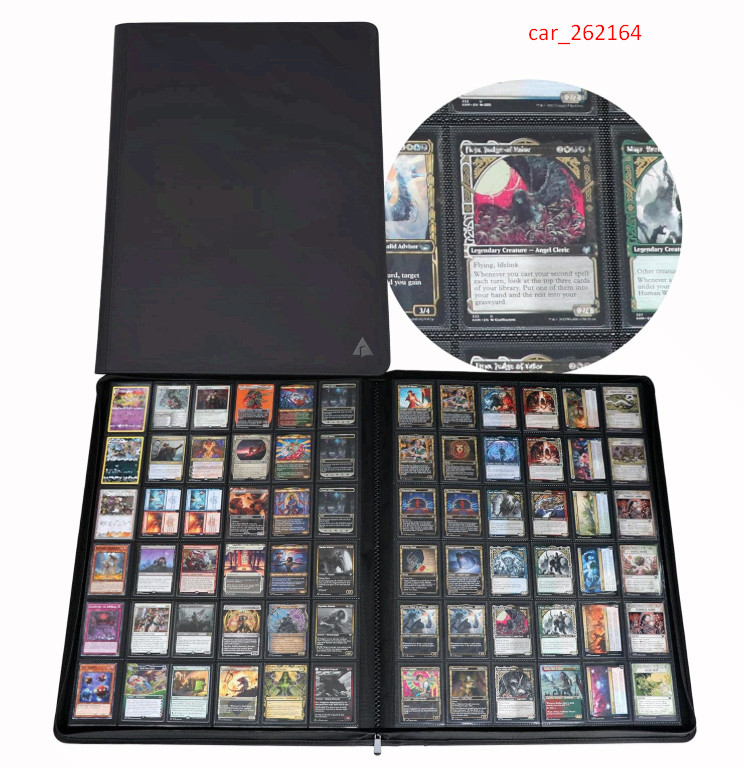
Choose this binder when the visual and enclosure details are part of the brief. Its low-friction black backing separates the front and back pockets and creates a framed look, while polypropylene (PP) is the listed material. Those details give it a concrete reason to choose for a collection intended to be both stored and showcased. The limitation is its specific 36-pocket ringless page architecture: shoppers wanting the 12-pocket arrangement named by the Premium 12 Pocket Sideload Trading Card Binder may prefer that different organization. The $69.99 listed price is another concrete consideration, especially when the display treatment is not a priority.
Premium 12 Pocket Sideload Trading Card Binder
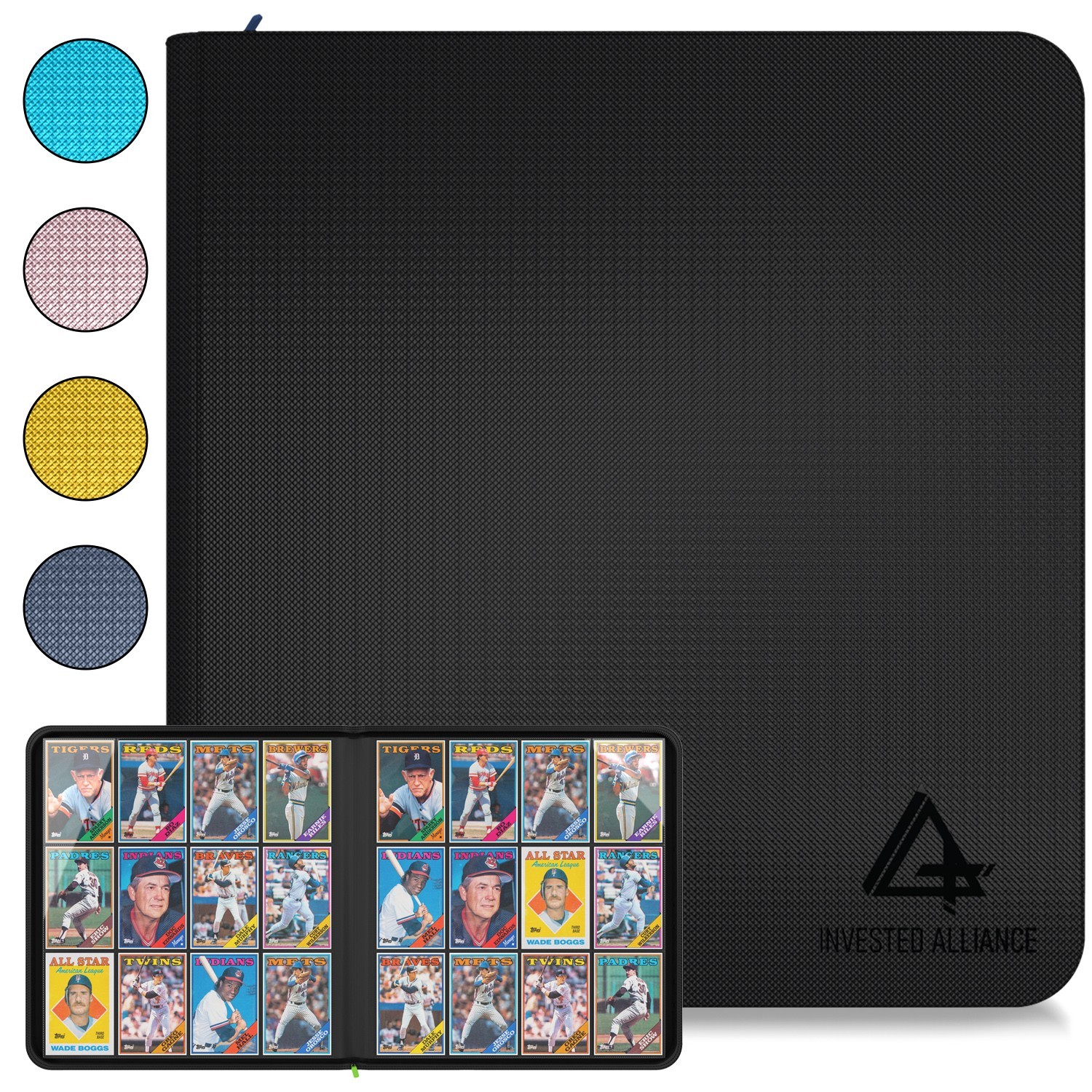
Pick this binder when defined card fit is your main filter. It identifies standard-size cards and 35PT thickness, and its reinforced stitching is described for heavy use. Those details give it a concrete reason to choose for a collection built around that card specification and regular handling. The limitation is the 12-pocket page arrangement: someone specifically seeking the 36-pocket ringless format named by the 2300 Pocket Trading Card Binder will be choosing a different organization. Its double-sided sheet design also makes page structure an important part of the decision.
Final choice by use case
If your collection decision starts with enclosure and presentation, choose the 2300 Pocket Trading Card Binder. If it starts with explicit card-fit measurements and a sheet-based organizing approach, choose the Premium 12 Pocket Sideload Trading Card Binder. When the choice is close, use the named page formats as the final tie-breaker: 36-pocket ringless for the first binder or 12-pocket for the second.