
Photos from current listings. Actual item, color, and included accessories may vary.
Vintage Postcard Buying Guide
Vintage postcards are collectible paper artifacts typically printed between the 1890s and 1970s, valued for their historical imagery, printing technique, and postal history. The core trade-off is between genuine antique lithographs or real-photo cards and modern reproductions: originals carry embossing, divided-back or undivided-back era markers, and authentic stamp/postmark evidence, while reproductions use flat offset printing on bright white stock. The decision rule is to buy cards with visible era-correct printing (chromolithograph, collotype, real-photo gelatin silver) and intact postal markings, and skip any card whose surface looks uniformly glossy or whose back lacks period typography.
At a glance
- Category
- Stamps & Postcards
- Last updated
- Nov 23, 2026
Current offers
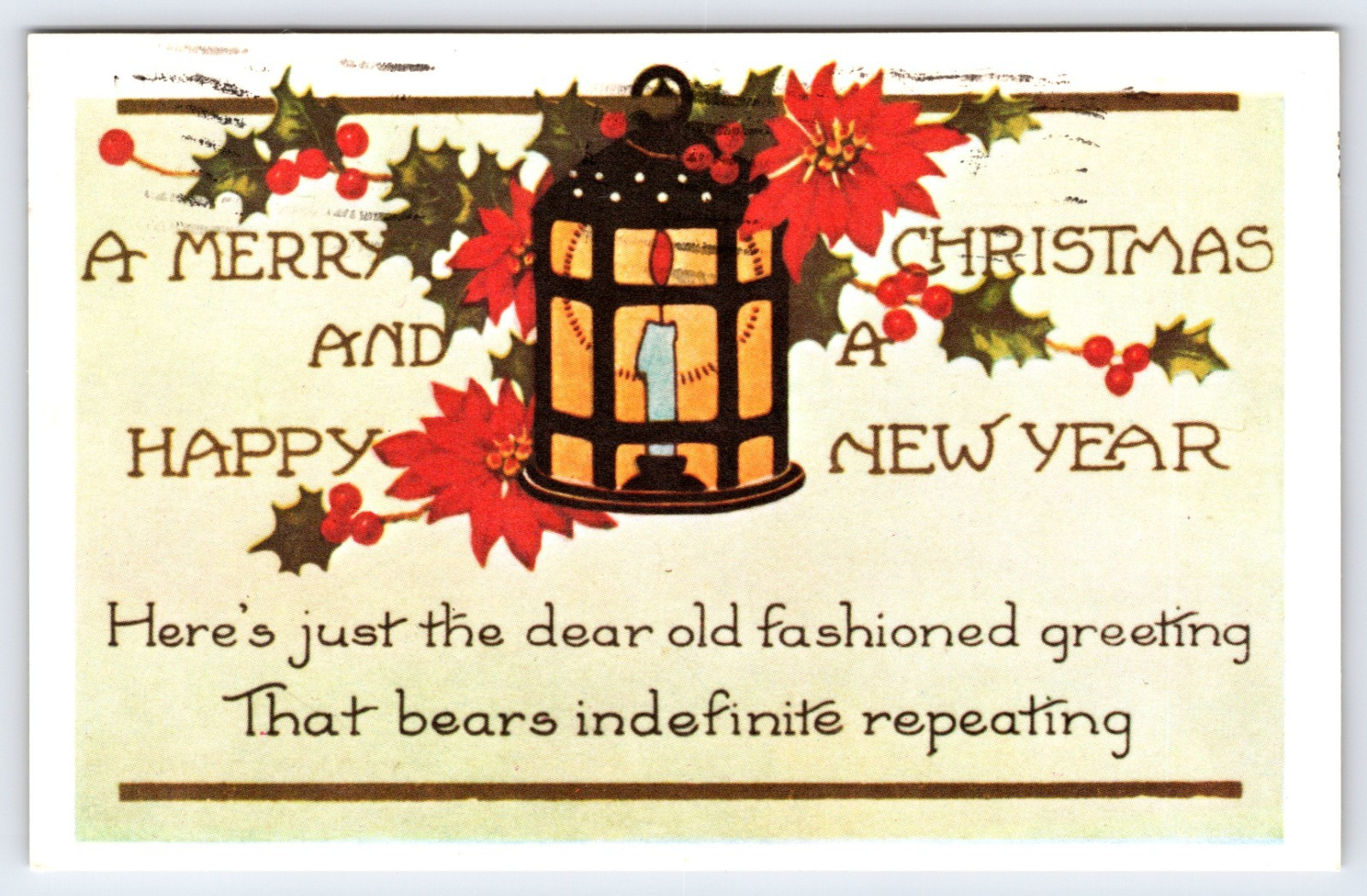 Vintage Postcard A Merry Christmas And A Happy New Year Lantern Candle Holly$0.99View on eBay
 Vintage Postcard, 1910 Friendship$2.00View on eBay
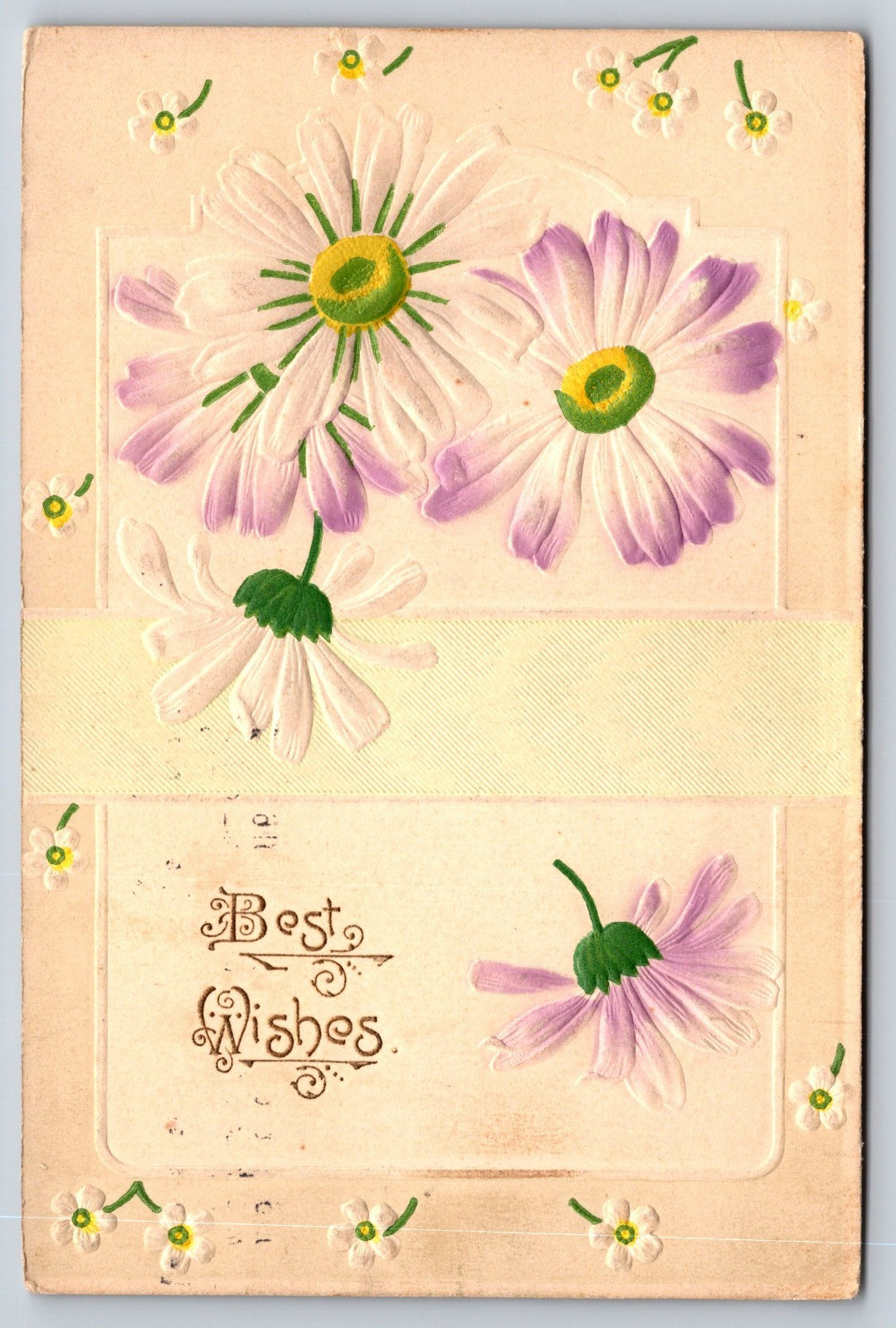 Year 1910, Best wishes, Embossed flowers, writing on back, Vintage Postcard$2.00View on eBay
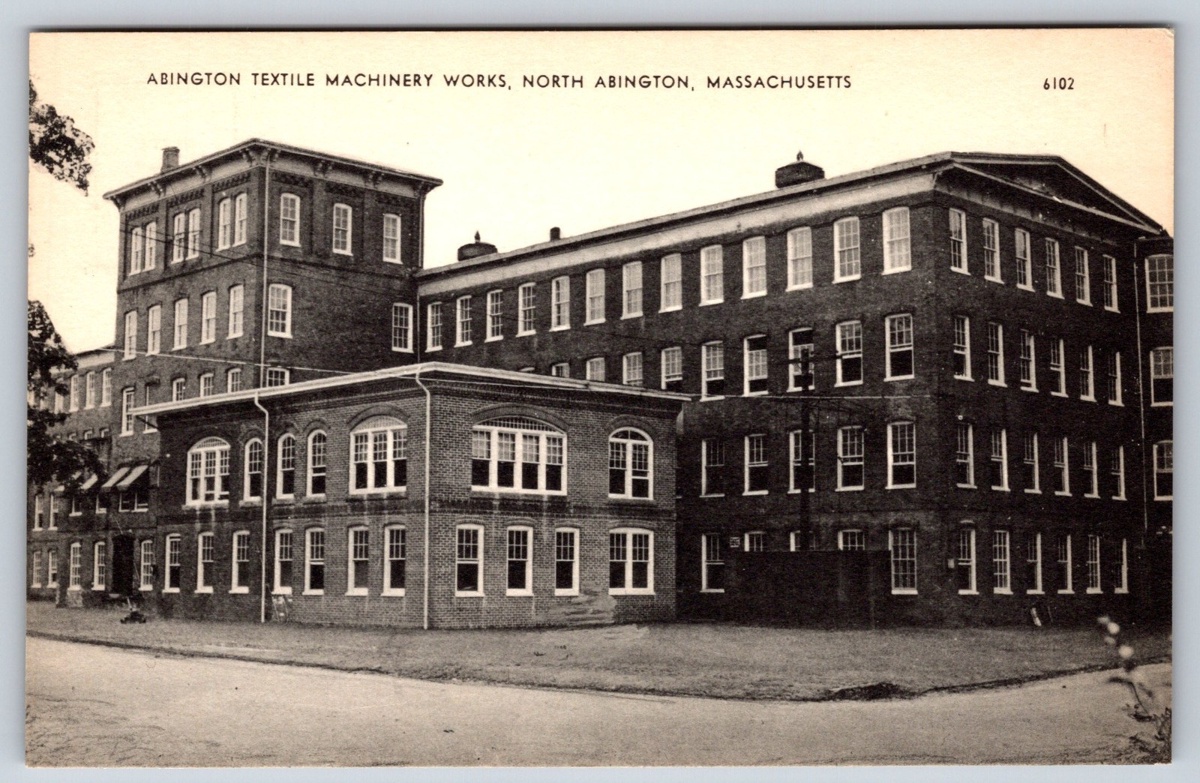 Real Photo Vintage Postcard, Abington Textile Machinery Works, Mass.$2.50View on eBay
 Vintage Postcard Amana Colonies Iowa Home Hospitality Woolen Furniture Wine$5.56View on eBay
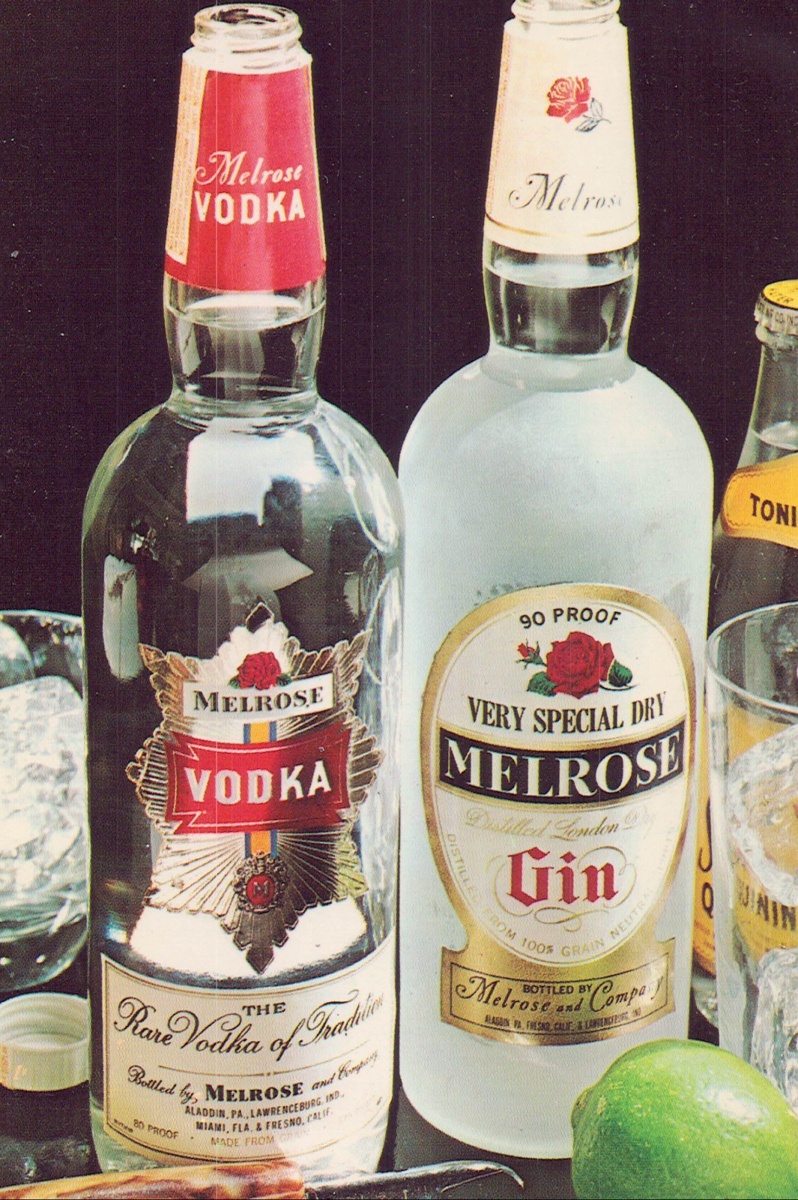 Melrose Gin and Vodka Vintage Postcard$9.99View on eBay
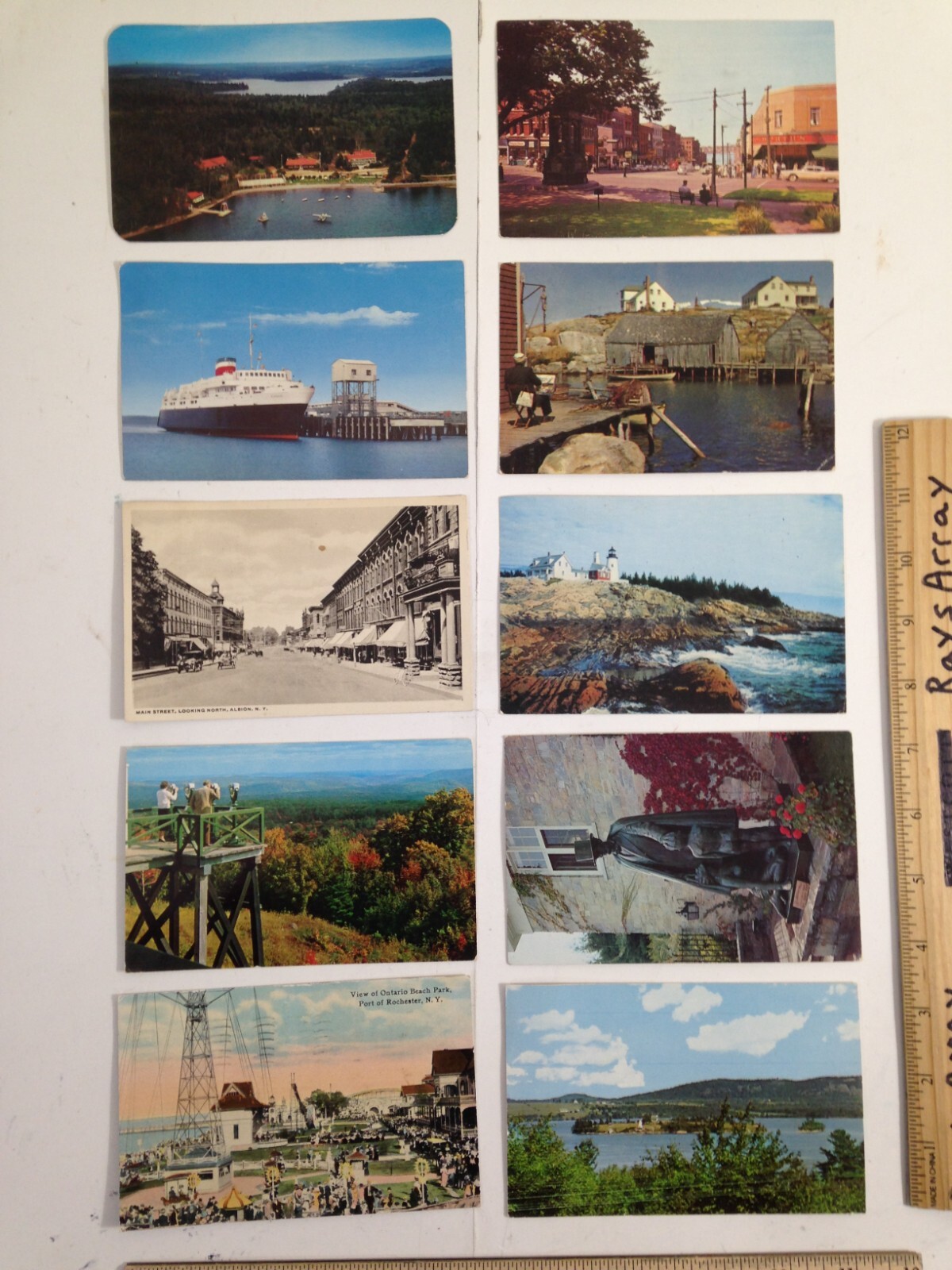 Vintage Postcards Stamped Famous Places Monuments postage stamps lot of 10 Cards$14.00View on eBay
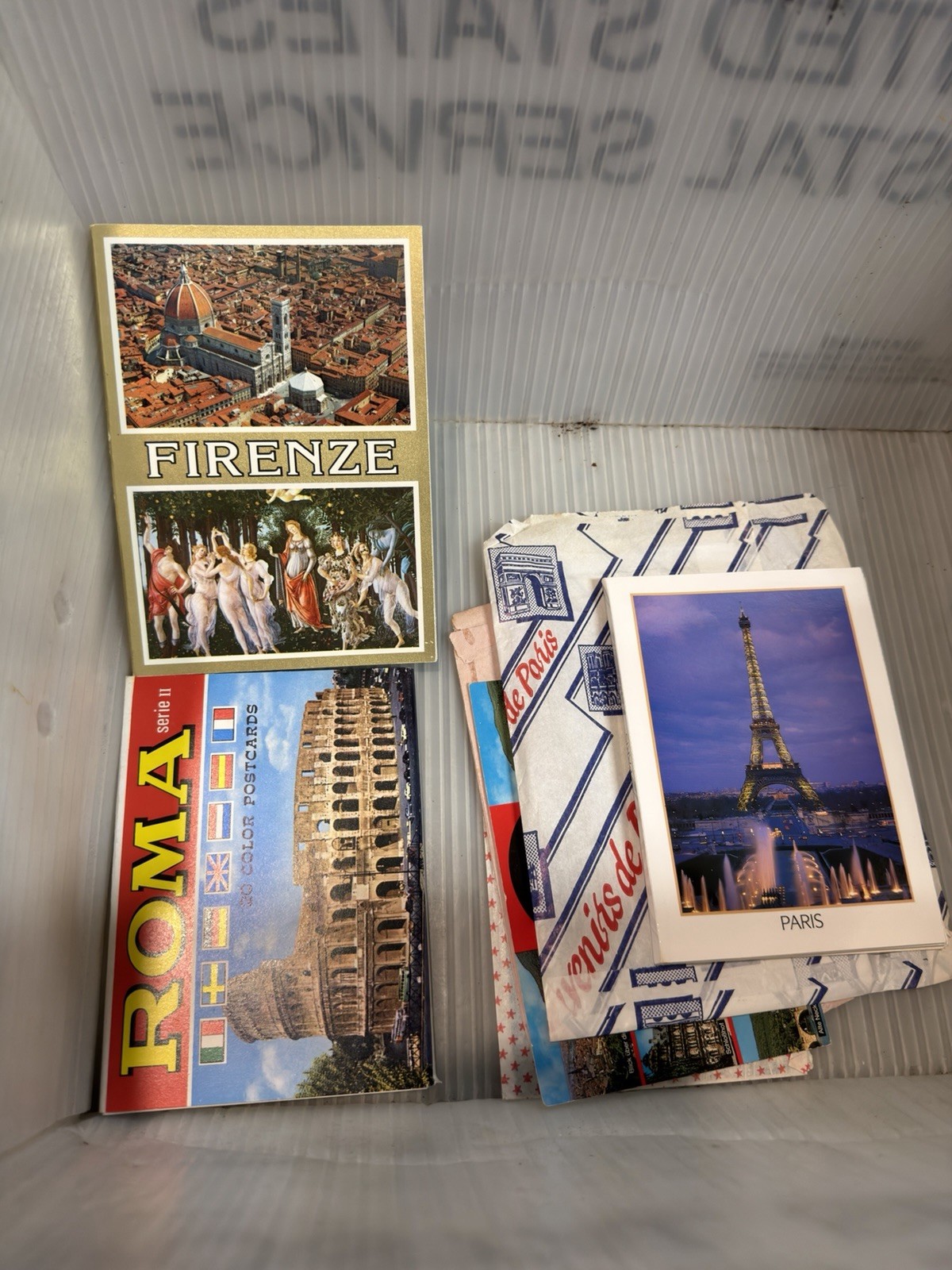 Assortment of Vintage Postcards, Stamps and More$15.00View on eBay
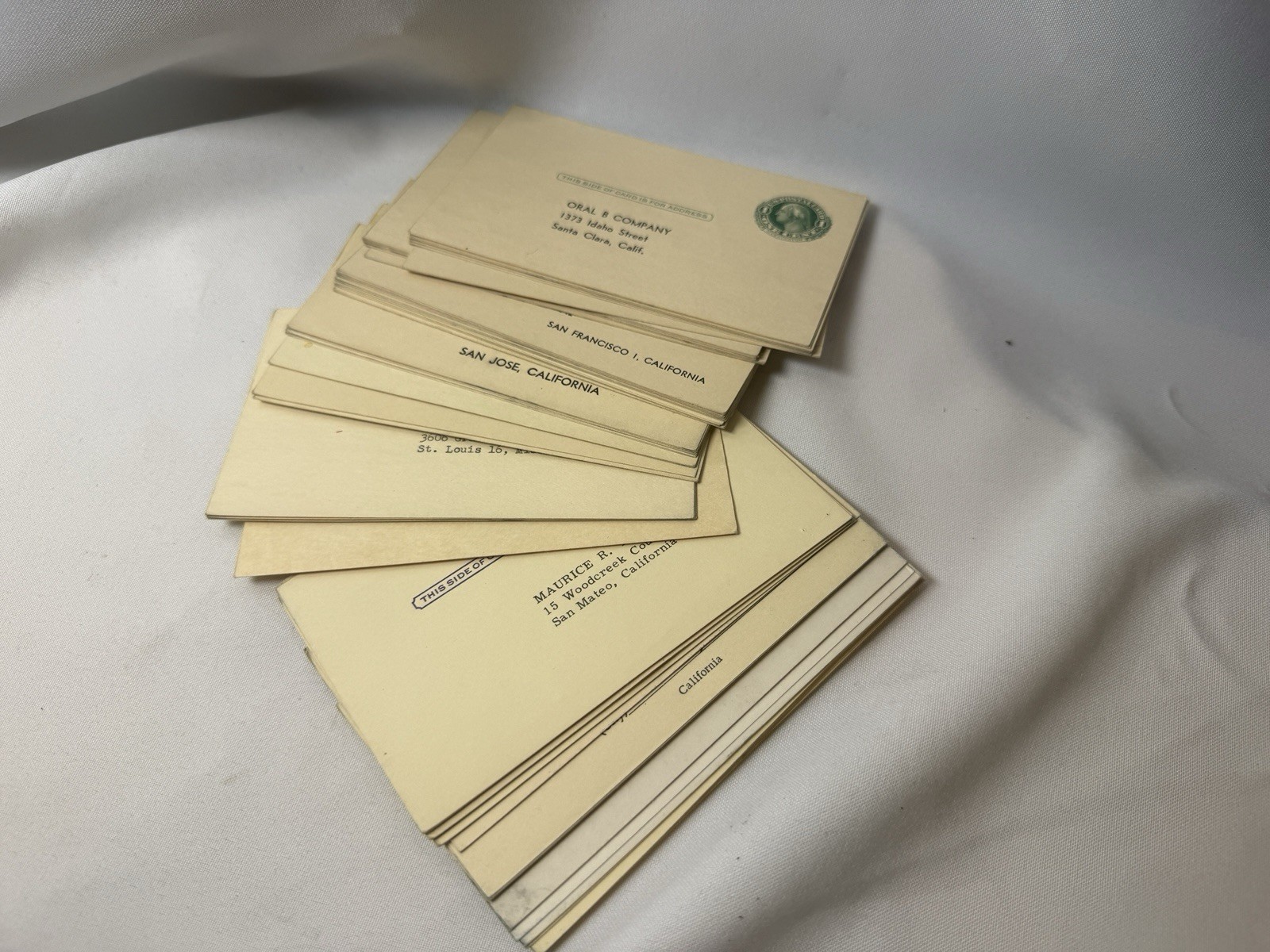 Lot of 64 - 1 Cent, 2 Cent, 3 Cent and 4 Cent Vintage Postcards-Unused Stamps.$20.00View on eBay
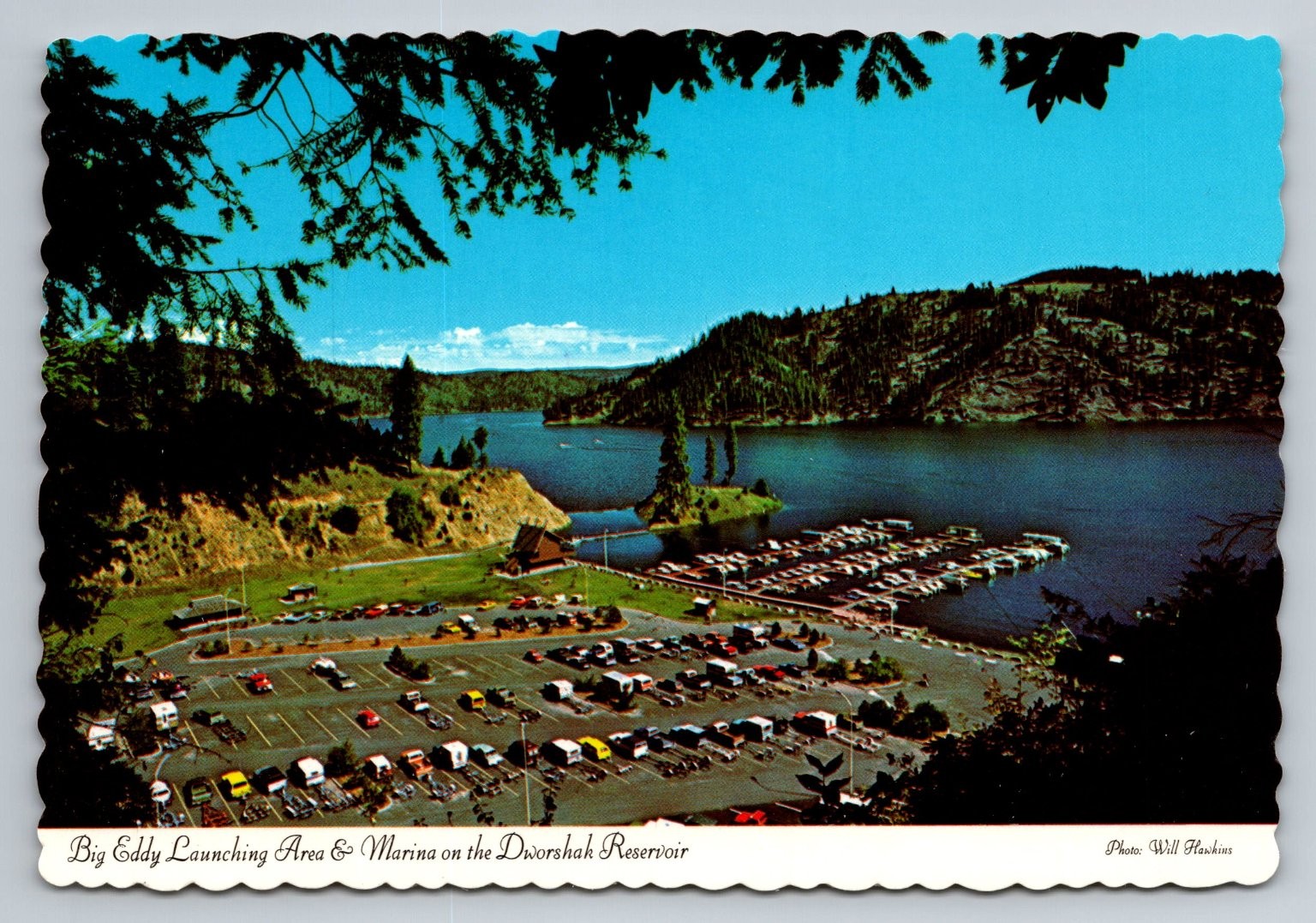 Big Eddy Launching Area & Marina Dworshak Reservoir Idaho Vintage Postcard$20.00View on eBay
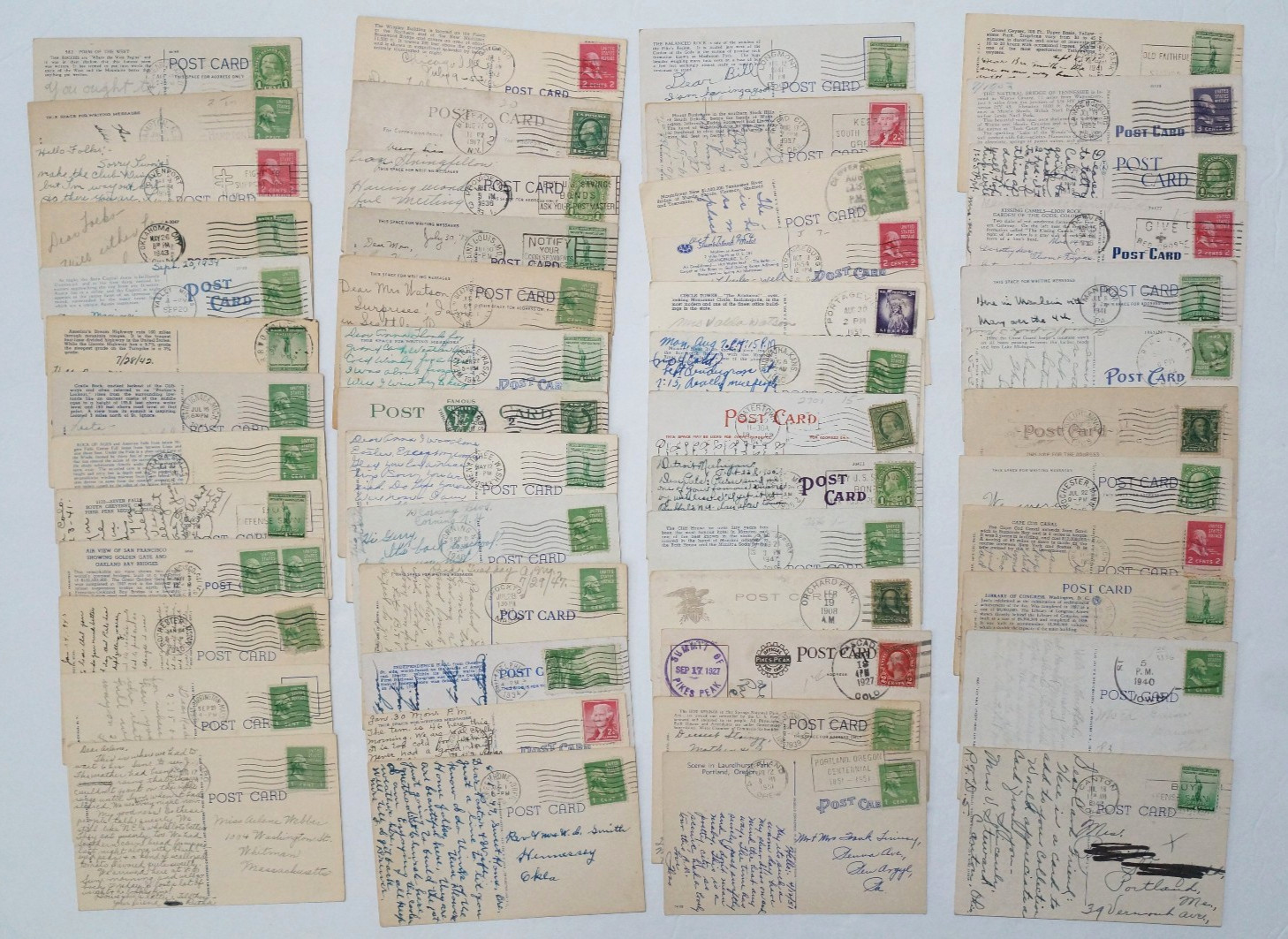 Vintage POSTCARDS with STAMPS Lot 50 Posted Cancel Postmark USA Used Old Cards$21.95View on eBay
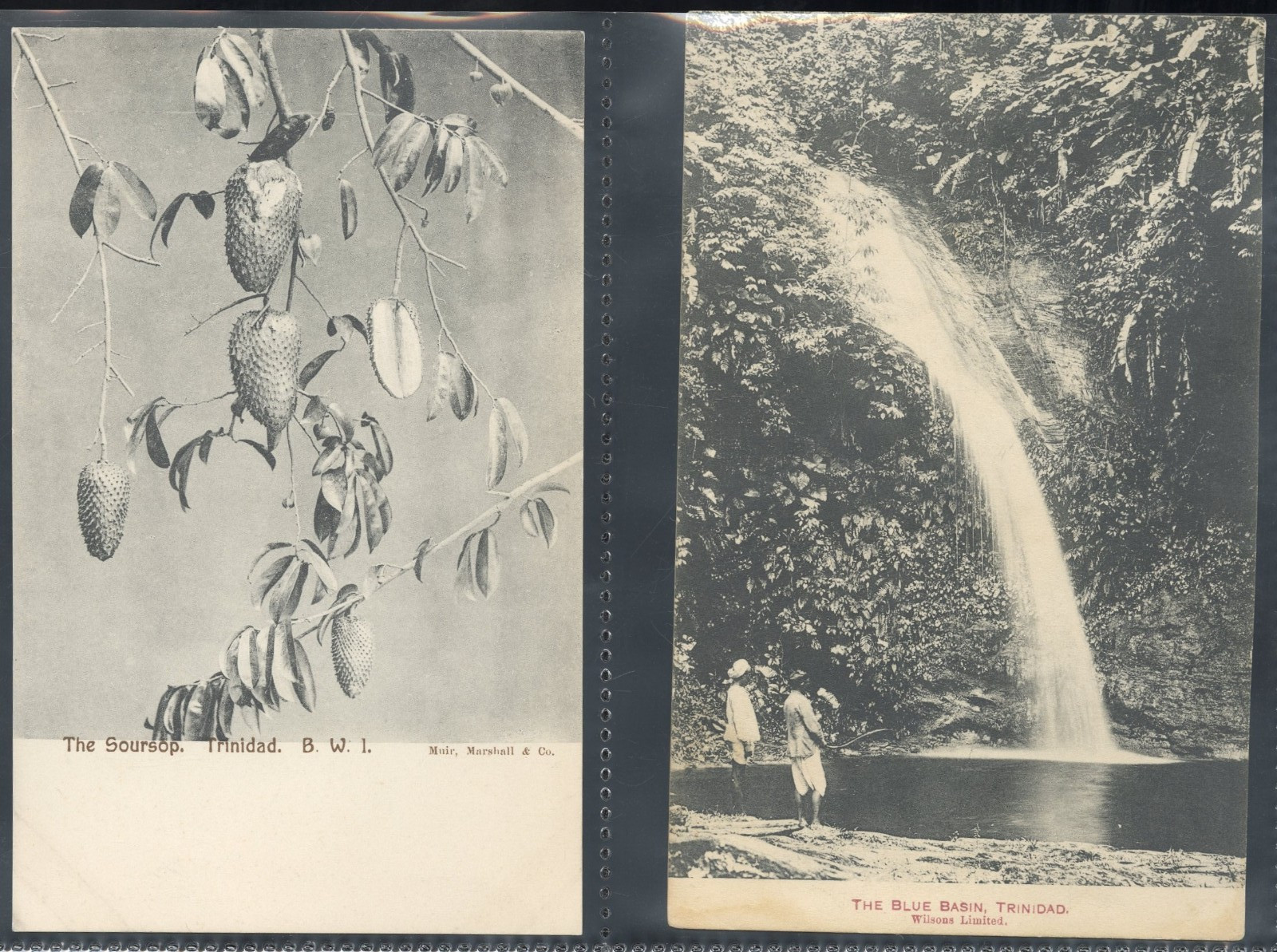 TRINIDAD BWI STAMPS HUGE Lot of 41 Vintage Postcards Port of Spain Caribbean$75.00View on eBay
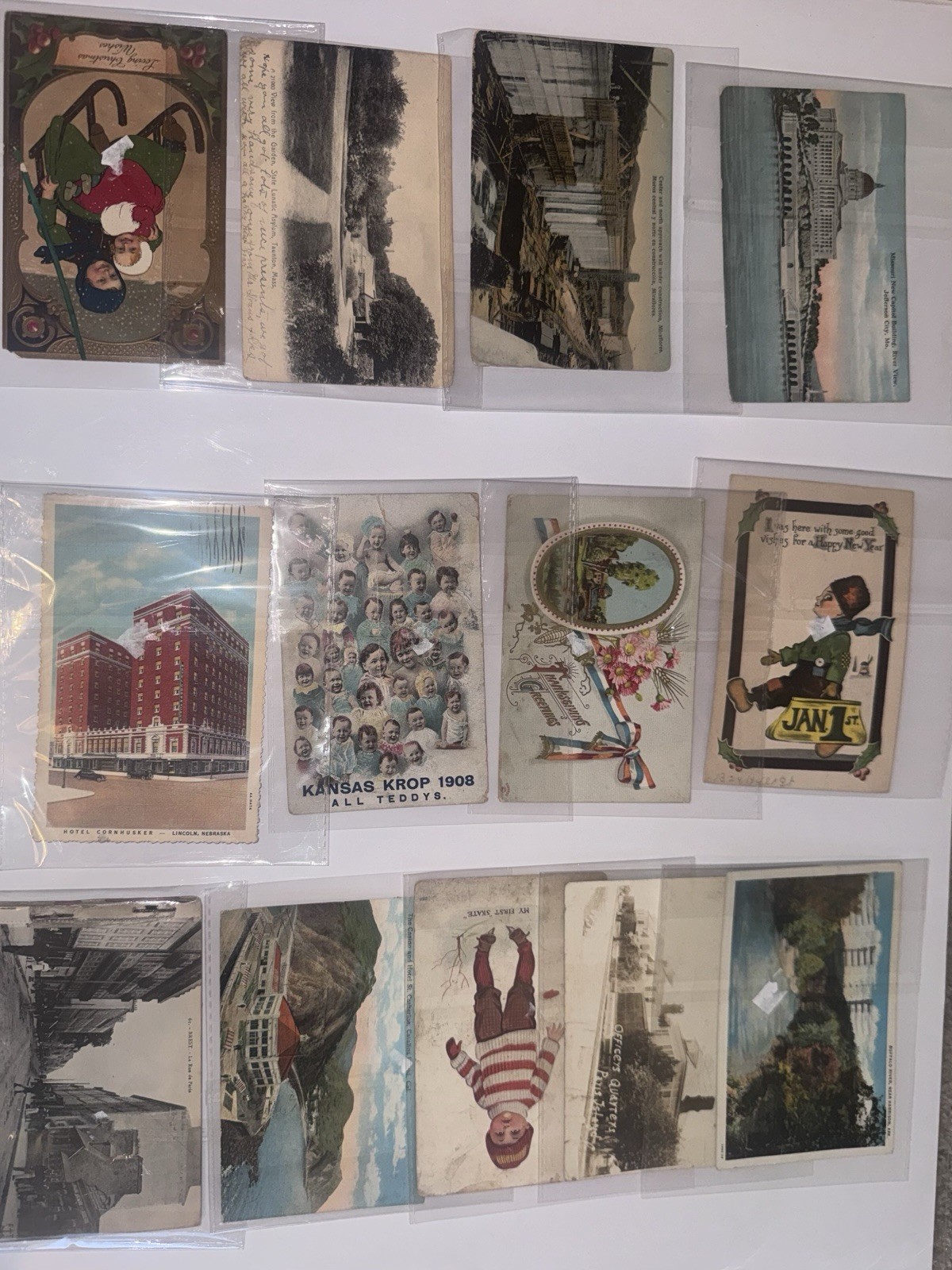 LOT OF 27 ANTIQUE / VINTAGE POSTCARDS 1908-1930s Stamped & Mail See Description$125.00View on eBay
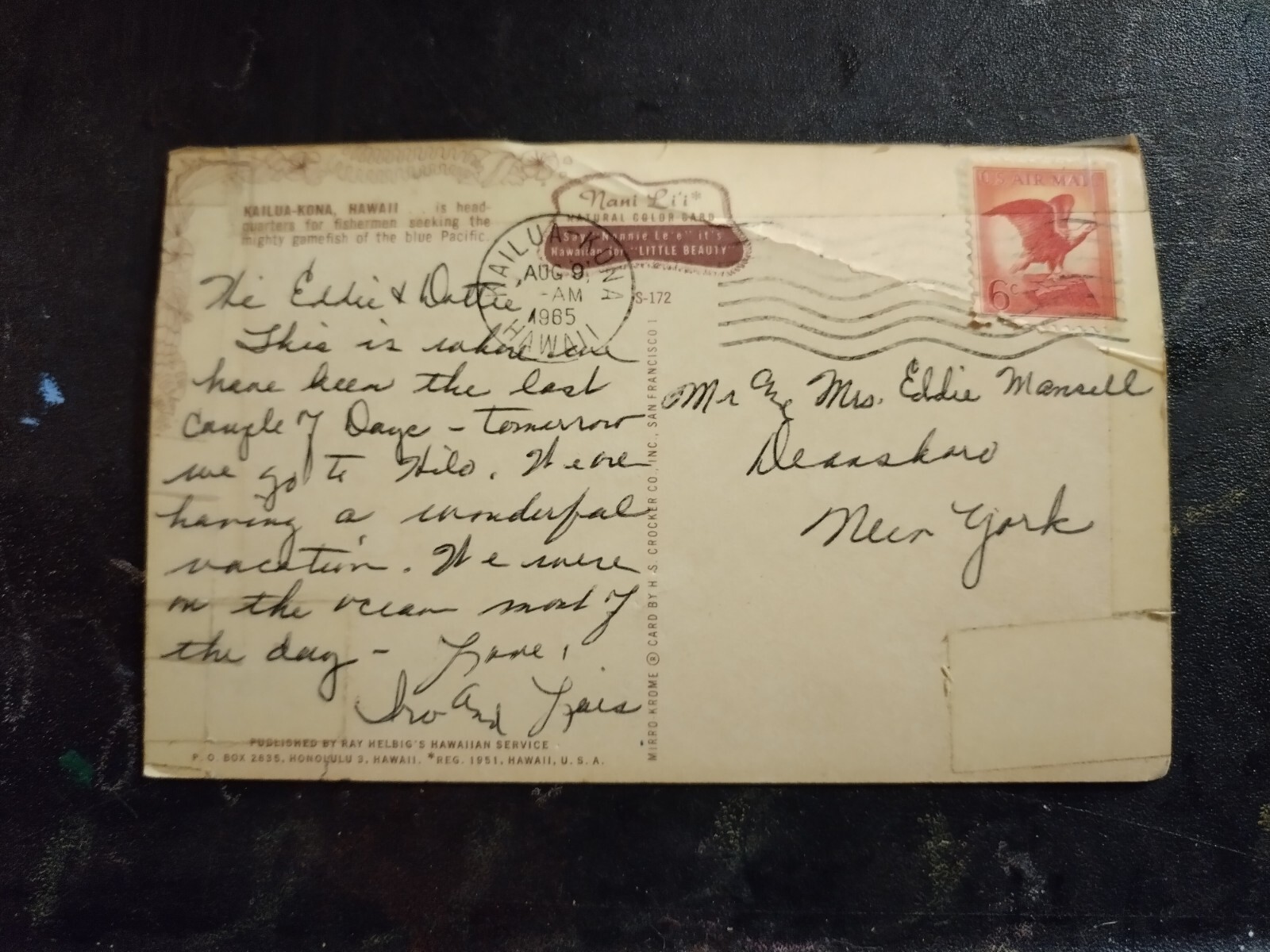 Vintage Postcards With Rare Valuable Stamps$255.00Last checked Nov 17, 2026View on eBay
 VINTAGE 57 STAMPED & MAILED POSTCARDS INTERNATIONAL & USA PLACES/PEOPLE/ANIMALS$3.99View on eBay
 Vintage Christmas Postcard 1978 Forest Full of Animals and Tree with Holly$5.89View on eBay
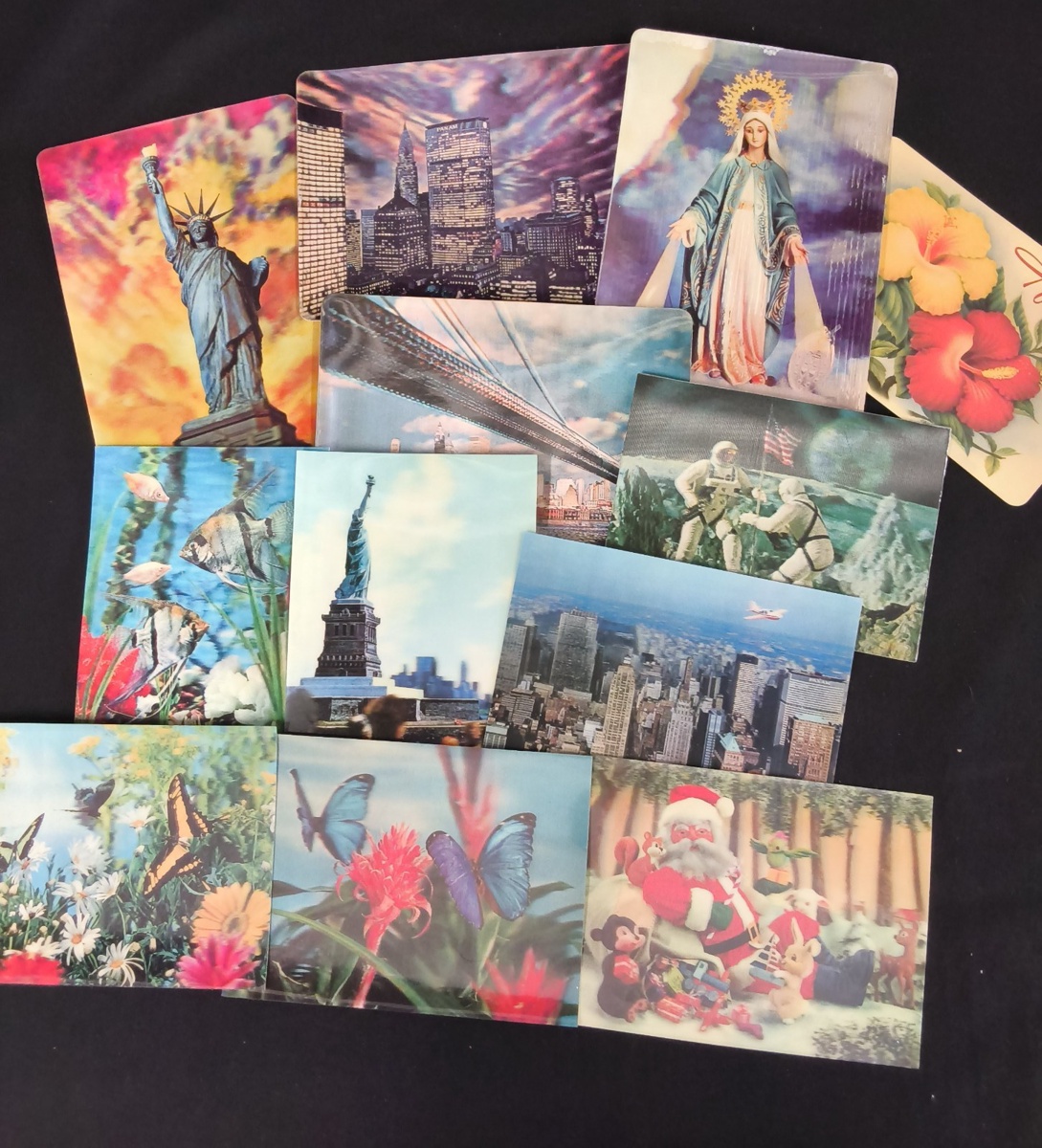 Vintage lot of 11 3-D Assorted Postcards 6 cent stamp$12.00View on eBay
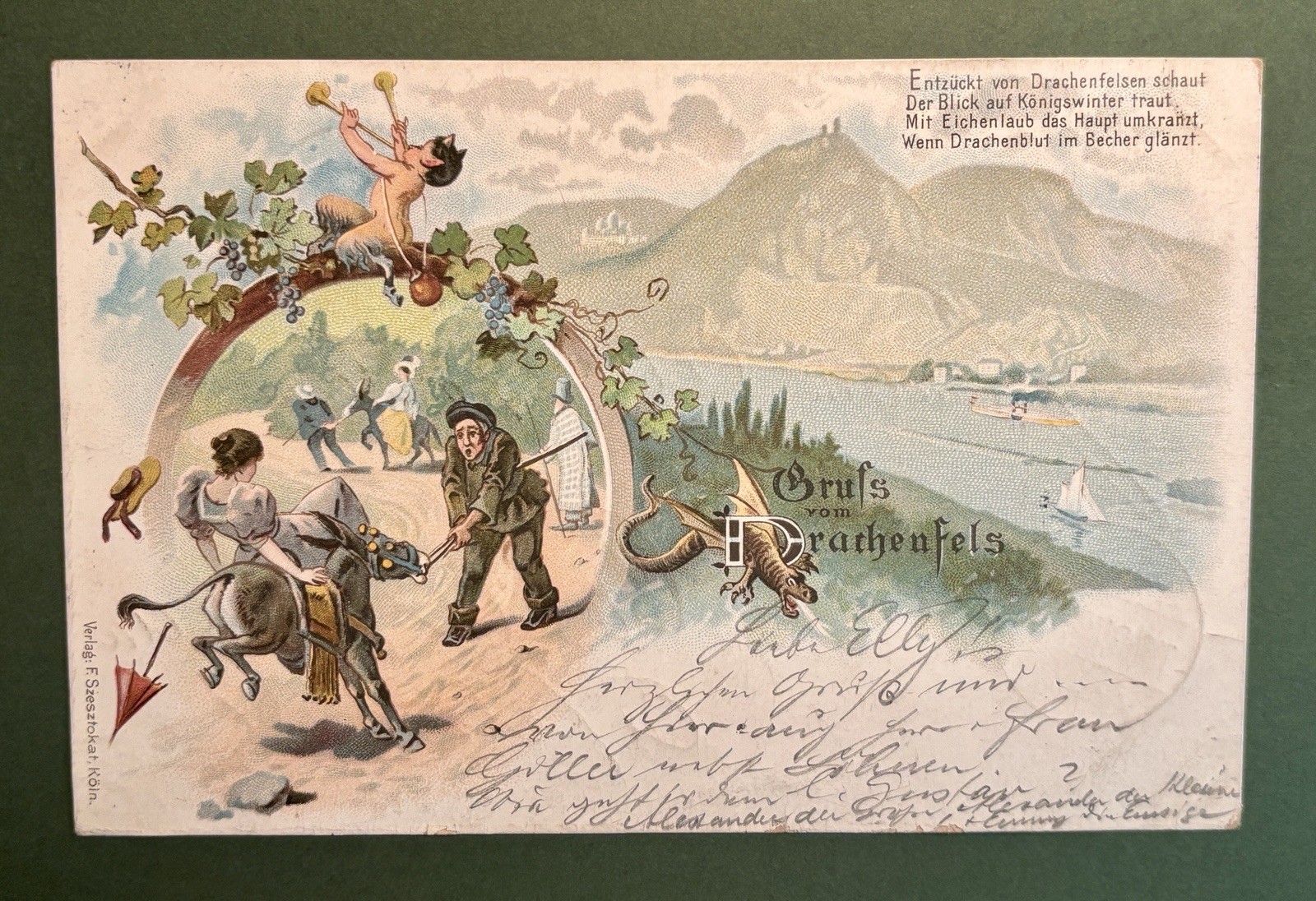 Antique Halloween Postcard Stamped 1897 Dragon Blood Vintage Knights Devil #174$24.00View on eBay
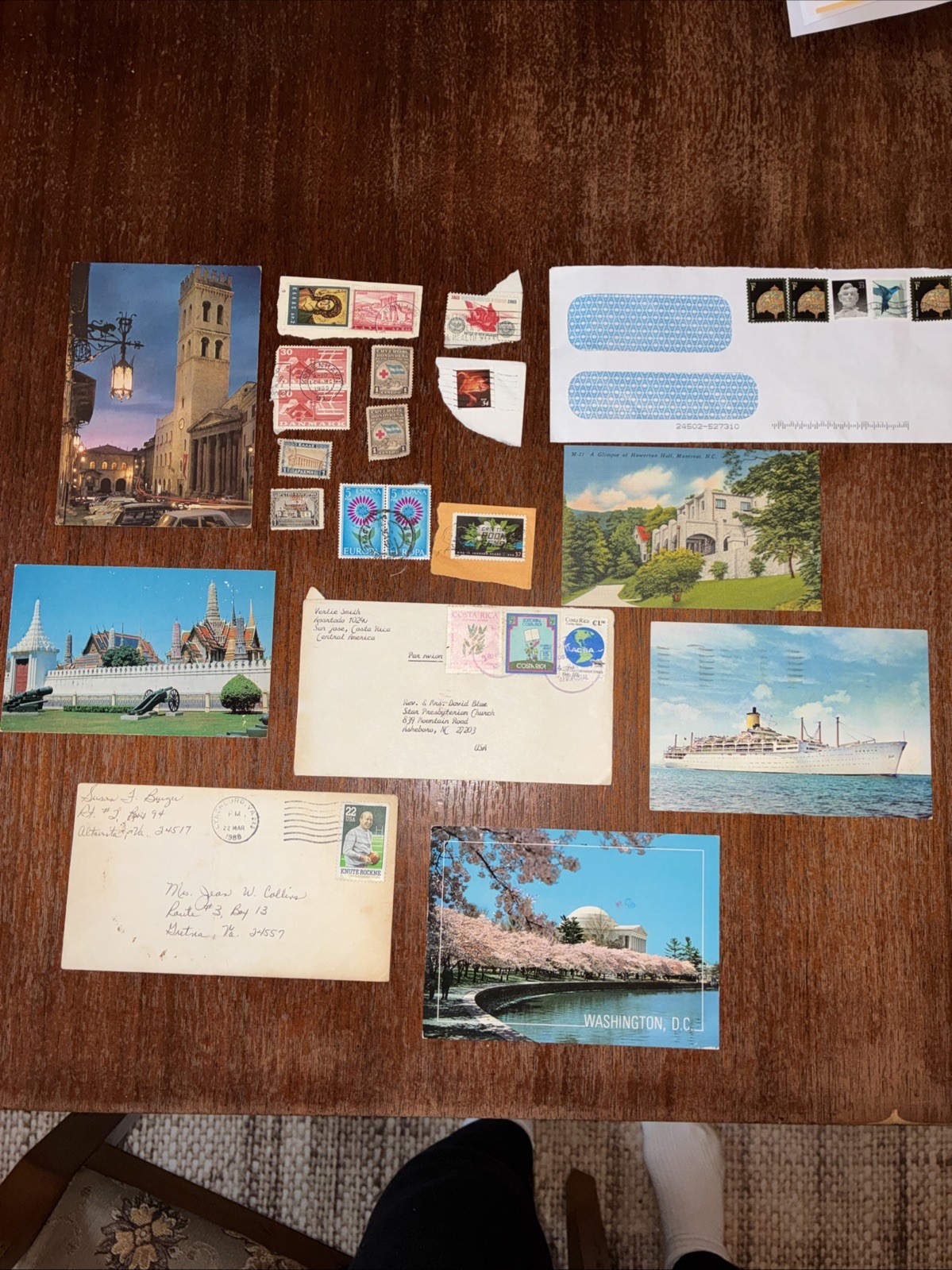 Vintage Stamps/Postcards$24.50View on eBay
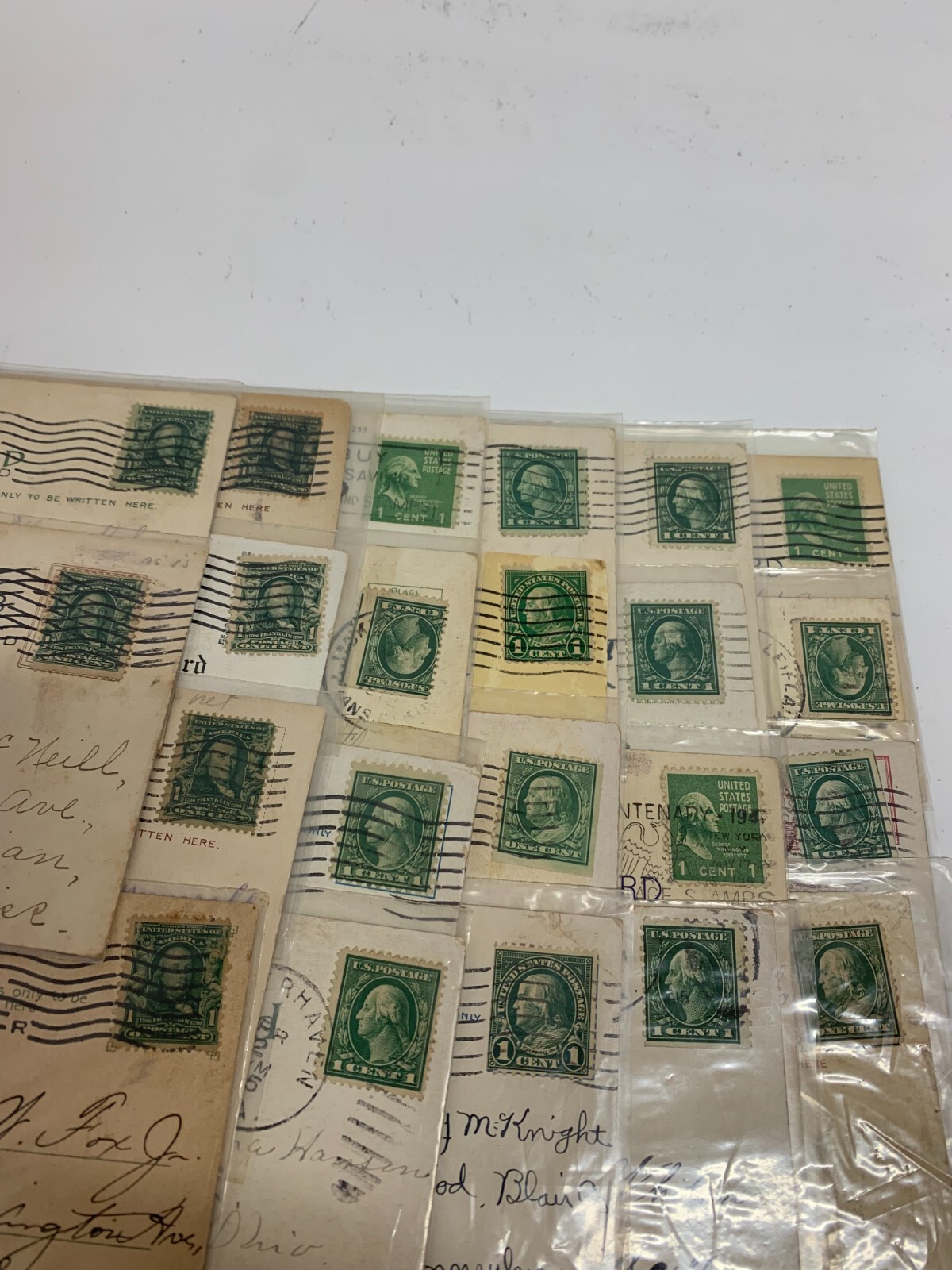 Bulk Lot of Over 26 Vintage Antique Stamps and Postcards Oldest Post Mark 1907$26.95View on eBay
Highlights
- Divided-back cards (post-1907) allow message and address on the same side; undivided-back cards are pre-1907 and command higher collector premiums.
- Real-photo postcards (RPPC) are gelatin silver prints on postcard stock, sharper and rarer than mass lithograph cards; check for silvering and mirroring in raking light.
- Embossed and airbrushed cards from the 1900-1915 golden age have raised relief and hand-tinted color; flat offset reprints lack texture under fingertip inspection.
- Original postage stamps on card (1-cent Franklin, 2-cent Washington) with legible 1900s-1920s postmarks authenticate era and add postal-history value.
Best use cases
- Best fit: collectors of a specific town or trade should buy real-photo and local-view cards with legible publisher names and postmarks; skip generic holiday greetings lots unless the artwork is embossed and pre-1920.
- Best fit: scrapbookers and journalers should buy mixed lots of used, written-on cards for authentic handwriting and stamps; skip pristine unused lots that carry collector premiums you will damage with adhesive.
- Best fit: holiday decorators should buy embossed Christmas and New Year cards with lantern, holly, and candle motifs from 1900-1915; skip modern digital-print reproductions sold as 'vintage style'.
Buying tips
- Check the back first: undivided backs are pre-1907, divided backs 1907 onward; a 'vintage' card with a glossy white modern back is a reprint.
- For real-photo cards, hold at an angle: original gelatin silver shows a faint mirror-like sheen and slight silvering at edges, while inkjet reprints look flat and dot-patterned under magnification.
- Buy stamp-on-card lots by postmark legibility: a clear 1908-1920 cancel with town name adds provenance; bleached or trimmed stamps signal damage.
- Match card size to your album: standard vintage postcards are roughly 3.5 x 5.5 inches (pre-1950s) versus modern 4 x 6 inches, so buy sleeves sized for the older format.
Specs
| Era Back Type | Undivided (pre-1907) vs Divided (1907+) |
|---|---|
| Print Method | Lithograph / Collotype / RPPC / Offset reprint |
| Card Size | ~3.5 x 5.5 in vintage vs 4 x 6 in modern |
| Postal Evidence | Stamped & postmarked vs unused blank |
Related searches
What to check before buying
- Measure your album or sleeve pockets: vintage cards run about 3.5 x 5.5 inches, so confirm your storage accepts the smaller format before buying large lots.
- Check your climate: store cards below 70°F and 50% relative humidity; avoid attics and basements where foxing and mold attack gelatin silver and paper.
- Confirm you have a UV-filtering sleeve or box: direct sunlight fades hand-tinted color and yellows paper within months.
- Decide whether you want used (stamped, written) or unused cards: used cards carry postal history but may have creases, while unused lots carry higher collector premiums.
FAQ
Data sources: eBay / Amazon listings and product attribute feeds. Updated Nov 23, 2026.
Some links on this page are affiliate links. If you buy after clicking one, we may earn a commission at no extra cost to you. This does not change which products appear here or their order. Affiliate disclosure.