

Photos from current listings. Actual item, color, and included accessories may vary.
Rare Stamp Buying Guide
Rare stamps are collectible postage issues valued for scarcity, condition, and historical significance, where the primary trade-off is authenticity and grading rigor versus price. The decision rule: buy only certified examples (expert committee or recognized grading service) with clear provenance and return rights; uncertified lots with vague rarity claims are speculative accumulations, not collectible assets.
At a glance
- Category
- Stamps & Postcards
- Last updated
- Nov 23, 2026
Current offers
Highlights
- Scarcity tiers follow known print quantities and survival rates: a stamp with a catalog value in the thousands typically has fewer than a few thousand surviving examples, while common 19th-century issues survive in the millions despite age.
- Condition determines value more than age: unused (mint never hinged) can be worth several times a used copy, and a single pulled perf, thin, or heavy cancel can cut value by half or more.
- Certification from a recognized expert committee (e.g., APS-affiliated or equivalent national body) authenticates gum, perforations, and repairs; certificates are the standard proof for high-value singles.
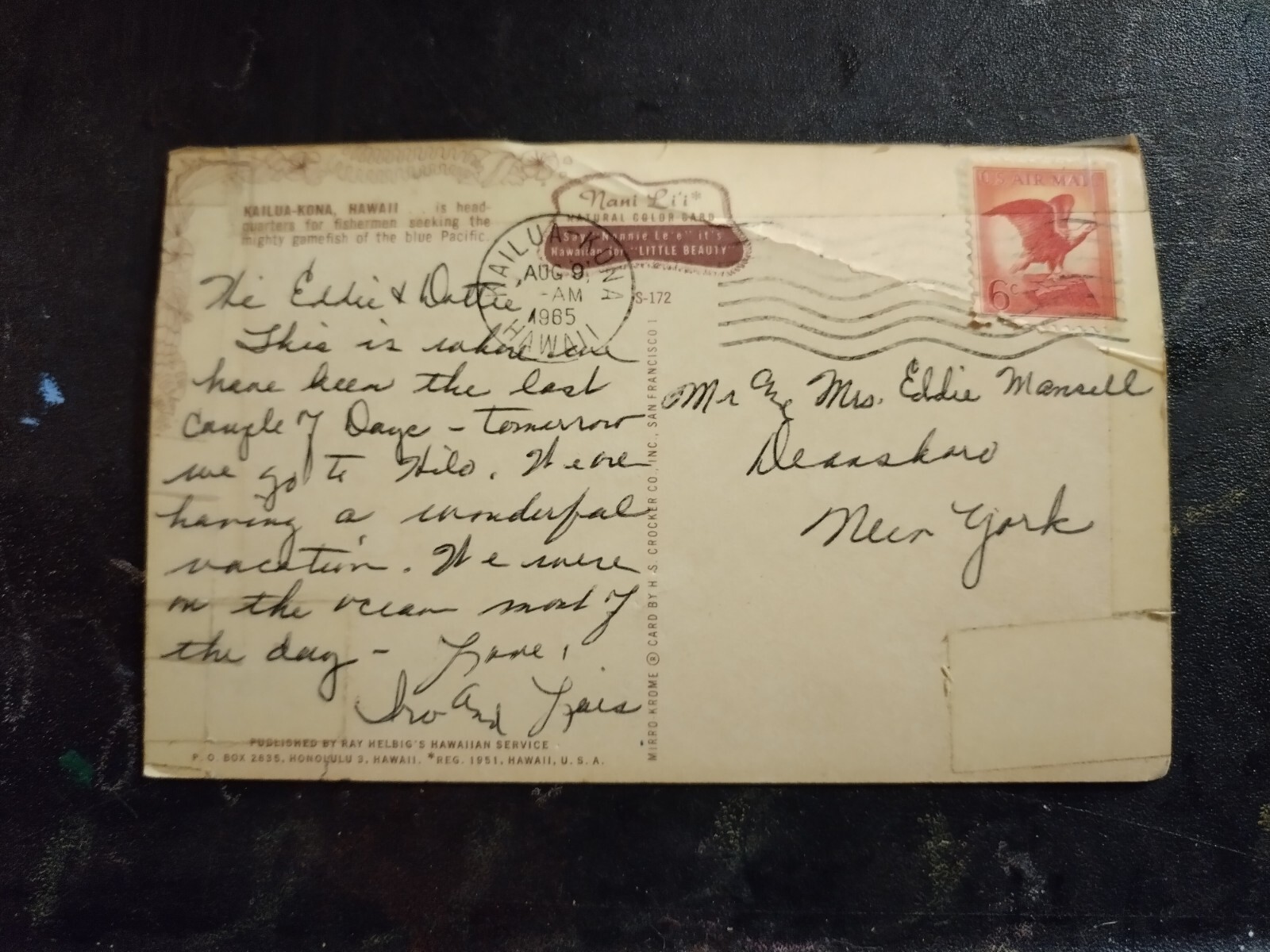
- Lots mixing postcards with stamps are usually estate accumulations — rare stamps appear as individual certified singles or specialized collections, not as bulk paper lots.
Best use cases
- Best fit: a certified single or small specialized collection for a focused country/era; skip bulk 'rare stamp' postcard lots, which are ephemera accumulations with unverified stamps.
- Best fit: a collector completing a classic-era set — buy key dates individually with certificates rather than chasing mixed lots that hide faults.
- Best fit: an investor seeking tangible scarcity — pick top-condition, certified, low-survival issues; skip mid-grade common stamps even if marketed as 'rare'.
- Wrong fit: a beginner wanting a broad starter collection — start with a country-specific album of common issues; rare singles require grading knowledge and authentication budget.
Buying tips
- Match catalog number and grade before bidding: a Scott (or equivalent) number plus a stated grade (e.g., VF) narrows value; unlisted varieties and 'unchecked' lots carry authentication risk.
- Check perforation gauge and watermark against the catalog listing — missing or trimmed perfs and wrong watermarks are the most common undisclosed faults in raw stamps.
- For mint stamps, confirm gum condition (never hinged vs hinged vs regummed); regummed or hinged examples should price well below never-hinged catalog values.
- Prefer lots with clear return windows and provenance (old auction lot tags, collector marks); provenance raises both confidence and resale liquidity.
Specs
| Grade Scale | Poor to Superb (VF-XF typical) |
|---|---|
| Condition Terms | Mint NH / Mint H / Used / CTO |
| Authentication | Expert committee certificate |
| Key Faults | Thins / tears / regum / pulled perfs |
Related searches
What to check before buying
- Verify the stamp's catalog number and grade against a standard catalog before buying; raw unlisted material needs expert review.
- Confirm certification status — certificate number, issuing committee, and date — and cross-check that the certificate matches the exact item.
- Inspect scans at high resolution for thins, tears, creases, and re-gumming; request back scans for any item above entry-level value.
- For collections or lots, confirm storage condition (acid-free mounts, no tape or paper residue) and that postcards/ephemera are not being sold as stamp value.
FAQ
Data sources: eBay / Amazon listings and product attribute feeds. Updated Nov 23, 2026.
Some links on this page are affiliate links. If you buy after clicking one, we may earn a commission at no extra cost to you. This does not change which products appear here or their order. Affiliate disclosure.