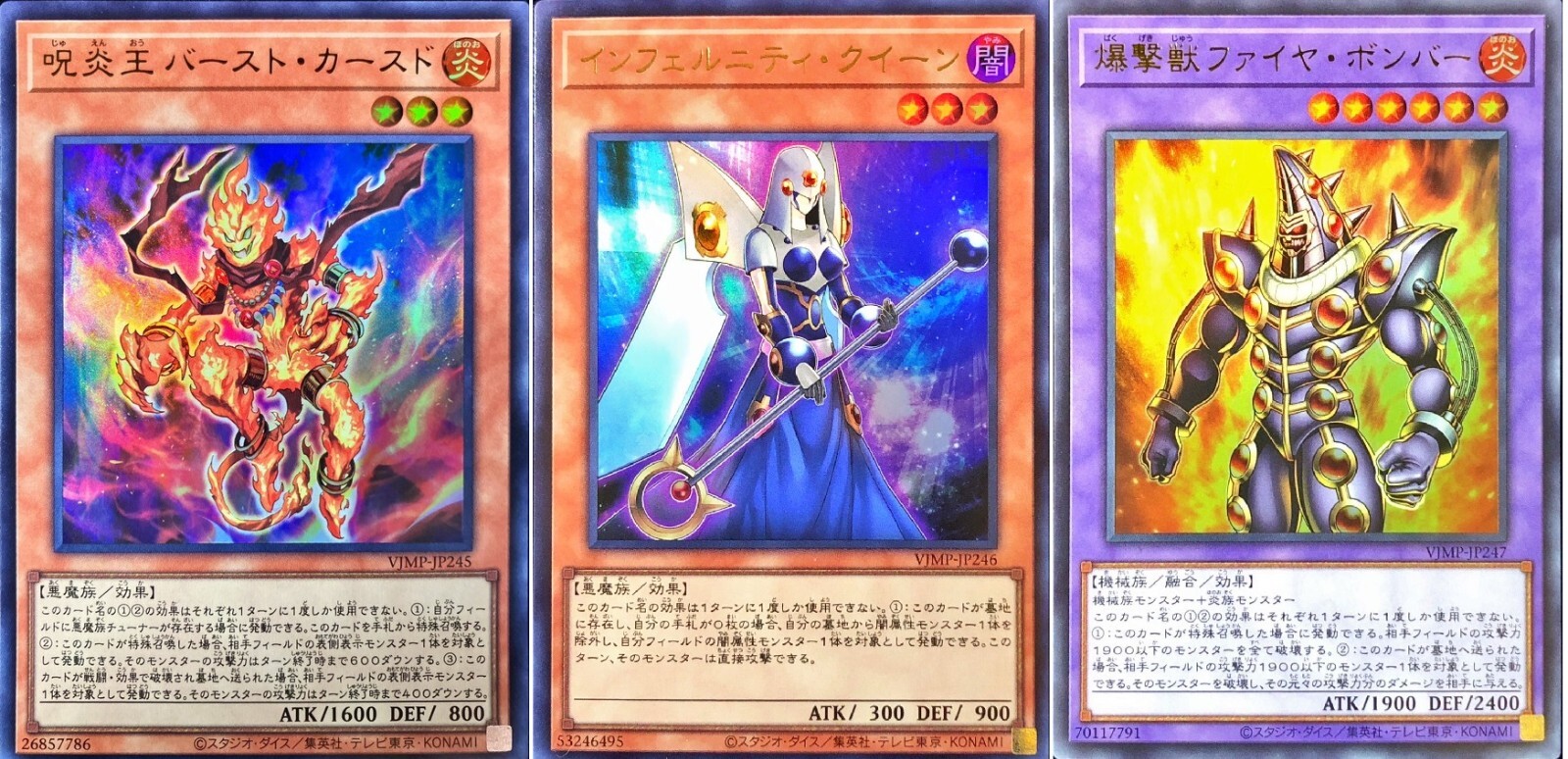

Photos from current listings. Actual item, color, and included accessories may vary.
Yugioh Card Buying Guide
Yu-Gi-Oh! cards are collectible trading cards with distinct rarity tiers, print generations, and tournament legality rules that determine both play value and collector demand. The core trade-off is between sealed/raw modern staples (cheap, liquid, format-dependent) and high-grade vintage holos (scarce, condition-sensitive, authentication-heavy). The decision rule: buy modern singles for play, buy graded vintage only with verified PSA/BGS population data and serial-checked authenticity.
At a glance
- Category
- Pop Culture Collectibles
- Last updated
- Nov 23, 2026
Current offers
Highlights
- Rarity hierarchy: Common < Rare < Super < Ultra < Secret < Ultimate < Ghost < Starlight; foiling pattern and pull rate drive secondary value more than card text.
- Print generation matters: 1st Edition, Limited Edition, and Unlimited printings of the same card differ in collector value; 1st Ed. vintage holos carry the largest premiums.
- Tournament legality splits the market: Advanced Format banlist, Speed Duel, and Rush Duel cards are not interchangeable; TCG and OCG printings are region-locked and not legal together.
- Condition grading: raw cards are graded NM/LP/MP/HP; professional slabs from PSA, BGS, or CGC convert condition into a numeric grade that anchors resale liquidity.
Best use cases
- Competitive play on a budget: buy near-mint Unlimited or reprint singles of format staples; skip 1st Edition vintage holos, which carry collector premiums with no gameplay advantage.
- Vintage collection or investment: target 1st Edition holos from early core sets in PSA 8+ or BGS 8.5+ slabs; skip raw 'mint' claims without corner/edge/surface photos.
- Casual binder building or deck nostalgia: pick Unlimited prints and character-themed reprints; skip graded slabs, which add cost and bulk without play value.
- Sealed product holding: choose factory-sealed booster boxes from discontinued sets with intact shrink and no reseal seams; skip loose packs and repacks.
Buying tips
- Confirm set code and print run in the card's bottom-left identifier (e.g., LOB-EN001); the same card name can exist across dozens of sets with wildly different values.
- Match region: TCG cards (EN/DE/FR/IT/PT/SP) are legal in TCG events; OCG Japanese cards cannot be mixed into TCG decks or tournament play.
- For play, buy NM singles and check the banlist status first; a banned staple has near-zero competitive value regardless of rarity.
- For grading ROI, compare raw NM price plus grading fee against recent sold prices for the exact grade tier; only grades 9-10 on vintage holos reliably command premiums.
Specs
| Rarity Tier | Common to Starlight Rare |
|---|---|
| Print Edition | 1st / Limited / Unlimited |
| Region Legality | TCG (EN/DE/FR/IT/PT/SP) vs OCG |
| Condition Grade | Raw NM-LP or PSA/BGS/CGC slab |
Related searches
What to check before buying
- Verify set code, edition (1st/Limited/Unlimited), and region (TCG vs OCG) against the card's printed identifier before buying.
- Request front and back photos under angled light to inspect holo scratches, edge whitening, and centering before committing to raw vintage cards.
- For slabs, confirm the cert number on the PSA/BGS/CGC website matches the label and card, and check the population report for that grade.
- For sealed product, confirm factory shrink integrity, box weight consistency, and absence of reseal seams or third-party repack markings.
FAQ
Data sources: eBay / Amazon listings and product attribute feeds. Updated Nov 23, 2026.
Some links on this page are affiliate links. If you buy after clicking one, we may earn a commission at no extra cost to you. This does not change which products appear here or their order. Affiliate disclosure.