
Photos from current listings. Actual item, color, and included accessories may vary.
Comic Book Box With Art Buying Guide
Comic storage boxes with art combine archival protection with display appeal, but the art panel is usually a laminated wrap over standard corrugated cardboard, so protection depends on the board grade and lining, not the artwork. The real trade-off is acid-free buffered construction and rigid stacking strength versus decorative print quality. Buyers should prioritize board grade, lining, and fit over art: a plain acid-free short box beats a pretty unbuffered one for long-term preservation.
At a glance
- Category
- Comic Storage Boxes
- Last updated
- Nov 23, 2026
Current offers
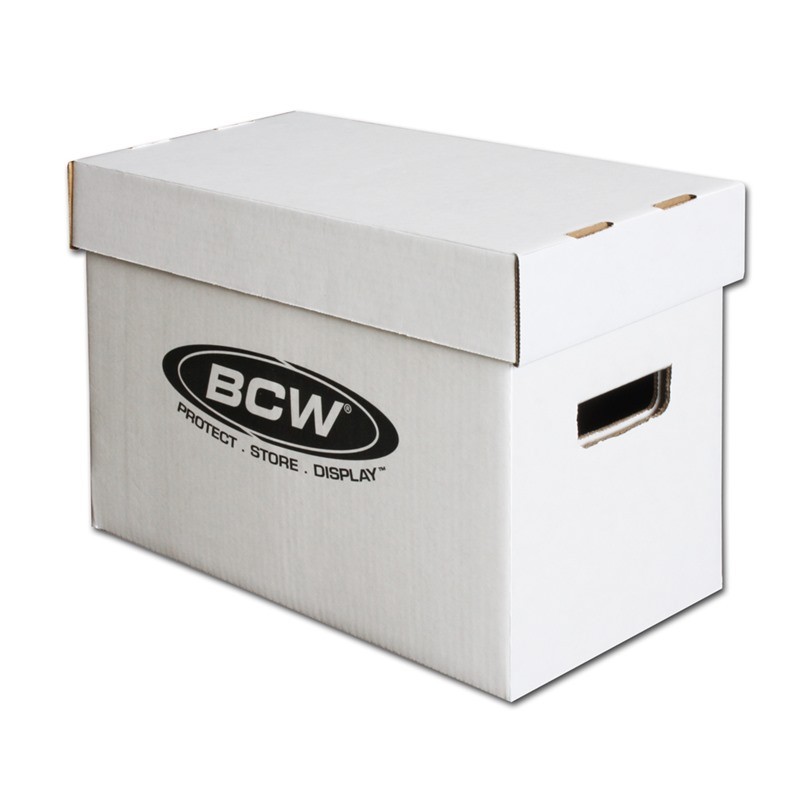 1 BCW Short Comic Book Storage Box$18.99View on eBay
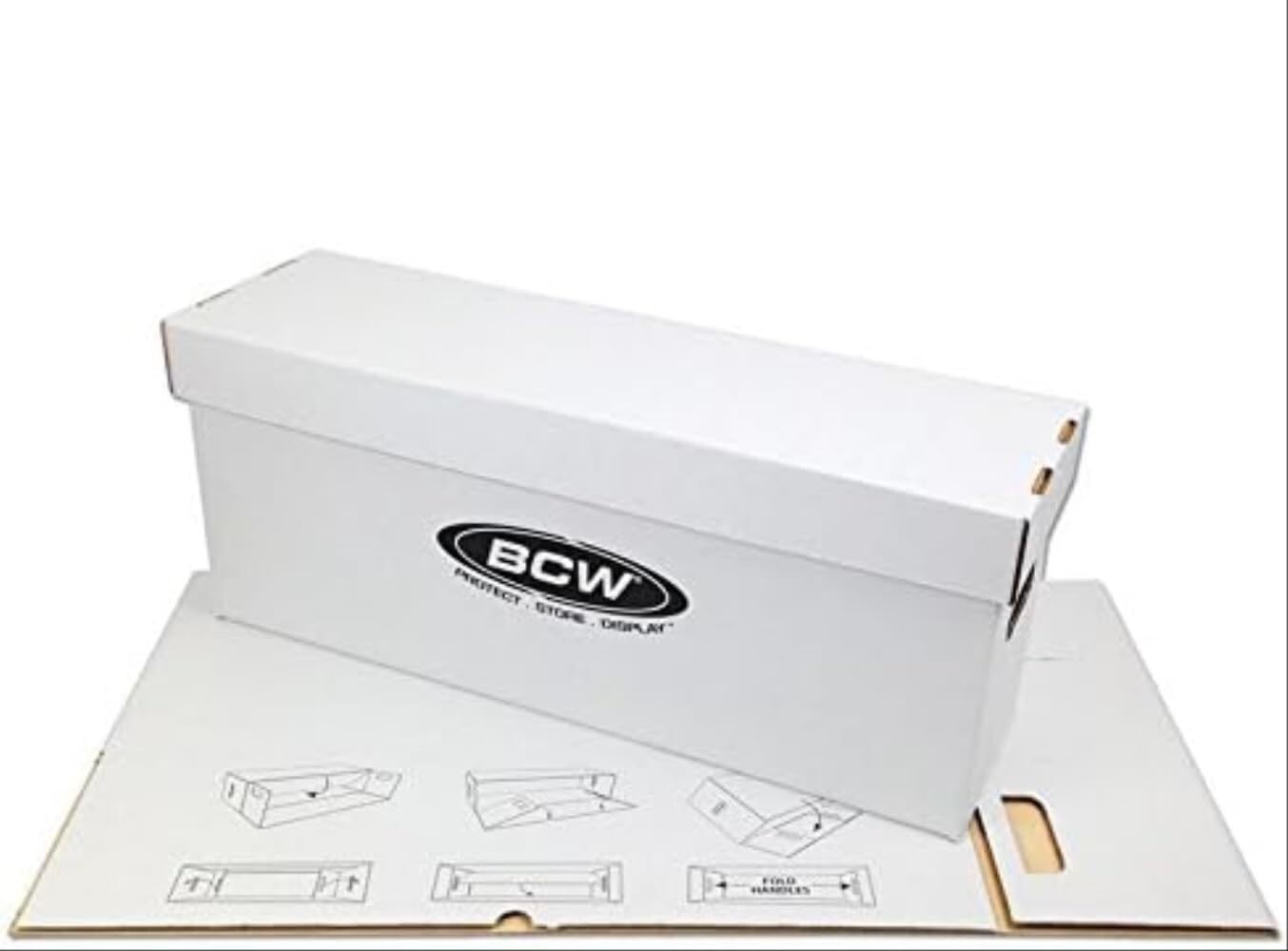 Comic Book New Storage Box LONG 1 BCW Holds 200-225 Stackable Free US Shipping$22.31View on eBay
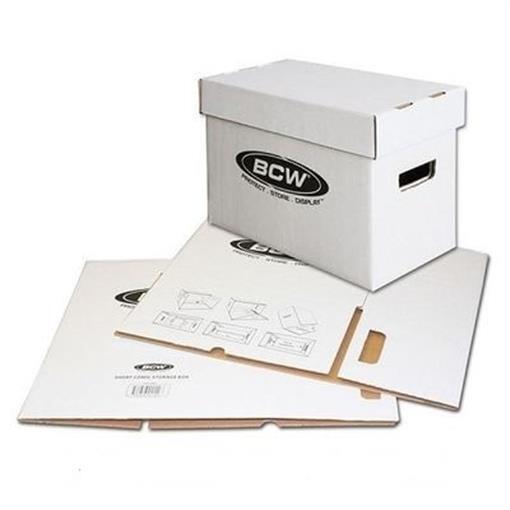 Comic Book Storage Box 1 Short BCW Holds 150 175 Stackable Cardboard Archive Lid$22.94View on eBay
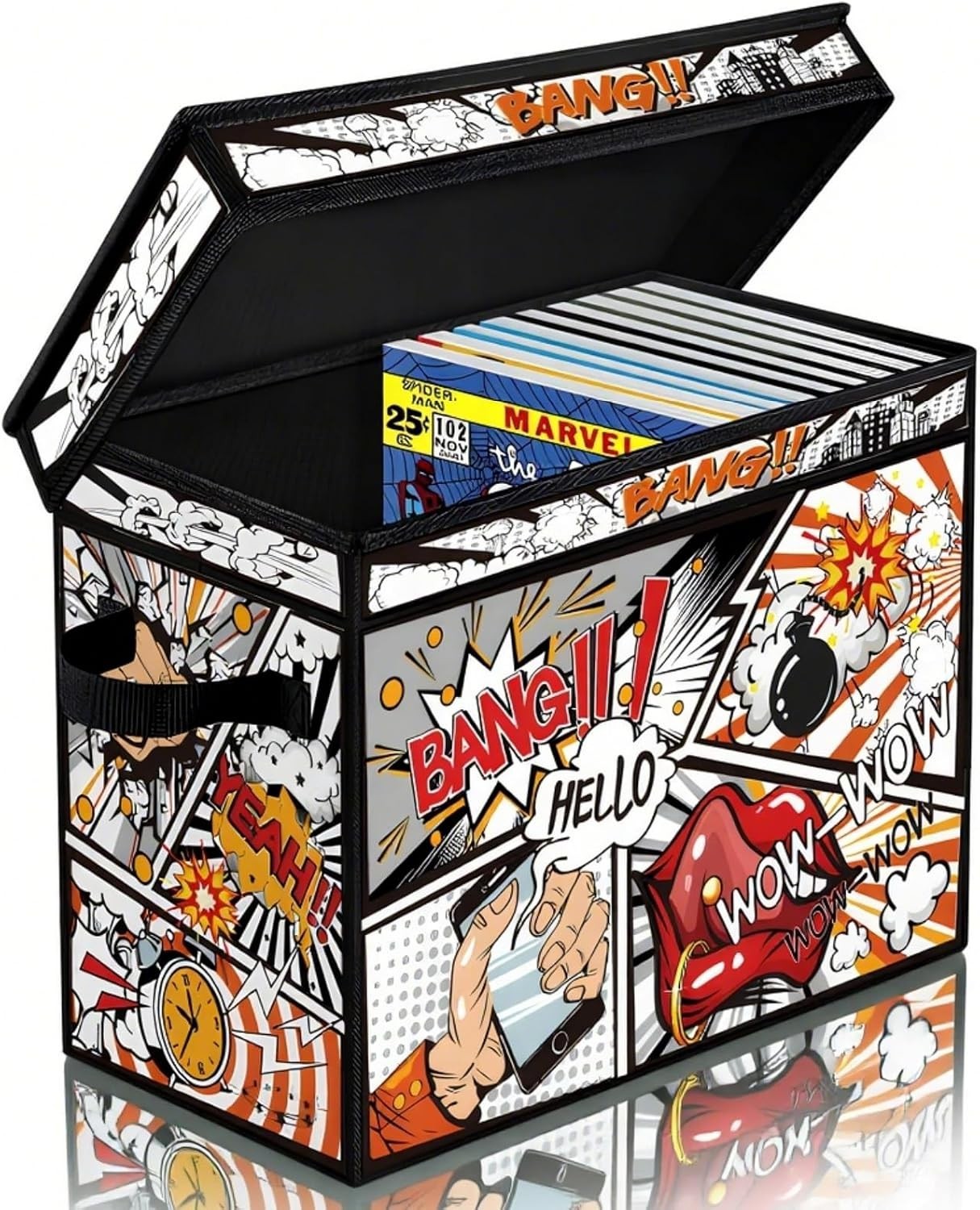 Comic Book Storage Box, 15.3" X 7.8" X 11.8" Large Comic Book Case, Oxford Fabri$22.99View on eBay
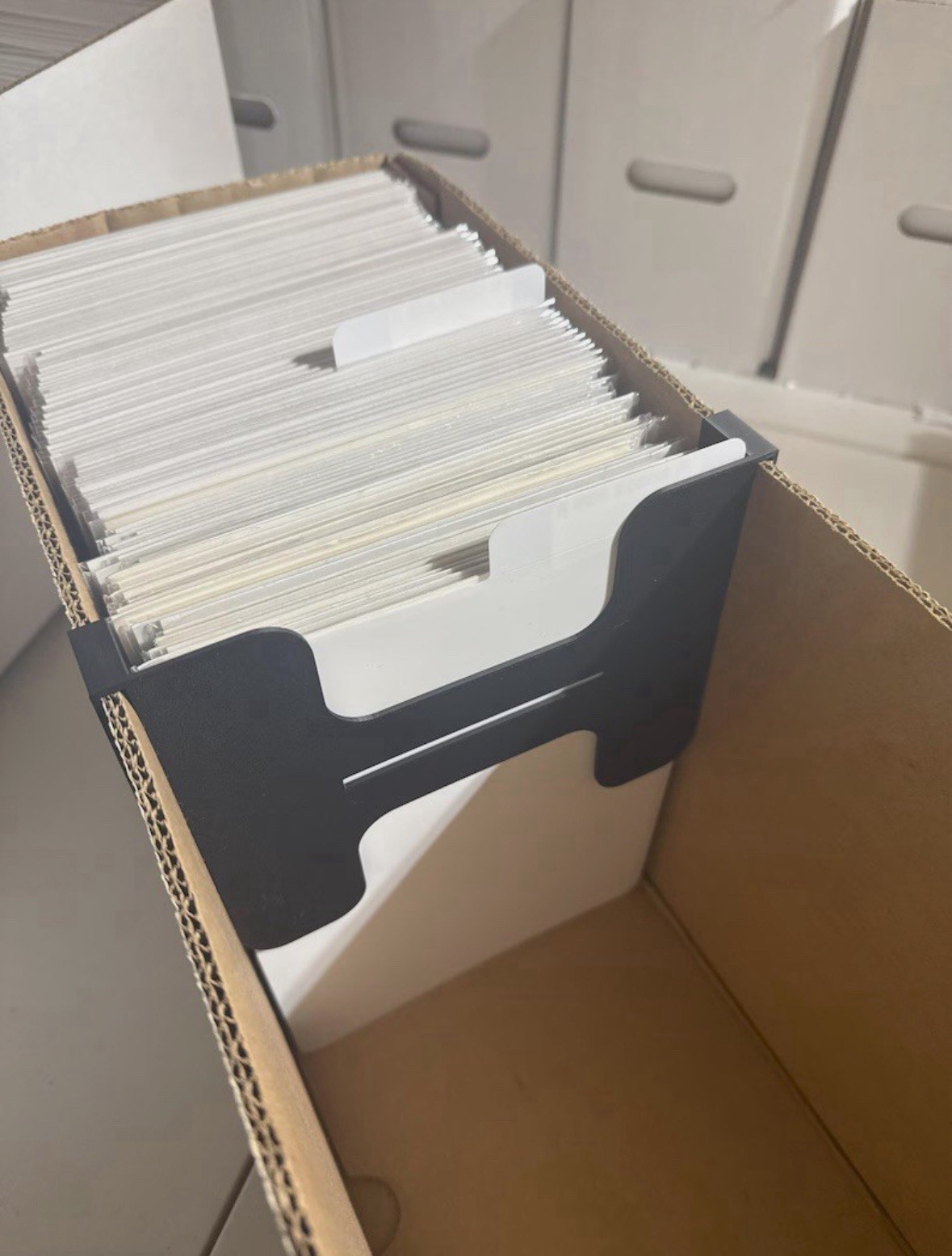 5 Comic Book Stopper - Keep Your Comics Upright! - Fits Short and Long Boxes!$24.99Last checked Nov 21, 2026View on eBay
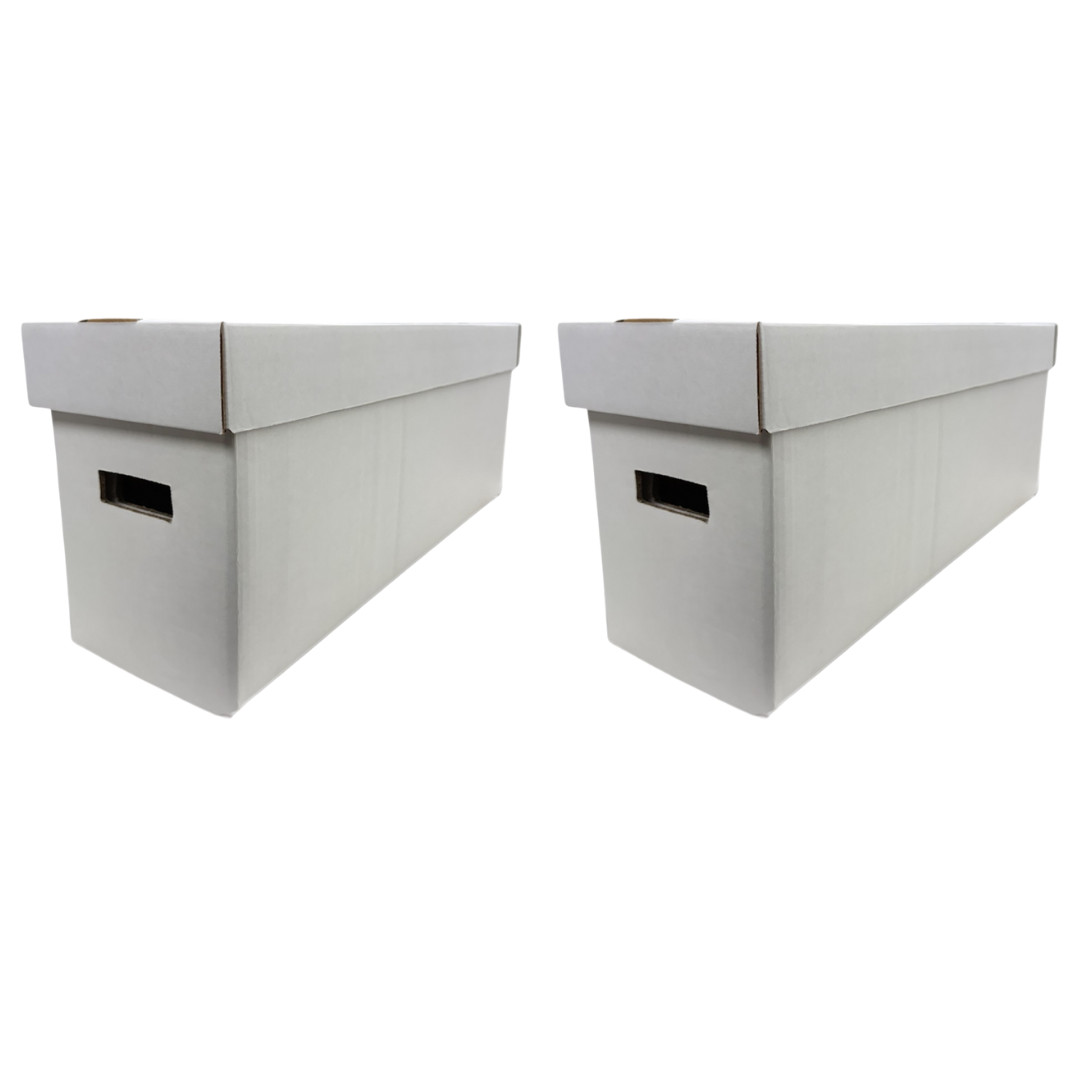 2 Long Comic Book Box • Comic Storage Boxes Holds 200–225 Comics Box Woodhaven$35.99Last checked Nov 21, 2026View on eBay
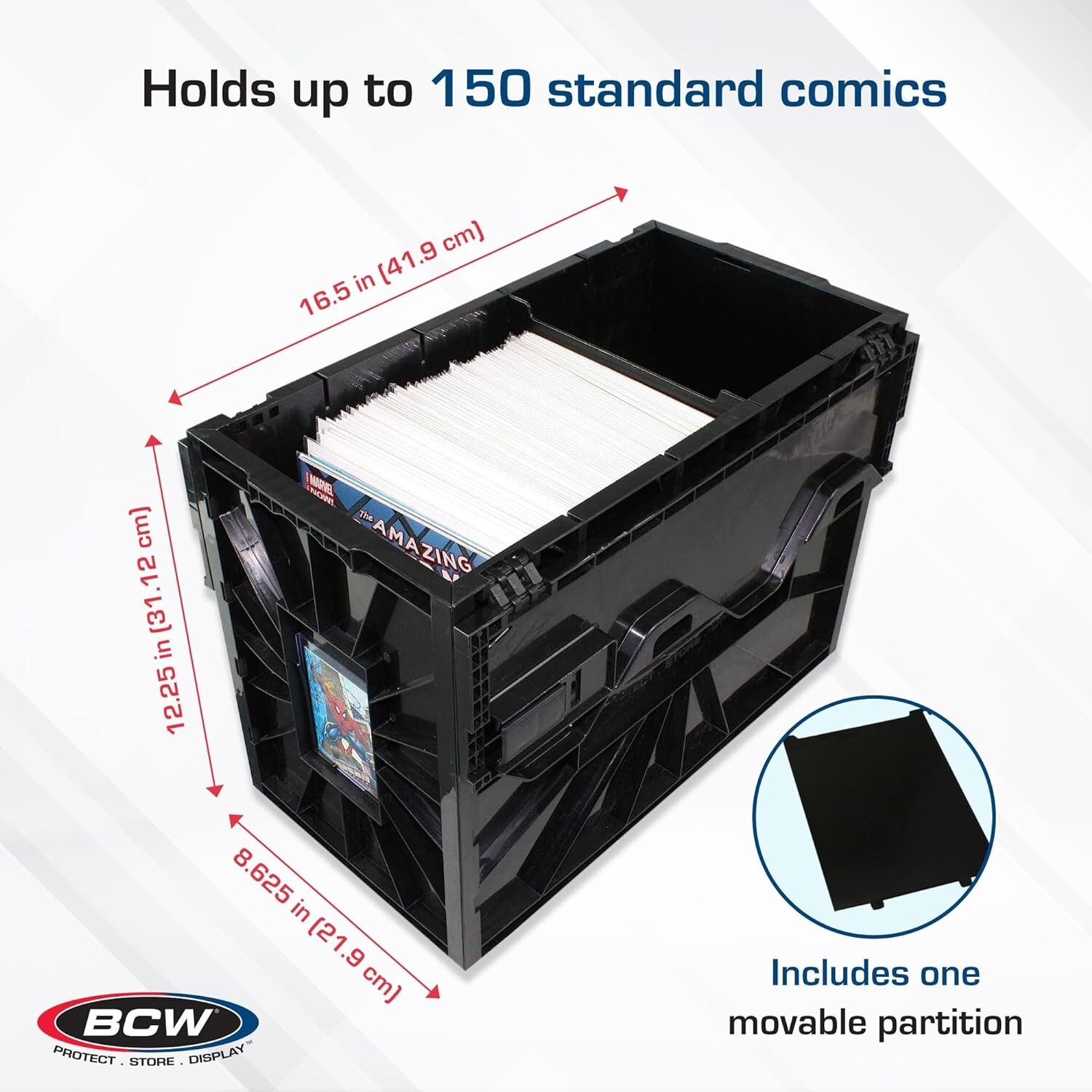 1 BCW BLACK Short Comic Book Bin - Heavy Duty Acid Free Plastic Stackable Box$35.99View on eBay
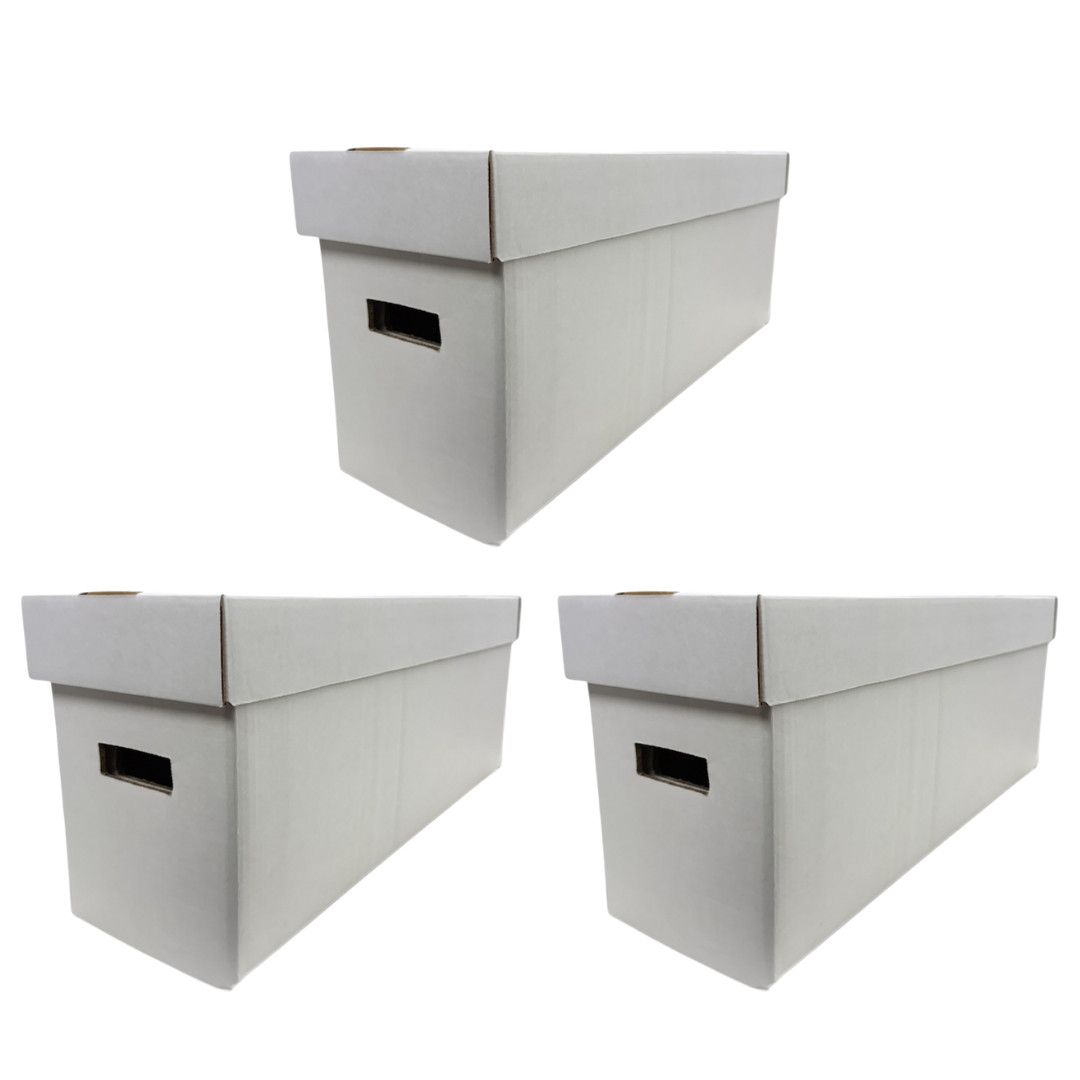 3 Long Comic Book Box • Comic Storage Boxes Holds 200–225 Comics Box Woodhaven$38.37View on eBay
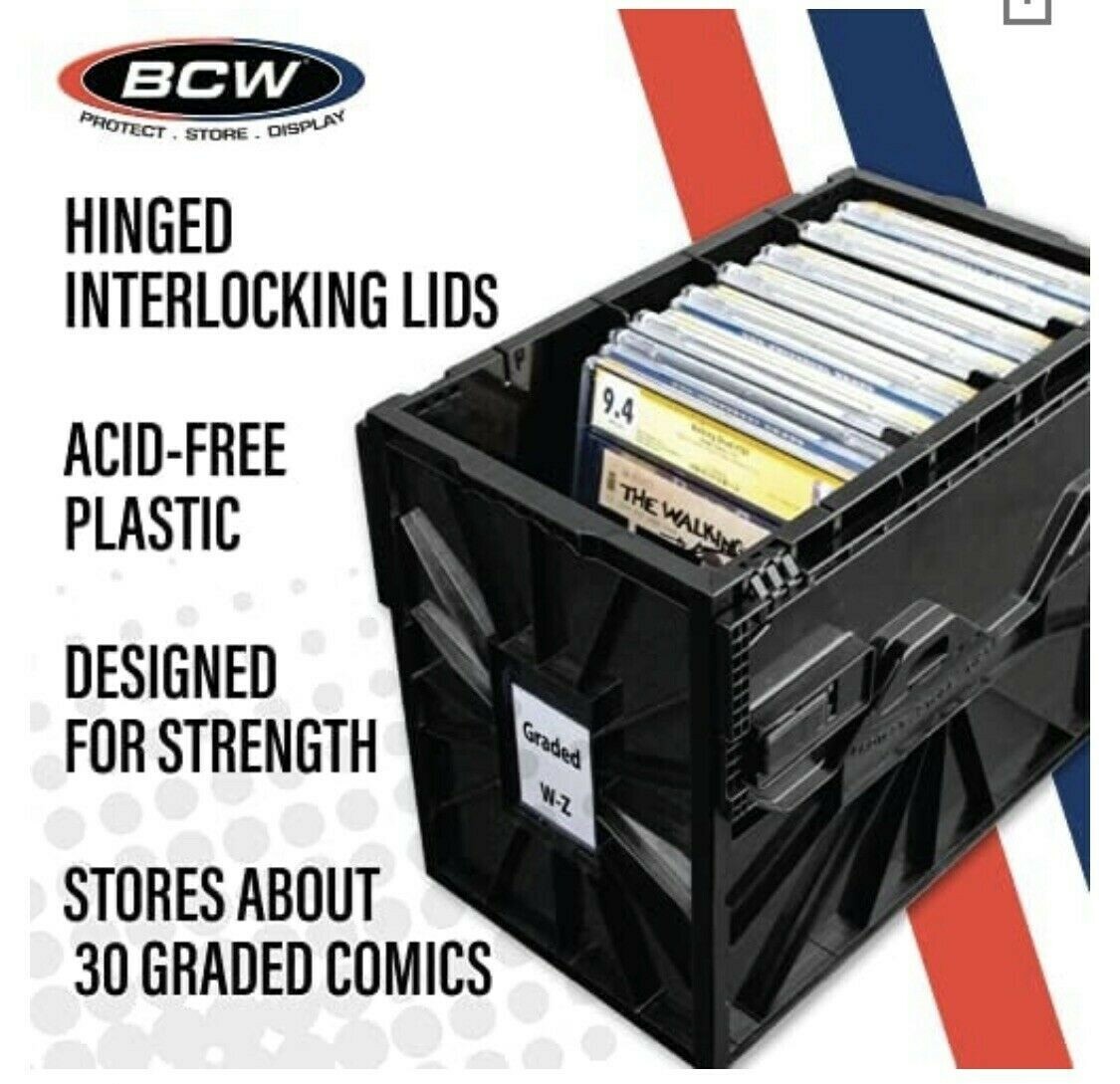 BCW Graded Certified Comic Book Storage Plastic Bin Stackable Box Heavy Duty CGC$48.35View on eBay
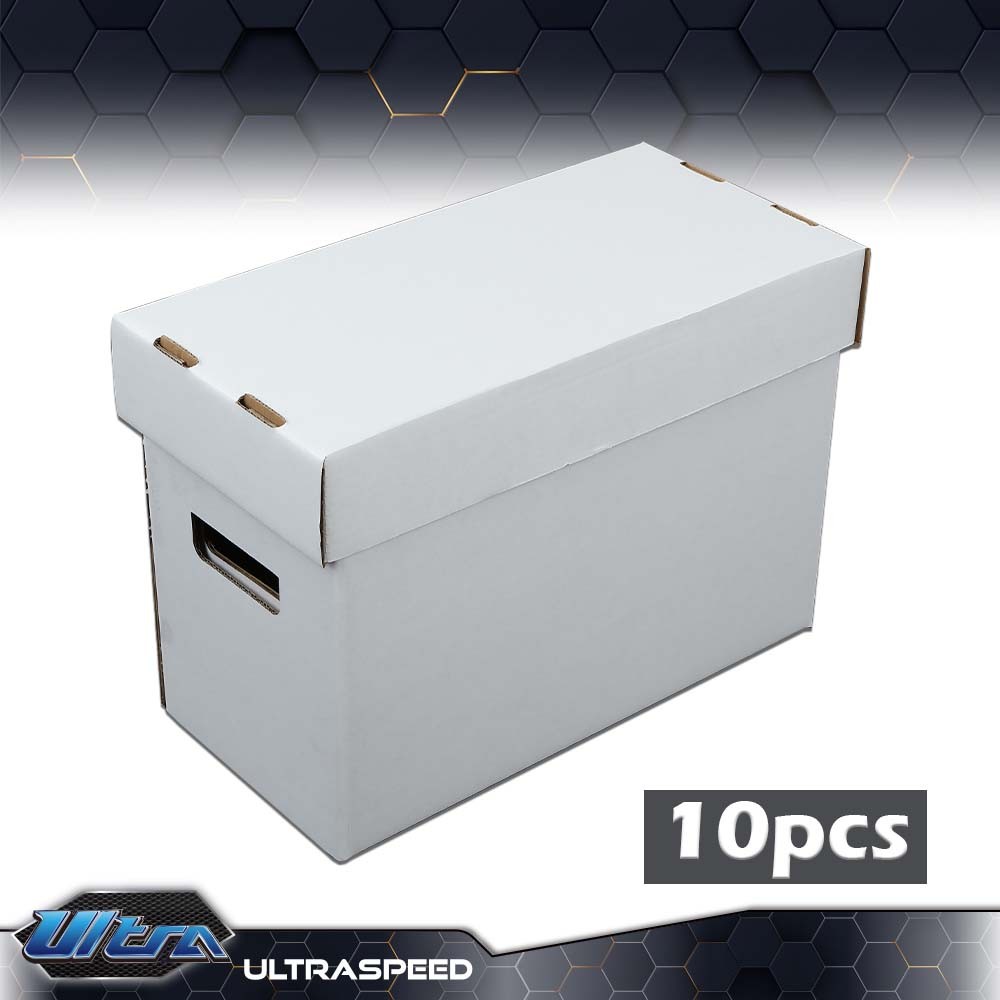 3/5/10x Comic Books Storage Boxes Short Holds 150-175 Stackable Durable Archive$50.69View on eBay
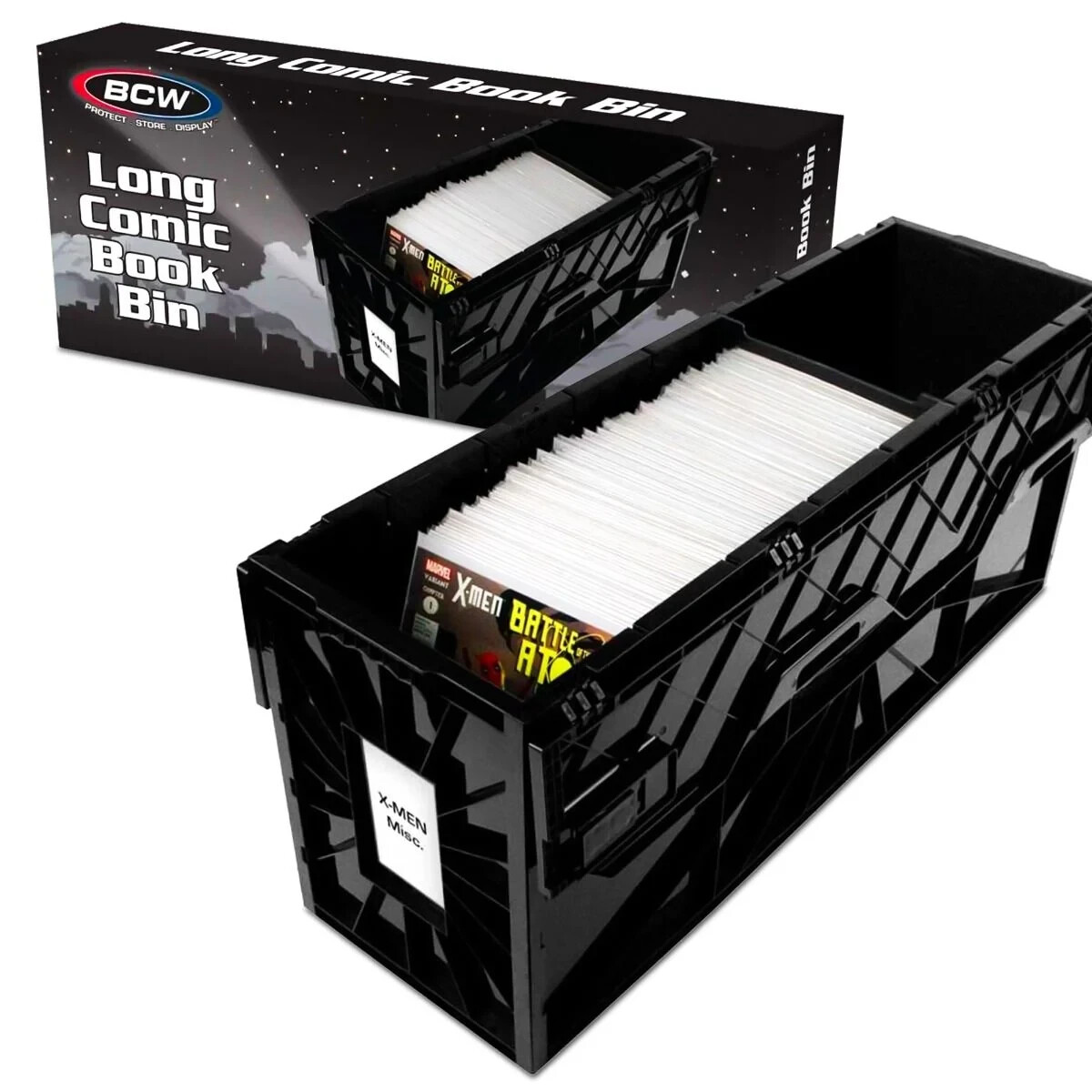 BCW Black Long Comic Book Box Bins Heavy Duty Acid Free Plastic Holds 300 Comics$56.25View on eBay
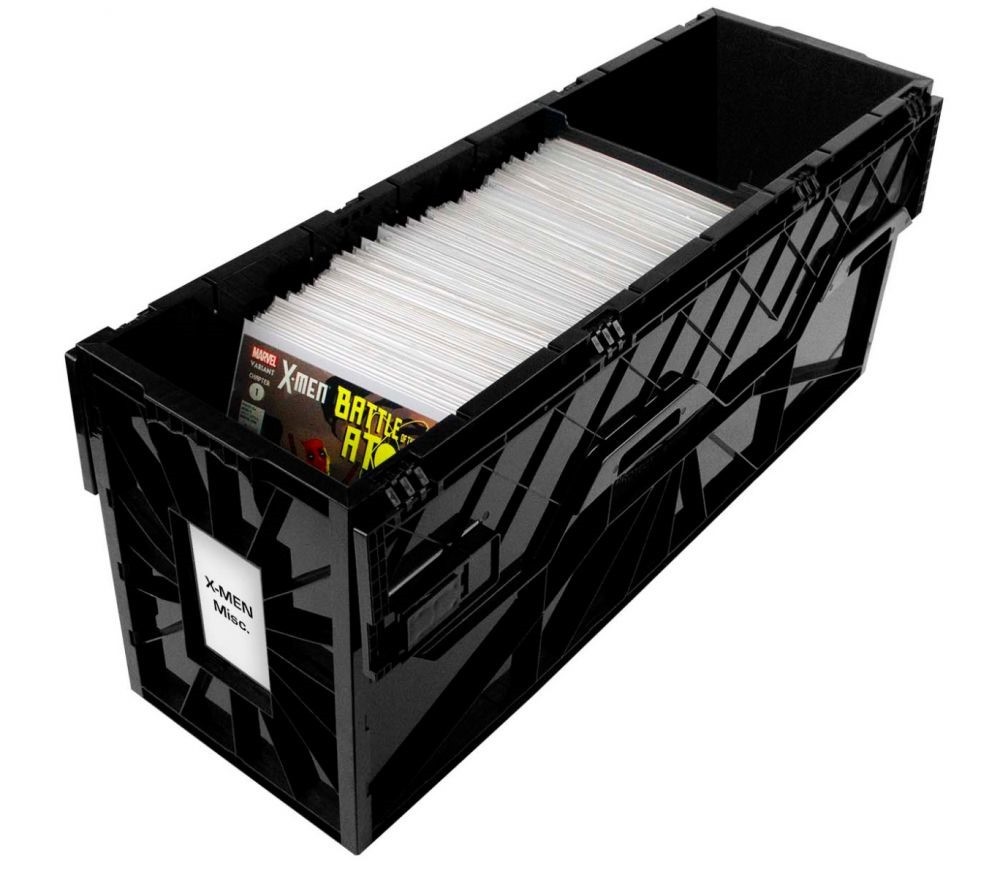 BCW LONG Comic Book Storage Box Bin Heavy Duty Plastic Stackable Hold 300 Bags$56.42View on eBay
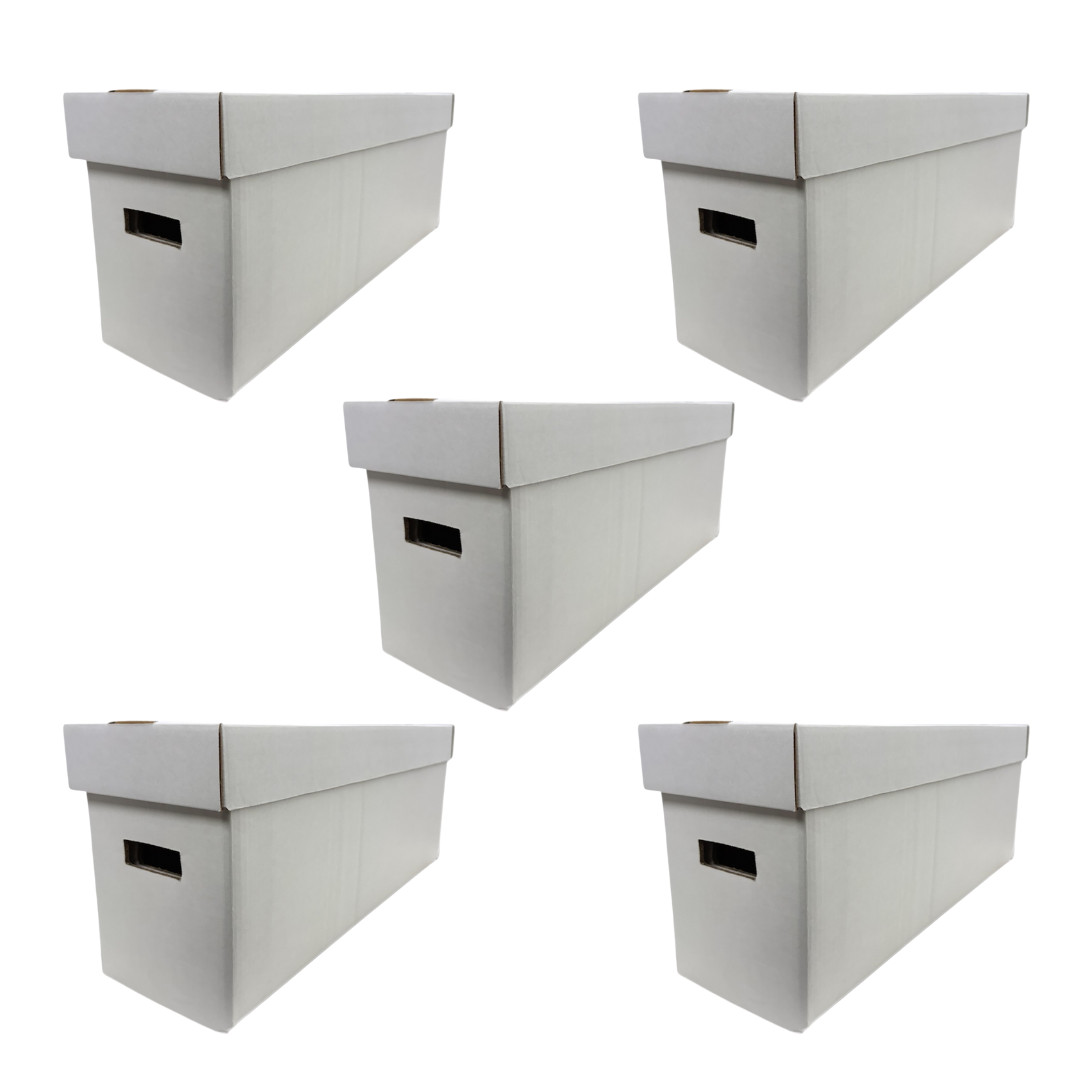 5 Long Comic Book Box • Comic Storage Boxes Holds 200–225 Comics Box Woodhaven$57.56View on eBay
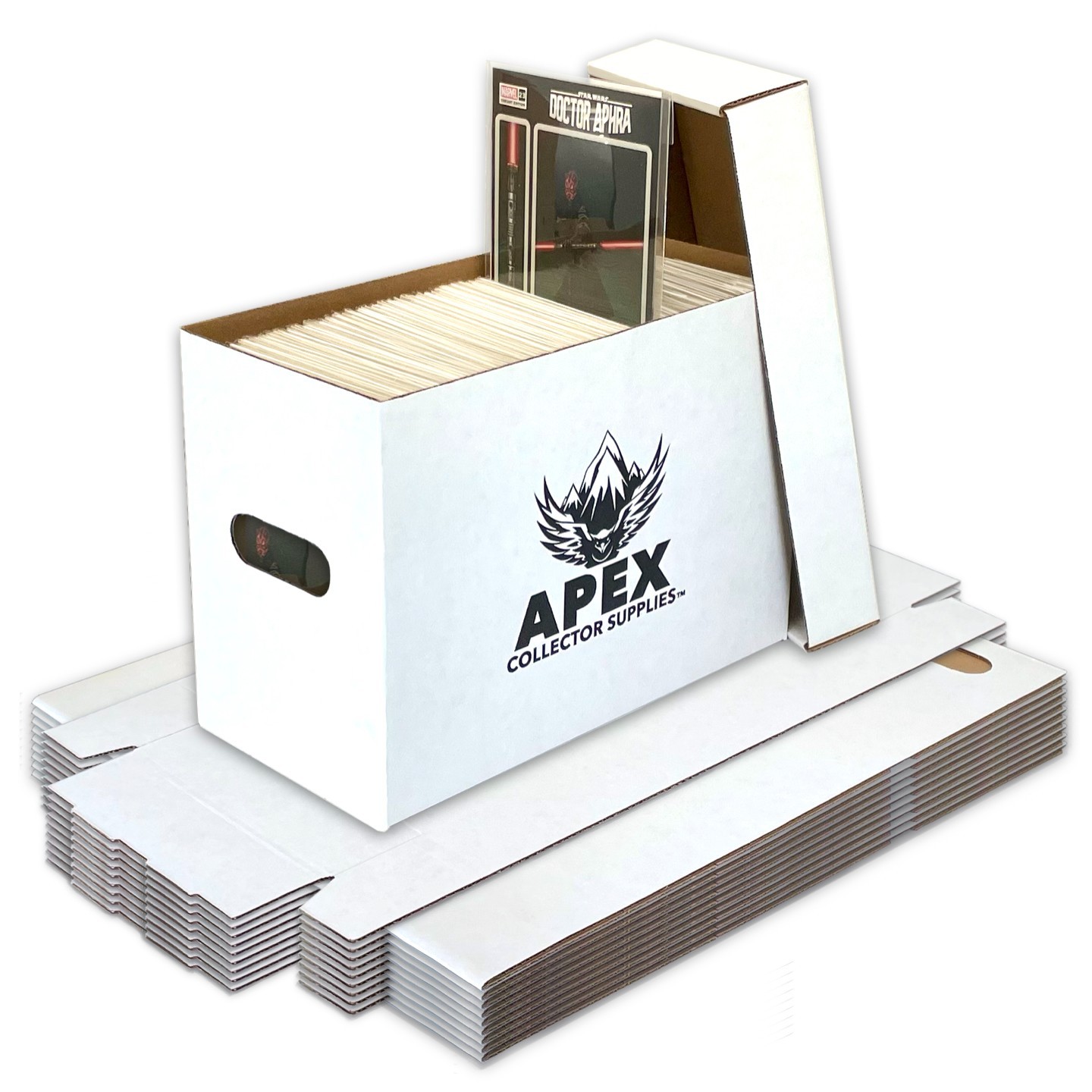 3/5/10 APEX Short Comic Book Storage Boxes Holds 150-175 Stackable Archival$64.99View on eBay
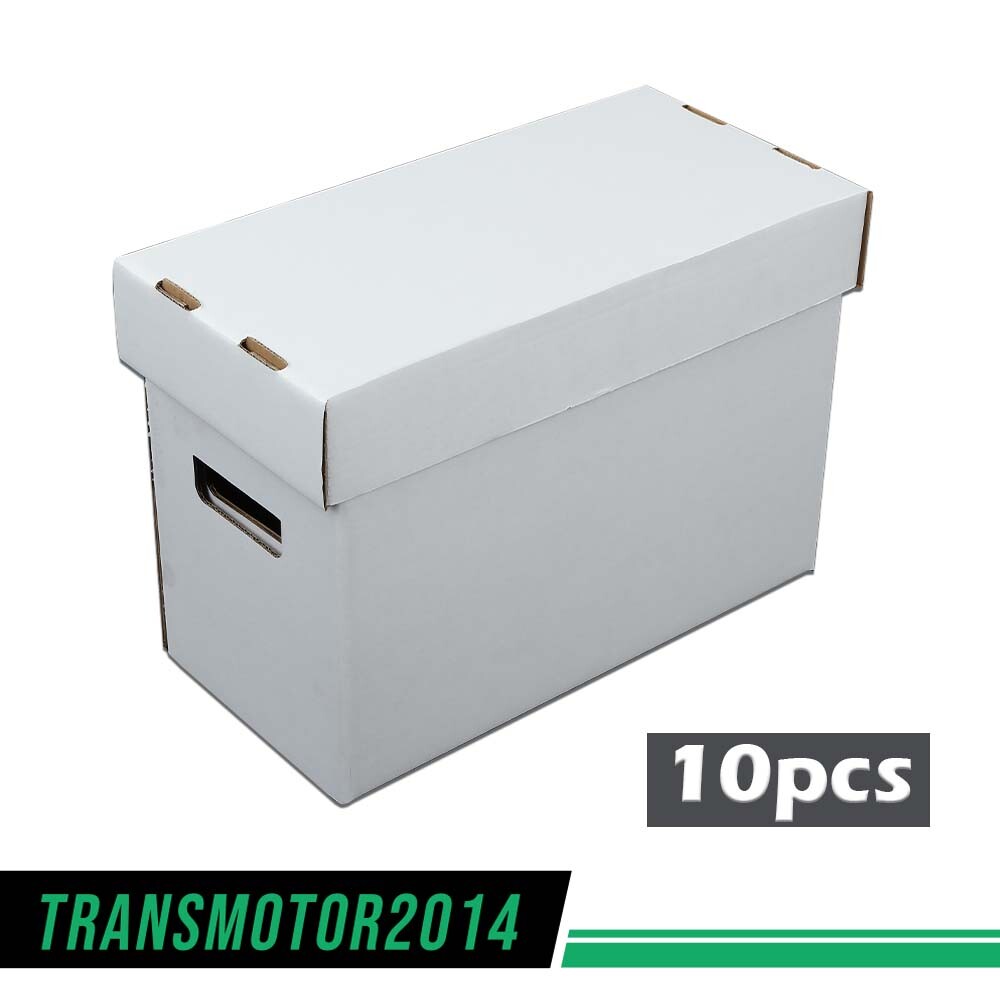 10Pcs Comic Books Storage Boxes Short Holds 150-175 Stackable Durable Archive US$69.89View on eBay
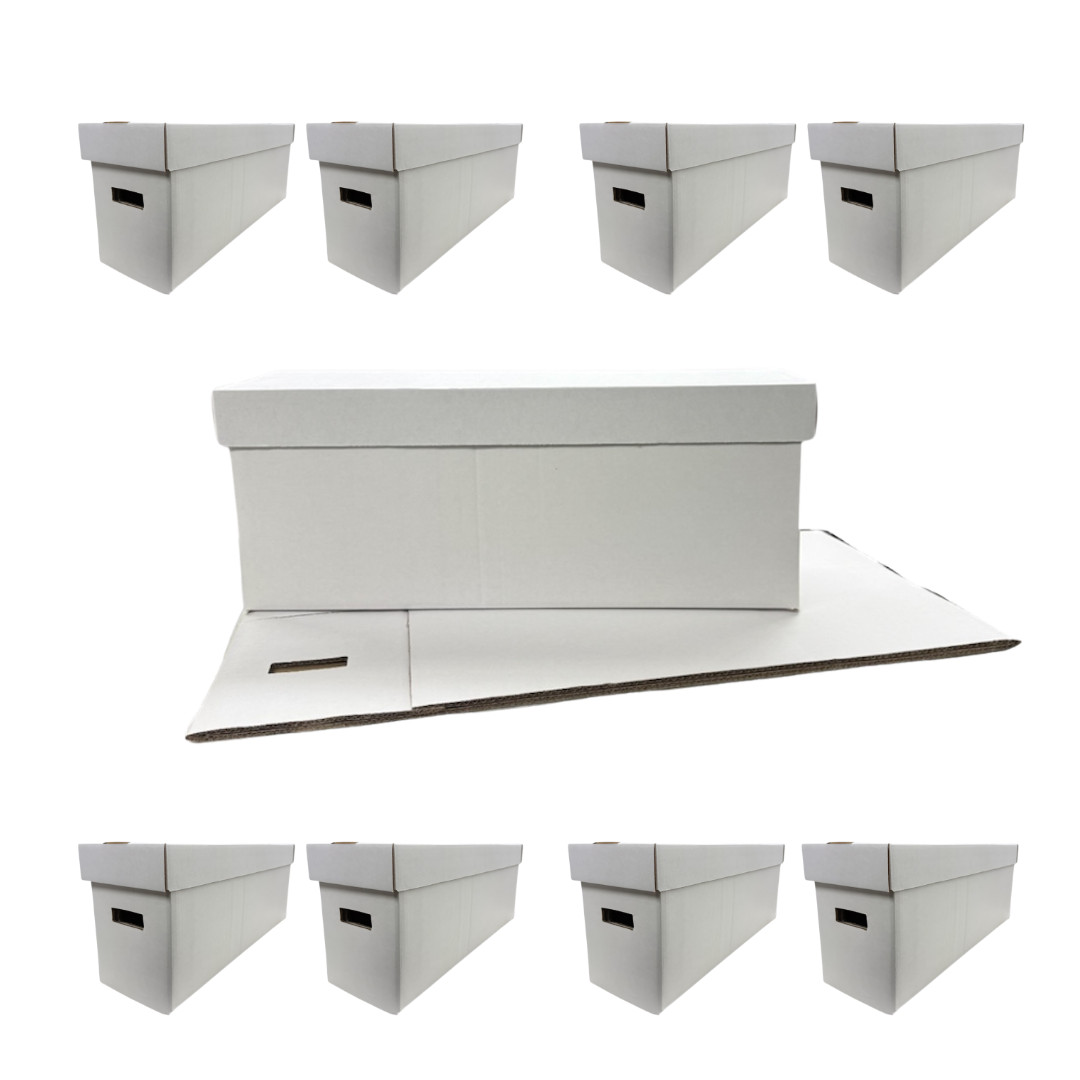 10 Long Comic Book Box • Comic Storage Boxes Holds 200–225 Comics Box Woodhaven$95.94View on eBay
Highlights
- Short boxes measure roughly 15 x 7.5 x 10.5 in and hold 150-175 bagged/boarded comics; long boxes measure about 26 x 7.5 x 10.5 in and hold 200-225.
- Archival-grade boxes use acid-free, buffered corrugated board with a pH-neutral or poly lining; standard shipping corrugate is acidic and can yellow pages over years.
- Stacking strength comes from double-wall or heavy-duty corrugated flutes and a snug lid; single-wall decorative boxes crush under full loads stacked more than two high.
- Plastic bins in acid-free polypropylene are waterproof and pest-resistant but pricier; art-printed cardboard bin wraps are decorative and offer no moisture barrier.
Best use cases
- Best fit: long-term collectors storing silver-age or key issues should pick acid-free buffered short boxes with lids and add comic stoppers to keep books upright as the box fills.
- Best fit: high-volume runs (200+ books) suit long boxes for fewer boxes per shelf, but only if shelf depth exceeds 26 in and the floor can take stacked weight.
- Wrong fit: buying an art-printed box for damp basements or garages—cardboard wicks moisture; choose a plastic acid-free bin with a gasket lid instead.
- Wrong fit: graded slab storage in standard short/long boxes—slabs need dedicated graded-certified bins sized for CGC/CBCS cases, not comic-sized boxes.
Buying tips
- Size the box to your bagged/boarded count: short boxes fit 150-175, long boxes 200-225; divide your collection by those capacities and round up for headroom.
- Check board spec: look for acid-free, buffered (pH 8-9.5) corrugated or poly lining; unbuffered decorative cardboard is for display, not decade-long storage.
- Match box depth to shelving: long boxes need at least 27 in of depth and short boxes about 16 in; measure shelf and floor footprint before choosing.
- For stacking, choose double-wall or heavy-duty flutes and keep stacks two high maximum; art-wrapped single-wall boxes should not bear loads above two boxes.
Specs
| Box Size | Short 150-175 / Long 200-225 comics |
|---|---|
| Board Grade | Acid-free buffered corrugated |
| Lining | pH-neutral paper or poly liner |
| Stacking | Double-wall / heavy-duty flute, 2-high max |
Related searches
What to check before buying
- Measure your shelf depth and height: short boxes need ~16 in depth, long boxes ~27 in; add 2-3 in clearance for lid and retrieval.
- Confirm your books are bagged and boarded to standard (7 x 10.5 in board); oversized annuals and magazine-size comics need magazine or oversized boxes.
- Assess the room's humidity and temperature: keep below 60% RH and stable temperature; cardboard in damp rooms needs a plastic bin alternative.
- Plan companion parts: comic stoppers or foam spacers to keep partial boxes upright, plus a lid and, for slabs, a graded-certified bin sized to slab dimensions.
FAQ
Data sources: eBay / Amazon listings and product attribute feeds. Updated Nov 23, 2026.
Some links on this page are affiliate links. If you buy after clicking one, we may earn a commission at no extra cost to you. This does not change which products appear here or their order. Affiliate disclosure.