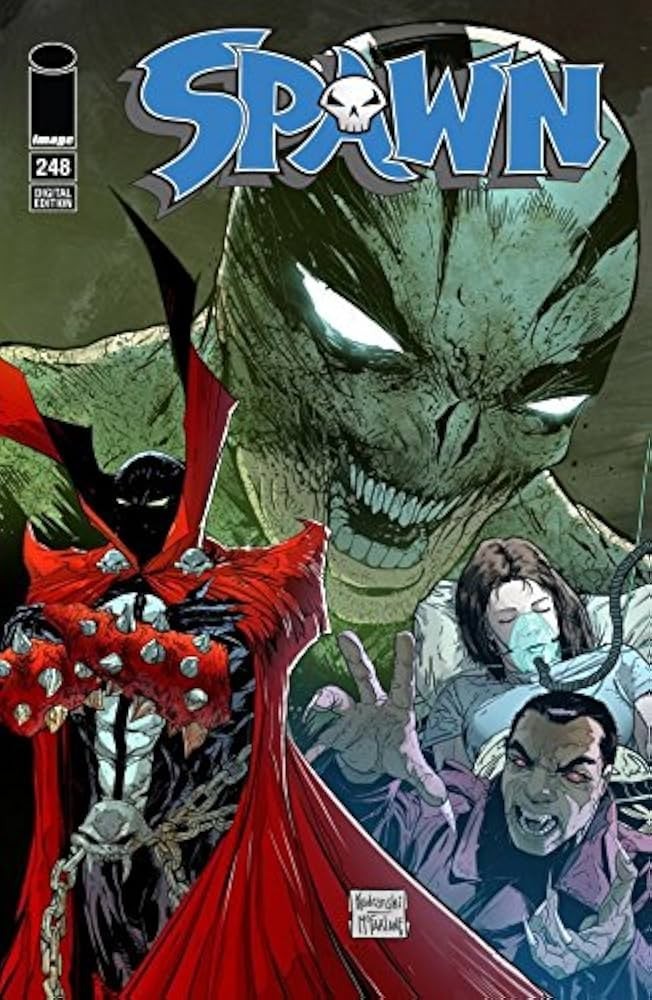

Photos from current listings. Actual item, color, and included accessories may vary.
Spawn Comic Book Buying Guide
Spawn is an ongoing creator-owned superhero-horror series written by Todd McFarlane and published by Image Comics, with a continuous run from 1992 to the present plus numerous spin-offs, miniseries, and reprints. The primary buying trade-off is between raw single issues (condition-sensitive, grade-dependent) and collected editions (Trades/Compendiums, cheaper per-issue but lower collector liquidity). The clear rule: buy key first-issue or low-print-run singles only in high grade (9.4+) with verified certification when investing, and buy compendiums or TPBs when you want to read the full run affordably.
At a glance
- Category
- Comic Books & Issues
- Last updated
- Nov 23, 2026
Current offers
Highlights
- Spawn #1 (1992) launched Image Comics' flagship title; early issues #1–#100 are the most collected, with #1 and low-print variants carrying the strongest liquidity.
- Singles are graded on the 10-point CGC/Overstreet scale; a 9.8 graded copy vs a raw 9.4 can differ by a full grade tier and must be priced accordingly.
- Collected formats differ sharply: thin TPBs (5–7 issues), thicker 'Origins' volumes (10–20 issues), and 50-issue Compendiums at the cheapest per-issue cost.
- Print run and variant covers determine value: newsstand editions, low-print variants, and ratio covers are scarcer than standard direct-market copies of the same issue number.
Best use cases
- Best fit: buy a high-grade CGC-graded Spawn #1 or early key issue if you are investing or displaying — skip raw copies below 9.0 for investment.
- Best fit: buy Compendium or Origin TPBs if you want to read the full 300+ issue run — skip single-issue hunting for reading.
- Best fit: buy raw mid-run issues (e.g., #100–#250) in NM for affordable set-building — skip slabbed copies unless the issue is a known key.
- Wrong fit: buying modern variant covers as long-term investments — most standard variants do not hold premium over time.
Buying tips
- For investment-grade singles, target CGC 9.6 or 9.8; raw copies below 9.0 lose significant resale liquidity.
- Check the indicia: direct-market editions (barcode box) vs newsstand editions differ in scarcity and value for the same issue number.
- For reading the full run, compare page counts: Compendium volumes collect ~50 issues vs TPBs at ~5–6, so Compendiums are far cheaper per issue.
- When buying raw singles, confirm no restoration (trimming, color touch) — restored copies grade lower and sell at a steep discount.
Specs
| Format | Single issue / TPB / Compendium |
|---|---|
| Publisher | Image Comics (1992–present) |
| Grading Scale | CGC/Overstreet 0.5–10.0 |
| Key Issues | #1, #100, low-print variants |
Related searches
What to check before buying
- Verify the issue number and cover variant match the exact printing you want — later printings carry lower value than first printings.
- For slabbed books, confirm the CGC serial number and grade on the label match the case and the certification lookup.
- Check storage: singles need acid-free bags/boards and a rigid toploader; graded slabs need UV-protected cases and stable humidity.
- Confirm page count and format (TBP vs Compendium) before buying collected editions to avoid duplicate content across volumes.
FAQ
Data sources: eBay / Amazon listings and product attribute feeds. Updated Nov 23, 2026.
Some links on this page are affiliate links. If you buy after clicking one, we may earn a commission at no extra cost to you. This does not change which products appear here or their order. Affiliate disclosure.