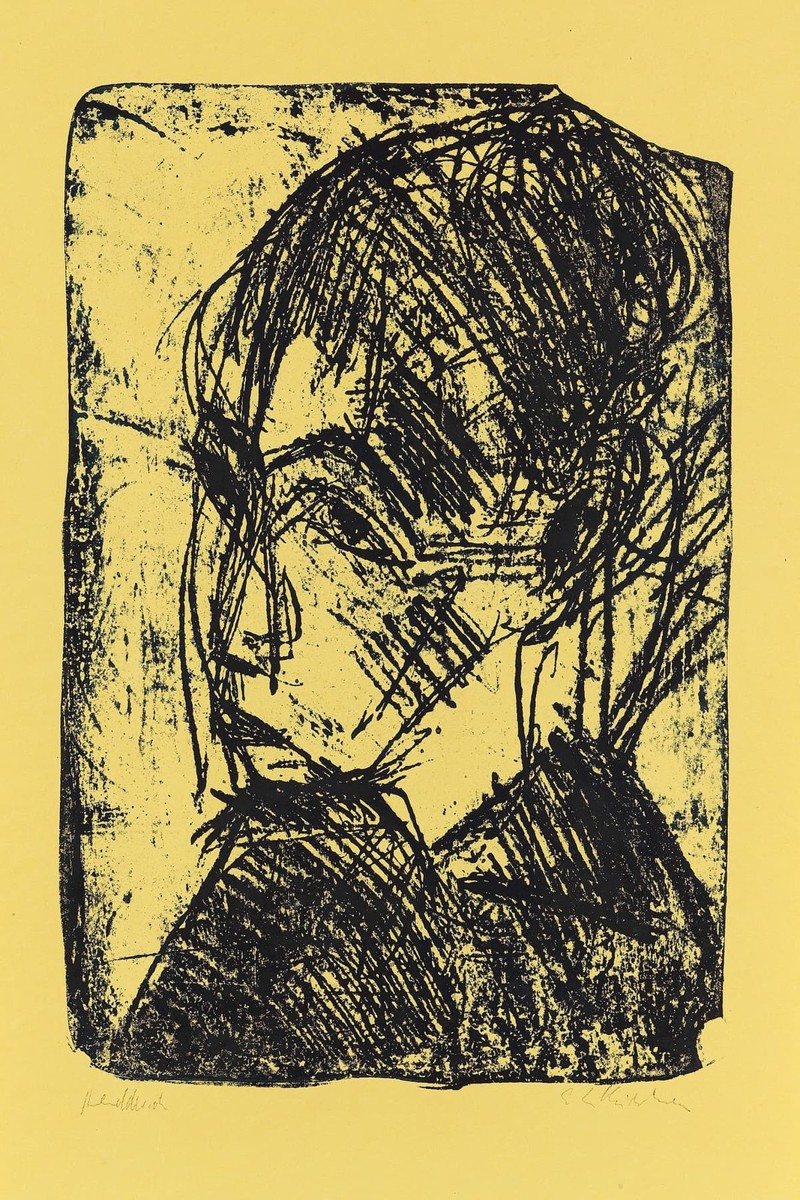

Photos from current listings. Actual item, color, and included accessories may vary.
Portrait Print Buying Guide
Portrait prints are wall art reproductions or originals depicting a human subject, available as open-edition posters or fine-art giclée prints. The primary trade-off is paper quality and ink longevity versus cost: mass-market posters use thin woodfree stock and dye inks that fade, while archival prints use cotton rag or alpha-cellulose paper with pigment inks rated for decades. Choose archival pigment on heavy matte stock for longevity; choose standard offset posters only for short-term or high-turnover decor.
At a glance
- Category
- Art Prints & Posters
- Last updated
- Nov 23, 2026
Current offers
Highlights
- Paper weight separates durable from disposable: 200gsm matte is entry-level poster stock, while 250–310gsm cotton rag or alpha-cellulose fine-art paper resists cockling and handling.
- Pigment inks (giclée) achieve 75–100+ year lightfastness under glass; standard dye-based poster inks can visibly fade within 5–10 years in indirect sunlight.
- Print resolution should be 300 PPI at final size—a 24x36 inch portrait needs a source file of at least 7200x10800 pixels for crisp detail.
- Unframed rolled prints ship in tubes; framed or mounted prints arrive ready to hang but cost more and limit re-matting options.
Best use cases
- Best fit: large 24x36 inch portrait prints on 200gsm+ matte paper for living-room or hallway statement walls—budget-friendly and easy to frame with standard 24x36 frames.
- Best fit: archival giclée portrait prints on 300gsm cotton rag for collectors or gift-giving, where 75+ year fade resistance and textured surface justify the higher tier.
- Wrong fit: thin 120–150gsm poster paper for humid bathrooms or sunlit galleries—cockling and fading occur fast; choose framed archival prints or skip the room.
- Wrong fit: unmatted open-edition posters in rental apartments with recurring move cycles—rolled tube prints crease; pick framed or mounted formats for low-maintenance installs.
Buying tips
- Match paper weight to handling: 200gsm is fine behind glass; 250gsm+ cotton rag resists denting and is preferable for unframed display or frequent re-framing.
- For a 24x36 inch print, confirm the source image is at least 7200x10800 pixels (300 PPI); lower-resolution files look soft at that scale.
- Prefer pigment-ink giclée over dye-ink offset for any portrait intended to last beyond 10 years, especially in rooms with indirect daylight.
- Standard frame sizes (8x10, 11x14, 16x20, 18x24, 24x36 inches) keep matting and framing costs low; non-standard sizes require custom frames.
Specs
| Paper Weight | 200gsm poster / 250-310gsm fine art |
|---|---|
| Ink Type | Pigment giclée vs dye offset |
| Standard Sizes | 8x10 to 24x36 in (A4-A1) |
| Lightfastness | 75-100+ yr pigment / 5-10 yr dye |
Related searches
What to check before buying
- Measure your wall space and frame availability: 24x36 inches is the largest common frame size; larger portraits need custom framing.
- Check room lighting: direct sunlight fades any print—use UV-filtering glass or place portraits on north-facing or shaded walls.
- Confirm the print ships rolled in a rigid tube or flat in a rigid mailer; tube shipping prevents creases but requires flattening before framing.
- Verify paper finish (matte, satin, glossy) matches your frame glass; matte papers pair best with anti-glare glass in bright rooms.
FAQ
Data sources: eBay / Amazon listings and product attribute feeds. Updated Nov 23, 2026.
Some links on this page are affiliate links. If you buy after clicking one, we may earn a commission at no extra cost to you. This does not change which products appear here or their order. Affiliate disclosure.