
Photos from current listings. Actual item, color, and included accessories may vary.
Home Decor Poster Buying Guide
Home decor posters are printed wall art—typically paper or canvas—used to style a room, and the key trade-off is between low-cost paper prints that fade or crease and pigment/canvas formats built to last. Decision rule: buy paper only for short-term or renter-friendly styling, and step up to canvas or pigment-ink fine-art paper when the piece must survive sunlight and handling for years.
At a glance
- Category
- Art Prints & Posters
- Last updated
- Nov 23, 2026
Current offers
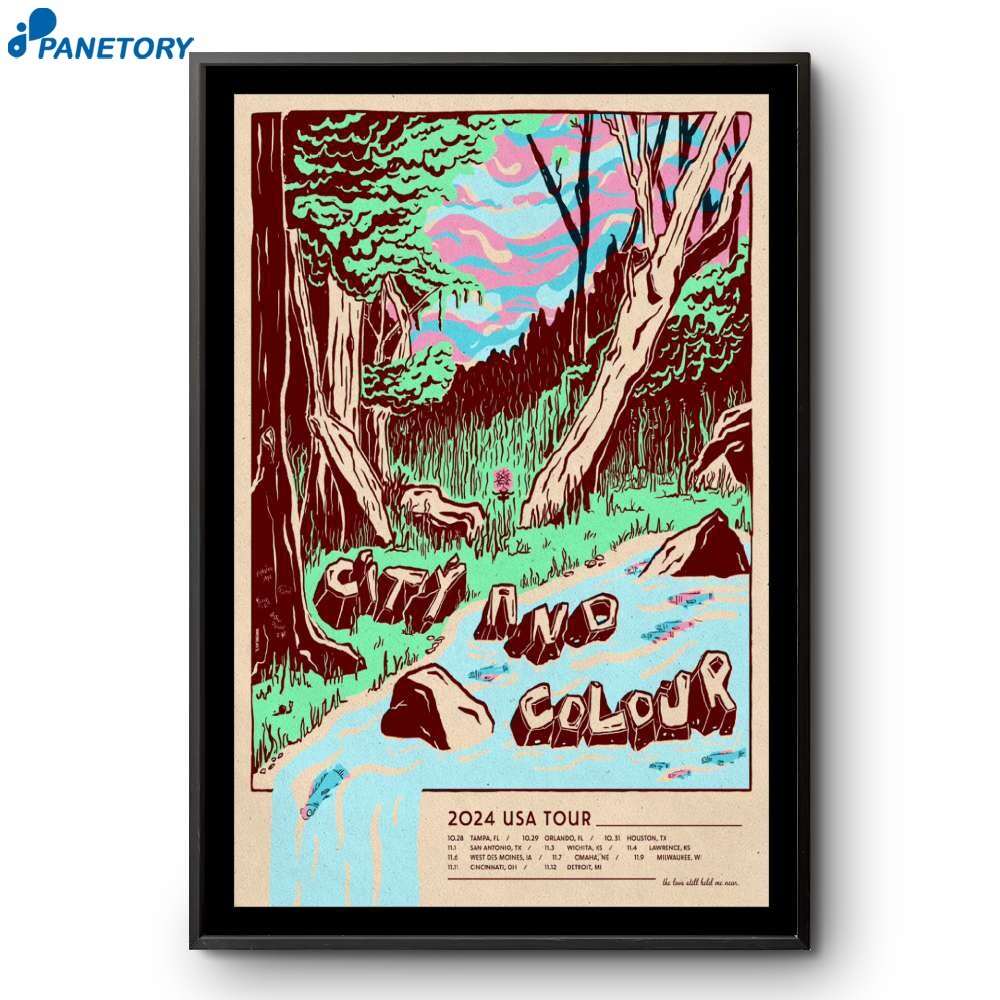 Poster City And Colour USA Tour 2024 Poster, home decor music lovers, gift fans$12.49View on eBay
 Seascape Canvas Painting Wall Art Posters And Prints Pictures For Home Decor$15.99View on eBay
 Custom Poster Print-Upload Your Images/Photos, Decor Wall Art Prints for Home$15.99View on eBay
 Custom Posters & Prints - Upload Your Image/Photo, Home Decor, Wall Art Prints$20.99View on eBay
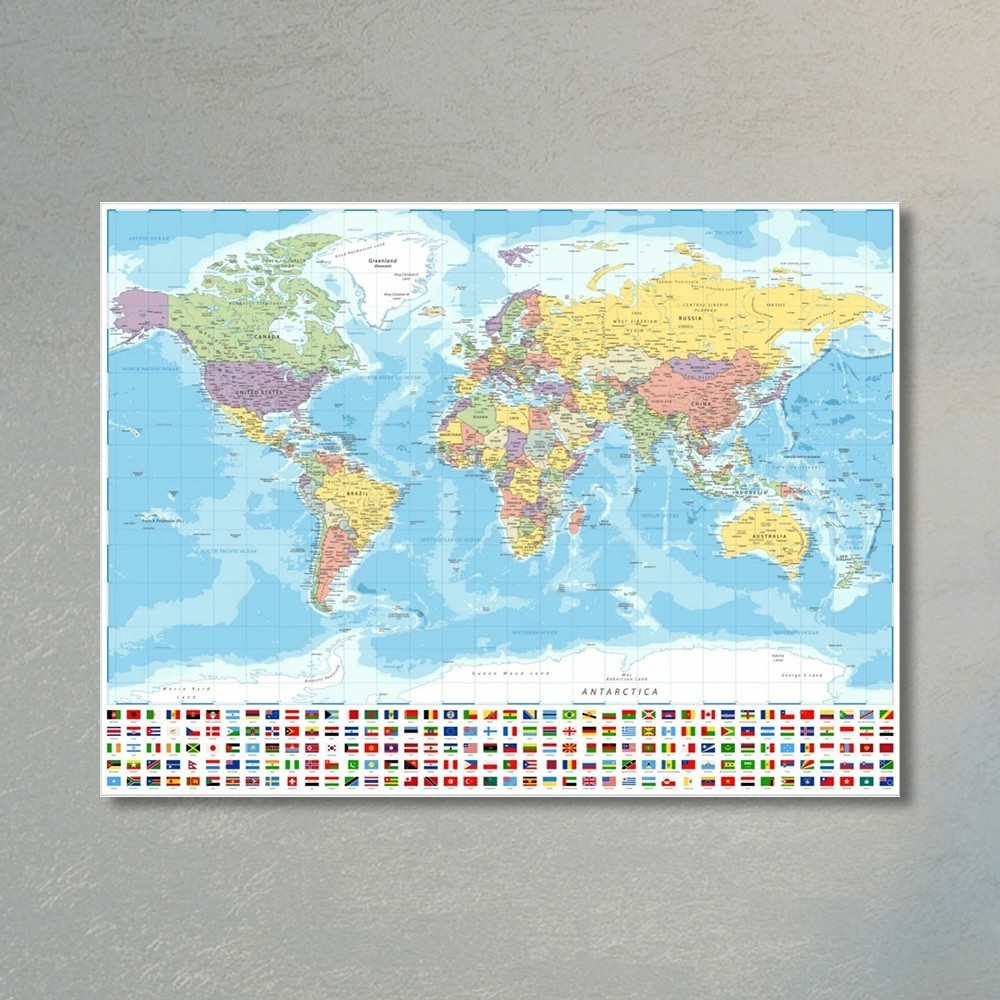 Classic World Map With Flags Home Decor Canvas Prints Posters Wall Art$24.15View on eBay
 Leviticus (2026) Movie Poster - New Film Fan Collectibles - Home Decor$25.99View on eBay
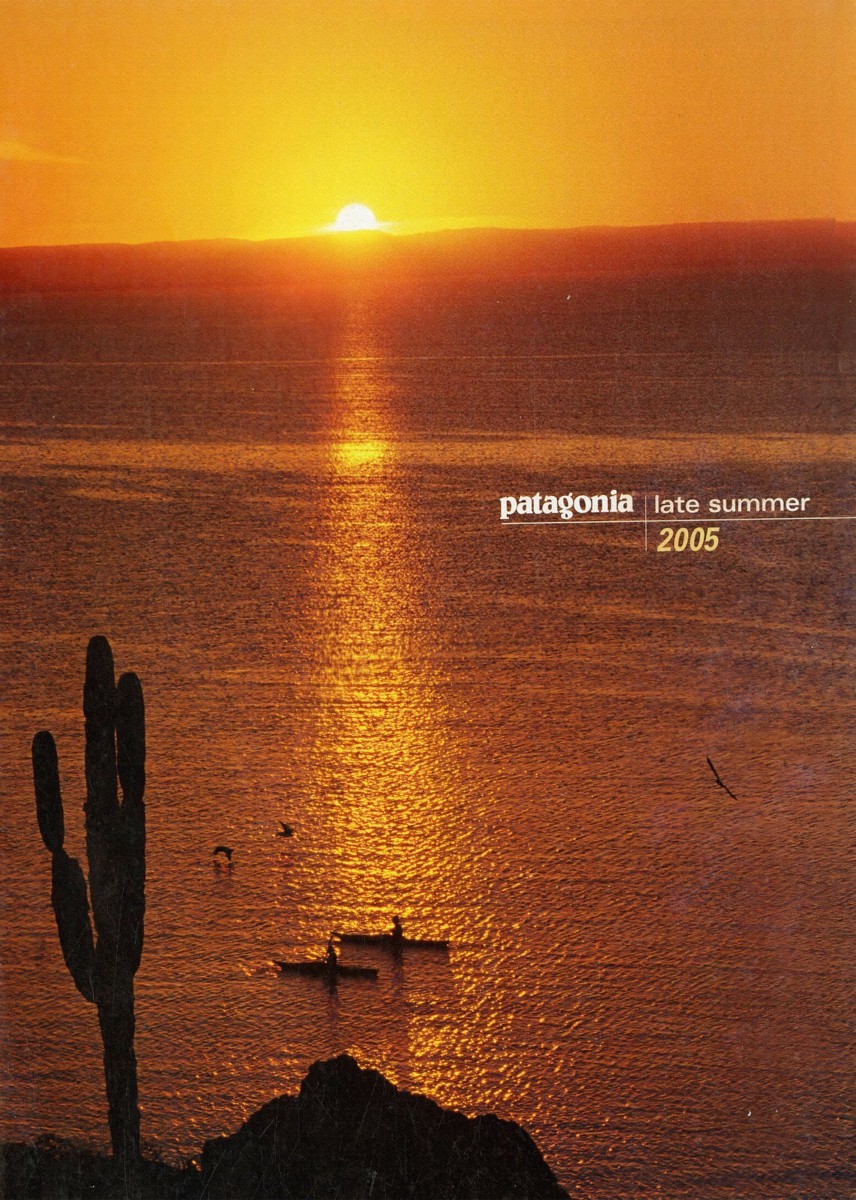 Patagonia Poster, Home Decor, Wall Decor$26.99View on eBay
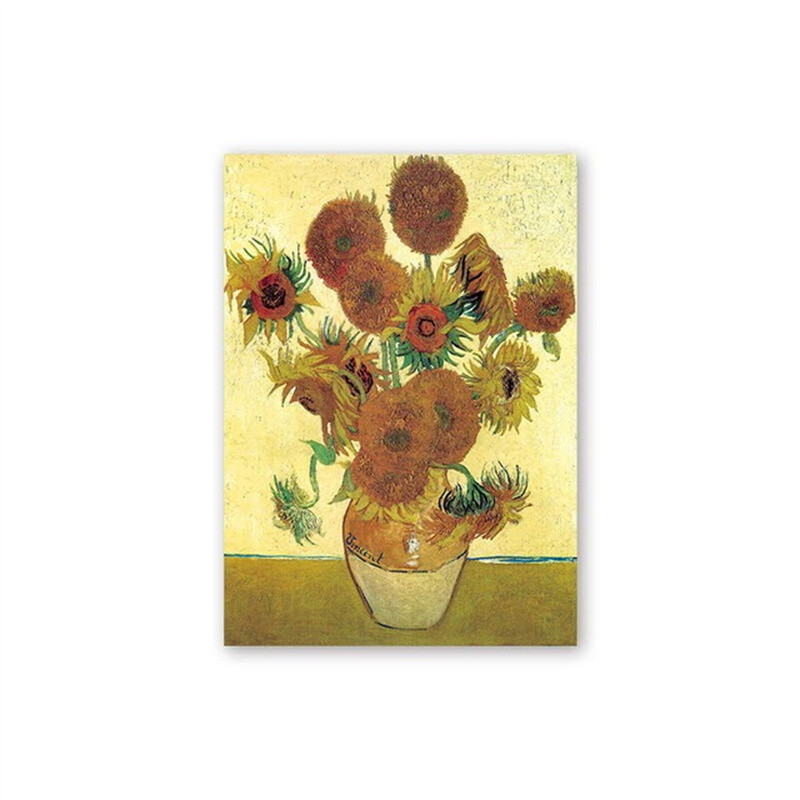 Canvas Painting The Starry Sky Van Gogh Prints And Posters Wall Art Home Decor$32.99View on eBay
Highlights
- Paper posters are usually 150–250 gsm coated stock; anything under 150 gsm waves and creases, while 200 gsm+ matte fine-art paper holds flat in a frame.
- Canvas prints on 300–400 gsm poly-cotton or cotton with a 1.5–2 in gallery wrap need no glass and resist humidity better than paper in bathrooms and kitchens.
- Dye inks fade in 1–3 years under direct sun; pigment inks on archival paper reach 50–100+ years, so pigment is mandatory for sunlit walls.
- Standard sizes follow a 2:3 ratio (16x24, 20x30, 24x36 in), while 18x24 and A-series use 3:4 or 1:1.41—mismatched ratios force custom framing.
Best use cases
- Best fit: renters and dorm rooms—choose 16x24 or 18x24 paper posters with removable strips; skip heavy canvas you cannot patch-mount.
- Best fit: sunlit living rooms and long-term walls—pick pigment-ink fine-art paper behind UV glass or a sealed canvas wrap; skip cheap dye-ink paper that fades within two summers.
- Best fit: bathrooms, kitchens, and kids' rooms—use gallery-wrapped canvas or framed canvas (no glass to shatter); skip unmounted paper that absorbs steam and ripples.
- Wrong fit: custom photo or map posters on 135 gsm lightweight stock—order 200 gsm+ matte or canvas for any print larger than 16x20 in.
Buying tips
- Size to wall: art should span about 60–75% of the furniture width below it; a 16x24 in print suits a 30–40 in console, while a 24x36 in suits a 60–72 in sofa.
- For gallery walls, keep 2–3 in between frames and align centers at 57–60 in from the floor—this is eye level and prevents a crowded cluster.
- Pick paper grade by light: 200 gsm+ matte fine-art paper for framed pieces, 300 gsm+ canvas for unframed wraps; avoid glossy paper over 16x20 in because it mirrors glare.
- Match print ratio to frame: 2:3 prints (16x24, 24x36) need 2:3 frames; 18x24 is 3:4 and will not fit a 16x24 frame without a custom mat.
Specs
| Material | Paper 150–250 gsm vs canvas 300–400 gsm |
|---|---|
| Ink Durability | Dye (1–3 yr) vs pigment (50–100+ yr) |
| Standard Size | 16x24 / 18x24 / 24x36 in |
| Presentation | Framed paper vs gallery-wrapped canvas |
Related searches
What to check before buying
- Measure the wall span and furniture width, then confirm the poster plus frame fits 60–75% of that width and clears nearby switches and sconces.
- Identify light exposure: direct sun requires pigment inks plus UV glass or canvas; a shaded hallway tolerates standard dye-ink paper.
- Check the hanging surface: drywall takes nails or strips, plaster and tile need adhesive hooks or a picture rail, and brick needs masonry anchors.
- Confirm framing before ordering: standard 16x24, 18x24, and 24x36 frames are stocked; non-standard ratios require custom mats or custom frames.
FAQ
Data sources: eBay / Amazon listings and product attribute feeds. Updated Nov 23, 2026.
Some links on this page are affiliate links. If you buy after clicking one, we may earn a commission at no extra cost to you. This does not change which products appear here or their order. Affiliate disclosure.