
Photos from current listings. Actual item, color, and included accessories may vary.
Framed Art Buying Guide
Framed art is a finished wall piece where the frame, glazing, and substrate determine both visual quality and longevity more than the printed image itself. The primary trade-off is archival protection versus cost: museum-grade materials (acid-free mats, UV-filtering glazing, solid wood frames) prevent fading and warping for decades, while budget composites and acrylic glazing degrade within years. Choose archival construction for any piece you intend to keep long-term or hang in bright rooms, and accept basic framing only for short-term or low-light decorative use.
At a glance
- Category
- Art Prints & Posters
- Last updated
- Nov 23, 2026
Current offers
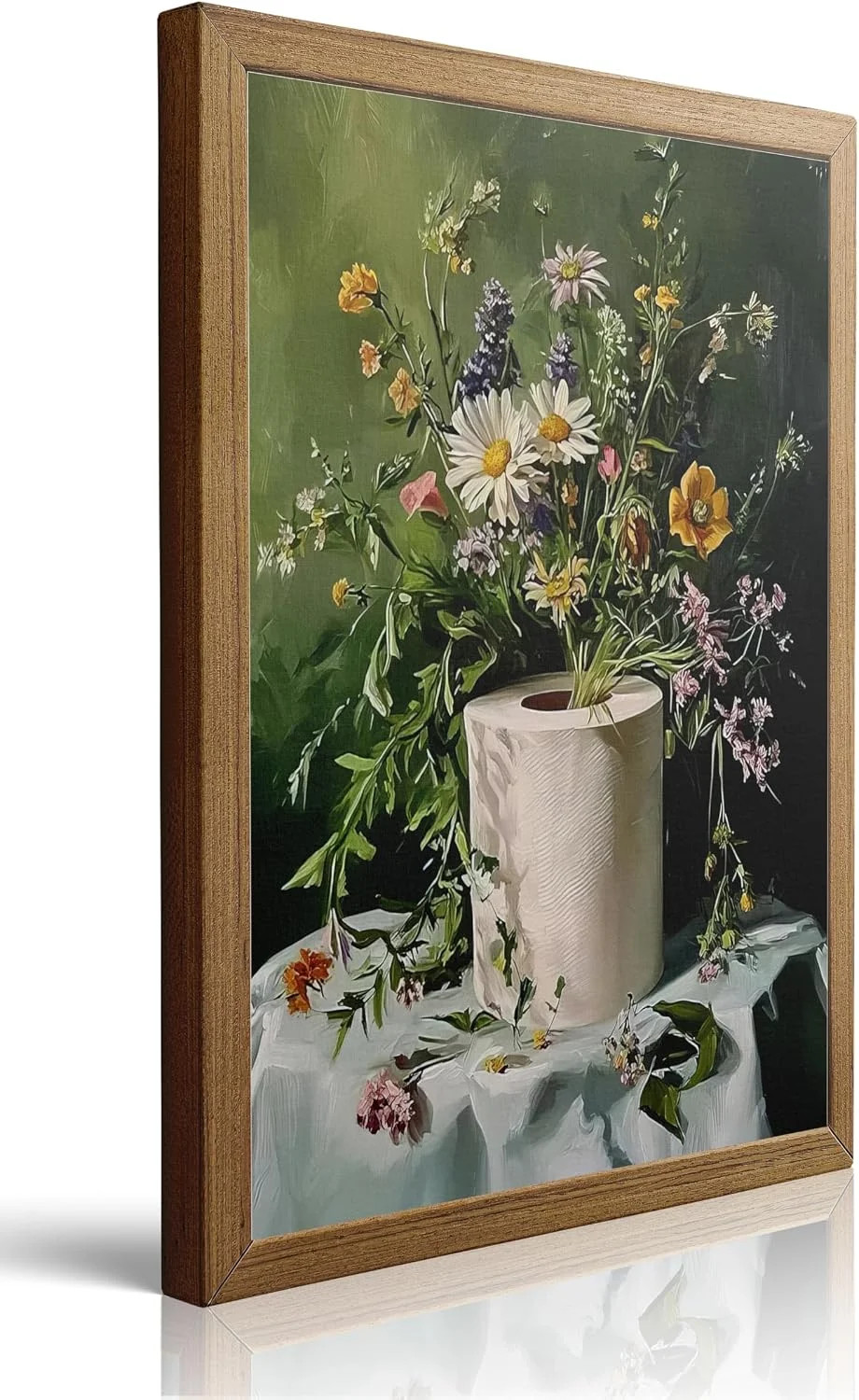 MAQCM Framed Funny Bathroom Wall Art, Toilet Paper Picture Painting Print, Vinta$18.56View on eBay
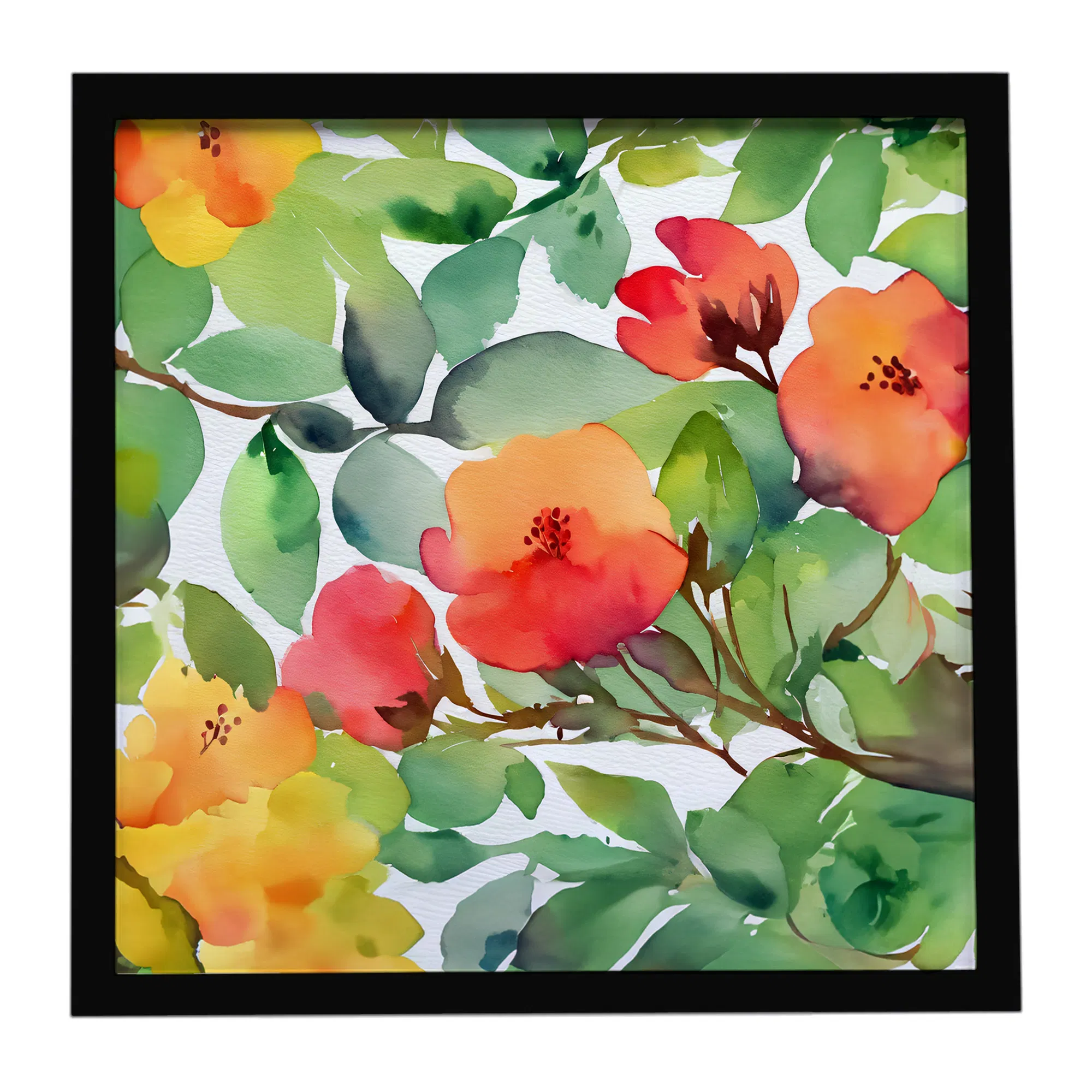 Connecticut Mountain Laurels in Watercolor Framed Metal Print Bathroom, Kitchen, Office, Home Decor Wall Art Ready to Hang, Square, 8X8$41.99View on Mallflare
 Bedroom Decor Wall Art Black and White Bubbles Prints Pictures Framed Canvas ...$50.85View on eBay
 Colorado Rocky Mountain Columbine in Watercolor Framed Metal Print Bathroom, Kitchen, Office, Home Decor Wall Art Ready to Hang, Square, 8X8$41.99View on Mallflare
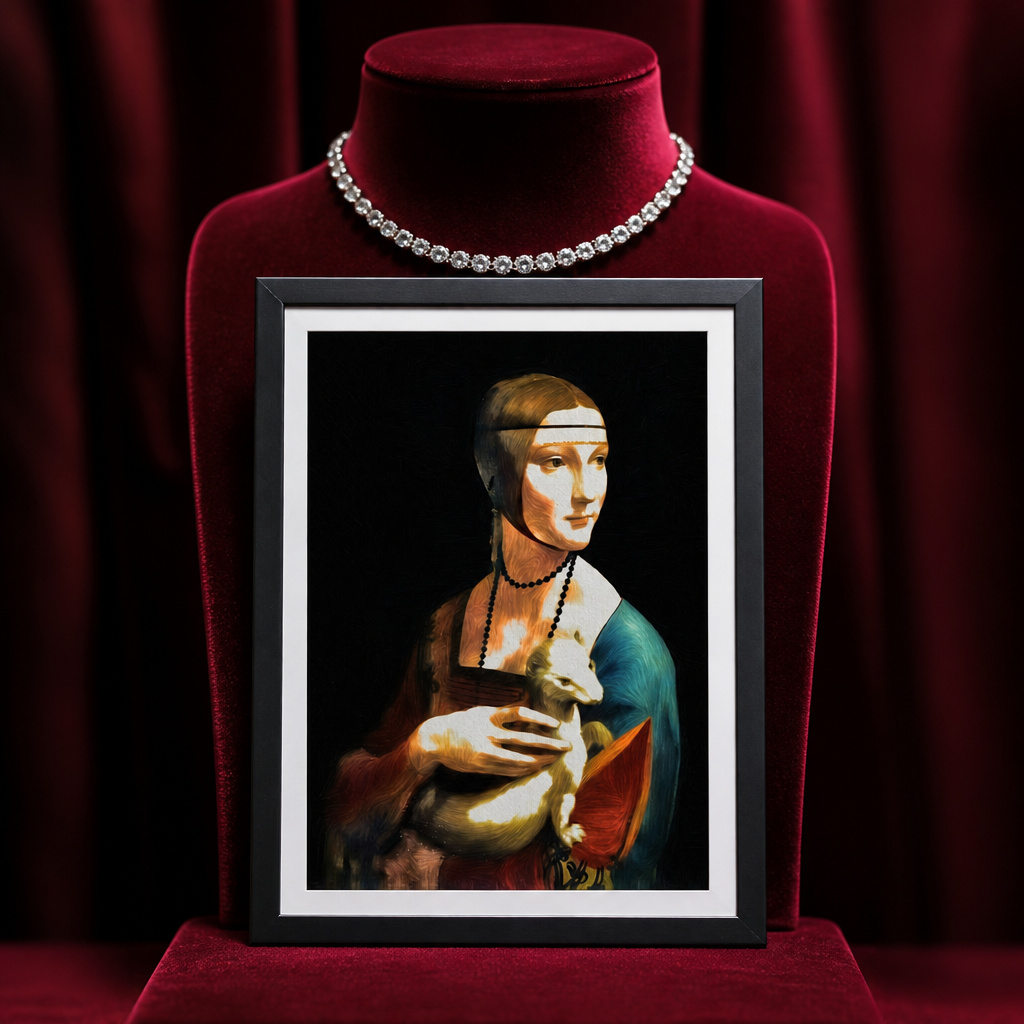 Classic Art Print Framed Wall Poster Canvas Picture New$55.00View on eBay
 16 PCS Framed Kids Wall Art Animal Gallery Wall Prints$164.98View on eBay
Highlights
- Glazing type is the top durability factor: UV-filtering acrylic blocks up to 98% of UV rays and resists shattering, while standard styrene or bare glass offers little fade protection and breaks easily.
- Frame material grade separates tiers: solid hardwood (oak, maple, walnut) holds miters and resists warping, while MDF, polystyrene, and softwood composites swell with humidity and loosen at joints.
- Mat and backing acidity drives yellowing: acid-free (pH-neutral) mats and foam-core backing protect prints for 25+ years, whereas standard paper mats leach acid and stain artwork within 5–10 years.
- Substrate choice affects flatness and weight: canvas-wrapped prints resist glare and need no glazing, metal prints are rigid and moisture-proof, and paper prints require matting and glazing to stay flat.
Best use cases
- Best fit: hang archival framed paper prints with UV acrylic and acid-free mats in living rooms, bedrooms, or hallways where pieces stay up for years. Skip bare-glass budget frames in these spots.
- Best fit: use framed metal or canvas prints in bathrooms, kitchens, and covered patios—they resist humidity and need no glazing. Skip paper prints with cardboard backing in steamy rooms.
- Best fit: build gallery walls with matched-size multi-packs (e.g., 8x8 or 11x14 sets) when visual consistency matters more than archival longevity. Skip mixed-material multi-packs for heirloom art.
- Best fit: choose ready-to-hang hardware (D-rings or sawtooth) with included nails for renters and quick installs. Skip frames requiring custom cleats or wall anchors for temporary walls.
Buying tips
- Match frame size to mat opening: an 8x10 print needs a 11x14 frame with a 2.5–3 inch mat, or the image crowds the frame edge and looks cramped.
- For gallery walls, keep 2–3 inches between frames and align centers at 57–60 inches from the floor—standard eye-level height that reads balanced in most rooms.
- Prioritize UV-filtering acrylic over standard glass for any room with direct sun; glass blocks under 50% of UV and adds breakage risk in high-traffic areas.
- Check hanging hardware weight rating: sawtooth hangers suit pieces under 10 lbs, while D-rings and wall anchors are required for larger or heavier frames over 15 lbs.
Specs
| Glazing Type | UV acrylic / standard glass / none |
|---|---|
| Frame Material | Solid wood / MDF / metal / composite |
| Mat Acidity | Acid-free archival / standard paper |
| Substrate | Paper / canvas / metal / wood panel |
Related searches
What to check before buying
- Measure the wall space and confirm the frame's outer dimensions, not just the print size—outer size typically adds 2–4 inches per side with a mat and frame.
- Verify the hanging hardware and weight: confirm the frame's shipping weight and that included hangers match your wall type (drywall anchors for plaster or brick).
- Check glazing material and UV rating before buying for sunlit rooms; acrylic with UV filtering is the safe choice over standard glass.
- Confirm the frame profile depth clears nearby doors, shelves, or trim—deep shadow-box frames protrude 1.5–2 inches and can block swing paths.
FAQ
Data sources: eBay / Amazon listings and product attribute feeds. Updated Nov 23, 2026.
Some links on this page are affiliate links. If you buy after clicking one, we may earn a commission at no extra cost to you. This does not change which products appear here or their order. Affiliate disclosure.