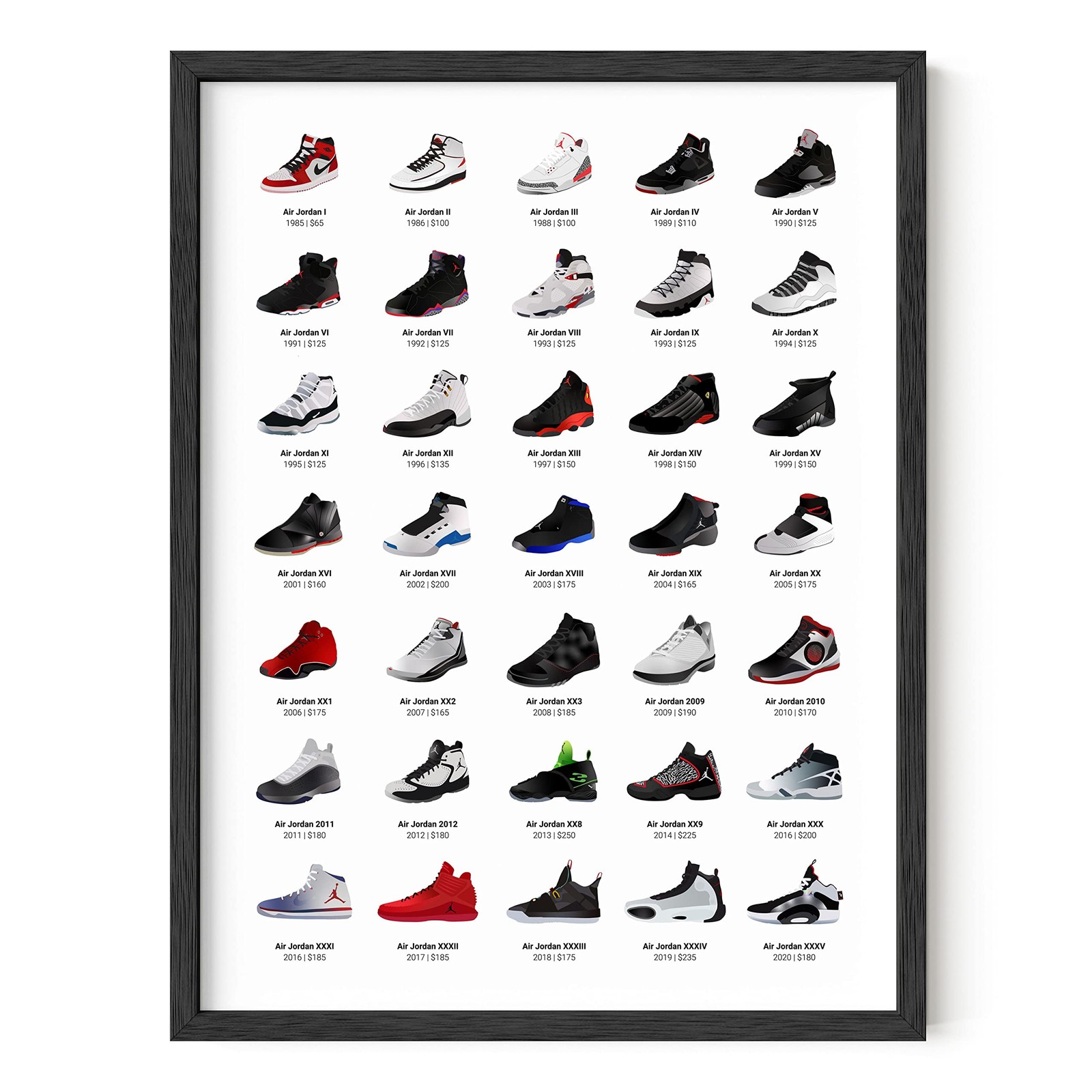

Photos from current listings. Actual item, color, and included accessories may vary.
Cool Poster Buying Guide
Cool posters are wall art chosen for visual impact and personal expression, typically printed on paper or canvas in standard sizes. The primary trade-off is paper weight and ink quality versus price: lightweight matte paper fades and creases, while heavy archival stock or canvas holds color and resists damage. The decision rule is simple: buy 200 GSM or heavier paper with pigment or UV-resistant inks for rooms with sunlight, and skip thin 120–150 GSM poster paper for long-term display.
At a glance
- Category
- Art Prints & Posters
- Last updated
- Nov 23, 2026
Current offers
Highlights
- Paper weight determines durability: 200–250 GSM matte stock resists curling and handling, while 120–150 GSM poster paper creases and wrinkles within months.
- Ink type controls fade resistance: pigment-based or UV-cured inks hold color for decades; dye-based inks fade noticeably within 1–2 years in direct sun.
- Standard sizing matters: 12×16 in and 18×24 in fit common frames; 11×17 in and A3 require specialty frames, and 24×36 in needs rigid backing to prevent warping.
- Canvas prints on 300–400 GSM poly-cotton with gallery-wrapped edges eliminate glare and frame costs but show texture that softens fine detail.
Best use cases
- Best fit: a sneaker or sports poster in a 12×16 in frame for a teen bedroom or dorm—choose 200 GSM matte paper with UV-resistant ink and skip unframed thin paper near windows.
- Best fit: a gallery wall in a living room—buy matching 18×24 in prints on 250 GSM archival paper and frame with acid-free mats to prevent yellowing.
- Wrong fit: hanging a lightweight 150 GSM poster in a bathroom or kitchen—humidity causes ripples and ink bleed; choose canvas or sealed metal prints instead.
- Wrong fit: buying a 24×36 in paper poster without a rigid backing board—large sheets buckle; use foam-core mounting or a framed canvas version.
Buying tips
- Match frame size to print size exactly: 12×16 in prints need 12×16 in frames, while 11×17 in prints require 11×17 in frames or custom mats—never trim a print to fit.
- Choose 200 GSM or heavier paper for any poster hung at eye level or handled; 250–300 GSM is ideal for archival longevity and lies flat without waves.
- For sunny rooms, select pigment-ink or UV-coated prints; dye-based posters behind standard glass fade visibly within 18 months of direct sun exposure.
- Canvas prints should be 300 GSM or heavier with a solid wood stretcher bar; thinner canvas sags and shows dimples at the corners within a year.
Specs
| Paper Weight | 120–300 GSM (200+ durable) |
|---|---|
| Ink Durability | Pigment/UV vs dye-based |
| Standard Sizes | 12×16, 18×24, 24×36 in |
| Print Surface | Matte paper / canvas / metal |
Related searches
What to check before buying
- Measure your wall space and frame opening first: confirm the print size matches a standard frame (12×16, 18×24, 24×36 in) or budget for custom framing.
- Check room lighting: direct sun or strong ambient light demands UV-resistant inks or canvas; dark rooms can use standard matte paper.
- Confirm paper weight and ink type in the product specs—200 GSM minimum and pigment or UV inks for durability.
- For unframed posters, plan for a rigid backing board or tube storage; rolling a 250 GSM print tightly can crack the ink layer over time.
FAQ
Data sources: eBay / Amazon listings and product attribute feeds. Updated Nov 23, 2026.
Some links on this page are affiliate links. If you buy after clicking one, we may earn a commission at no extra cost to you. This does not change which products appear here or their order. Affiliate disclosure.