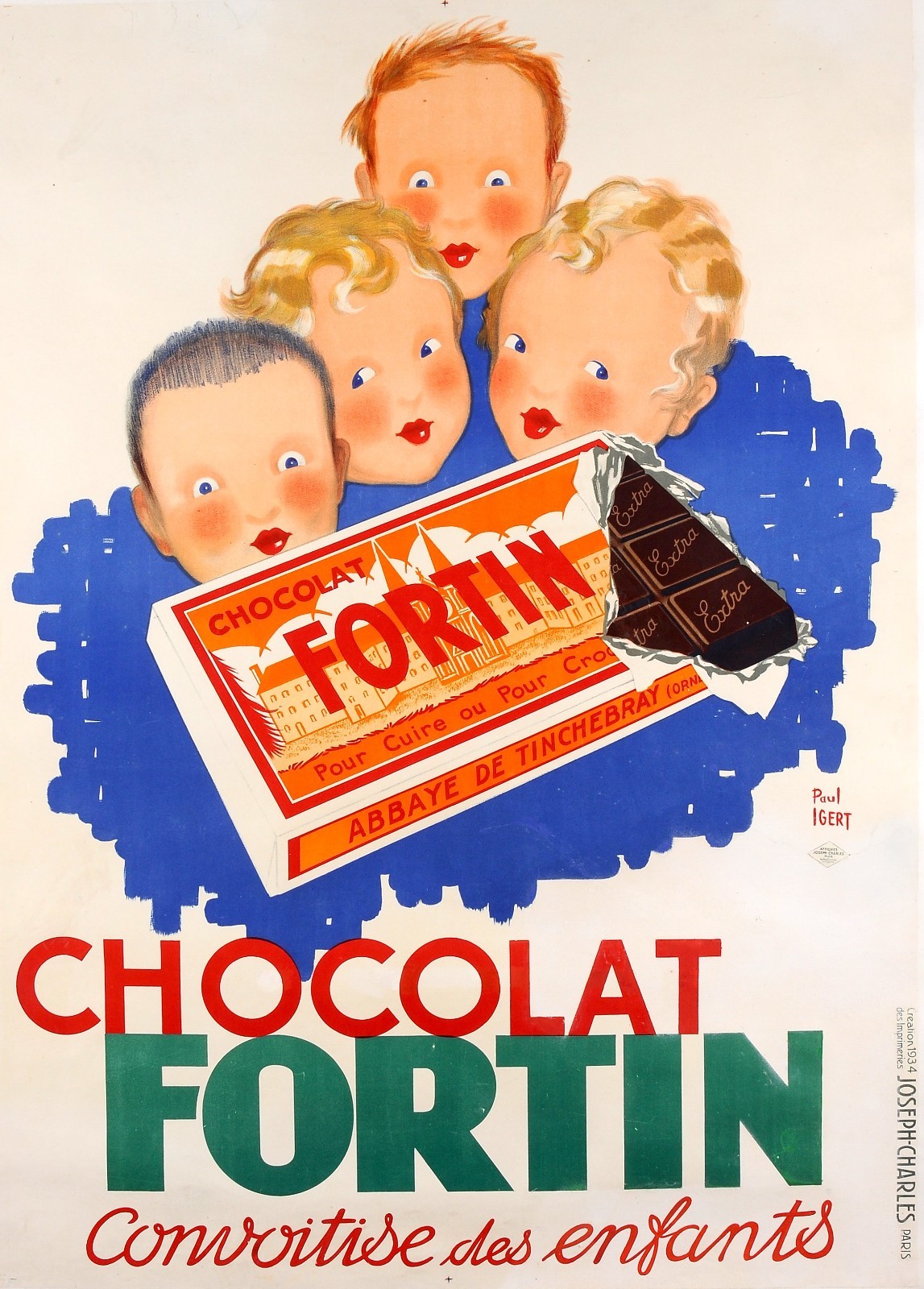

Photos from current listings. Actual item, color, and included accessories may vary.
Art Deco Print Buying Guide
Art Deco prints are graphic works from the 1920s–1930s defined by geometric abstraction, streamlined forms, and bold metallic or jewel-tone palettes. The core trade-off is original period printing versus modern reproduction: originals carry historical value and authentic lithographic texture, while reproductions offer scalability and lower entry cost. The decision rule is simple—buy an original only if you can verify the printer's mark, paper type, and edition; otherwise choose a high-resolution giclée reproduction on heavyweight archival stock.
At a glance
- Category
- Art Prints & Posters
- Last updated
- Nov 23, 2026
Current offers
Highlights
- Originals from the 1920s–30s are typically stone lithographs or pochoir prints on rag paper; look for plate marks, printer imprints, and uniform dot-free color fields.
- Modern reproductions fall into giclée (pigment ink on 200–300 gsm archival paper) versus offset litho (cheaper, visible rosette dots under loupe); giclée is the durability benchmark.
- Authentic Art Deco typography uses geometric sans-serifs and condensed letterforms; reproductions often alter kerning, making letter spacing the first tell.
- Condition grading for originals follows A–D tiers: A (near-mint, no restoration), B (minor edge wear), C (visible creases/tears), D (heavy restoration); C/D originals are display-grade only.
Best use cases
- Best fit: a collector with UV-filtered framing and climate-controlled space buys a B-condition original lithograph with documented printer mark—skip modern giclée if provenance is the goal.
- Best fit: a rent-friendly apartment dweller buys a giclée reproduction on 250 gsm paper in a standard 18×24 in frame—skip originals since permanent hanging hardware and conservation framing are wasted on a short lease.
- Best fit: a gift buyer matching a specific 1925–1935 poster style buys a licensed reproduction from a museum or estate—skip anonymous dropship prints with no publisher line and inconsistent color bars.
Buying tips
- For originals, verify paper against light: period rag paper shows no bright optical brighteners under UV; modern reprints glow blue-white.
- Match frame size to standard mat openings—11×14 in, 16×20 in, 18×24 in, 24×36 in—because custom sizes add significant cost and delay.
- Check color saturation under daylight: authentic pochoir uses gouache with opaque, matte fields; giclée reproductions have a slight sheen and finer dot structure.
- Buy reproductions at 300 dpi minimum and 1:1 aspect ratio; upscaled scans below 200 dpi show soft edges on 24×36 in prints.
Specs
| Print Method | Stone lithograph vs giclée pigment |
|---|---|
| Paper Weight | 200–300 gsm archival matte |
| Standard Sizes | 11×14 / 16×20 / 18×24 / 24×36 in |
| Condition Grade | A–D (A near-mint, D restored) |
Related searches
What to check before buying
- Measure your wall and frame opening first: standard 18×24 in and 24×36 in frames are widely stocked; non-standard sizes require custom matting.
- Confirm UV exposure: hang away from direct sun or use UV-filtering glass/acrylic, because both originals and giclée fade under sustained UV.
- Check humidity: keep prints in 40–60% RH; paper cockles above 65% RH, especially unmatted originals.
- Verify hanging hardware: 24×36 in framed prints exceed 5 lb and need two D-rings or a French cleat, not a single nail.
FAQ
Data sources: eBay / Amazon listings and product attribute feeds. Updated Nov 23, 2026.
Some links on this page are affiliate links. If you buy after clicking one, we may earn a commission at no extra cost to you. This does not change which products appear here or their order. Affiliate disclosure.