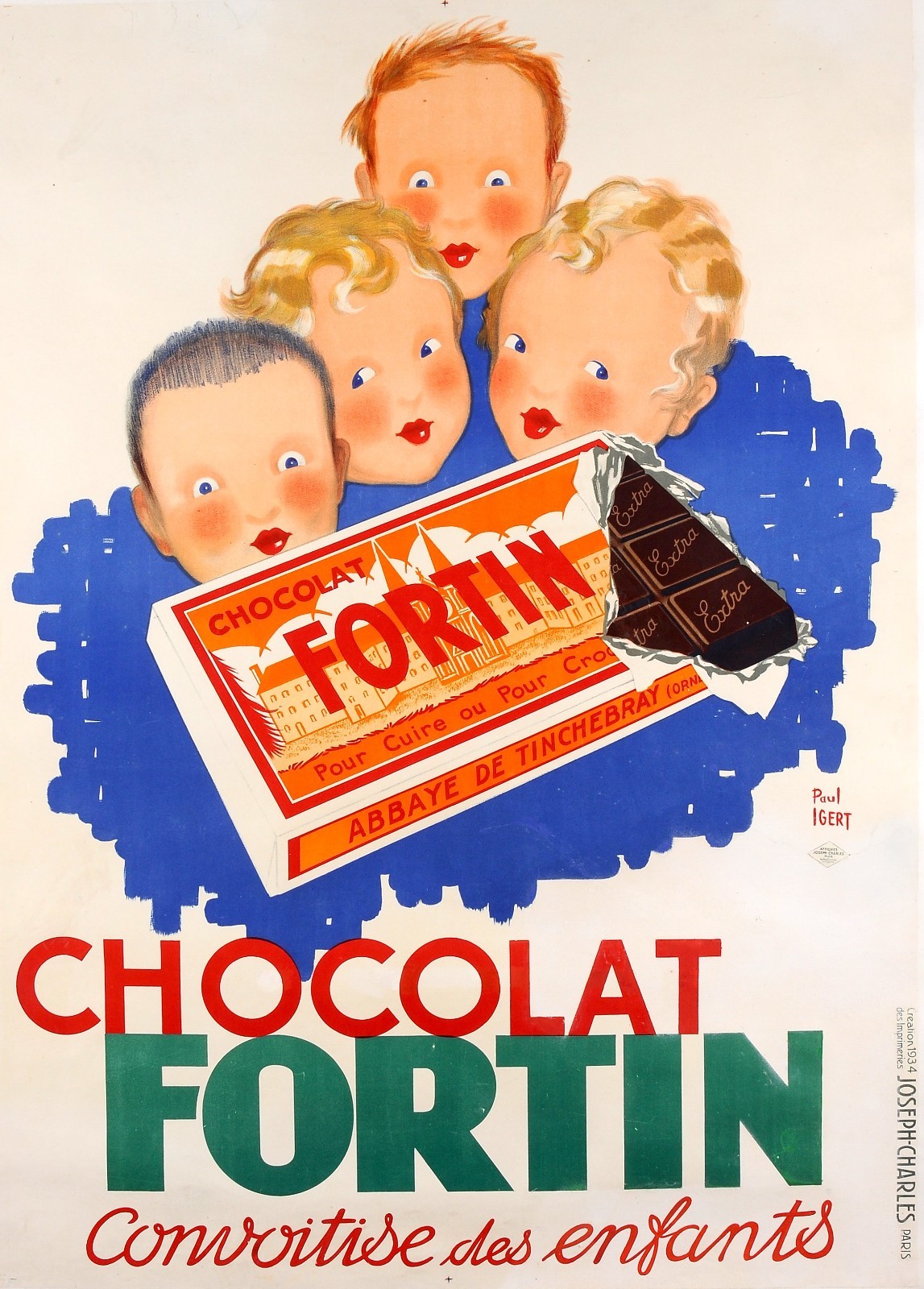

Photos from current listings. Actual item, color, and included accessories may vary.
Art Deco Poster Buying Guide
Art Deco posters are graphic works defined by their 1920s–1930s geometric ornament, streamlined figures, and bold flat color—offered today as original vintage lithographs, period reprints, or modern archival reproductions. The core trade-off is authenticity and print quality versus cost: originals carry linen-backing and conservation concerns, while reproductions vary wildly in paper weight and ink permanence. The decision rule is simple—buy originals only from vetted vintage dealers with condition reports, and buy reproductions only when they specify 200+ gsm archival paper and pigment or giclée inks.
At a glance
- Category
- Art Prints & Posters
- Last updated
- Nov 23, 2026
Current offers
Highlights
- Original period posters (1920s–1930s) were stone lithographs or letterpress on thin wood-pulp paper, often linen-backed for structural stability; modern reproductions use offset or giclée on heavier stock.
- Giclée and pigment-ink reproductions rated 100+ years fade resistance on acid-free 200–300 gsm paper outperform cheap offset poster prints that yellow and crack within years.
- Authentic Art Deco typography and motifs—stepped ziggurat frames, sunbursts, geometric sans-serifs—are frequently distorted in low-tier reproductions; sharp linework and accurate kerning signal a quality source scan.
- Standard poster sizing (A3, A2, 18×24 in, 24×36 in) dictates framing cost and availability; non-standard vintage dimensions require custom mats and frames.
Best use cases
- Best fit: collectors and period-authentic interiors should choose original linen-backed lithographs from established vintage poster dealers with documented provenance and condition grades.
- Best fit: budget-conscious decorators in modern apartments should pick archival giclée reproductions on 200+ gsm matte paper in standard 18×24 or 24×36 sizes for easy off-the-shelf framing.
- Wrong fit: humid bathrooms, kitchens, or sun-drenched walls—avoid originals and unsealed reproductions; UV glass and acid-free backing are mandatory or the print will fade and fox.
- Wrong fit: buyers wanting a 'vintage look' on textured walls should skip thin offset prints that buckle; choose heavier stock or canvas transfers that lay flat.
Buying tips
- For originals, confirm linen backing is archival and reversible; reject dry-mounted or trimmed posters, which lose value and cannot be conserved.
- For reproductions, require explicit paper weight (200 gsm minimum) and ink type (pigment/giclée, not dye-based); avoid listings that omit both.
- Match frame size to standard formats: A2 (420×594 mm) and 18×24 in are widely stocked; odd vintage sizes need custom framing, adding significant cost.
- Check image resolution cues: crisp edges and legible small text indicate a high-resolution source scan; blurry or pixelated lines signal a low-quality copy.
Specs
| Print Method | Stone lithograph / giclée / offset |
|---|---|
| Paper Weight | Vintage thin stock vs 200–300 gsm |
| Standard Sizes | A3 / A2 / 18×24 in / 24×36 in |
| Backing Type | Linen-backed / dry-mounted / loose |
Related searches
What to check before buying
- Measure your wall space and sightlines; Art Deco posters are typically portrait-oriented, so confirm vertical clearance and frame proportions before ordering.
- Verify the print's listed dimensions against standard frame and mat sizes (A3, A2, 18×24 in, 24×36 in) to avoid custom-framing surcharges.
- Assess room light and humidity: originals need UV-filtering glass and 40–60% RH; bathrooms and kitchens are unsuitable without sealed framing.
- Confirm the print ships rolled in a rigid tube—not folded—and that the seller accepts returns for condition issues on vintage pieces.
FAQ
Data sources: eBay / Amazon listings and product attribute feeds. Updated Nov 23, 2026.
Some links on this page are affiliate links. If you buy after clicking one, we may earn a commission at no extra cost to you. This does not change which products appear here or their order. Affiliate disclosure.