Art and Collectibles Terms, Explained: A Plain-Language Glossary
A clear, jargon-free glossary of the words you'll meet when buying, selling, or caring for art and collectibles. Each term is defined in everyday language and tied to a reliable reference source.
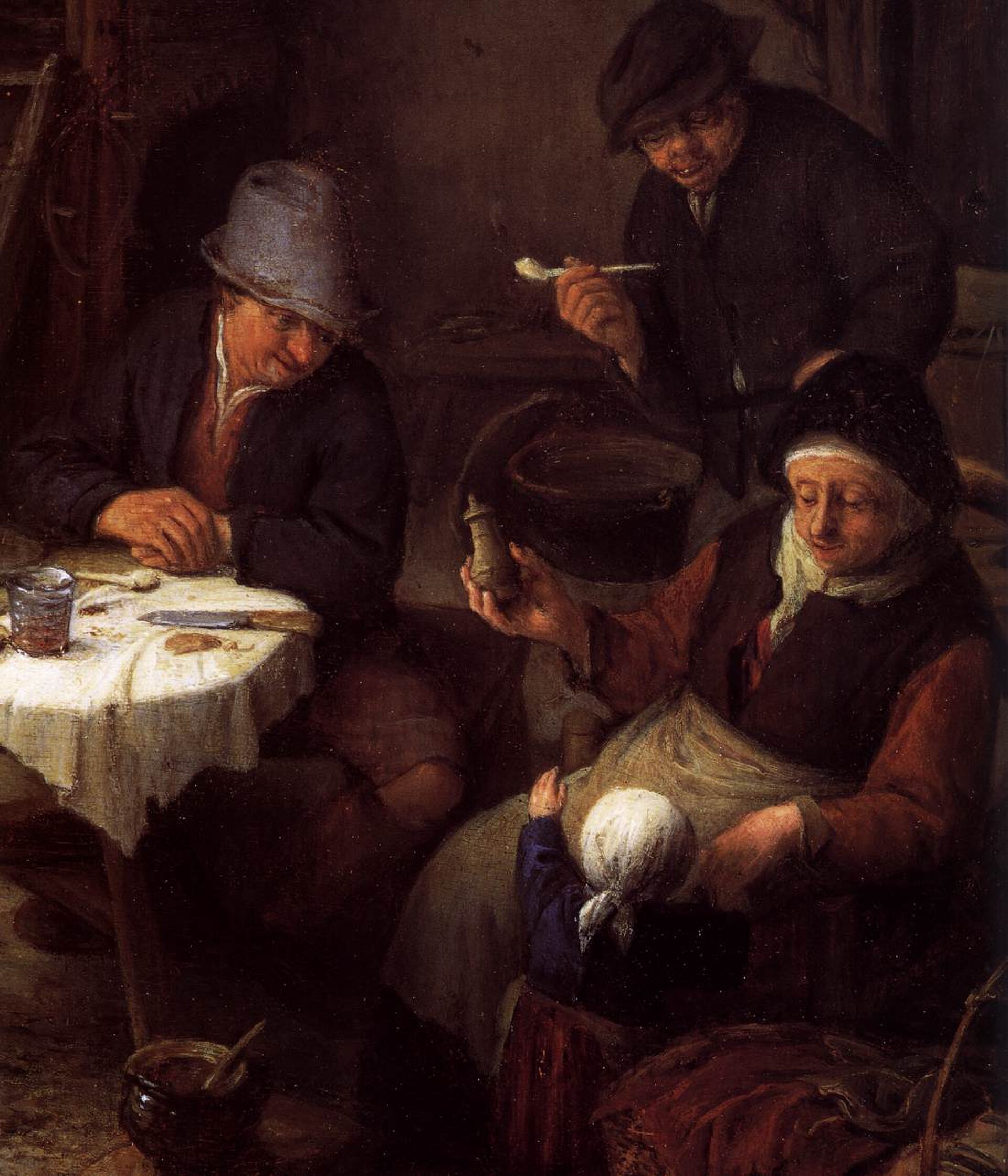
Cover: Web Gallery of Art: Image Info about artworkwga QS:P11807,"o/ostade/adriaen/1/p_cottax" · Wikimedia Commons · Public domain
Question: What do the common terms used in art and collectibles mean, in plain language?
Why the Vocabulary Matters
Art and collectibles come with a vocabulary borrowed from printmaking, museum work, conservation, and auction trading. The words are not secret, but they are precise, and a single term can change what an object is and how it should be looked after. Knowing the basics lets you read a label, a catalogue entry, or a condition note with more confidence and ask better questions of a dealer, gallery, or auction house.
Terms About the Object Itself
Medium is the material an artwork is made from, such as oil on canvas, watercolour on paper, or bronze. Support is what carries the medium, like the canvas, panel, or sheet of paper. An original is a work made by the artist's own hand; a reproduction is a later copy made by someone else. Edition refers to a planned number of identical impressions taken from one plate, block, stone, or file, usually numbered and sometimes signed. An artist's proof is an impression outside the main numbered edition, traditionally kept by the artist. Among print processes, an etching is cut into a metal plate with acid, a lithograph is drawn on stone or a metal plate and printed from a flat surface, a screenprint (also called a serigraph) is pushed through a mesh stencil, and a giclée is a high-resolution inkjet print. Each of these has its own look and its own care needs, which is why the process is usually named in a good description.
Terms About Where an Object Came From
Provenance is the recorded ownership history of an object, ideally from the moment it left the artist's studio to the present. A complete provenance is uncommon; a partial one is normal. Attribution describes who an object is believed to be by, and it comes in shades of certainty: 'by' the artist, 'attributed to', 'studio of', 'circle of', or 'after'. A catalogue raisonné is a scholarly list of an artist's known works, compiled to help identify what exists. A certificate of authenticity is a document asserting authorship or origin; its value depends entirely on who issued it and what evidence stands behind it. A copy of a receipt, an old exhibition label, or a photograph of the work in a previous setting are all useful pieces of the same puzzle.
Terms About Condition and Care
A condition report is a written and often photographic description of an object's physical state, noting losses, tears, stains, repairs, or previous restoration. Foxing means the small brownish spots that appear on older paper, often linked to age, humidity, and storage conditions. Patina is the surface change that develops on materials such as bronze or wood over time, and some collectors value it while others prefer it removed. Archival or acid-free describes materials made to be chemically stable in long-term contact with artworks. Conservation means work done to stabilise an object and slow deterioration, while restoration means work done to bring its appearance closer to an earlier state; the two are related but not the same, and conservators generally document both.
Terms You'll Hear at Auction
A lot is a single item or group of items offered together. The estimate is a published range suggesting what a lot may bring, based on the auction house's research and recent comparisons. The reserve is a confidential minimum price agreed with the seller, below which the lot is not sold. Hammer price is the figure at which bidding stops, before any fees. The buyer's premium is a charge added to the hammer price and set out in the auction house's published terms. Consignment is the arrangement by which an owner places property with an auction house or dealer to sell. These figures are commercial terms, not recommendations, and reading the published conditions is the reliable way to understand what a given sale involves.
How to Use This Glossary
Treat these definitions as a starting point rather than a verdict. When a description uses a term, check whether the term is defined in the same document and whether evidence is offered alongside it. Ask which print process was used, whether the provenance is documented or remembered, whether a condition report was made recently, and what the stated fees or terms are. Specialists at museums, regional gallery libraries, and professional conservators are reasonable places to seek guidance on a specific object, and their published glossaries are among the most dependable sources for the language itself.